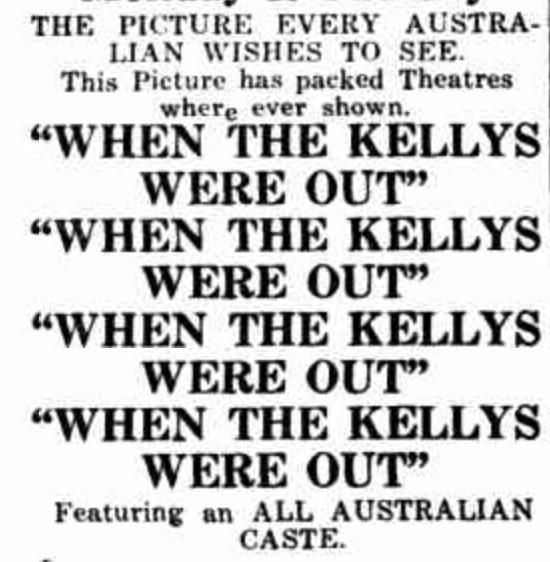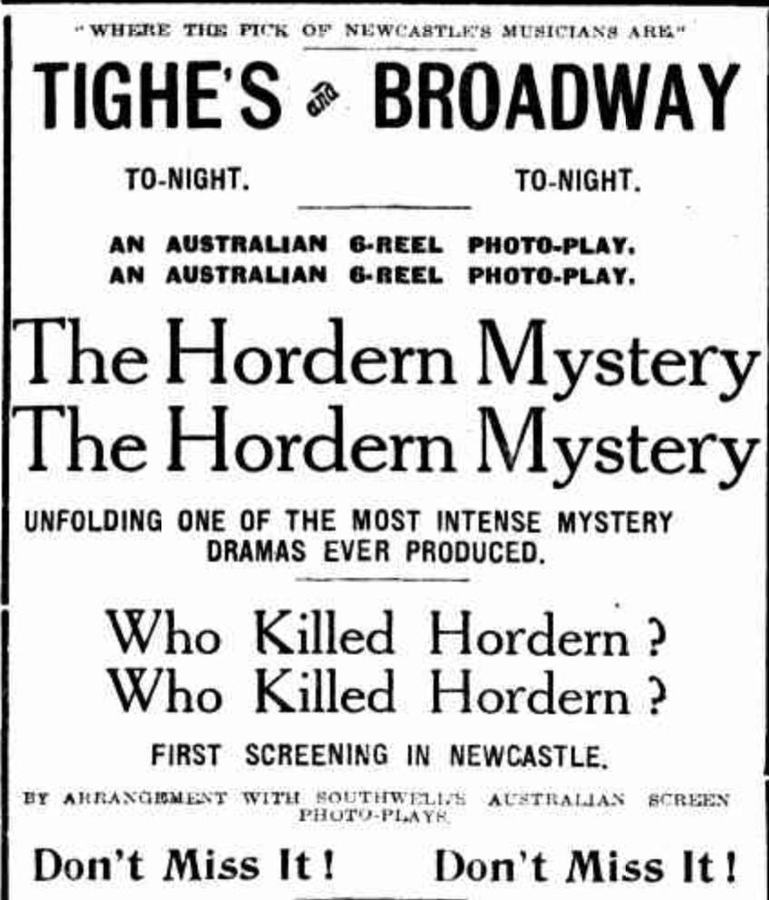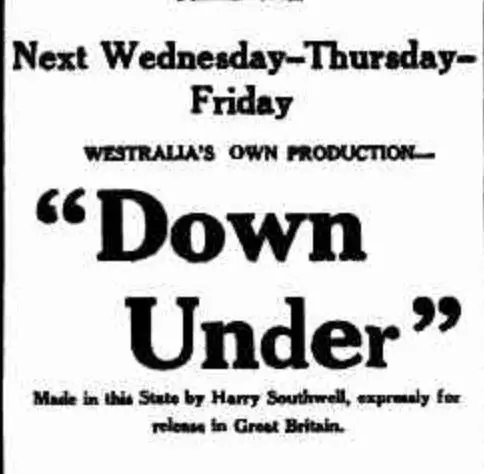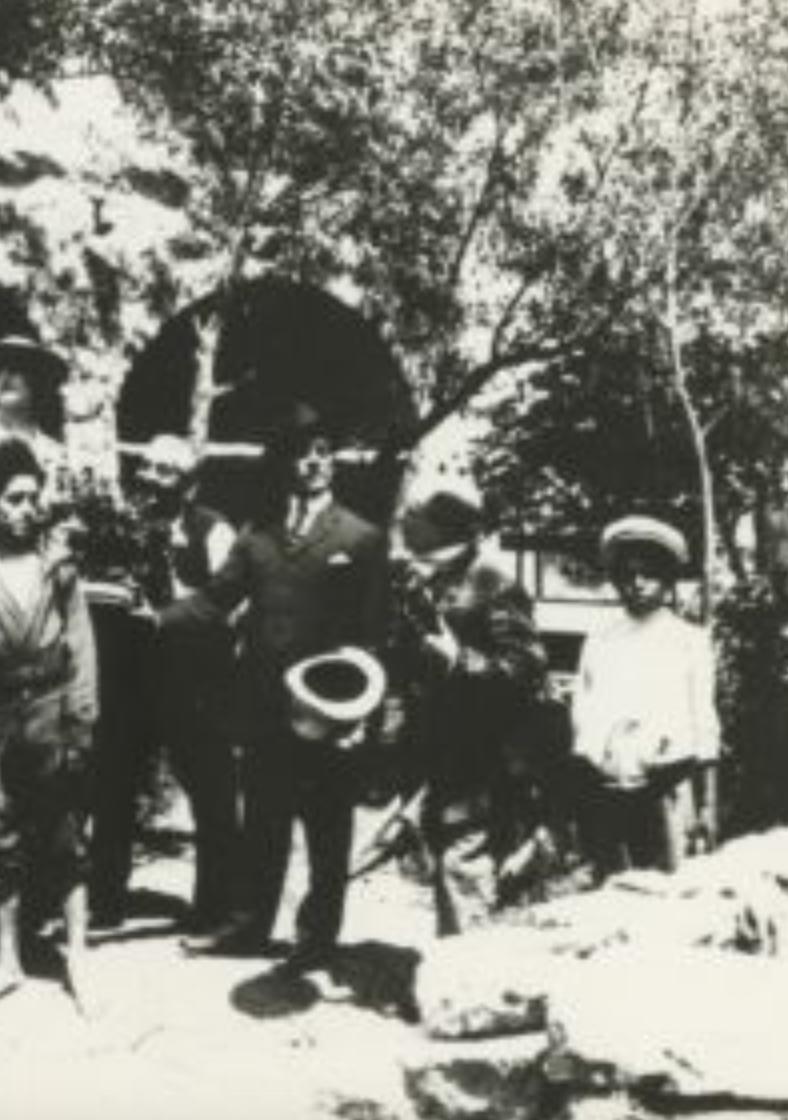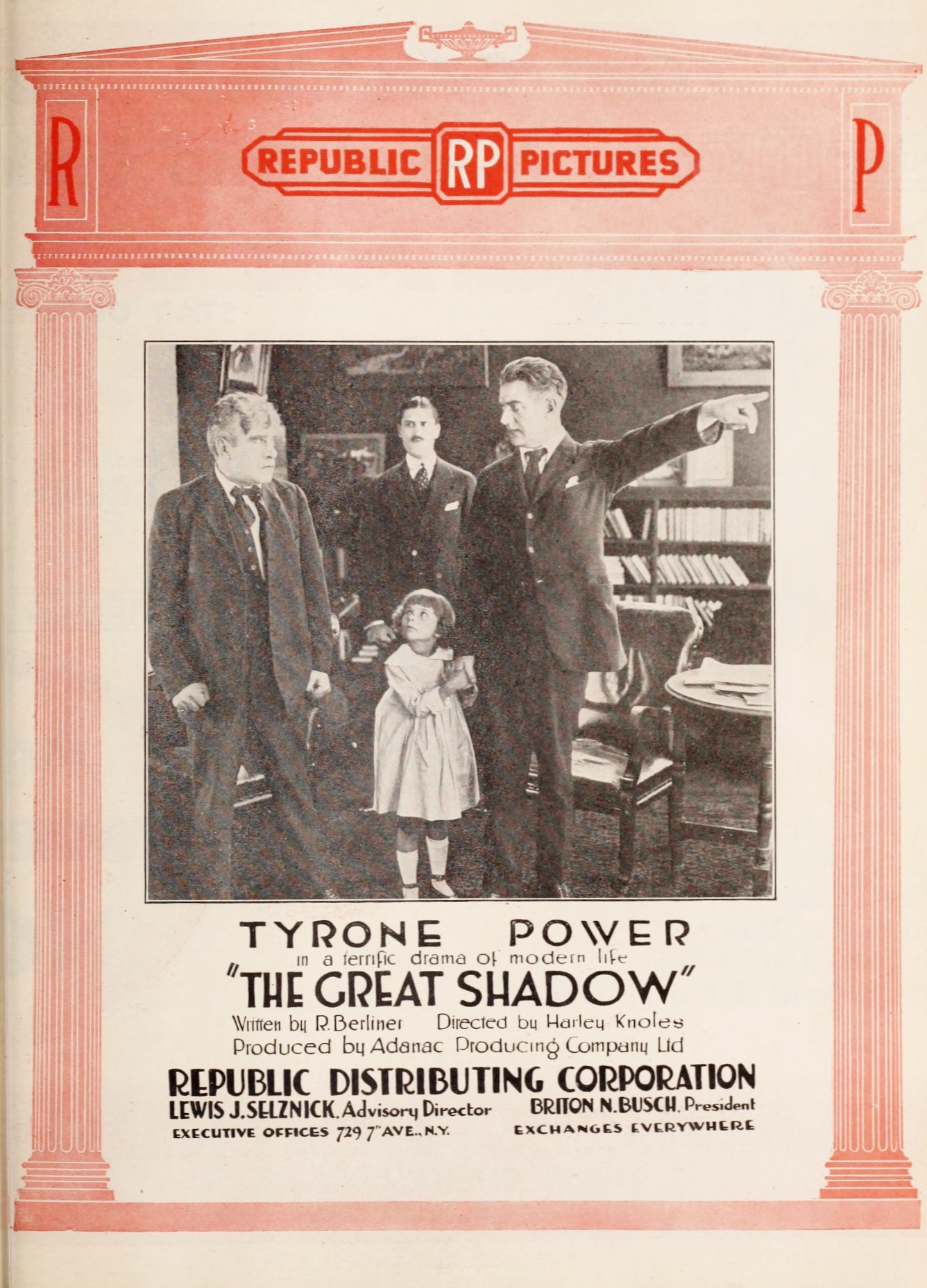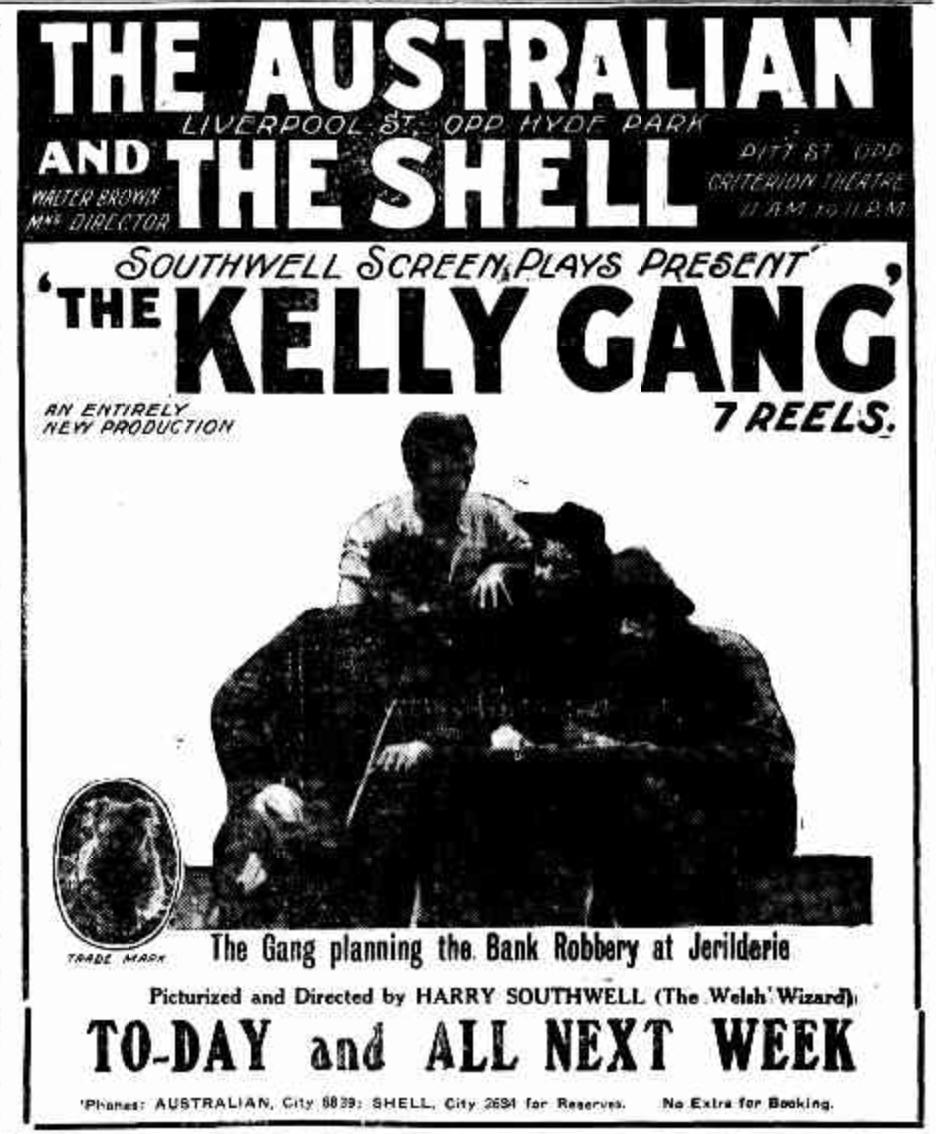
When the first public screening of The Kelly Gang flickered to life at Melbourne’s Athenaeum Hall on Boxing Day 1906, startled patrons ducked as oncoming horses appeared to gallop straight off the canvas. More than a century later, that kinetic jolt still reverberates. Commonly cited as the world’s first dramatic feat...
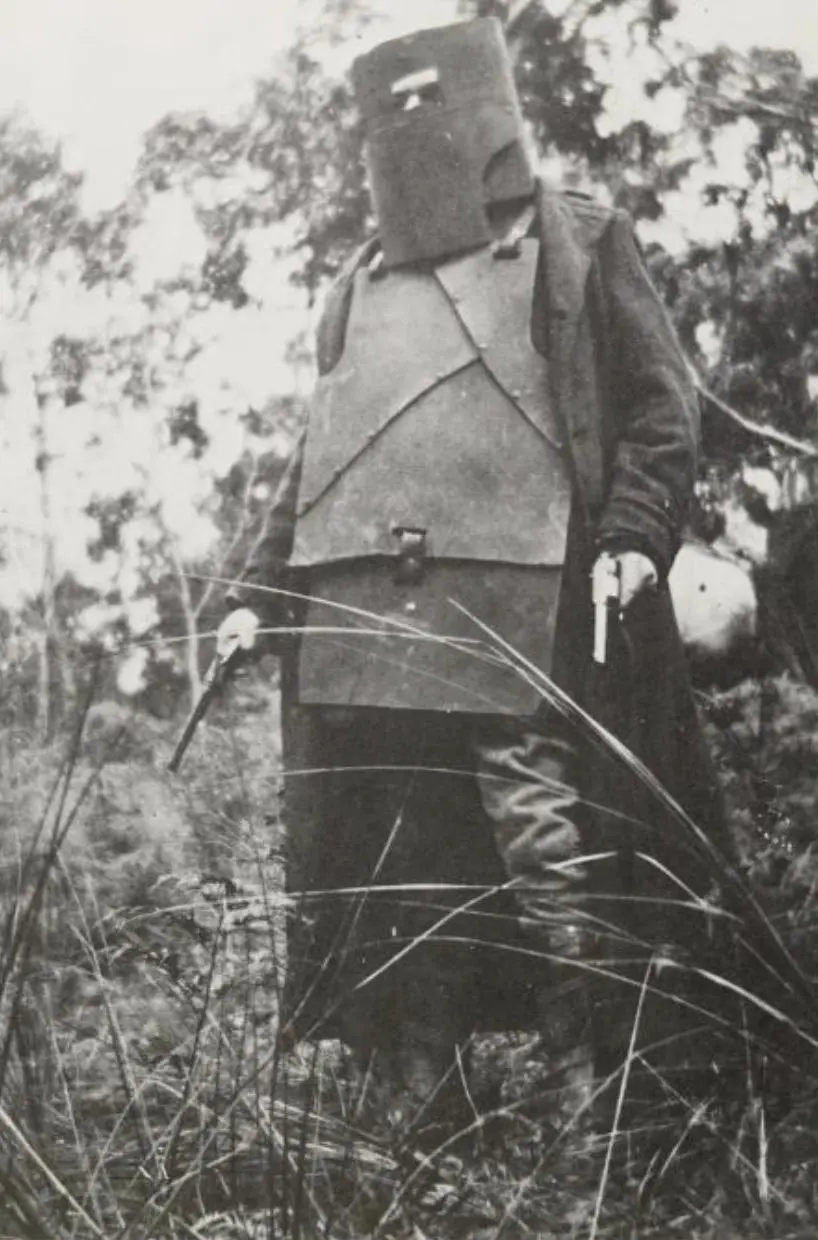
still_frame
Comparing the cinematic DNA and archive impact of two defining moments in cult history.
Harry Southwell
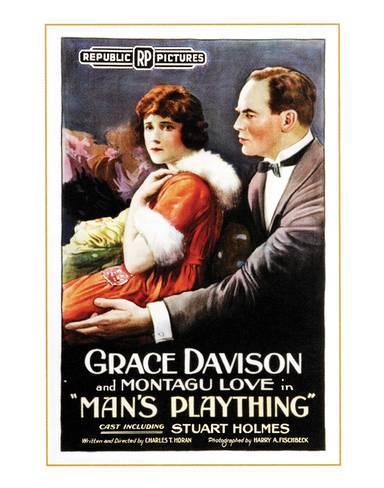
Charles Horan
Community
Log in to comment.
" When the first public screening of The Kelly Gang flickered to life at Melbourne’s Athenaeum Hall on Boxing Day 1906, startled patrons ducked as oncoming horses appeared to gallop straight off the canvas. More than a century later, that kinetic jolt still reverberates. Commonly cited as the world’s first dramatic feature-length film—predating Hilde Warren und der Tod and This Is the Life—Charles Tait’s outlaw odyssey is less a stolid history lesson than a nitrate baptism by fire. Restored frag..."
Horace Crawford
Australia
Deep dive into the cult classic
Discover similar cinematic experiences
A Directorial Spotlight on Harry Southwell