DbcultAccessing Vault...
Cult Review
Senior Film Conservator
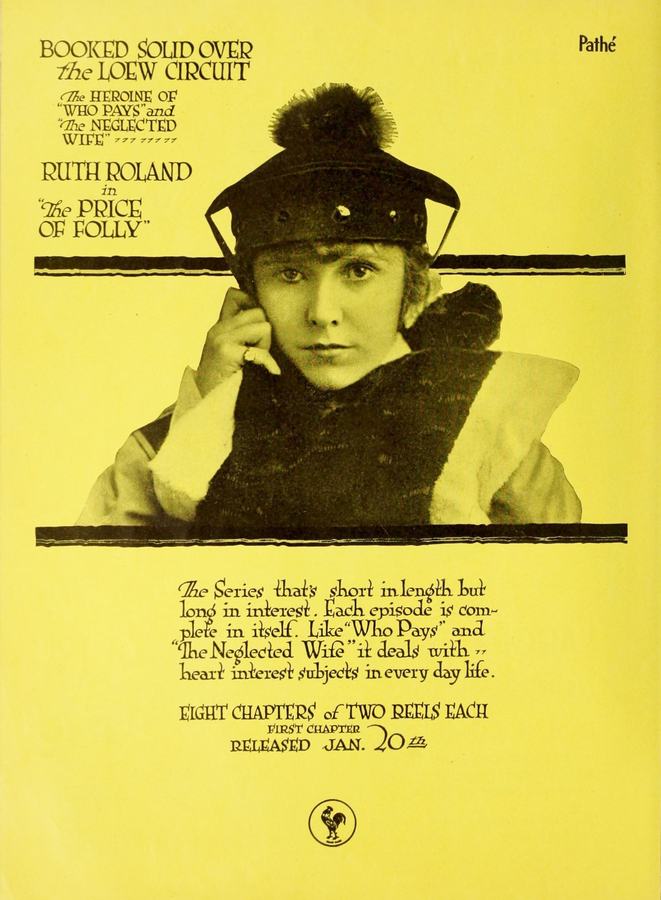
In the flickering twilight of the silent era, few works dared to challenge the audience's moral compass with the sheer audacity found in The Price of Folly (1918). This was not merely a collection of two-reelers; it was a psychological gauntlet thrown at the feet of a society emerging from the shadows of the Great War. While contemporaneous works like The Battle of the Ancre and the Advance of the Tanks captured the visceral brutality of external conflict, 'The Price of Folly' turned its gaze inward, scrutinizing the internal battlegrounds of the human soul. The film’s structure—eight autonomous episodes—functions as a precursor to the modern anthology, yet it possesses a didactic urgency that feels startlingly contemporary.
The brilliance of this production lies in its refusal to offer easy catharsis. Each episode, starting with the evocative 'Phantom Fame', serves as a study in vanity and the ephemeral nature of public perception. We see characters chasing shadows of significance, much like the doomed protagonists in The Darling of Paris, though here the stakes are grounded in a more intimate, domestic reality. The second installment, 'Counterfeit Clues', pivots toward the procedural, utilizing the burgeoning visual language of the detective genre to explore how perception can be manipulated by the very evidence meant to clarify it. It echoes the tension found in The Third Degree, questioning whether the law is a tool for justice or a weapon for the clever.
In 'The Cat’s Paw' and 'The Sin of Innocence', the narrative shifts toward the exploitation of the vulnerable. There is a palpable sense of dread that mirrors the atmospheric weight of The Isle of the Dead. Here, innocence is not a shield but a liability, a theme that resonates deeply with the silent era's fascination with the 'fallen' figure. The performers, notably Ruth Roland and Frank Mayo, deliver performances of profound kinetic energy. Roland, known for her serial prowess, brings a grounded tenacity to her roles, ensuring that even the most melodramatic moments remain tethered to a recognizable human struggle. Her presence provides a necessary counterpoint to the more theatrical flourishes of the era, much like the nuanced character work in The Gentleman from Indiana.
As we progress into 'Sold for Gold' and 'In Poverty’s Power', the film engages in a biting critique of capitalism and class rigidity. These episodes are perhaps the most intellectually rigorous, stripping away the romanticism often found in 1918 cinema. The visual motifs of wealth—shimmering fabrics and ornate sets—are contrasted sharply with the stark, utilitarian spaces of the impoverished. This dialectic of excess and lack is reminiscent of the tragic economic determinism seen in Des Goldes Fluch. The film suggests that 'folly' is often a luxury of the rich, while for the poor, a single misstep is a death sentence. This social realism aligns the work with the gritty honesty of Over the Hill, though 'The Price of Folly' maintains its unique episodic detachment.
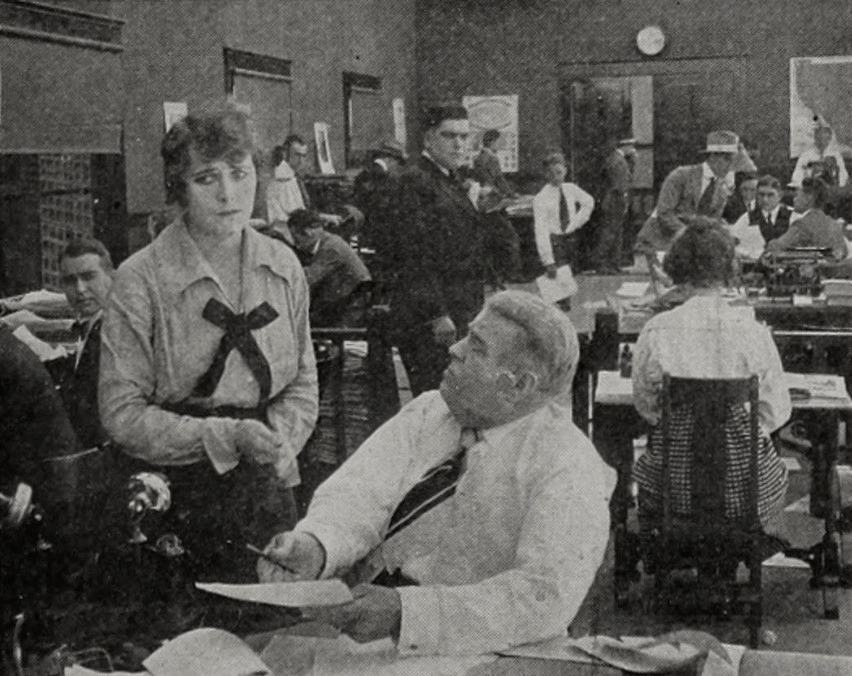
Technically, the film is a marvel of its time. The use of lighting to delineate moral clarity—or the lack thereof—is masterful. In 'The Rebound', the camera captures the frantic energy of a life spiraling out of control, utilizing framing techniques that would later be perfected in the Swedish school of filmmaking, such as in Samhällets dom. There is a rhythmic quality to the editing, a pulse that quickens as the characters approach their inevitable reckoning. The final episode, 'Shifting Sands', serves as a thematic coda, a reminder that the ground beneath our feet is rarely as solid as we believe. The title itself evokes the fluid nature of truth, a concept explored with similar existential weight in Dvoynaya zhizn.
The lack of a centralized protagonist across all eight episodes might initially alienate modern viewers accustomed to the 'hero's journey'. However, this fragmentation is the film's greatest strength. By forcing the audience to reset their emotional investment with every two-reel chapter, the directors ensure that the focus remains on the *action* and its *consequence* rather than the individual. It is a cinema of ideas, a philosophical treatise disguised as entertainment. This approach is far more intellectually demanding than the straightforward heroism of Potop or the lighthearted antics of Kidder and Ko.
What remains most striking about 'The Price of Folly' is its pedagogical intent. It does not preach; it presents. It asks: 'What would you do?' This participatory element predates the avant-garde experiments of the 1920s and the social realism of Gatans barn. The film understands that the most effective way to provoke thought is not to provide an answer, but to frame a question so vividly that it cannot be ignored. The cast, including Neil Hardin and Jimsy Maye, navigate these moral minefields with a sincerity that prevents the vignettes from feeling like mere parables. They are living, breathing entities caught in the gears of fate.
In comparing this work to Southern Justice, one notices a shared interest in the regional and societal pressures that dictate behavior. Yet, 'The Price of Folly' feels more universal, transcending the specificities of its American setting to touch upon the fundamental flaws inherent in the human psyche. It possesses the same grand scope as Zhizn i smert leytenanta Shmidta, though it trades historical biography for psychological depth. The film's ambition is matched only by its technical execution, particularly in its underwater or maritime sequences which, while not as specialized as The Submarine Eye, demonstrate a sophisticated understanding of spatial dynamics.
To watch 'The Price of Folly' today is to witness the birth of a more mature, contemplative cinema. It is a reminder that even in the early days of the medium, filmmakers were grappling with the complexities of the human condition with a level of sophistication that is often overlooked. The film’s legacy is not found in blockbuster sequels, but in the challenging, non-linear narratives of contemporary arthouse cinema. It is a work that demands your attention, your judgment, and ultimately, your empathy. The price of folly may be high, but the value of this cinematic experience is immeasurable. It stands as a testament to the power of the moving image to not just mirror life, but to interrogate it with unyielding intensity.
IMDb —
1919
Community
Log in to comment.