DbcultAccessing Vault...
Cult Review
Senior Film Conservator
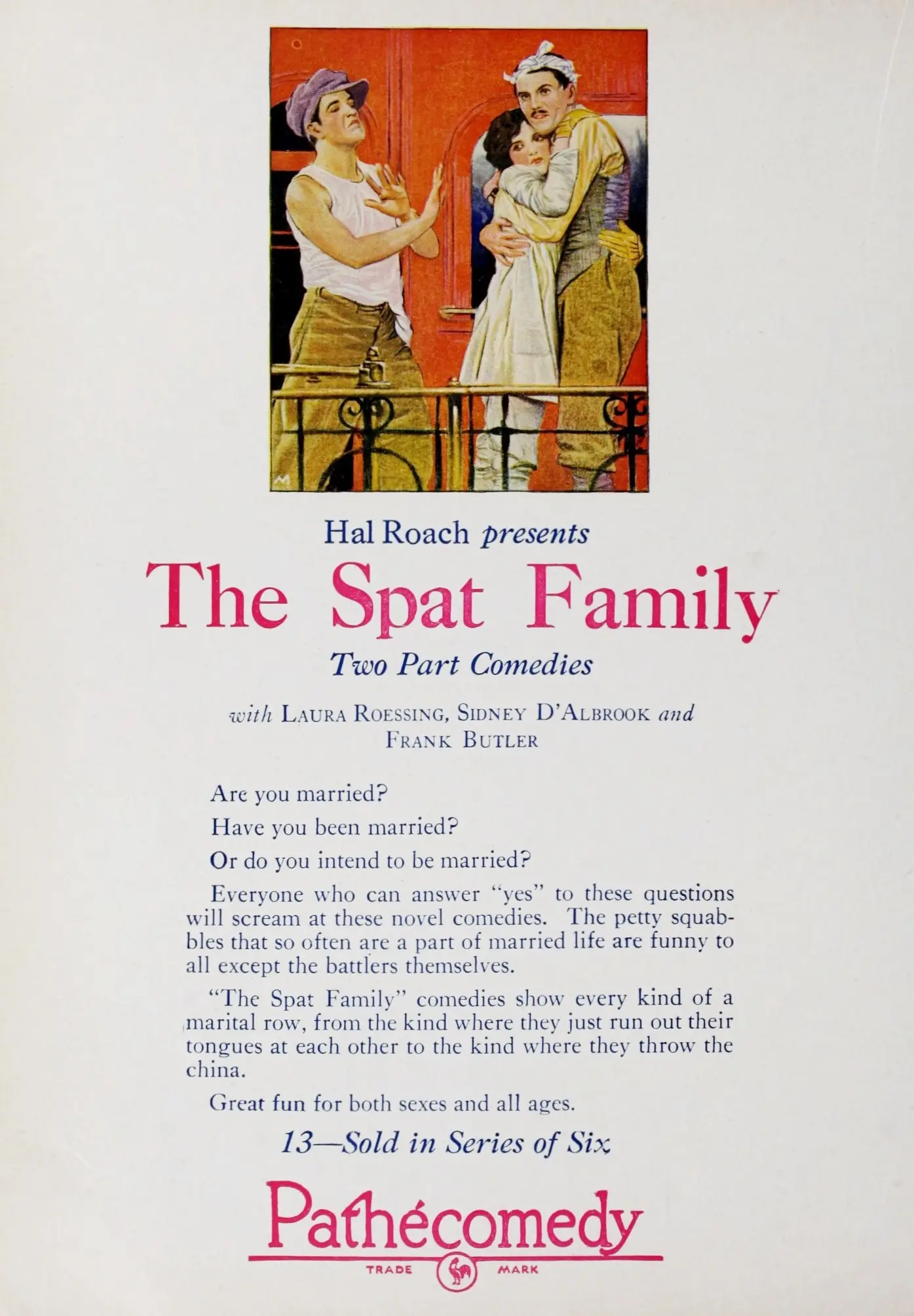
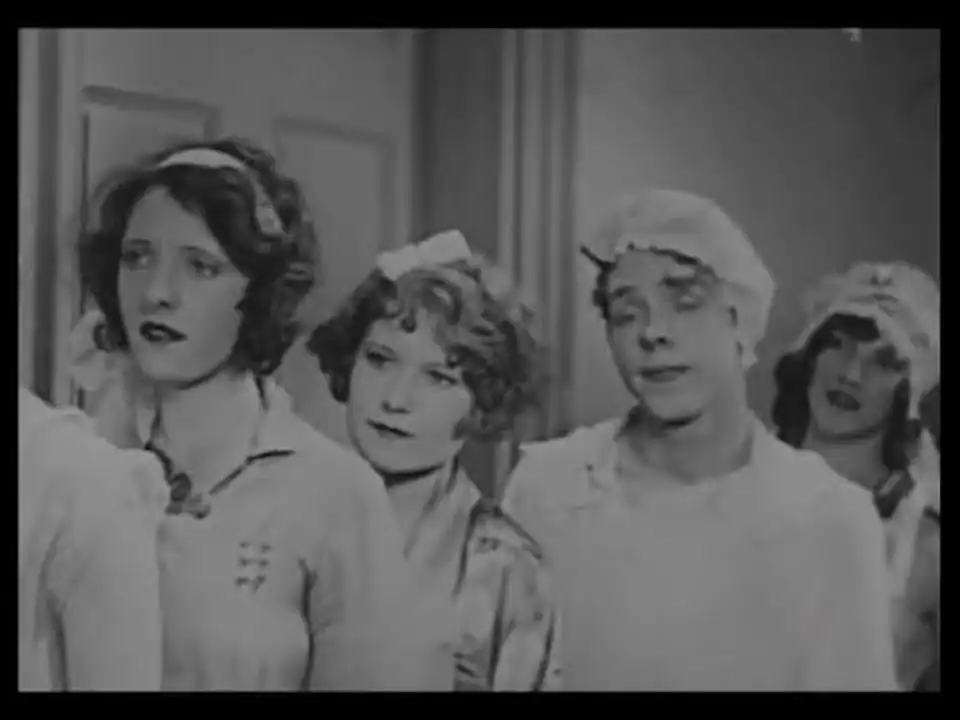
The film begins in a bustling hotel lobby, where the Spat family—a mother, father, and their vivacious daughter—check in. The atmosphere is charged with a mix of excitement and anxiety as they prepare to embark on their vacation. The mother, Olive Borden, is particularly anxious about their dog, who she fears might be a disruptive influence on their stay.
Enter Frank Butler, the father, with a devious smile. His plan is to hide the dog in their room, but doing so without arousing suspicion from the hotel staff proves more challenging than anticipated. The father's ingenuity is put to the test as he employs various tactics to conceal the canine companion, ranging from cleverly placed bags to a more elaborate setup involving a makeshift pen.
The hotel management, led by the stern and efficient Laura Roessing, is equally determined to maintain order. Her interactions with the Spats are a series of escalating misunderstandings and comedic miscommunications. Sidney D'Albrook, playing a sympathetic bellhop, becomes a pivotal character, inadvertently aiding the family's scheme while maintaining his own composure.
The narrative deftly balances moments of tension and humor. The Spats' attempts to hide the dog are met with escalating scrutiny from the staff, leading to a series of slapstick sequences. These scenes are interspersed with quieter, more poignant moments that explore the family's dynamics. The daughter's frustration with her parents' antics adds a layer of emotional depth to the story.
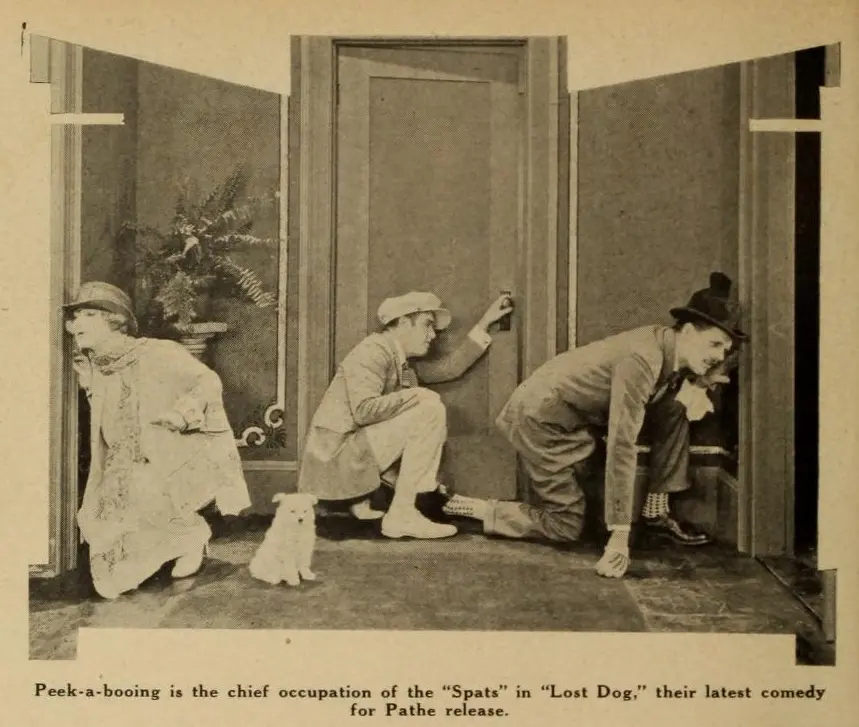
The performances by the cast are nothing short of remarkable. Olive Borden's portrayal of a mother torn between her desire to impress and her worry about the unknown is both endearing and relatable. Frank Butler's physical comedy is a delight, showcasing a range of mimetic skills that are a hallmark of silent film acting. Laura Roessing brings a stern but sympathetic presence to the hotel manager, making her interactions with the Spats both tense and entertaining.
Visually, 'Lost Dog' is a treat. The hotel settings are meticulously detailed, from the grand lobby to the cozy rooms, each environment contributing to the film's atmosphere. The clever use of shadows and silhouettes in the scenes of hiding the dog adds to the film's visual storytelling. The cinematography, while simple, is effective in capturing the humor and tension of the scenes.
Comparing 'Lost Dog' to other silent comedies of the era, it stands out for its nuanced treatment of family dynamics. While films like 'Love's Redemption' and 'The Sign of the Rose' focus more on romance and mystery, 'Lost Dog' offers a fresh perspective by blending these elements into a light-hearted, family-oriented comedy.
The film's conclusion brings a satisfying resolution to the central conflict, with the Spats successfully concealing the dog for the duration of their stay. However, the family's relief is short-lived when the dog escapes, leading to a series of predictable yet hilarious chase scenes.
In conclusion, 'Lost Dog' is a delightful addition to the silent comedy genre. Its blend of humor, suspense, and family drama makes it a must-watch for silent film enthusiasts and comedy aficionados alike. The performances, visual storytelling, and clever plot make it a gem of early Hollywood cinema.
IMDb 6.5
1937
Community
Log in to comment.