DbcultAccessing Vault...
Cult Review
Senior Film Conservator
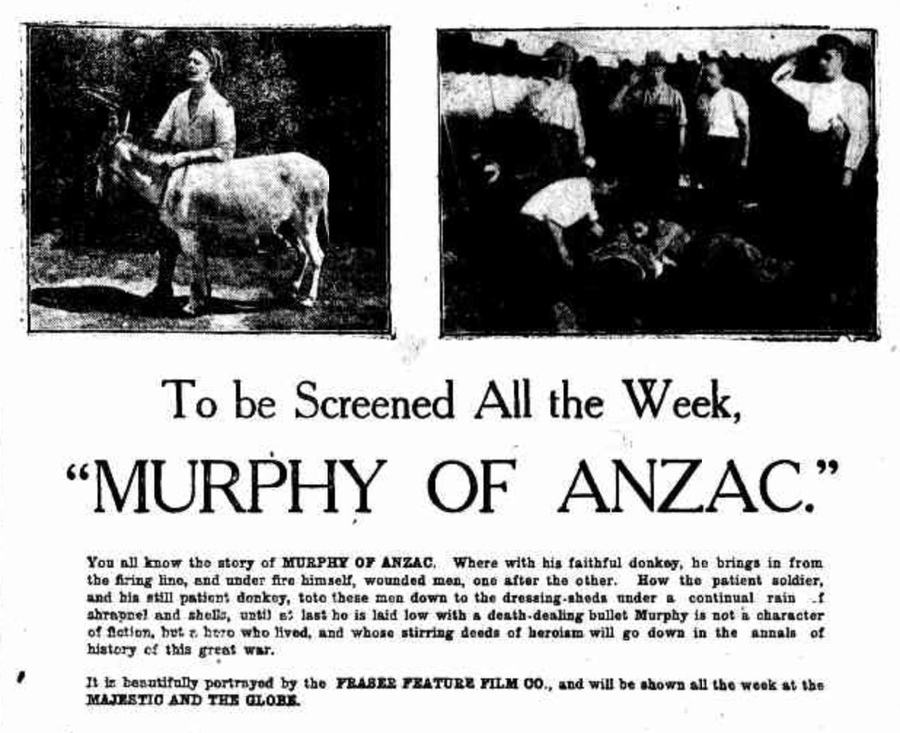
The cinematic landscape often grapples with the colossal shadow of historical conflict, attempting to distill the sprawling chaos of war into digestible narratives. Few endeavors achieve the profound resonance of Murphy of Anzac, a film that doesn't merely recount events but rather immerses its audience in the very soul-scouring crucible of the Gallipoli campaign. This isn't a sweeping epic of strategic maneuvers or grand pronouncements; instead, it is an intensely personal odyssey, a meticulous excavation of the human spirit’s capacity for selfless heroism amidst unimaginable desolation. The film pivots on the almost mythical figure of John Simpson Kirkpatrick, portrayed with a quiet, compelling intensity by Martyn Keith, whose performance anchors the narrative with an authentic gravitas.
Archie Fraser’s screenplay, a testament to meticulous research and empathetic storytelling, eschews bombast in favor of an intimate, almost documentary-like portrayal of the daily grind of survival and sacrifice. The genius of Murphy of Anzac lies in its ability to humanize the statistics, to render the abstract horrors of trench warfare concrete through the unwavering gaze of one man. Simpson, a stretcher-bearer, becomes an unlikely beacon of hope, his presence a stark contrast to the omnipresent specter of death. The film paints a stark, unvarnished portrait of the Anzac experience, presenting the rugged, sun-baked hills and treacherous ravines not as mere backdrops, but as active participants in the unfolding tragedy, their unforgiving terrain amplifying the already immense challenges faced by the Allied forces, both physically and psychologically.
What truly elevates Murphy of Anzac beyond a mere historical recreation is its focus on the extraordinary bond forged between Simpson and his unassuming companion, a donkey. This animal, often overlooked in the grander narratives of war, becomes a potent symbol of resilience, innocence, and unwavering loyalty. The scenes depicting Simpson's daily treks, guiding his donkey laden with wounded soldiers down precipitous slopes, are imbued with a quiet poetry. The rhythmic clip-clop of the donkey's hooves, the strained breathing of the injured, the distant, incessant thrum of artillery – these elements converge to create a sensory experience that is both harrowing and deeply moving. It is in these moments that the film achieves a transcendental quality, transforming a simple act of mercy into a profound statement on humanity’s enduring capacity for compassion in the face of absolute barbarity. This partnership, born of necessity, blossoms into a poignant emblem of hope, a counterpoint to the relentless machinery of conflict.
Martyn Keith's performance as John Simpson Kirkpatrick is a masterclass in understated power. He doesn't resort to theatrical flourishes or exaggerated displays of emotion; instead, his portrayal is etched in the subtle nuances of his gaze, the weary set of his shoulders, and the resolute determination in his stride. Keith captures the essence of a man driven by an innate moral compass, someone who, despite the overwhelming odds and constant threat, simply must do what is right. His Simpson is not a soldier seeking glory, but a humanitarian compelled by an urgent sense of duty to alleviate suffering. This portrayal resonates deeply, reminding us that heroism often manifests not in grand gestures, but in persistent, quiet acts of courage. The film allows us to observe Simpson's routine, his almost ritualistic approach to rescue, which paradoxically highlights the sheer audacity and danger of his daily mission. His interactions with the wounded, often silent, convey volumes about the shared trauma and unspoken camaraderie that defined the Gallipoli experience, painting a vivid picture of mutual respect and desperate hope.
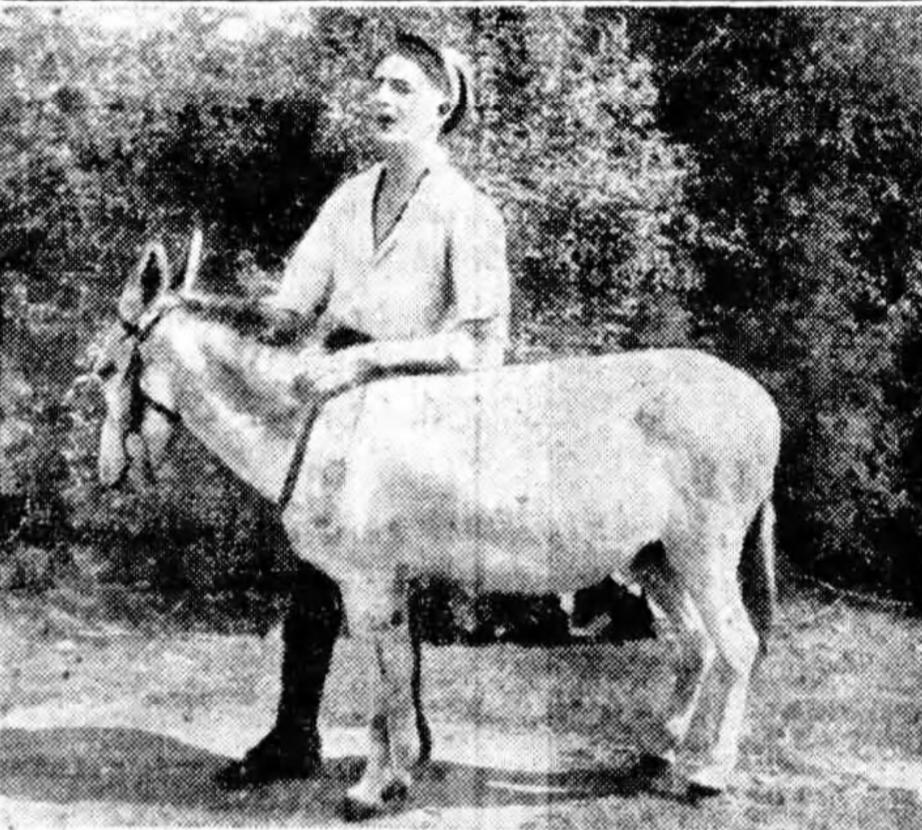
The film’s depiction of the Anzac Cove environment is unflinching. The cinematography, whether through stark black-and-white (if imagining an early film) or a muted, sepia-toned palette, conveys the dust, the heat, the flies, and the pervasive stench of war. There is no romanticization of combat here; instead, we are confronted with its brutal realities, the relentless attrition, and the psychological toll it exacted on those who endured it. This authenticity lends immense weight to Simpson's actions. His bravery isn't depicted as a superhuman feat, but as a deeply human response to an inhuman situation, making it all the more inspiring. The film manages to convey the claustrophobia of the trenches and the vast, exposed vulnerability of the slopes with equal efficacy, creating a palpable sense of dread and precariousness that permeates every frame. The sense of isolation and the constant threat of unseen snipers or artillery barrages are rendered with a chilling realism that keeps the audience on edge, mirroring the soldiers' perpetual state of vigilance.
The narrative structure, while focusing on Simpson, cleverly weaves in vignettes of other soldiers, allowing for a broader understanding of the collective suffering and defiant spirit of the Anzacs. These brief encounters, often wordless, add layers of emotional depth, reinforcing the idea that Simpson’s individual heroism was part of a larger tapestry of shared endurance. The film doesn't shy away from the horrific injuries, the despair, or the sheer futility of some of the engagements. Yet, it balances this stark realism with moments of profound human connection – a shared cigarette, a whispered word of encouragement, the simple, life-affirming act of being carried to safety. These fleeting glimpses of humanity serve as vital counterpoints to the overwhelming bleakness, underscoring the resilience of the human spirit even in the most dire circumstances.
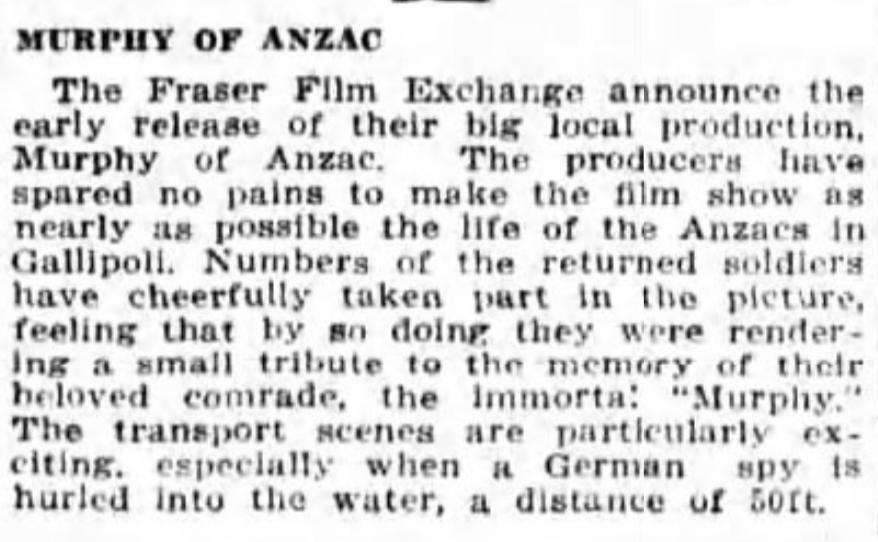
In an era of cinema that often glorified warfare or presented it through a lens of patriotic fervor, Murphy of Anzac stands out for its nuanced approach. It acknowledges the sacrifices made but never shies away from portraying the immense cost. This makes it a crucial historical document as much as a compelling drama. While other films from the early 20th century, such as The Combat, might have explored themes of conflict and struggle, Murphy of Anzac distinguishes itself by focusing on the aftermath of conflict, the imperative to heal and preserve life even as death reigns supreme. It’s a powerful counterpoint to the more jingoistic narratives that sometimes emerged from the period, offering a more introspective and humanitarian perspective on the true cost of war. The film’s commitment to showing the raw, unvarnished truth of the battlefield, rather than a sanitized version, is a bold artistic choice that resonates deeply.
The writers, led by Archie Fraser, demonstrate a keen understanding of both historical fact and dramatic necessity. They craft a narrative that feels authentic without ever becoming didactic. The dialogue, sparse and impactful, reflects the harsh realities of men under immense duress. There's an economy of language that speaks volumes, allowing the actions and the stark visuals to carry much of the emotional weight. This minimalist approach is incredibly effective, drawing the audience into the lived experience of the characters rather than telling them how to feel. The pacing, while deliberate, never drags, maintaining a steady rhythm that mirrors Simpson's relentless dedication. The film's narrative economy ensures that every scene, every interaction, and every visual contributes meaningfully to the overall emotional and historical impact, preventing any sense of superfluousness.
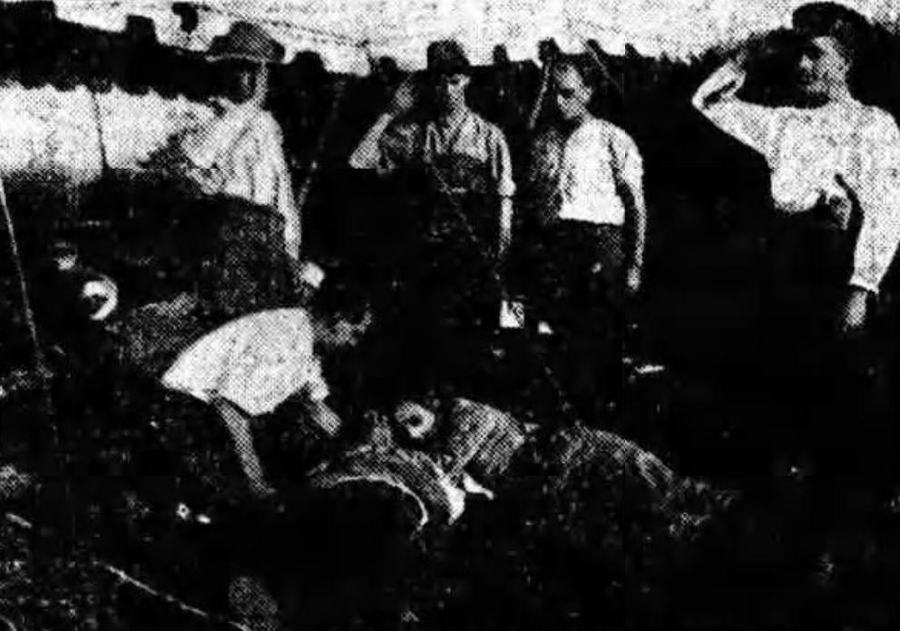
The film's exploration of camaraderie is particularly noteworthy. Beyond Simpson's individual acts, the production deftly illustrates the bonds forged in the crucible of battle, the unspoken understanding between men facing a common, terrifying adversary. These relationships, often fleeting, are nevertheless profound, offering glimpses of humanity's enduring need for connection and mutual support. The film suggests that even in the most dehumanizing circumstances, the capacity for empathy and collective action can survive, even flourish. This theme echoes in other early dramas that explored human connection amidst adversity, though perhaps not with the same immediate life-or-death stakes. For instance, while A Bachelor's Children might explore familial bonds, Murphy of Anzac elevates the concept of 'mateship' to an almost sacred level, a survival mechanism and a moral imperative on the battlefield.
Comparing Murphy of Anzac to other films of its era highlights its unique artistic courage. While a film like A Daughter of the Poor might have focused on social struggle and individual resilience in a domestic context, Murphy of Anzac transposes these themes onto the global stage of warfare, magnifying their emotional impact exponentially. The stakes are higher, the consequences more dire, yet the underlying human spirit remains the central focus. It's this dedication to the individual story within the grand historical narrative that makes it so compelling. The film's ability to humanize the vast, impersonal machinery of war through one man's unwavering commitment to life is its profound triumph.
The tragic inevitability of Simpson's fate is handled with a delicate touch, avoiding overt sentimentality while still allowing the audience to feel the profound loss. His death is not depicted as a glorious sacrifice in the traditional sense, but as an unfortunate, heartbreaking consequence of his relentless dedication. It underscores the brutal randomness of war, where even the most heroic acts cannot guarantee survival. Yet, his legacy, carefully cultivated by the film, transcends his physical end. He becomes a symbol, an enduring emblem of the Anzac spirit – a spirit characterized by mateship, improvisation, and an unshakeable resolve. The film ensures that his sacrifice, while individual, resonates as a collective loss, cementing his place in the annals of wartime heroism.
The sound design, even for an early film, would have played a crucial role in immersing the audience. The relentless machine-gun fire, the distant rumble of naval bombardments, the cries of the wounded, and the mournful silence between barrages would have been meticulously crafted to create an auditory landscape of terror and tension. This sonic environment, combined with the evocative visuals, pulls the viewer directly into the trenches, fostering a deep empathy for the plight of the soldiers. It’s a testament to the filmmakers' ambition to create a truly immersive experience, challenging the audience to confront the harsh realities of war. The silence, punctuated by the sounds of suffering and destruction, often speaks louder than any dialogue, conveying the sheer isolation and despair of the front lines.
Furthermore, the film serves as a powerful reminder of the often-overlooked contributions of non-combatants and support personnel during wartime. Simpson, as a stretcher-bearer, represents the thousands who risked their lives not to take others, but to save them. This aspect of the narrative offers a vital counterpoint to the glorification of combat, emphasizing the profound courage found in acts of healing and preservation. It expands our understanding of what constitutes heroism in wartime, recognizing the quiet valor of those who tended to the broken rather than those who broke. This perspective is refreshing and crucial, highlighting the multifaceted nature of courage and sacrifice.
The lasting impact of Murphy of Anzac lies not just in its historical accuracy or its dramatic prowess, but in its ability to inspire. It compels us to reflect on the nature of courage, the price of conflict, and the enduring power of human kindness. It is a film that refuses to let us forget the sacrifices made, but more importantly, it celebrates the indomitable spirit that emerged from such profound adversity. It’s a poignant and essential piece of cinema, a historical drama that transcends its genre to become a timeless meditation on compassion in the face of chaos. Its message, delivered through the simple, heroic actions of one man and his donkey, resonates with a clarity and emotional force that few films about war ever truly achieve. The legacy of Simpson and his donkey, solidified by this cinematic rendition, ensures that his name, and the spirit he embodied, will continue to echo through the corridors of history, a perpetual testament to the best of humanity amidst its worst.
This film, in its profound simplicity and stark realism, perhaps finds parallels not in direct plot, but in thematic weight with other historical or emotionally charged dramas. For instance, while East Lynne explores personal tragedy and moral dilemmas within a societal framework, Murphy of Anzac elevates the individual’s moral struggle to a global, existential plane. The choices faced by Simpson are not about reputation or social standing, but about life and death, about upholding human dignity in a landscape designed to strip it away. His unwavering commitment to his self-appointed mission, regardless of the personal cost, is a profound statement on ethical imperative, a truly moving portrayal of a man who found his purpose in the heart of hell. This thematic depth allows it to stand alongside other powerful human dramas, irrespective of their specific settings or genres.
The film’s enduring power also stems from its ability to connect with audiences across generations. While the context of World War I and the Gallipoli campaign might be specific, the themes of courage, sacrifice, and empathy are universal. It prompts viewers to consider their own capacity for kindness in challenging times, and to recognize the heroes who emerge not from grand pronouncements, but from quiet, consistent acts of selflessness. It’s a film that stays with you, not for its spectacle, but for its profound humanity. It is a vital cinematic contribution, ensuring that the legend of Simpson and his donkey continues to inspire, a timeless narrative of hope against overwhelming despair. The nuanced portrayal of the human cost of war, coupled with the unwavering spirit of compassion, makes Murphy of Anzac an essential watch, a powerful reminder of the sacrifices made and the enduring legacy of those who chose to alleviate suffering amidst the chaos.
In conclusion, Murphy of Anzac is more than just a historical drama; it is a meditation on the human condition under duress. It celebrates the individual who, against all odds, chose compassion and service. Martyn Keith delivers a performance that will be remembered, and Archie Fraser's writing ensures that Simpson's story is told with the respect and gravity it deserves. This film is a must-see for anyone interested in the human spirit's capacity for good, even when surrounded by the very worst of humanity's creations. It stands as a powerful testament to the fact that even in the darkest hours, a single act of kindness, repeatedly performed, can illuminate the path forward, becoming a legend whispered through the ages. It is a cinematic experience that challenges, moves, and ultimately inspires, leaving an indelible mark on the viewer's consciousness.
IMDb —
1921
Community
Log in to comment.