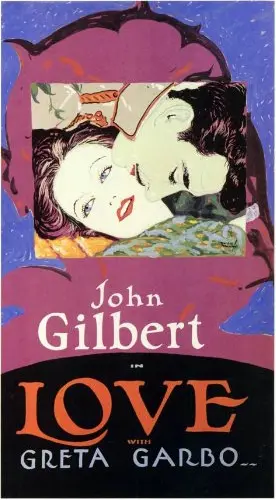
A definitive 6.8/10 rating for a film that redefined the boundaries of cult cinema. Love remains a cornerstone of transgressive art.
Is 'Love' (1927) a silent film worth revisiting in today's rapid-fire cinematic landscape? Short answer: yes, but with significant caveats that demand a particular kind of viewer engagement. This film is an essential watch for cinephiles interested in the evolution of melodrama, the power of silent acting, and Greta Garbo’s magnetic early career, yet it might prove a challenging, even tedious, experience for those accustomed to contemporary pacing and narrative conventions.
Based loosely on Leo Tolstoy’s 'Anna Karenina', Edmund Goulding’s 'Love' strips away much of the novel’s intricate social commentary to focus almost exclusively on the raw, often devastating, emotional core of forbidden passion. It’s a film that leans heavily on its stars’ charisma and the expressive power of silent film conventions, for better or worse. Modern audiences will find it requires patience, but rewards those willing to immerse themselves in its unique emotional rhythm.
This film works because of Greta Garbo’s utterly mesmerizing screen presence, her unparalleled ability to convey complex internal turmoil through a mere glance or subtle gesture. It fails because its melodramatic excesses and deliberate pacing can feel overwrought and sluggish to a contemporary viewer, sometimes mistaking protracted suffering for profound emotion. You should watch it if you are a devoted fan of silent cinema, an admirer of Garbo's legendary acting, or keen to understand the roots of Hollywood melodrama, particularly its adaptation of literary classics.
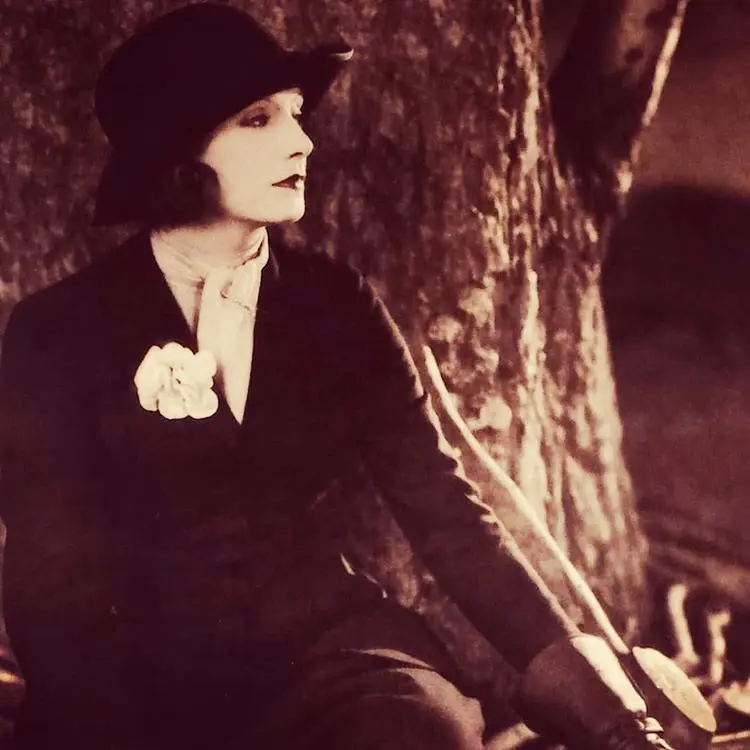
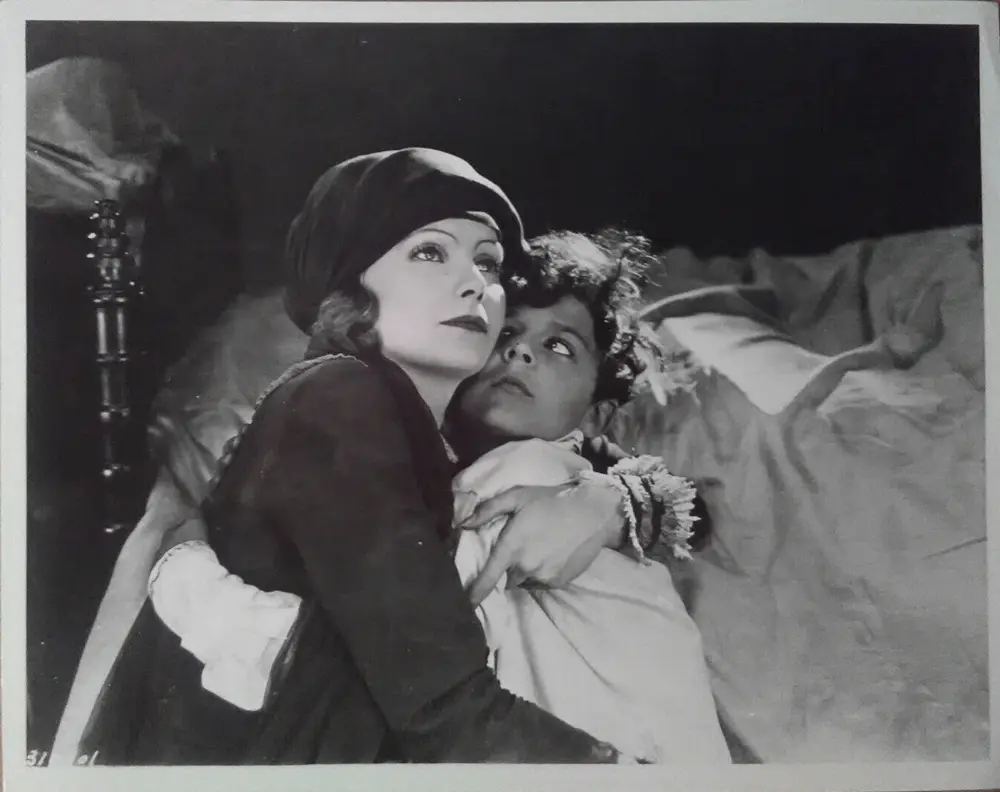
Scene from Love
Cinematic perspective: Exploring the visual vocabulary of Love (1927) through its definitive frames.
The Allure of the Silent Screen: Garbo's Dominance
'Love' is, first and foremost, a vehicle for Greta Garbo, and she delivers a performance that transcends the limitations of its era. Her portrayal of the married woman ensnared by passion is a masterclass in silent acting. It’s not just her striking beauty, but the profound depth she brings to every scene, her eyes speaking volumes where dialogue is absent.
Consider the moments where she first encounters John Gilbert's young officer. Garbo doesn't just react; she absorbs the emotion, processes it, and then transmits it to the audience through a flicker of her eyelids, a slight tremor of her lip. This isn't broad, theatrical gesturing; it's nuanced, internal work, making her character's descent into an illicit affair feel tragically inevitable rather than merely scandalous.
Her chemistry with John Gilbert, often hailed as one of Hollywood's great silent pairings, is palpable. Gilbert, himself a major star of the era, brings a youthful exuberance and dashing charm that perfectly complements Garbo's more intense, melancholic energy. Their scenes together crackle with an undeniable erotic charge, a rarity for films of this period, making their forbidden romance genuinely compelling. The way their hands brush, the lingering gazes – it’s all exquisitely choreographed to convey a deep, dangerous connection.
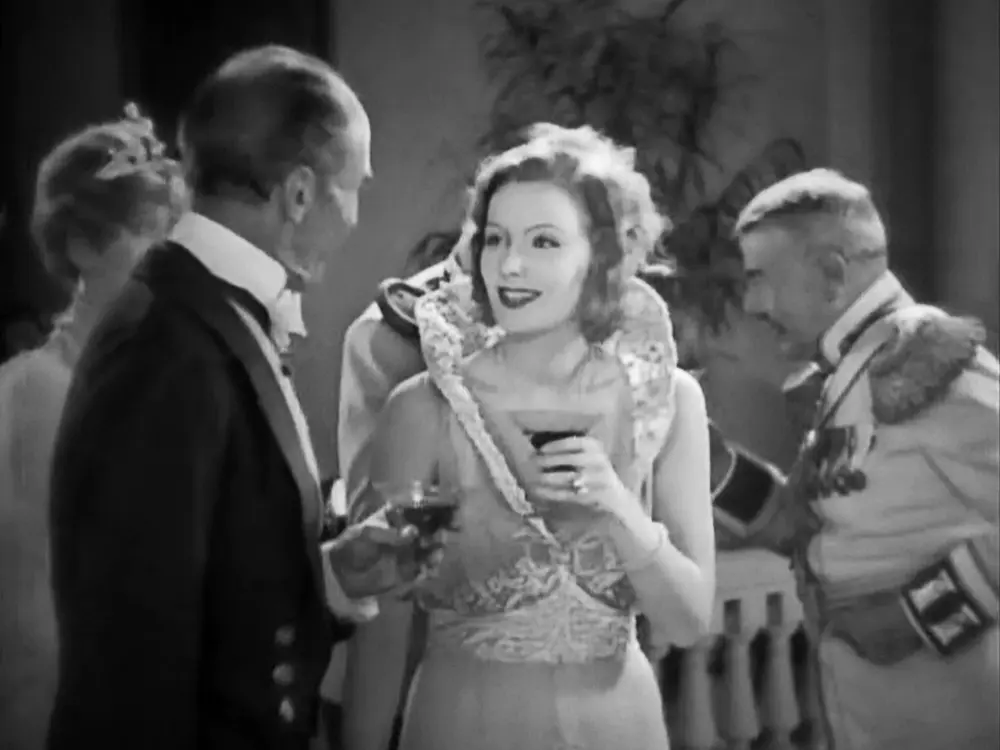
Scene from Love
Cinematic perspective: Exploring the visual vocabulary of Love (1927) through its definitive frames.
However, while Garbo and Gilbert are the undeniable anchors, the supporting cast sometimes struggles to match their intensity. Brandon Hurst, as the cuckolded husband, delivers a performance that occasionally veers into caricature, a common pitfall in silent melodrama. While effective in highlighting the societal rigidities of the time, his portrayal lacks the subtle complexities Garbo imbues in her character, making the emotional imbalance stark.
Directorial Choices and Visual Storytelling
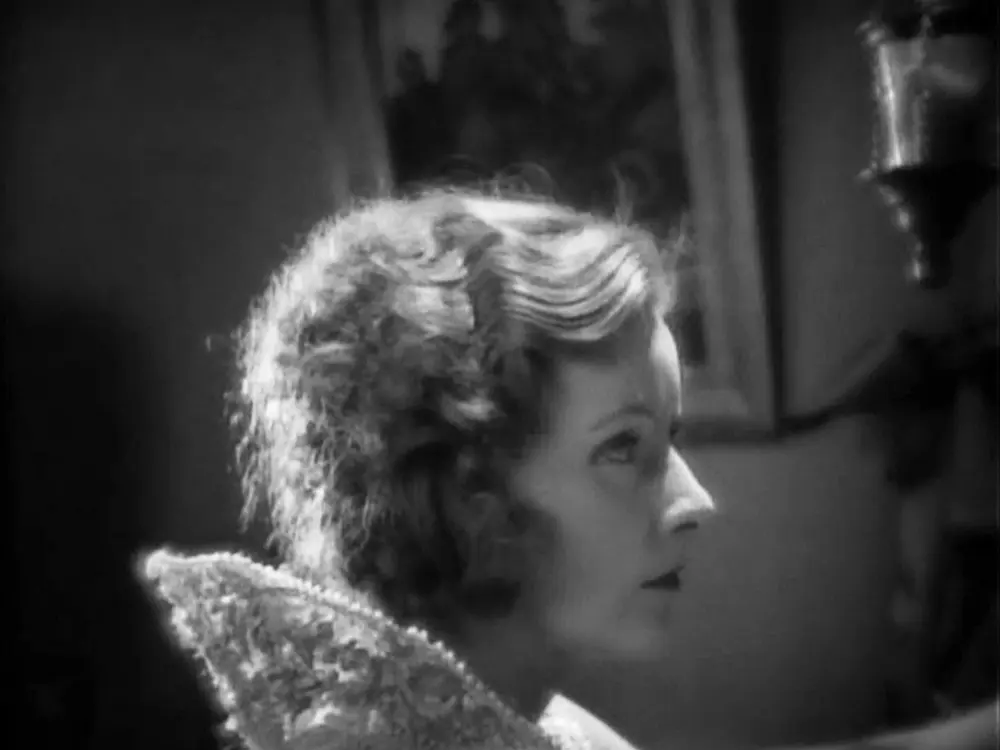
Edmund Goulding’s direction in 'Love' is a fascinating study in silent film aesthetics. He understands the power of the close-up, using it extensively to highlight Garbo’s expressive face, allowing her to carry the emotional weight of the narrative. Cinematographer William H. Daniels, a frequent collaborator with Garbo, bathes her in soft, ethereal light, enhancing her iconic mystique. This isn't just pretty; it's a deliberate choice to elevate her character to an almost mythical status, a tragic goddess destined for heartbreak.
The film's visual language is rich, even if its narrative can feel sparse. Goulding employs stark contrasts between the opulence of high society and the intimate, often clandestine, spaces where the lovers meet. One particularly memorable sequence involves a ball, where the swirling dancers and glittering costumes serve as a vibrant backdrop to the quiet, intense exchanges between Garbo and Gilbert, emphasizing their isolation even amidst a crowd. The visual storytelling here is paramount, effectively communicating a world of strict social codes that their passion threatens to shatter.
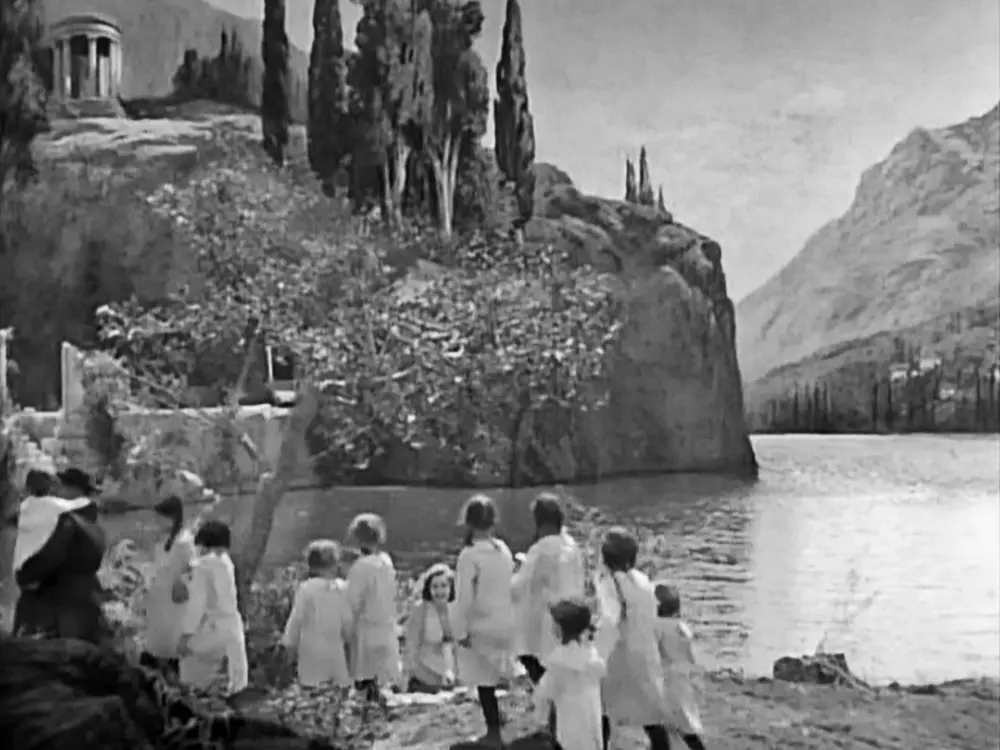
Scene from Love
Cinematic perspective: Exploring the visual vocabulary of Love (1927) through its definitive frames.
There's a palpable sense of grandeur in the production design, reflecting the lavish settings of Tolstoy's novel. The costumes are exquisite, the sets detailed, all contributing to the immersive experience of a bygone era. Yet, Goulding also knows when to strip things back, focusing on raw emotion. The film often juxtaposes wide, establishing shots of bustling cities or grand estates with intensely personal close-ups, creating a dynamic visual rhythm that, at its best, is quite potent.
However, the direction occasionally falls prey to the conventions of its time, relying on visual tropes that might feel dated to modern eyes. Some of the dramatic gestures or reactions from secondary characters can appear overblown, detracting from the more subtle performances of the leads. It’s a reminder of the evolving language of cinema, where what was once considered powerful expression can now read as theatricality.
Pacing, Tone, and the Melodramatic Heart
'Love' is, unapologetically, a melodrama, and it embraces the genre's inherent grandiosity and emotional intensity. The tone is consistently serious, often somber, with little room for levity. This commitment to dramatic weight can be both its strength and its biggest hurdle for contemporary viewers. The film takes its time, building emotional tension gradually, relying on lingering glances and drawn-out scenes to convey the depth of feeling and the gravity of the characters' choices.
Scene from Love
Cinematic perspective: Exploring the visual vocabulary of Love (1927) through its definitive frames.
The pacing is notably slower than what modern audiences are accustomed to. Sequences that might be compressed into a few minutes today are allowed to unfold over extended periods, demanding a different kind of engagement. This deliberate slowness, while potentially frustrating, also allows for a deeper immersion into the characters' psychological states. It forces the viewer to sit with the emotions, to feel the weight of their decisions, rather than simply observe them.
One could argue that this very pacing, often criticized, is actually a meditative quality, a lost art in an age of rapid-fire editing. It allows the silent performances, particularly Garbo's, to truly breathe and imprint themselves on the viewer's consciousness. The film doesn't rush to its dramatic climaxes; instead, it allows the inevitable consequences of the affair to slowly, painfully, manifest.
However, there are moments where the melodrama feels less like profound tragedy and more like an exercise in emotional excess. The heightened emotional states, while authentic to the genre, can sometimes feel a bit much, particularly in scenes involving the husband’s reaction or the societal ostracization. It’s a fine line between impactful drama and overwrought sentimentality, and 'Love' occasionally teeters on that edge. The film’s greatest strength, its emotional sincerity, can also be its most challenging aspect, requiring a willingness to engage with a style of storytelling that predates our modern sensibilities.
Scene from Love
Cinematic perspective: Exploring the visual vocabulary of Love (1927) through its definitive frames.
The film's exploration of forbidden love and societal sacrifice, while simplified from its literary source, remains potent. It captures a specific societal anxiety around female autonomy and passion in the 1920s, a time when women were challenging traditional roles but still faced immense pressure to conform. This makes 'Love' not just a romance, but a subtle social commentary, albeit one delivered through the lens of individual suffering.
Is This Film Worth Watching Today?
Yes, 'Love' (1927) is absolutely worth watching today, especially for those interested in the history of cinema. It provides a crucial window into the artistry of the silent era.
The film's primary draw is Greta Garbo's iconic performance. Her ability to convey profound emotion without dialogue is truly remarkable and timeless.
However, be prepared for a slower narrative pace than contemporary films. It demands patience and an appreciation for visual storytelling and character study.
It's not a film for casual viewing expecting modern action or quick resolutions. Instead, it offers a deep dive into human emotion and societal pressures of its time.
For silent film enthusiasts, it's a must-see. For others, it's a valuable historical artifact and a testament to Garbo's enduring star power.
Key Takeaways
Best for: Devotees of silent cinema, Greta Garbo fans, and those interested in the evolution of melodrama and literary adaptations.
Not for: Viewers seeking fast-paced narratives, action, or those with little patience for the conventions of early 20th-century filmmaking.
Standout element: Greta Garbo's mesmerizing, deeply nuanced performance, which elevates the material beyond typical melodrama.
Biggest flaw: Its deliberate, sometimes languid pacing and occasional reliance on broad melodramatic gestures can test modern audiences' patience.
Pros and Cons
Pros:
Greta Garbo's Legendary Performance: Her ability to convey complex emotions with minimal expression is a masterclass, making her character's internal struggle incredibly compelling. She truly is the heart of the film, commanding every frame she inhabits.
Potent Chemistry with John Gilbert: The on-screen romance feels genuine and passionate, a testament to the undeniable spark between the two stars, which was legendary both on and off screen. Their shared scenes are electric.
Rich Visual Storytelling: Edmund Goulding's direction and William H. Daniels' cinematography effectively use close-ups, lighting, and grand sets to convey mood and narrative without dialogue. The film is often beautiful to behold, particularly in its framing of Garbo.
Historical Significance: As an early adaptation of 'Anna Karenina' and a key example of silent-era Hollywood melodrama, it offers valuable insight into cinematic history and the evolution of storytelling. It’s a snapshot of a particular moment in film.
Emotional Depth: Despite its age, the core themes of forbidden love, societal pressure, and personal sacrifice resonate, particularly when carried by Garbo's profound performance. The film doesn't shy away from the pain of its central conflict.
Cons:
Slow Pacing: The film's deliberate, often languid pace can be a significant hurdle for modern viewers accustomed to faster cuts and immediate narrative progression. It requires a different kind of patience.
Melodramatic Excesses: While inherent to the genre, some of the emotional beats and supporting performances lean heavily into theatricality, occasionally feeling overblown or dated to contemporary sensibilities. It can feel like a lot.
Simplistic Adaptation: Stripping away much of Tolstoy's complex social and philosophical commentary, the film prioritizes romance and tragedy, which might disappoint those familiar with the source material's depth. It’s less 'Anna Karenina' and more 'Greta Garbo in a Tragic Romance'.
Uneven Supporting Cast: While the leads are phenomenal, some supporting actors, like Brandon Hurst, deliver performances that feel more aligned with stage melodrama than nuanced screen acting, creating an occasional imbalance.
Limited Accessibility for Newcomers: For those new to silent film, 'Love' might not be the easiest entry point due to its length and reliance on visual storytelling without dialogue. A film like The Artist (though a modern silent film) offers a more accessible 'silent' experience, while classics like The General provide broader appeal.
Verdict
'Love' (1927) is a film that demands to be seen, not necessarily for its narrative innovation or its faithful adaptation of a literary titan, but for its sheer demonstration of star power and the unique artistry of the silent era. It works. But it’s flawed. Greta Garbo’s performance alone is reason enough to seek it out; her ability to convey a universe of emotion through her eyes and subtle gestures remains as captivating today as it was nearly a century ago. She truly is 'The Divine Garbo' here, even in her early career.
While its deliberate pacing and the conventions of silent melodrama might test the patience of modern audiences, those willing to surrender to its rhythm will find a poignant and deeply felt romantic tragedy. It's a testament to the enduring power of human emotion translated through the nascent language of cinema. It’s not a perfect film, but its imperfections are part of its charm, a historical artifact that still manages to stir the soul. For anyone serious about understanding the foundations of cinematic acting and dramatic storytelling, 'Love' is an essential, if challenging, viewing experience.