DbcultAccessing Vault...
7.1/10
Senior Film Conservator
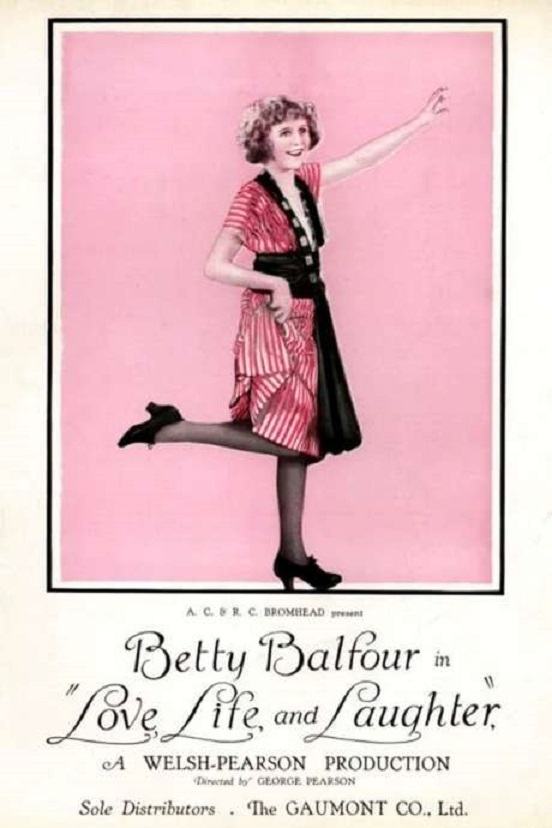
A definitive 7.1/10 rating for a film that redefined the boundaries of cult cinema. Love, Life and Laughter remains a cornerstone of transgressive art.
To witness Betty Balfour in George Pearson’s 1923 magnum opus, Love, Life and Laughter, is to observe a star at the absolute zenith of her celestial influence. Often labeled the 'British Mary Pickford,' Balfour possessed a kinetic, almost feral charm that transcended the limitations of the silent frame. In this particular work, she occupies the role of 'Tip-Toes'—a character who embodies the resilient spirit of the post-war working class. Unlike the more polished artifice found in The Beautiful Liar, Balfour’s performance here is grounded in a visceral, earthy reality that makes her eventual flights of theatrical fancy all the more poignant.
The film serves as a quintessential example of Pearson’s 'cinema-poetry,' a style that eschewed the rigid theatricality of early British film in favor of something more fluid and emotionally resonant. While many contemporary productions like Upstairs and Down focused on the frivolous machinations of the elite, Pearson turned his lens toward the garrets and the stage doors, finding a rugged beauty in the struggle for subsistence. The lighting, often harsh and unforgiving in the tenement scenes, softens into a dreamlike amber glow whenever Tip-Toes enters the frame, effectively visualizing her role as the emotional anchor of the narrative.
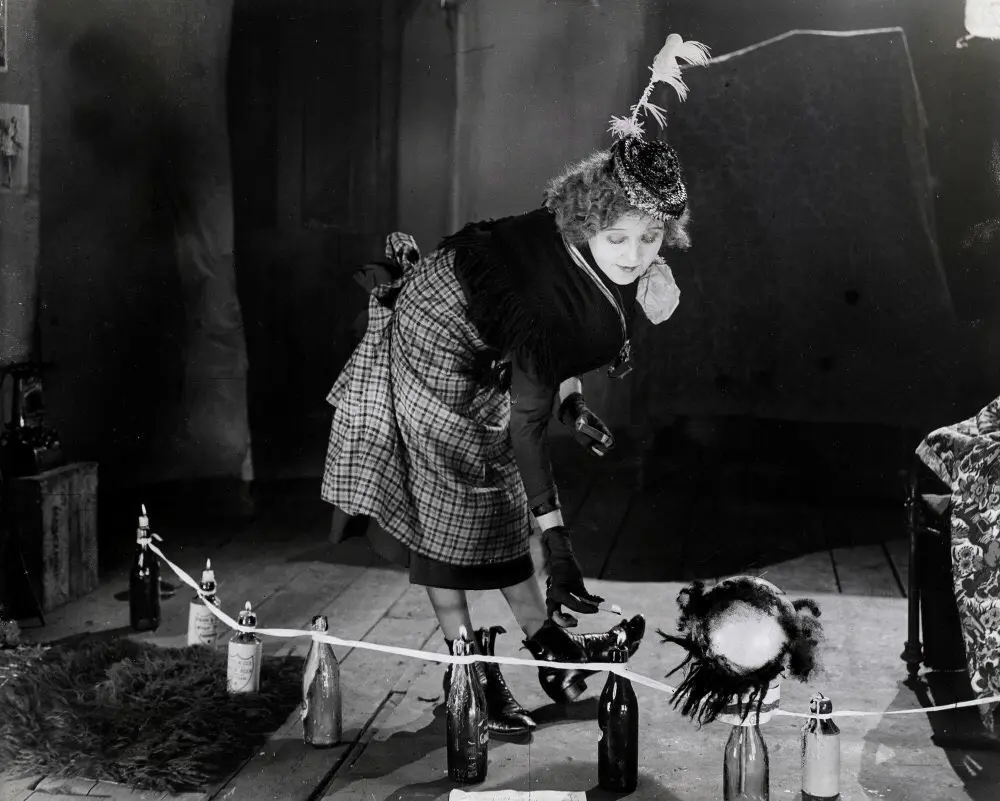
The plot, while deceptively simple, is a vehicle for a profound exploration of class and creative identity. Tip-Toes lives in a tenement house, a structure that Pearson treats as a microcosm of London itself. Her relationship with the 'Boy' (the impoverished author played with a sensitive, brooding fragility by Harry Jonas) is the film’s beating heart. They are two dreamers tethered to the earth by empty pockets. This dynamic reminds one of the social stratification explored in Society for Sale, yet Pearson injects a level of intimacy that feels almost intrusive. We are not merely observers; we are confidants to their shared poverty.
One cannot discuss this film without acknowledging the supporting cast, particularly the legendary Sydney Fairbrother and Nancy Price. Their presence adds a layer of seasoned gravitas to the proceedings, providing a counterweight to the youthful exuberance of Balfour. Where a film like Blondes might lean into the superficiality of the chorus girl trope, Pearson demands a psychological depth that was rare for the era. Every character in the tenement house feels lived-in, possessing a history that exists beyond the margins of the screen.
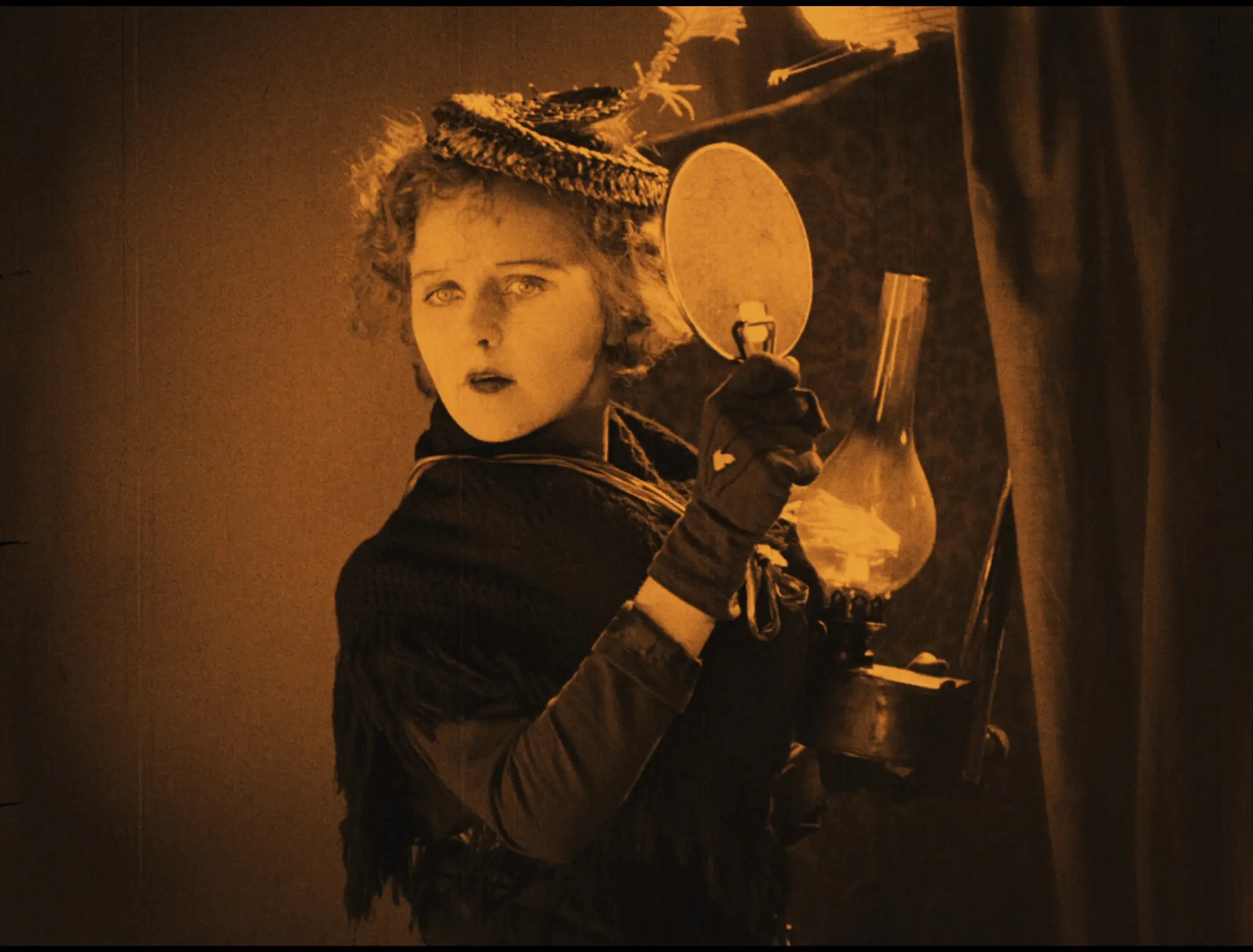
Pearson’s directorial hand is remarkably modern. He utilizes close-ups not just for clarity, but for emotional punctuation. The sequence where Tip-Toes prepares for her big break is a masterclass in tension and release. We see the sweat on the brow, the fraying edges of the costume, and the desperate hope in the eyes. It is a far cry from the fantastical elements of his earlier work, such as The First Men in the Moon. Here, the 'moon' is the spotlight, and it is just as alien and unreachable for a girl from the slums.
The cinematography captures the dualistic nature of London—the soot-choked alleys versus the gilded interiors of the music halls. This visual dichotomy reinforces the film's central theme: the impossibility of existing in two worlds simultaneously. To succeed in the light, Tip-Toes must leave the shadows of the attic behind, a choice that Pearson treats with a haunting sense of melancholy. This thematic weight is comparable to the atmospheric tension found in The Claw, though Pearson favors humanism over melodrama.
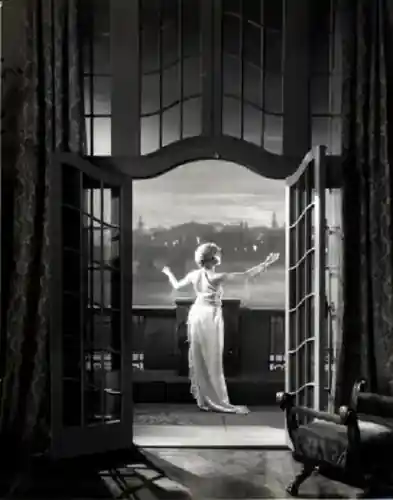
For decades, Love, Life and Laughter was a phantom of cinema history, a 'lost' film that lived only in the memories of those who saw it in 1923. Its rediscovery in a Dutch film archive in 2014 was nothing short of a miracle for cinephiles. Seeing the film now, restored to its former glory, allows us to appreciate the nuances of the tinting and the clarity of the original nitrate prints. The vibrancy of the music-hall sequences, in particular, benefits from this restoration, highlighting the intricate costume designs and the chaotic energy of the crowd scenes. It’s a stark contrast to the more somber, static frames of Le destin est maître.
The restoration also brings into sharp focus the film’s sophisticated editing. Pearson uses rhythmic cutting during the dance numbers that feels remarkably ahead of its time, mirroring the heartbeat of the protagonist. This technical prowess ensures that the film remains engaging for a modern audience, transcending the 'museum piece' status that plagues many silents. It possesses a vitality that makes contemporary efforts like Over the Transom feel somewhat pedestrian by comparison.
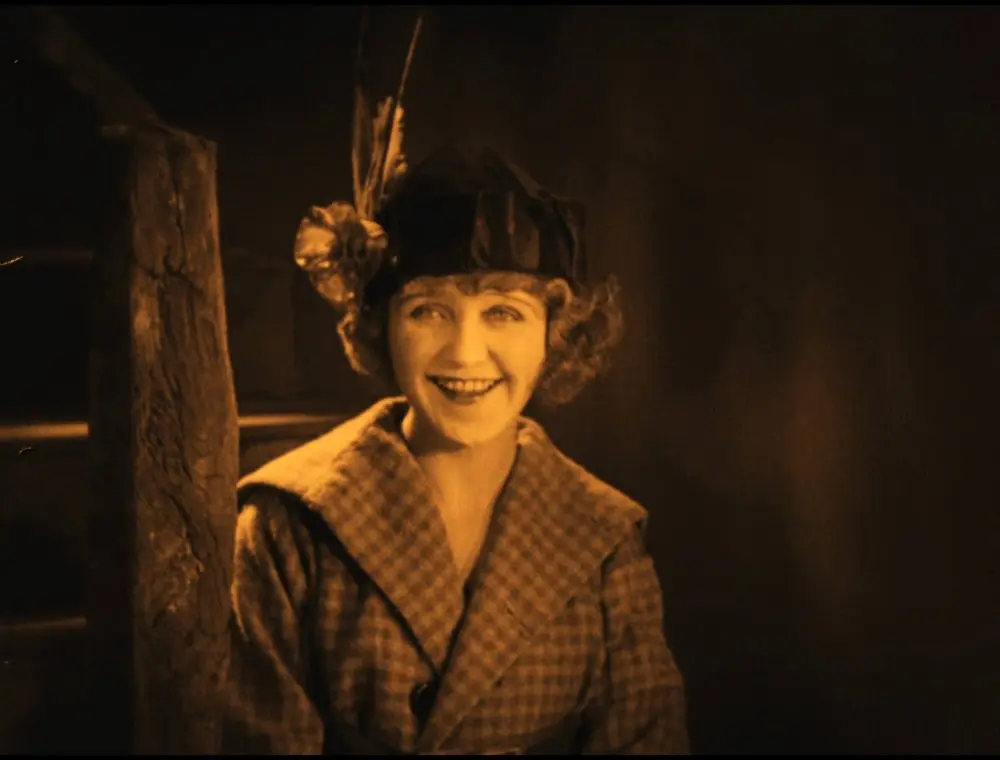
At its core, the film is a tragedy of timing. As the Boy’s literary career founders, Tip-Toes’ theatrical career flourishes. This inversion of fortune is handled with a delicate touch, avoiding the heavy-handed moralizing common in films like The Grip of Jealousy. Instead, Pearson focuses on the quiet erosion of their shared reality. The attic, once a place of communal dreaming, becomes a site of isolation. The writer’s desk, littered with rejected manuscripts, stands in silent reproach of the flowers and fan mail that now flood Tip-Toes’ life.
The film’s title—Love, Life and Laughter—is ultimately an ironic one. While there is plenty of all three, they rarely coexist in harmony. The 'Laughter' is often a mask, the 'Life' is a struggle, and the 'Love' is a burden. This complexity is what elevates the work above the standard fare of the 1920s. It shares a certain grim realism with Under the Yoke, yet it maintains a uniquely British sense of 'carrying on.' The resilience of Tip-Toes is not the resilience of a hero, but the resilience of a survivor.
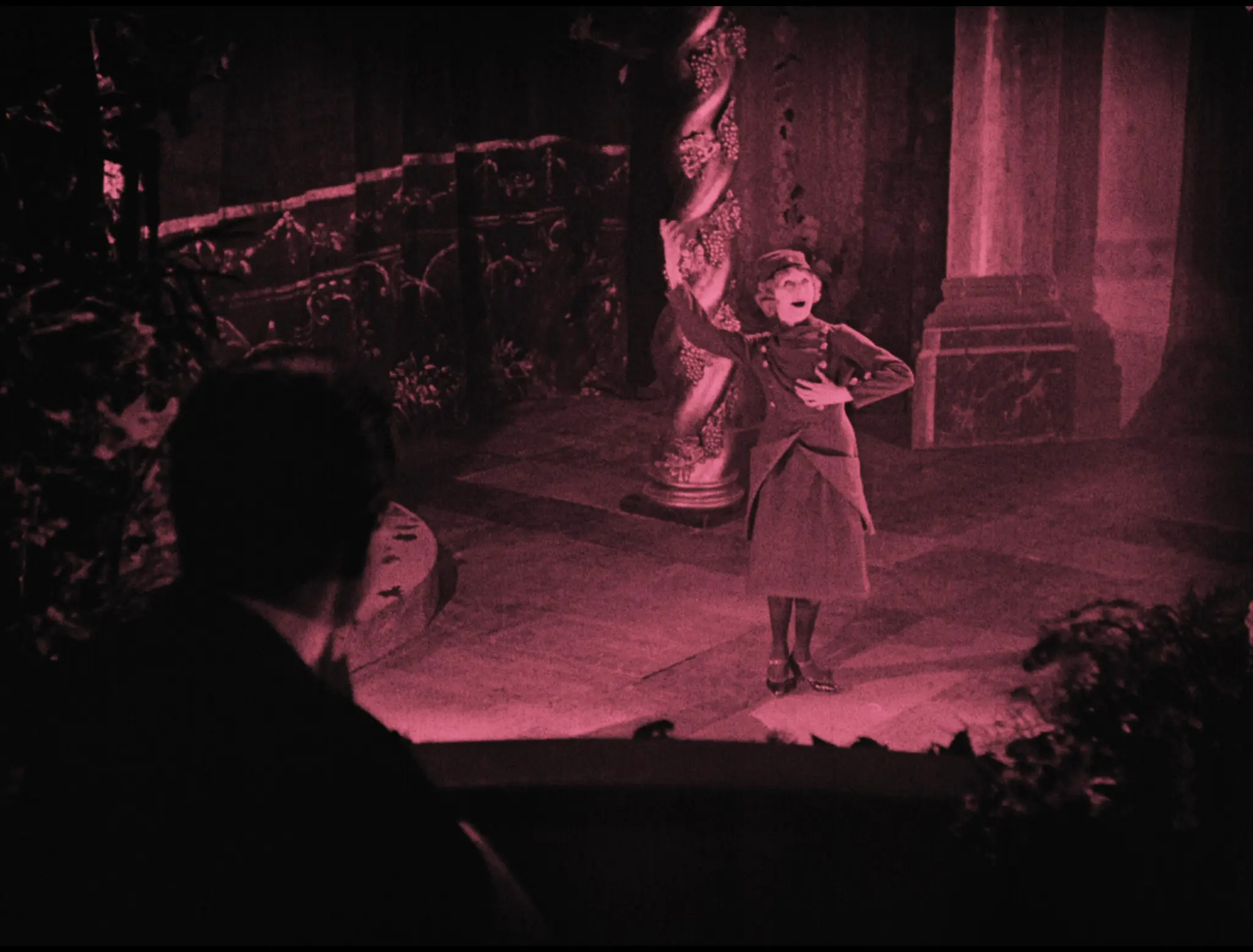
When placed alongside international contemporaries like the Hungarian Három hét or the Danish Mellem de yderste Skær, Pearson’s work stands out for its warmth. While the Europeans were mastering shadows and existential dread, Pearson was mastering the human face. He understood that a flicker of doubt in Betty Balfour's eyes was more cinematic than any elaborate set-piece. Even in his more documentary-adjacent moments, reminiscent of Fighting Along the Piave, he never loses sight of the individual soul caught in the gears of history.
The film also anticipates the 'independent woman' trope that would later be explored in Miss Crusoe or The Yankee Girl. However, Tip-Toes is not an adventurer by choice, but by necessity. Her independence is a byproduct of her environment. Balfour plays this nuance to perfection, showing us the fear that underlies her bravado. It is a performance of immense bravery, stripping away the glamour of the 'chorus girl' to reveal the weary human beneath.
Love, Life and Laughter is more than just a historical curiosity; it is a vibrant, breathing piece of art that speaks to the eternal conflict between our desires and our circumstances. George Pearson and Betty Balfour created a work that feels as urgent today as it did a century ago. The film’s final sequences, which I shall not spoil, offer a resolution that is both heartbreaking and profoundly satisfying, avoiding the easy sentimentality that defined much of the era's output.
For those who wish to understand the evolution of British cinema, this film is essential viewing. It represents a moment where the medium found its voice—not through sound, but through a sophisticated visual language that articulated the complexities of the human heart. It is a triumph of spirit over scenery, of character over artifice, and remains a crowning achievement in the annals of silent film. To watch it is to be reminded that while fame is fleeting and laughter is often temporary, the truth of a well-told story is immortal.
IMDb 7.6
1936
Community
Log in to comment.