DbcultAccessing Vault...
3.5/10
Senior Film Conservator
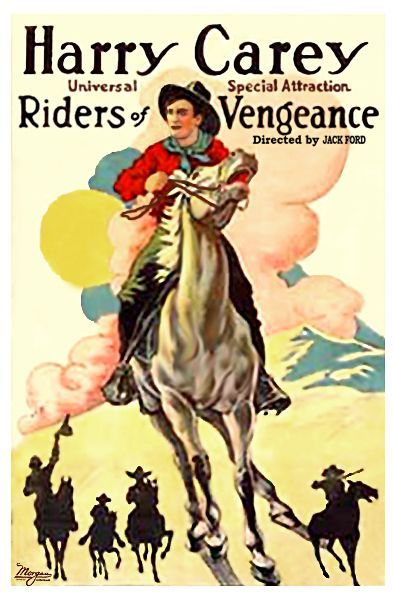
A definitive 3.5/10 rating for a film that redefined the boundaries of cult cinema. Riders of Vengeance remains a cornerstone of transgressive art.
From the dusty annals of early cinema emerges 'Riders of Vengeance' (1919), a John Ford Western that, even in its silent grandeur, speaks volumes about the human capacity for both profound love and devastating wrath. This isn't merely a tale of cowboys and outlaws; it's a stark, visceral exploration of how an unimaginable tragedy can utterly reshape a man, transforming the very fabric of his being. Penned by Eugene B. Lewis, John Ford himself, and the film's star, Harry Carey, this narrative delves into the darkest corners of the soul, leaving an indelible mark on the landscape of cinematic storytelling.
At its core, 'Riders of Vengeance' is a study in the metamorphosis of Harry, a character initially presented as a 'good-hearted outlaw.' This oxymoron itself sets the stage for a complex individual, a man living on the fringes but possessing an inherent moral compass. We meet him on the precipice of a new life, about to marry and, presumably, settle into a domestic existence. The promise of this future, however, is brutally snatched away in a single, horrifying act of violence. The wedding, a symbol of hope and new beginnings, becomes a bloody altar of sacrifice as his bride, mother, and father are mercilessly slaughtered. This pivotal moment is not just a plot device; it's the genesis of an entirely new identity for Harry. His grief isn't a quiet sorrow; it's a roaring inferno that consumes his former self, leaving behind a grim, malevolent husk driven by an singular purpose: vengeance.
The film excels in portraying this psychological shift without a single spoken word. Harry Carey, a titan of the silent era, conveys the depth of his character's agony and subsequent hardening through nuanced facial expressions and body language. His transformation from a man capable of warmth to a figure of cold, calculating retribution is chillingly effective. This isn't just a simple revenge flick; it’s a profound character study, reminiscent in its emotional intensity to other dramas of the period like The Mad Lover, where internal turmoil often dictated external action and fate.
Under the nascent direction of John Ford, 'Riders of Vengeance' showcases the burgeoning talent that would later define the American Western. Even at this early stage of his career, Ford demonstrates a remarkable command of visual storytelling, using the vast, unforgiving landscapes to mirror Harry's internal desolation. The silent medium, far from being a limitation, amplifies the raw emotion and stark brutality of the narrative. Ford’s camera lingers on moments of quiet despair and explosive violence, allowing the audience to feel the weight of Harry’s loss and the intensity of his subsequent quest. This film, alongside others from the era like Laws and Outlaws, helped solidify the visual grammar and thematic preoccupations that would become synonymous with the Western genre. The stark moral lines, the struggle against overwhelming odds, and the inherent violence of the frontier are all present and powerfully articulated.
Ford's direction here is economical yet impactful. He understands the power of a well-framed shot, a significant gesture, or a prolonged gaze to convey complex emotions without dialogue. This skill would become a hallmark of his later, more celebrated works, but its origins are clearly visible in 'Riders of Vengeance.' The film’s pacing, while perhaps slower by modern standards, allows the emotional beats to resonate, giving weight to Harry’s transformation. It avoids the frantic cutting that sometimes characterized other silent films, opting instead for a more deliberate, almost contemplative rhythm that enhances the tragic undertones.
While Harry Carey dominates the screen, the supporting cast provides crucial texture to this grim narrative. Betty Schade, Millard K. Wilson, Clita Gale, Vester Pegg, Joe Harris, Alfred Allen, Seena Owen, Jennie Lee, and J. Farrell MacDonald all contribute to the film’s authenticity. Seena Owen, in particular, often brought a compelling presence to her roles, and here her performance, however brief, likely adds to the tragic impact of the wedding scene. J. Farrell MacDonald, a frequent collaborator with Ford, also brings his characteristic gravitas to his role, grounding the often-larger-than-life Western archetypes in believable human emotion. These actors, through their skilled pantomime and expressions, are instrumental in building a credible world where such profound suffering and relentless pursuit of justice can unfold. Their collective effort ensures that the emotional stakes remain high, drawing the audience into Harry's solitary, vengeful quest.
The interplay between Harry and the antagonists, often portrayed by actors like Millard K. Wilson, is crucial. The film establishes a clear distinction between good and evil, albeit with Harry himself blurring the lines as he embraces a darker persona. This stark dichotomy is a common trope in early Westerns, seen in films such as The Broken Law, but 'Riders of Vengeance' complicates it by showing the hero's own moral compromise. The supporting players are not merely background figures; they are integral to shaping the environment and the challenges Harry faces, whether as allies, victims, or the very targets of his wrath. Their reactions and interactions serve to highlight Harry's isolation and his singular focus, making his journey all the more compelling and tragic.
'Riders of Vengeance' transcends the confines of a mere revenge narrative by delving into deeper philosophical questions about justice, morality, and the corrupting influence of hatred. Is Harry’s quest for retribution justifiable, or does it merely perpetuate a cycle of violence? The film doesn't offer easy answers, instead portraying the grim toll that such a path exacts. It forces the audience to confront the uncomfortable truth that even a 'good-hearted' man can be driven to malevolence when stripped of everything he holds dear. This exploration of moral ambiguity, though subtly conveyed in the silent era, is remarkably sophisticated for its time, setting it apart from more straightforward adventure tales like Into the Primitive or even the lighter fare of High Spots of Hawaii, which prioritize spectacle or escapism over profound character study.
The film also touches upon the brutal realities of frontier life. This wasn't a romanticized West; it was a place where life was cheap, and justice often had to be carved out with one’s own hands. The swiftness and brutality of the attack on Harry's wedding underscore this harsh reality. There were no elaborate legal systems to turn to, only the raw, primal instinct for survival and retribution. This aspect aligns it with other gritty dramas of the time, such as Driftwood, which often depicted characters struggling against indifferent or hostile environments. The silence of the film further emphasizes the isolation of Harry's journey, making his personal vendetta feel like a solitary battle against an entire cruel world.
'Riders of Vengeance' stands as a crucial early work in John Ford's monumental filmography and a testament to Harry Carey's acting prowess. It's a film that, despite its age and silent format, continues to resonate with themes that are timeless and universally understood: love, loss, grief, and the consuming fire of revenge. For cinephiles interested in the evolution of the Western genre or the early works of legendary directors, this film offers invaluable insights. It’s a far cry from the lightheartedness of a film like The Song and the Sergeant or the exoticism of The Jungle Child, instead carving out a niche for itself as a foundational revenge Western.
The collaborative writing effort between Lewis, Ford, and Carey likely contributed to the film's depth. Carey, as a seasoned actor and co-writer, would have brought a profound understanding of character motivation to the script, while Ford's developing directorial vision shaped its cinematic realization. This synergy is evident in the coherent and impactful narrative, demonstrating that even in the nascent stages of filmmaking, a strong creative team could produce works of lasting artistic merit. The film's influence can be traced through countless subsequent Westerns and revenge thrillers, showcasing how early works like this established conventions that would be revisited and reinterpreted for decades.
Comparing 'Riders of Vengeance' to its contemporaries reveals its distinctiveness. While films like The Question might have explored moral dilemmas, few did so with the raw, visceral intensity of Harry's journey. It eschews the more fantastical elements sometimes found in films of the period, such as Fairy of Solbakken, or the social commentary present in De Luxe Annie, to focus squarely on the psychological impact of extreme violence and loss. It’s a narrative that pulls no punches, portraying the brutal consequences of a world without law and the profound personal cost of taking justice into one's own hands. This unwavering focus on human suffering and resilience is what makes it such a compelling watch even today.
'Riders of Vengeance' is more than a historical artifact; it's a potent piece of cinema that explores the dark undercurrents of the human spirit when pushed to its absolute breaking point. Harry Carey delivers a performance that is both heartbreaking and terrifying, guided by John Ford's developing mastery of the Western genre. It's a film that reminds us of the power of silent storytelling, where every gesture, every expression, and every visual cue carries immense narrative weight. For those who appreciate the foundational works of American cinema, and particularly the Western, this film offers a profound, albeit grim, experience. It stands as a powerful testament to the enduring allure of stories about retribution, love lost, and the transformation of a soul, a narrative thread that connects it to the epic scope of tales like A Tale of the Australian Bush in its raw depiction of frontier justice, or the dramatic intensity of The Bride of Fear in its exploration of traumatic events. The film’s unflinching gaze into the abyss of Harry’s vengeance makes it a compelling, if disquieting, viewing experience that continues to resonate with its raw emotional power. It’s a crucial stepping stone in the evolution of the Western, laying groundwork for countless tales of justice and revenge, demonstrating that even in its earliest forms, cinema could grapple with the most profound and unsettling aspects of the human condition. It certainly doesn't offer the glitter of The Golden Shower or the theatricality of A Roadside Impresario, but rather a gritty, authentic slice of frontier drama that leaves a lasting impression on the viewer's psyche.
IMDb 6.9
1934
Community
Log in to comment.