Is 'Love Makes 'Em Wild' worth watching today? Short answer: yes, but with significant caveats that demand a particular kind of viewer. This silent-era romance, a relic from a bygone cinematic age, offers a fascinating glimpse into early filmmaking and the universal themes of passion versus practicality. It is a film for those who appreciate the historical significance of cinema, the raw artistry of silent performances, and narratives that, despite their age, still echo with human truths.
However, it is decidedly not for audiences seeking fast-paced plots, complex dialogue, or the polished realism of contemporary storytelling. Its pacing is deliberate, its melodrama overt, and its narrative conventions firmly rooted in the 1920s. Approach it with an open mind and an appreciation for its context, and you might just find something genuinely affecting.
A Glimpse into the Past: What Works and What Doesn't
Early cinema often feels alien to modern eyes, yet 'Love Makes 'Em Wild' manages to bridge some of that gap through sheer emotional conviction. It works. But it’s flawed.
This film works because of its surprisingly robust performances, particularly from Florence Gilbert, who imbues her character with a palpable inner turmoil that transcends the limitations of silent acting. The direction, while occasionally heavy-handed, often finds moments of genuine visual poetry, using close-ups and dramatic staging to convey complex emotions.
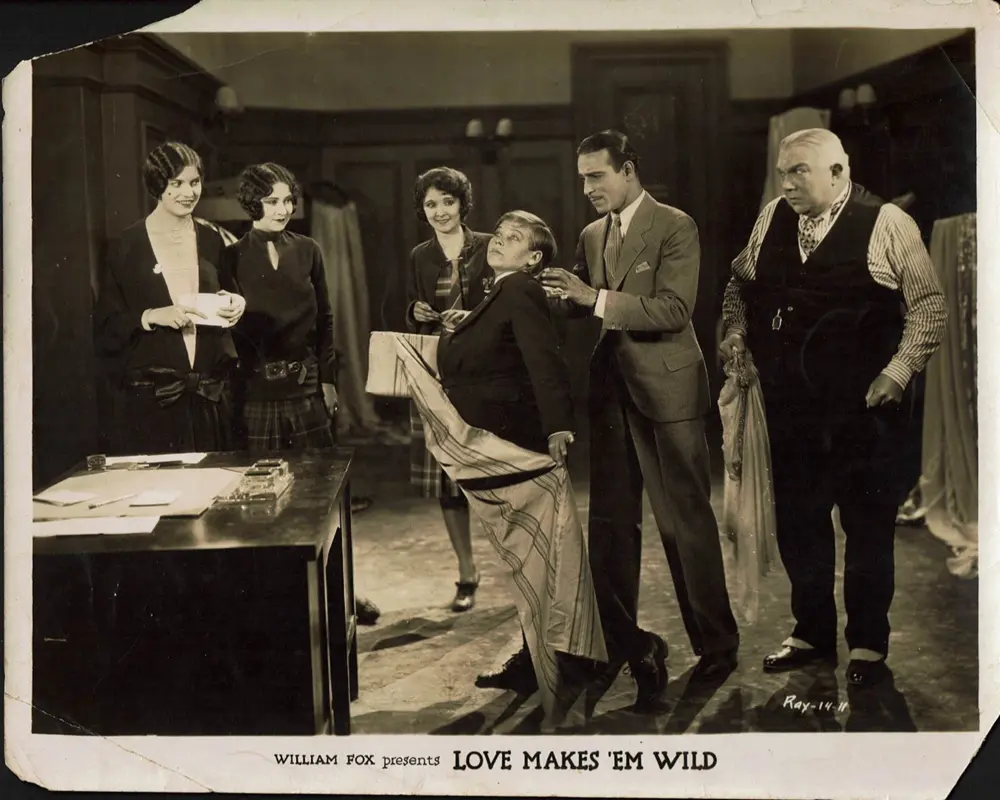
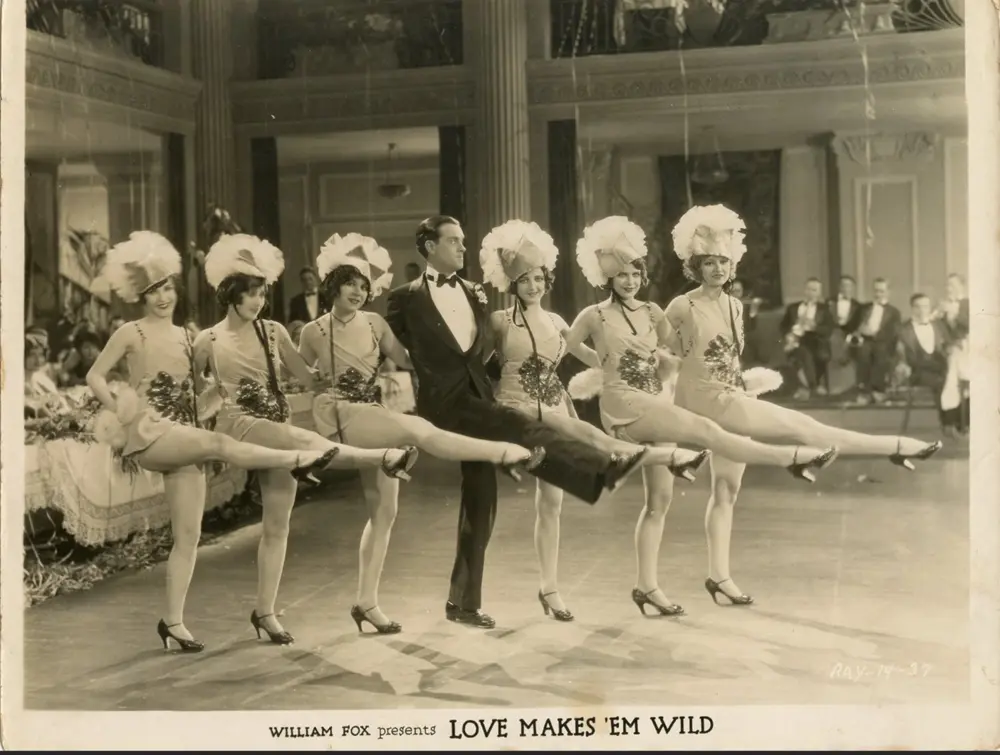
Scene from Love Makes 'Em Wild
Cinematic perspective: Exploring the visual vocabulary of Love Makes 'Em Wild (1927) through its definitive frames.
This film fails because its narrative predictability and reliance on well-worn melodramatic tropes can test the patience of even the most dedicated classic film enthusiast. The editing, at times, feels disjointed, lacking the fluidity that would later define more sophisticated silent features.
You should watch it if you are a student of film history, a fan of early Hollywood, or someone curious about how foundational romantic narratives were constructed without spoken words. It’s an essential piece for understanding the evolution of the genre.
The Unspoken Drama: Performance and Character
In the silent era, an actor's face was their most potent weapon, and Florence Gilbert, as Lily, wields hers with remarkable precision. Her wide, expressive eyes communicate volumes – the flutter of initial doubt, the spark of forbidden desire, the agony of a choice that will forever alter her path. It’s a performance that grounds the film's more extravagant melodramatic flourishes, making Lily’s internal struggle feel genuinely human.
Noah Young, in contrast, plays the 'wild' suitor with a brooding intensity that is both alluring and slightly menacing. He’s the antithesis of the respectable world Lily inhabits, a force of nature rather than a man of society. Their scenes together crackle with an undeniable chemistry, largely due to Young's physical presence and Gilbert's reactive vulnerability. You can almost feel the heat of their illicit connection.
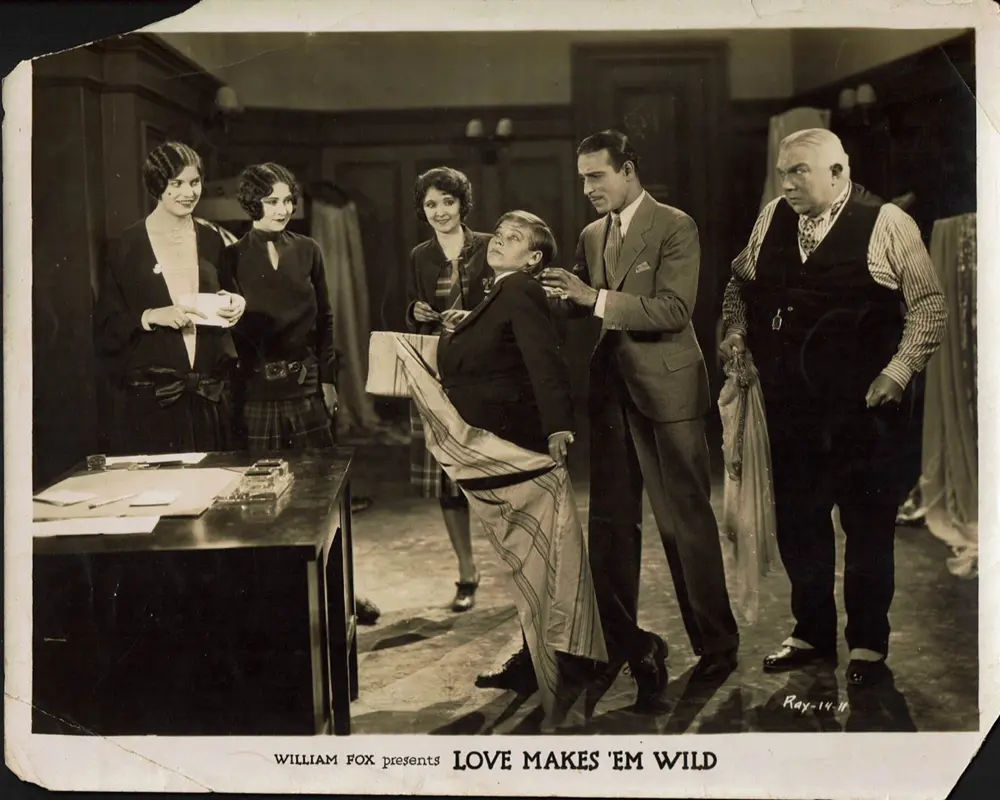
Scene from Love Makes 'Em Wild
Cinematic perspective: Exploring the visual vocabulary of Love Makes 'Em Wild (1927) through its definitive frames.
Ben Bard, as the 'safe' option, is appropriately earnest and somewhat bland. His portrayal is effective in highlighting the stark contrast between the two romantic leads, making Lily’s eventual choice feel less like a whim and more like an existential decision. The supporting cast, including stalwarts like J. Farrell MacDonald, provides solid, if sometimes caricatured, portrayals of the societal pressures bearing down on Lily.
One surprising observation is how well the ensemble, despite the era's often broad acting styles, manages to create a believable small-town dynamic. The subtle glances and exaggerated gestures, while not always nuanced by today's standards, collectively paint a vivid picture of a community watching, judging, and ultimately influencing Lily's fate.
Directorial Vision and Cinematographic Choices
The direction in 'Love Makes 'Em Wild' is emblematic of its time – a blend of theatrical staging and nascent cinematic language. There are moments of striking visual storytelling, such as a scene where Lily gazes out of a window, her face partially obscured by shadows, symbolizing her internal conflict and the barriers society places upon her desires. This use of light and shadow, though perhaps unintentional in its depth, is surprisingly effective.
However, the film also suffers from some of the common pitfalls of early cinema. The pacing can be uneven, with lengthy sequences dedicated to establishing minor plot points that could have been condensed. Intertitles, while necessary, sometimes feel redundant, explaining emotions that Gilbert's face already conveys with far greater eloquence. A more confident director might have trusted the visual more.
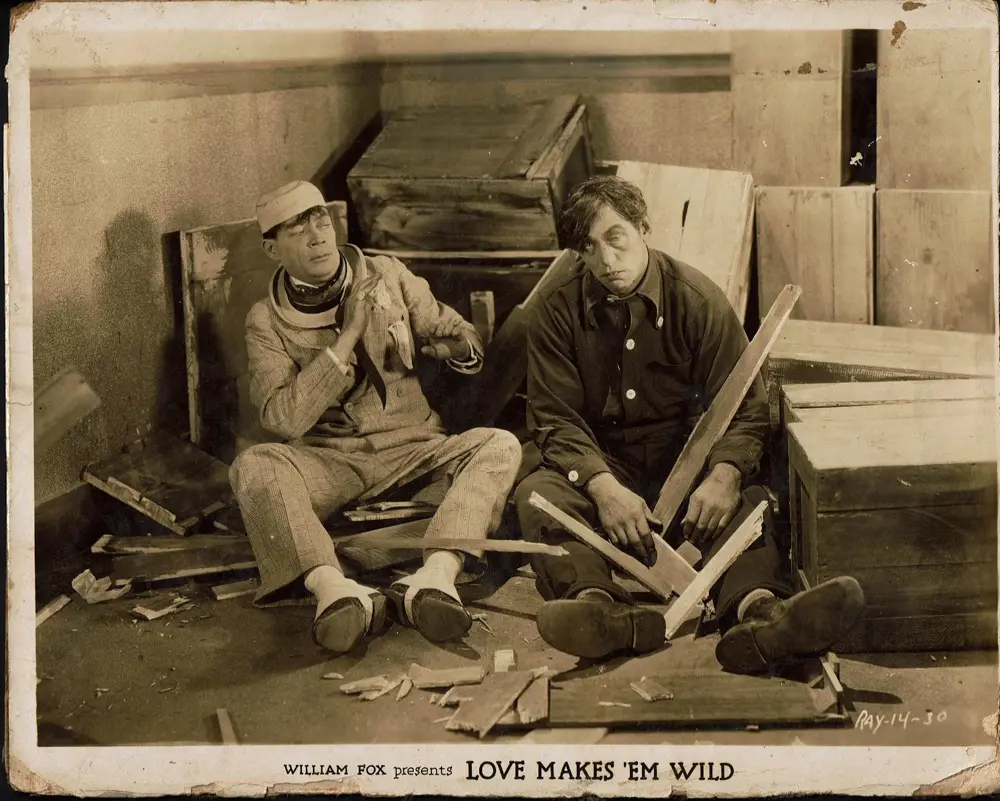
Scene from Love Makes 'Em Wild
Cinematic perspective: Exploring the visual vocabulary of Love Makes 'Em Wild (1927) through its definitive frames.
Cinematography, while not groundbreaking, effectively captures the mood. Outdoor scenes often possess a raw, untamed quality that mirrors the 'wild' elements of the plot, contrasting sharply with the more static, formal interiors. The camera work is mostly functional, favoring medium shots and clear compositions, but occasionally a bolder angle or tracking shot hints at the visual innovations that were just around the corner in cinema. Consider the dynamic shot during a chase scene, a clear precursor to the more elaborate sequences seen in The Forbidden Range, released around the same period, which showcased similar advancements in action cinematography.
Thematic Resonance and Tone
The central theme of 'Love Makes 'Em Wild' – the conflict between duty and desire – is as old as storytelling itself, yet it finds a potent expression here. The film explores how societal expectations, particularly for women, can stifle genuine emotion, and how the pursuit of true love often demands a radical break from convention. It’s a strong argument for following one’s heart, even if the path is fraught with peril.
The tone is overtly melodramatic, swinging between moments of tender romance, tense familial conflict, and genuine peril. This isn't a subtle film; it wants you to feel every pang of Lily's heartache and every thrill of her rebellion. While some modern viewers might find this over-the-top, it’s crucial to remember that this intensity was a hallmark of silent drama, designed to engage audiences without the benefit of spoken dialogue or complex sound design.
One of the film's most debatable opinions is its rather simplistic portrayal of the 'wild' man as inherently good despite his rough exterior. While it serves the narrative, it skirts the complexities of such a character, opting for a clear-cut 'bad boy with a heart of gold' archetype. This makes the moral dilemma for Lily less about his true character and more about societal perception, which feels like a missed opportunity for deeper exploration.
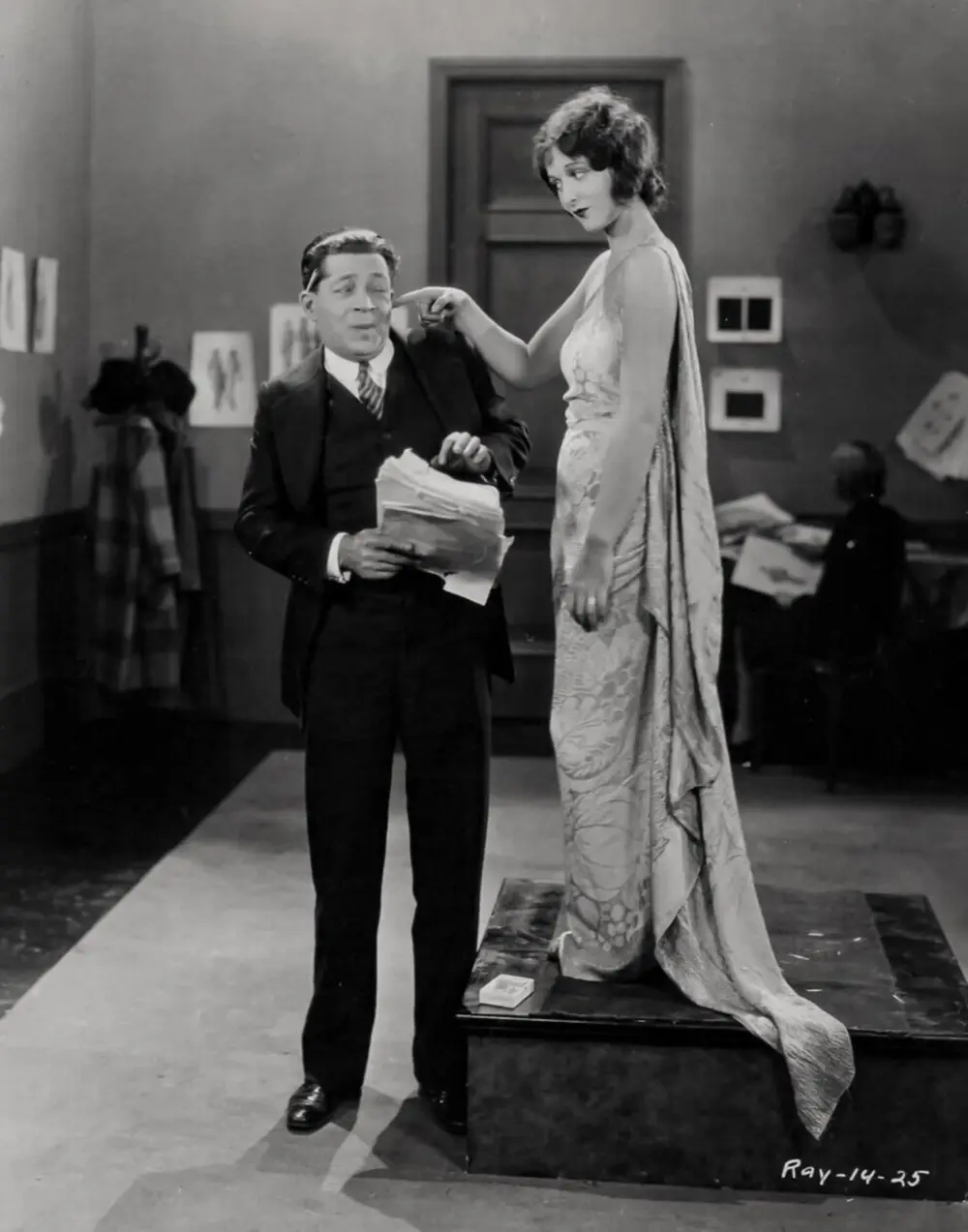
Scene from Love Makes 'Em Wild
Cinematic perspective: Exploring the visual vocabulary of Love Makes 'Em Wild (1927) through its definitive frames.
Pacing and Editing: A Silent Symphony's Rhythm
The pacing of 'Love Makes 'Em Wild' is a fascinating study in early cinematic rhythm. It oscillates between scenes that feel exquisitely drawn out, allowing emotions to simmer, and others that rush by with an almost frantic energy. The initial setup, establishing Lily's life and her two suitors, is quite deliberate, building a foundation of emotional context.
However, once the central conflict ignites, particularly after Lily makes her decisive choice, the film gains momentum. The editing, handled by a team that understood the power of visual juxtaposition, uses cross-cutting to heighten tension during moments of crisis, such as a frantic search or a dramatic confrontation. While not as sophisticated as the rapid-fire editing we might see in, say, A Burglar for a Night, which used quick cuts for comedic effect, 'Love Makes 'Em Wild' uses its cuts to drive emotional impact.
Despite these stronger moments, there are stretches where the film drags, particularly when secondary characters are given too much screen time for exposition that could have been conveyed visually. This unevenness is perhaps the biggest hurdle for contemporary viewers, demanding patience and a willingness to adjust to a different narrative tempo.
Is 'Love Makes 'Em Wild' Worth Watching Today?
Absolutely, but with a critical eye and an appreciation for its place in film history. This is not a film for casual viewing if you're unfamiliar with silent cinema. It requires engagement, a willingness to interpret visual cues, and an understanding of the theatrical conventions that influenced early film.
For silent film enthusiasts, it's a solid entry, showcasing strong performances and a compelling, if familiar, narrative. Its exploration of love's untamed nature holds up surprisingly well, proving that some stories are truly timeless.
Key Takeaways
Best for: Silent film aficionados, students of early cinema, and those interested in romantic melodrama.
Not for: Viewers seeking modern pacing, complex dialogue, or subtle narratives.
Standout element: Florence Gilbert's emotionally resonant performance, carrying the film's core through pure expression.
Biggest flaw: Predictable plot beats and occasionally sluggish pacing that can detract from its emotional punch.
Pros and Cons
Pros:
Strong Lead Performances: Florence Gilbert delivers a captivating, emotionally rich portrayal of Lily.
Timeless Themes: The conflict between love and societal expectation remains universally resonant.
Historical Significance: A valuable artifact for understanding early romantic drama and silent film techniques.
Visual Storytelling: Despite technical limitations, the film finds moments of striking visual clarity and emotional depth.
Genuine Chemistry: The dynamic between Gilbert and Young is palpable, driving the romantic core.
Cons:
Predictable Plot: The narrative follows a fairly conventional arc, offering few surprises.
Uneven Pacing: Some scenes drag, while others feel rushed, creating an inconsistent rhythm.
Overt Melodrama: The emotional beats are often exaggerated, which might alienate modern viewers.
Simplistic Characterization: Supporting roles and even the 'wild' suitor lack deeper psychological complexity.
Redundant Intertitles: Occasionally, intertitles state what the actors' expressions already convey, breaking immersion.
Verdict
"Love Makes 'Em Wild" stands as a compelling, if imperfect, testament to the power of silent cinema. It’s a film that demands a certain generosity from its audience, a willingness to engage with its historical context and its particular brand of melodrama. What it lacks in narrative originality or sophisticated pacing, it largely makes up for with the raw, emotional power of its central performances, particularly Florence Gilbert's.
It's a valuable piece for anyone looking to understand the foundations of cinematic romance and the art of non-verbal storytelling. While it won't appeal to everyone, those who venture into its silent depths will find a surprisingly potent story about the transformative, often disruptive, force of love. It reminds us that even without a single spoken word, the heart's yearning can still roar.