DbcultAccessing Vault...
6.2/10
Senior Film Conservator
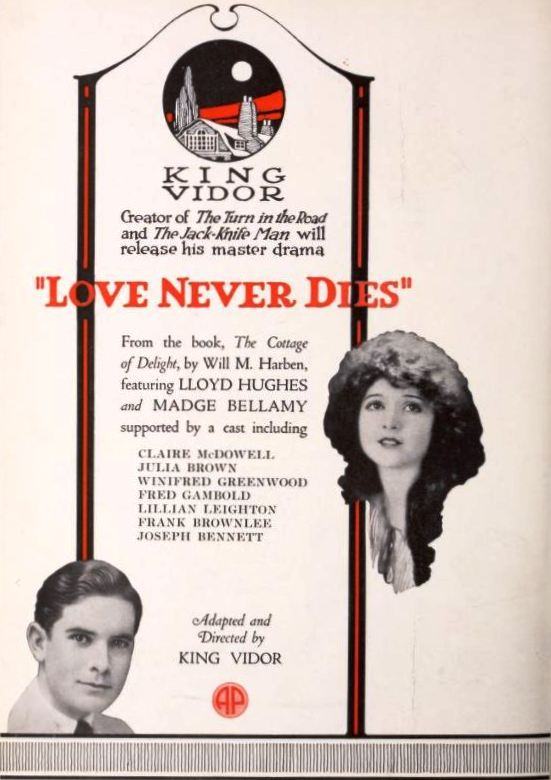
A definitive 6.2/10 rating for a film that redefined the boundaries of cult cinema. Love Never Dies remains a cornerstone of transgressive art.
The cinematic tapestry of Love Never Dies is woven with intricate threads of love, deception, and tragedy, set against the backdrop of a bygone era. As the story unfolds, the audience is transported to a world where social conventions and family expectations often suffocate individual desires and happiness. The film's narrative is a poignant reminder that the past can be a formidable obstacle to overcome, and that the consequences of our actions can have far-reaching and devastating effects.
The character of John, played by Lloyd Hughes, is a complex and multidimensional figure, driven by a deep-seated desire for love and acceptance. His relationship with Tilly, portrayed by Julia Brown, is tender and passionate, yet fragile and vulnerable to the manipulations of those around them. As the story progresses, John's world is shattered by the cruel hand of fate, and he is forced to confront the harsh realities of his existence.
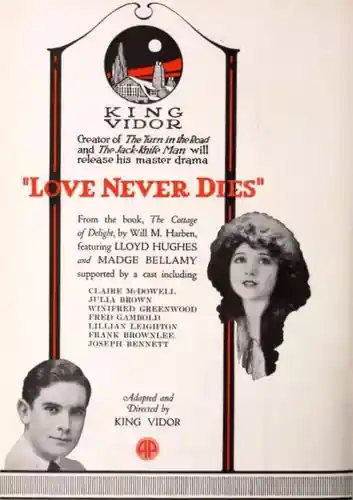
The cinematography in Love Never Dies is noteworthy, with each frame meticulously crafted to evoke a sense of nostalgia and longing. The use of lighting and shadows is particularly effective in conveying the emotional depth of the characters, and the overall visual aesthetic is reminiscent of a bygone era. The film's pacing is well-balanced, with a narrative that flows effortlessly from one scene to the next, drawing the viewer into the world of the story.
In comparison to other films of the era, such as Love Never Dies and Black Friday, the cinematography in Love Never Dies is more refined and sophisticated. The film's use of camera angles and composition is more deliberate and intentional, creating a visual language that is both poetic and evocative. The overall effect is a cinematic experience that is both haunting and beautiful, with a narrative that lingers in the mind long after the credits have rolled.
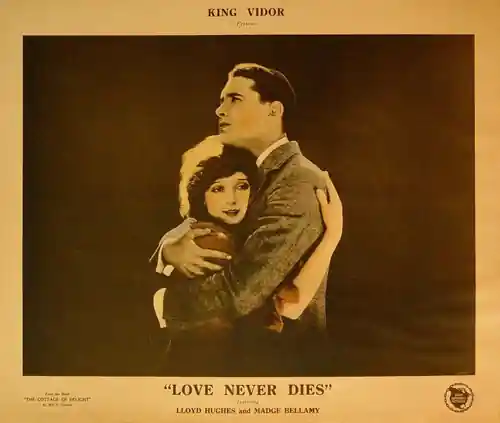
The themes of love and deception are timeless, and the film's exploration of these themes is both nuanced and thought-provoking. The character of Tilly's father, played by Frank Brownlee, is a masterful portrayal of a man driven by a desire to control and manipulate those around him. His actions are both reprehensible and understandable, making him a complex and multifaceted figure. The film's portrayal of the consequences of his actions is a powerful commentary on the destructive nature of deceit and the devastating effects it can have on those who are deceived.
The supporting cast in Love Never Dies is equally impressive, with standout performances from Winifred Greenwood and Georgia Sherart. The chemistry between the actors is palpable, and the overall ensemble is well-balanced and effective. The film's use of dialogue is economical and precise, with each line carefully crafted to reveal character and advance the plot. The overall effect is a cinematic experience that is both engaging and immersive, with a narrative that draws the viewer into the world of the story.

In conclusion, Love Never Dies is a film that is both a product of its time and a timeless classic. Its exploration of the human condition is both poignant and thought-provoking, and its cinematography is a masterpiece of visual storytelling. The film's use of themes and motifs is both deliberate and intentional, creating a narrative that is both haunting and beautiful. As a work of cinematic art, Love Never Dies is a must-see for anyone who appreciates the power of film to capture the human experience.
The film's historical context is also noteworthy, with Love Never Dies being released in 1921, a time of great social change and upheaval. The film's portrayal of the social conventions and expectations of the time is both accurate and thought-provoking, offering a glimpse into a bygone era. The film's use of costumes and production design is also impressive, with each detail carefully crafted to evoke a sense of authenticity and period accuracy.
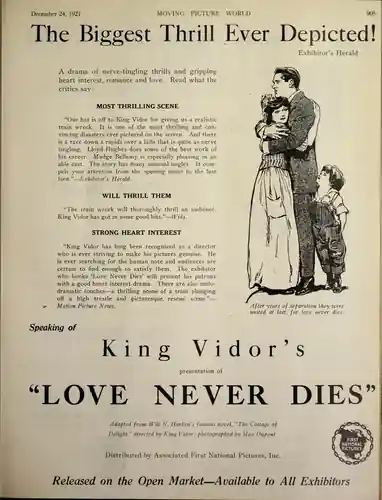
For fans of silent cinema, Love Never Dies is a must-see, offering a unique glimpse into the art of storytelling during the silent era. The film's use of title cards and intertitles is both effective and economical, conveying the necessary information to advance the plot. The overall effect is a cinematic experience that is both engaging and immersive, with a narrative that draws the viewer into the world of the story. A Circus Romance and Oliver Twist are also recommended for fans of the genre, offering a similar blend of drama and romance.
In terms of its place within the broader cinematic landscape, Love Never Dies is a significant film that offers a unique perspective on the human experience. The film's exploration of the themes of love and deception is both nuanced and thought-provoking, and its cinematography is a masterpiece of visual storytelling. The film's use of motifs and themes is both deliberate and intentional, creating a narrative that is both haunting and beautiful. As a work of cinematic art, Love Never Dies is a must-see for anyone who appreciates the power of film to capture the human experience.
IMDb —
1915
Community
Log in to comment.