DbcultAccessing Vault...
Cult Review
Senior Film Conservator
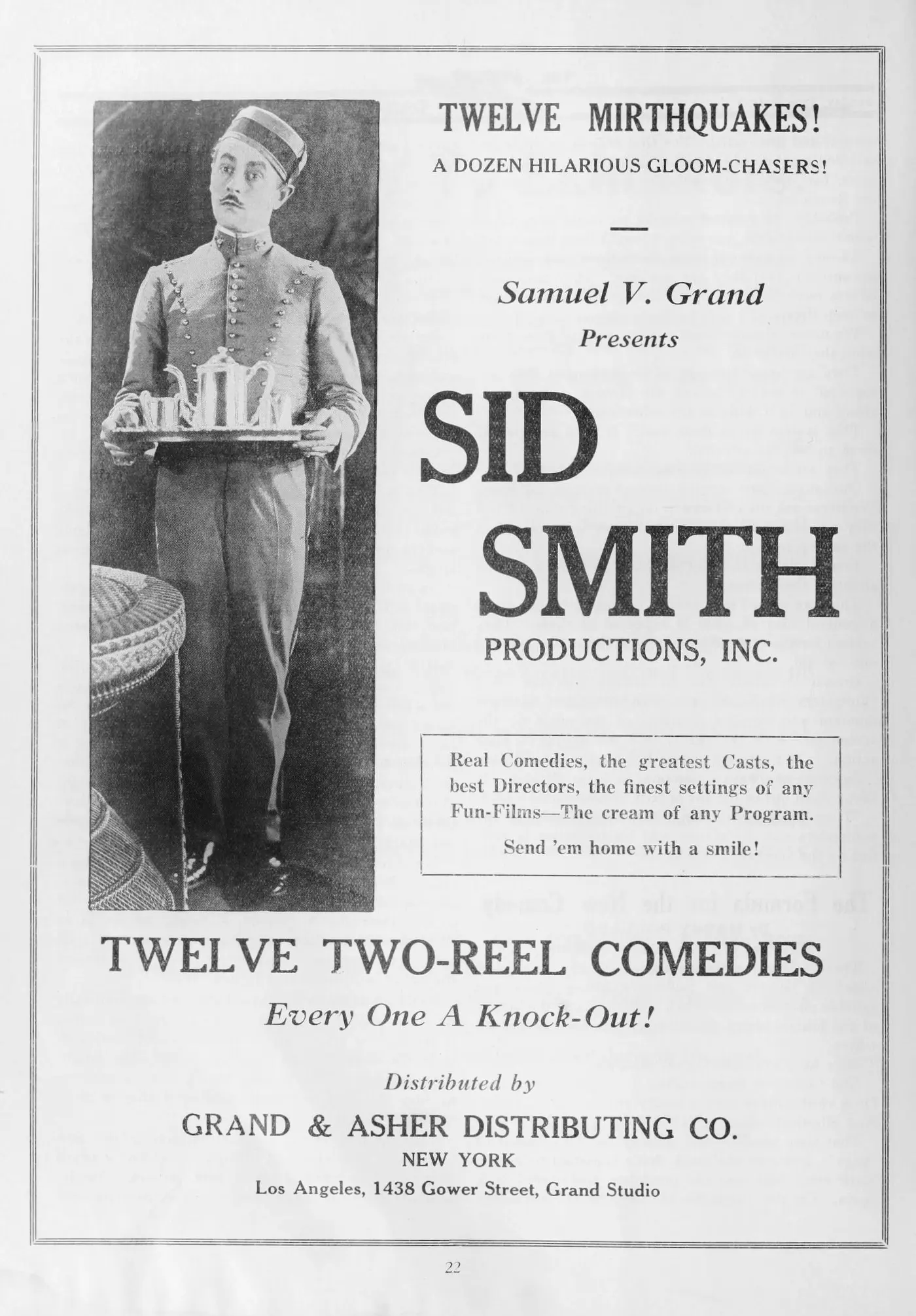
The silent era of cinema often operated as a fever dream of physical comedy and social anxiety, and few artifacts capture this intersection as vibrantly as Tin Can Alley. Sidney Smith, a performer whose kinetic energy often rivals the more canonized giants of the slapstick pantheon, delivers a performance that is both a scathing indictment of moral posturing and a masterclass in the choreography of chaos. The film functions not merely as a relic of 1917 but as a sophisticated piece of visual storytelling that understands the inherent comedy in the failure of idealistic reform.
The opening movements establish a world of stark contrasts. We see Sid, the wide-eyed lecturer, attempting to transplant the rigid morality of the temperance movement into a neighborhood that breathes the fumes of the very spirits he seeks to banish. This isn't the polished, sanitized version of poverty often seen in later Hollywood productions; there is a certain visceral grit to the setting that reminds one of the atmospheric tension found in Pure Grit. The neighborhood is a character in itself—a labyrinth of alleys and tenements where the law of the bottle reigns supreme.
The Olfactory Twist
The narrative's central conceit—Sid becoming a magnet for the masses because he smells of alcohol—is a stroke of comedic genius that predates many of the sophisticated farces of the 1920s. When prohibition officers empty liquor into the street, the resulting deluge becomes the catalyst for Sid’s transformation. His fall into the spirits is a baptism into the world he hates, and the subsequent chase, where a thirsty congregation follows him like a messiah of the malt, provides some of the film's most enduring imagery. It is a sequence that echoes the frantic energy of Call a Taxi, yet it carries a heavier satirical weight.
Smith's physicality is the engine that drives the second act. After the disappointment of his "audience"—who depart the moment they realize his tent offers sermons rather than sips—the film shifts gears into a proto-thriller. The introduction of the two crooks and the enigmatic girl (played with a captivating mix of desperation and guile by Duane Thompson) elevates the stakes. The request to retrieve a black bag from a confederate at the train station introduces a layer of suspense that feels surprisingly modern. It’s a plot device that shares a DNA with the serialized tension of Fantomas - On the Stroke of Nine, albeit filtered through a comedic lens.
The sequence involving the billboard reward and Sid's subsequent paranoia is a brilliant exploration of the "guilty conscience" trope. Once he believes he is in possession of stolen securities, every shadow becomes a threat and every bystander a potential witness. The way Smith handles the bag—alternately trying to discard it and finding himself inextricably tied to it—is a metaphor for the inescapable nature of sin that his character was so eager to preach against. This psychological depth is rare for short-form comedy of this period, distinguishing it from more straightforward romps like A Pair of Sixes.
"In Tin Can Alley, the architecture of the city becomes a playground for desperation. The rooftops are not just settings for a chase; they are the high-wire act of a man caught between the law he respects and the chaos he has inadvertently invited."
As the police pursuit begins, the cinematography takes on a frantic, almost expressionistic quality. The rooftop chase is a highlight of early stunt work, showcasing a level of daring that would later define the careers of Keaton and Lloyd. There is a sense of genuine peril as Sid navigates the heights, a quality that reminds me of the rugged landscapes in Bull Arizona - The Legacy of the Prairie. The verticality of the chase emphasizes Sid's isolation; he is literally above the society he tried to reform, yet he is more entangled in its vices than ever before.
The climax, involving the switch of bags and the ultimate revelation of the dynamite, is a masterclass in subverting expectations. Throughout the film, we are led to believe the bag contains securities—wealth that could change Sid's life or validate his struggle. Instead, the bag contains destruction. When he throws it to the crooks, he isn't just handing over the "loot"; he is unknowingly delivering a literal explosion. The resulting blast is a punctuating mark on the film's cynical worldview: in Tin Can Alley, the only thing that truly settles a dispute is total annihilation. This explosive finale bears a thematic resemblance to the high-stakes drama found in Michael Strogoff, though its execution remains firmly rooted in the slapstick tradition.
The ending, which leaves Sid with the girl but without his moral high ground, is remarkably nuanced. He has survived the police, the crooks, and the explosion, but he is no longer the lecturer we met at the beginning. He is a survivor. The romantic resolution feels less like a reward and more like a shared recognition of the absurdity of their situation. Duane Thompson’s performance here is crucial; she isn't just a "damsel" but a co-conspirator in a world where everyone is playing a game they don't quite understand. Her presence adds a layer of human warmth that is often missing from contemporary shorts like Don't Call Me Little Girl.
Technically, the film is a fascinating study in the limitations and innovations of 1917. The lighting in the alleyways creates a chiaroscuro effect that heightens the sense of urban decay, a visual style that would be further explored in films like The Fortune Teller. The editing, particularly during the chase, is remarkably tight, maintaining a rhythmic pace that keeps the viewer engaged despite the lack of dialogue. It’s a testament to the writers’ ability to construct a complex narrative through action alone, much like the intricate plotting seen in Beatrice Fairfax Episode 9: Outside the Law.
Comparing Tin Can Alley to other works of the era reveals its unique position. While many comedies focused on domestic mishaps or simple physical gags, this film engages with the socio-political climate of the time. The Prohibition movement was a polarizing force in America, and by making his protagonist a failed reformer, Smith and his writers were tapping into a profound cultural skepticism. It lacks the sentimentality of June Madness and the overt melodrama of Her Moment, opting instead for a dry, almost nihilistic humor that feels ahead of its time.
Even the more obscure comparisons, such as Le peripezie dell'emulo di Fortunello e compagni, highlight the universal appeal of the "hapless man in a dangerous world" trope. However, Smith’s Sid is more than just a clown; he is a man whose very identity is stripped away by the environment he sought to change. The film’s exploration of identity and perception—where a man’s scent defines his social standing—is a sophisticated take on the human condition that transcends the slapstick genre.
As we look back at the film through the lens of a century, the craftsmanship remains evident. The way the narrative weaves through the streets of the "alley," utilizing the geography to build tension, is a precursor to the great urban comedies of the 1920s. It shares a certain restlessness with Monty Works the Wires, yet its focus is more singular and impactful. The "black bag" sequence alone is worth the price of admission, a masterclass in escalating stakes and comedic timing.
Ultimately, Tin Can Alley is a vital piece of cinematic history that deserves more than a footnote in the annals of silent comedy. It is a film that understands the fragility of virtue and the robust, often explosive nature of vice. Whether you are a scholar of the era or a casual fan of classic cinema, the frantic journey of Sid Smith offers a window into a world that was as chaotic, cynical, and hilariously absurd as our own. It stands alongside works like What Love Will Do as a reminder that even in the most desperate circumstances, there is always room for a well-timed gag and a literal blast of a finale.
FINAL VERDICT: A KINETIC MASTERPIECE OF SILENT SATIRE

IMDb 6
1936
Community
Log in to comment.