DbcultAccessing Vault...
Cult Review
Senior Film Conservator
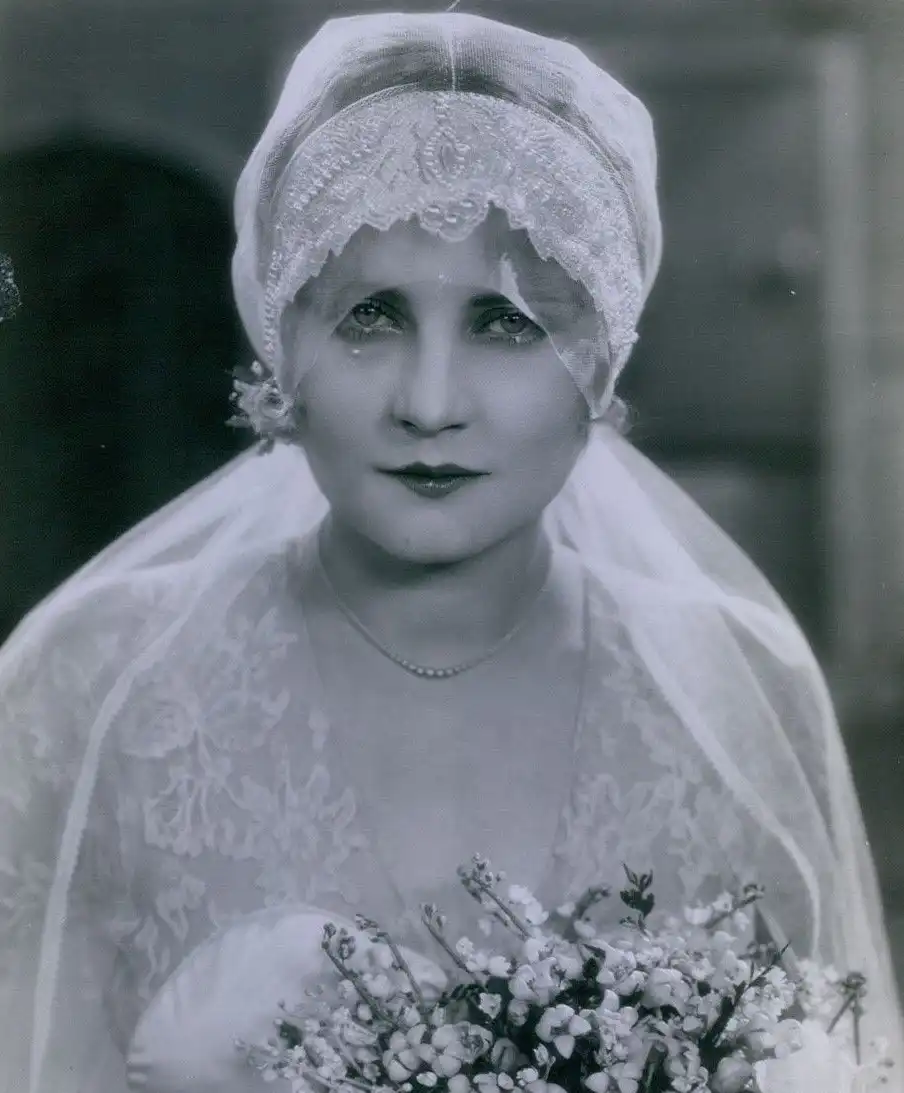
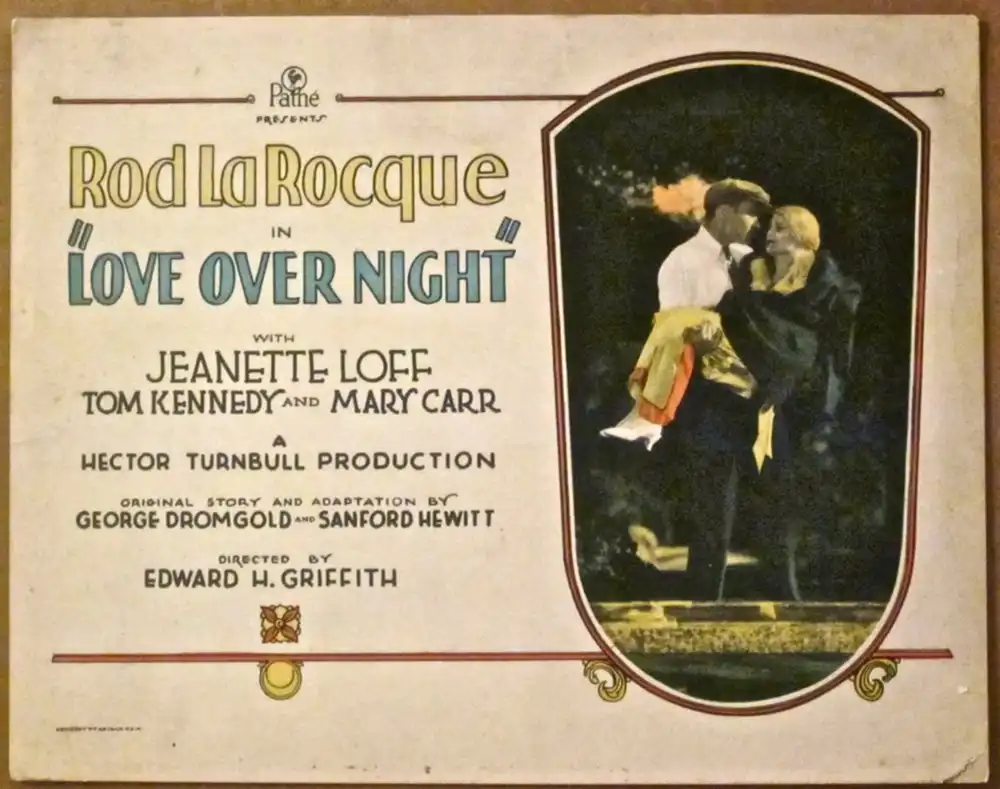
Love Over Night (1928) is one of those silent films that really only works for a specific kind of viewer today. If you're someone who actively seeks out early cinema, particularly romantic comedies with a dash of light crime, and you appreciate the broad physical acting of the era, then yes, it’s worth a watch, especially for its quick pace. If you're coming to it expecting anything remotely resembling modern pacing or nuanced performances, you'll probably find it a bit of a slog, even at its relatively short runtime. It's charmingly dated, but the charm requires a certain level of patience and appreciation for its historical context.
Rod La Rocque, as our earnest subway ticket taker Bob, has that clean-cut 1920s leading man charisma. He’s got this wide-eyed innocence, even when he’s convinced Jeanette Loff’s character, Jeanette, is mixed up in a jewel heist. His expressions are big, as you’d expect from the period, but they rarely feel truly deep. It’s more like a series of well-practiced, agreeable poses.
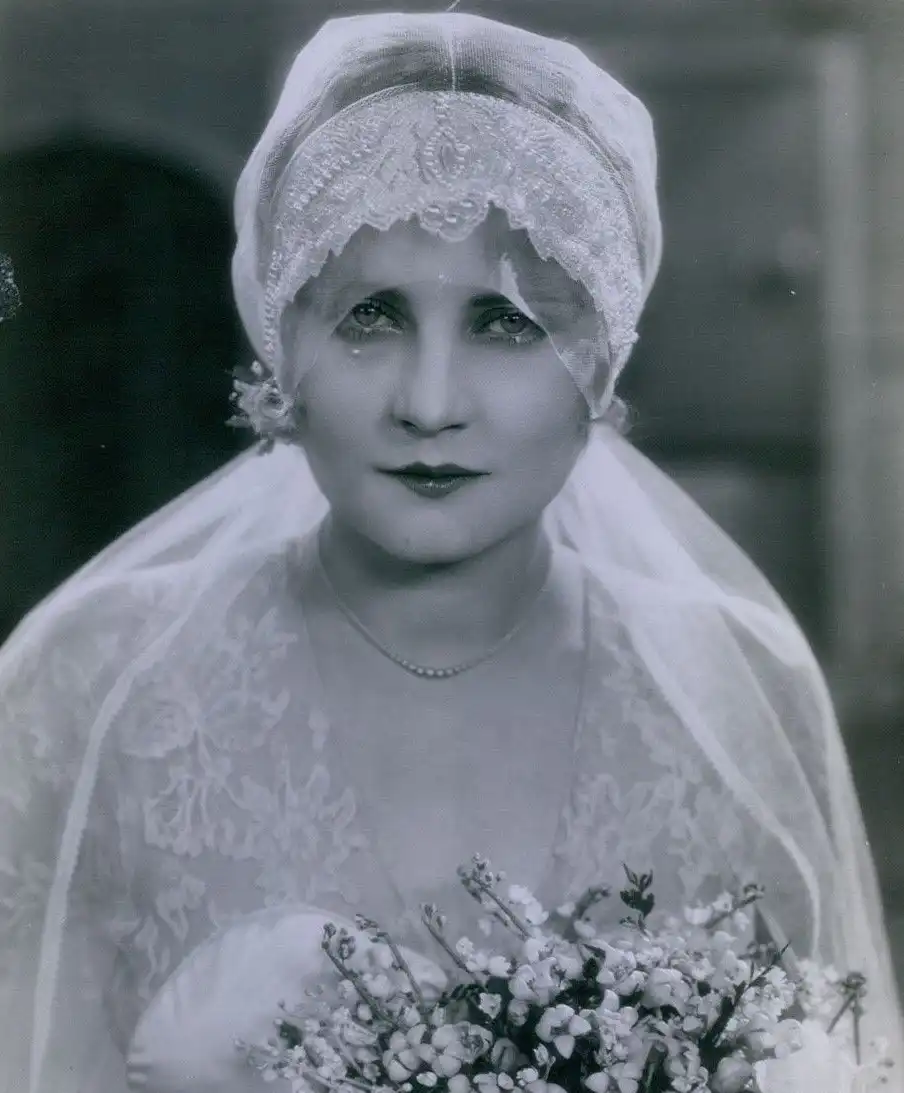
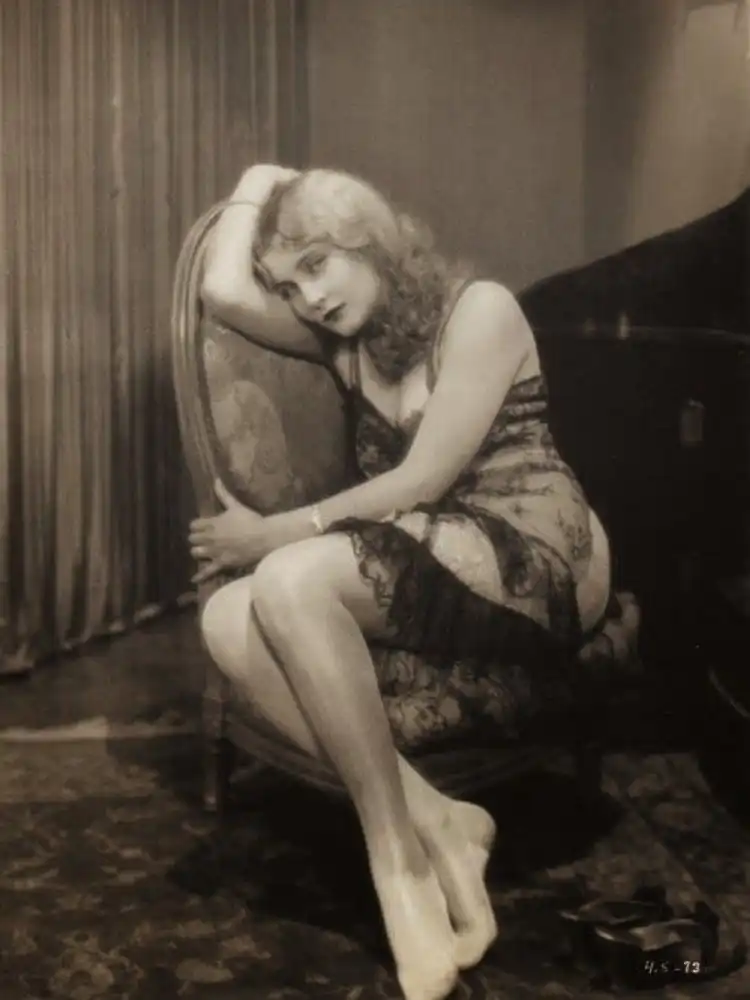
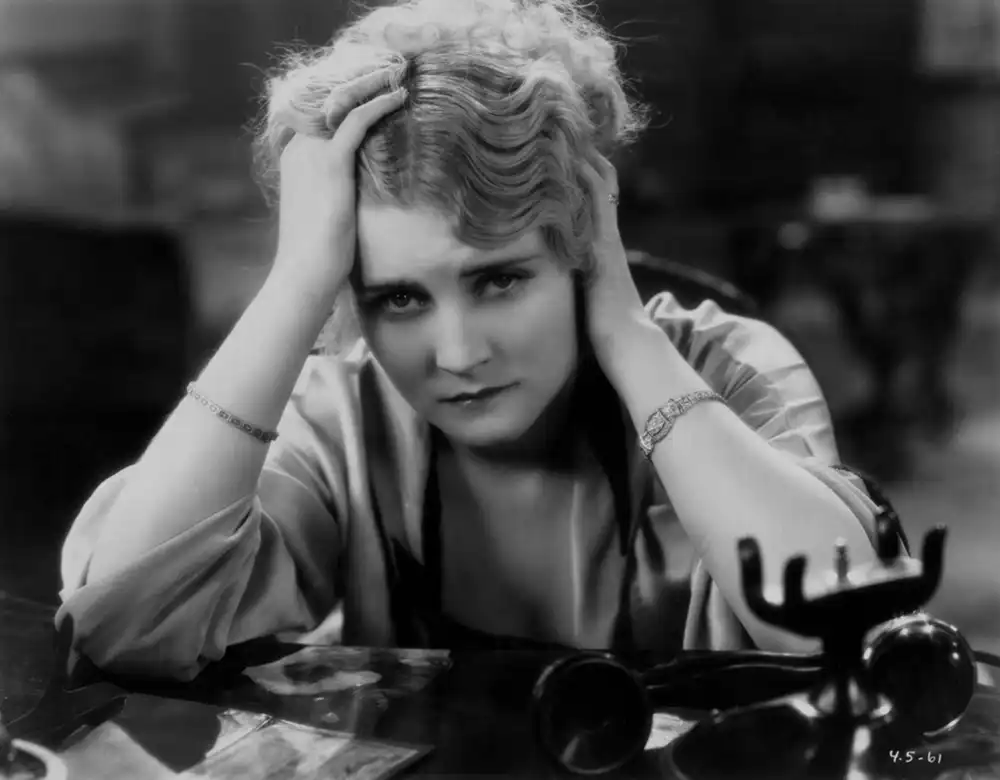
Jeanette Loff herself is undeniably beautiful; the camera absolutely loves her. Her performance as the supposed jewel thief mostly involves looking worried or confused, then quickly shifting to demure when Bob is nearby. The 'mystery' of her involvement, frankly, isn't much of a mystery at all, which makes Bob's amateur detective work feel a little… pointless.
The whole setup with the stolen jewels is flimsy, just a transparent device to throw our leads together. You can almost feel the movie trying to convince you this moment matters, but it’s clear no one involved was aiming for a gritty crime drama. It’s just an excuse for a chase.
The initial scenes in the subway ticket booth are actually quite good. It’s a specific, bustling environment. You get a real sense of the daily grind, Bob's little desk, the way people rush past him. It grounds the early part of the film nicely before it all devolves into pure farce.
La Rocque and Loff have a certain pleasantness together. It’s not sizzling chemistry, but they look good side-by-side. Their "falling in love" is mostly conveyed through longing glances and grand gestures, the kind of silent film romance where you just kind of accept it because the plot demands it, not because you’re fully convinced by any deep emotional arc.
Mary Carr plays Bob's mother, the standard worried maternal figure. Richard Tucker is the rival suitor, suitably smarmy. They just hit their marks, nothing groundbreaking.
For a film of this era, it moves. The edits are often quick, especially during the chase sequences. Sometimes they feel a little too abrupt, cutting away just as a shot starts to establish itself. But mostly, it serves the goal of keeping things light and fast. There’s a scene where Bob is trying to follow Jeanette, and the cuts between them are almost dizzying, really trying to create a frantic energy. It mostly works.
The intertitles are functional. Some attempts at humor, mostly revolving around Bob's naive belief in Jeanette's guilt. Nothing really stands out as particularly witty, which feels like a missed opportunity. Good intertitles can really elevate a silent comedy, but these are just… there.
The wedding climax is where the film leans fully into slapstick. Bob trying to get into the wedding, the various obstacles, the desperate pleas. It’s all very broad, bordering on silly. One moment he’s trying to sneak in, then he’s just… running through the church. The logic kind of falls apart, but it’s meant to be funny. One reaction shot from a bewildered wedding guest lingers so long it becomes genuinely funny, a tiny moment that captures the absurdity.
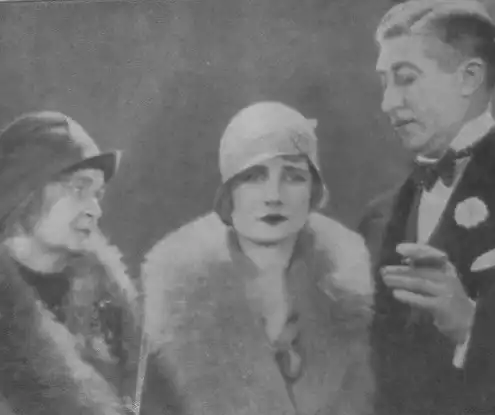
Jeanette Loff’s dresses are lovely, very 1920s elegant. Rod La Rocque mostly wears his uniform or a slightly rumpled suit. Nothing that screams “costume department went wild,” but everything looks appropriate for the time and social standing.
Watching this now, it’s a peek into a different kind of storytelling. The lack of sound means you really pay attention to the physical performances, the sets, the rapid-fire title cards. It’s a bit like watching a live play where the actors are always “on.” There's a particular scene where Bob is trying to explain something to his mother, and his hand gestures are so exaggerated, it's almost a dance. You can't help but smile.
The movie gets noticeably better once it stops taking itself seriously and just embraces the frantic silliness of it all. It never pretends to be profound. It just wants to entertain you for an hour or so, and for the most part, it does. It’s not going to change your life, but it’s a pleasant diversion if you're in the mood for something light and old. It's certainly more engaging than some of the heavier melodramas of the era, like maybe Within the Law, which can really drag. This one knows exactly what it is.
IMDb —
1921
Community
Log in to comment.