DbcultAccessing Vault...
Cult Review
Senior Film Conservator
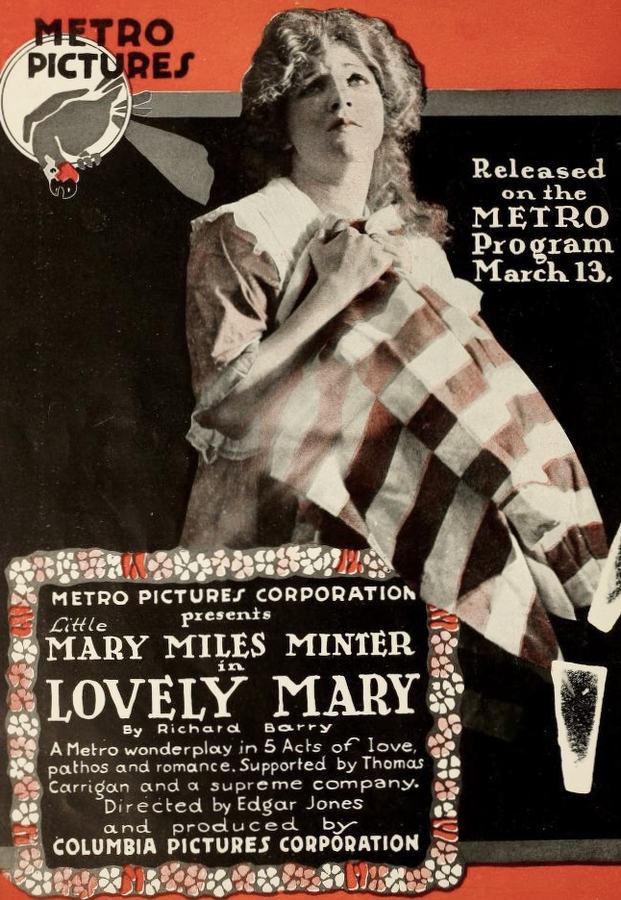
Lovely Mary emerges from the vibrant tapestry of the silent era as a compelling narrative, deeply rooted in the universal struggle between virtue and avarice. It stands as a profound testament to the power of early cinema to weave intricate moral dramas, captivating audiences with its stark portrayal of human nature and the relentless pursuit of justice. This film, a product of a nascent industry still discovering its voice, nevertheless speaks volumes through its visual storytelling and the raw, unadorned performances of its cast.
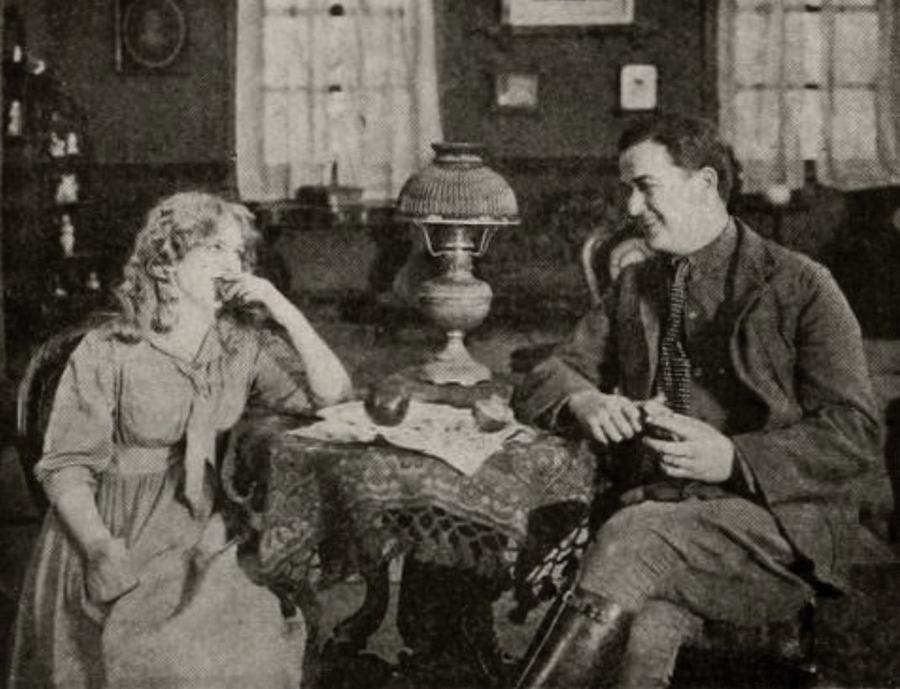
Mary Miles Minter, embodying the titular Mary Lane, delivers a performance that is both delicate and resilient. Her character, a young woman burdened by the complexities of an inherited land parcel and a remarkably naive cousin, becomes the unwitting fulcrum of a ruthless scheme. The land itself, initially a symbol of stability and potential prosperity, quickly transforms into a treacherous battleground for moral integrity and financial gain. Minter navigates Mary's emotional landscape with a grace that belies the inherent challenges of silent acting, conveying a spectrum of hope, despair, and unwavering determination through subtle gestures and expressive eyes.
Schuyler Ladd’s portrayal of Roland Manning is the epitome of the earnest, upright hero. His immediate affection for Mary is portrayed with a sincerity that anchors the film’s romantic subplot, making his subsequent framing for murder all the more agonizing for the viewer. Ladd embodies the quintessential 'good man wronged,' eliciting considerable empathy as he faces an increasingly dire situation. The palpable injustice he suffers draws the audience into his plight with significant emotional force, a common, yet effective, narrative device that ensures the audience remains invested in his ultimate vindication. This theme of an innocent man caught in a web of deceit finds echoes in other powerful narratives of the era, such as The Invisible Power, where unseen forces conspire against an individual, highlighting the precariousness of justice.
Ferdinand Tidmarsh as Wade Dempster crafts a villain who is both cunning and utterly without compunction. His machinations, from intoxicating the vulnerable Claiborne to orchestrating a cold-blooded murder and then masterfully framing an innocent man, are the driving force of the narrative’s relentless tension. Tidmarsh imbues Dempster with a chilling composure, a calculated malevolence that makes him a truly formidable antagonist. The film expertly builds his villainy, making the anticipation of his eventual downfall a keen point of audience engagement. His portrayal is a masterclass in silent film villainy, relying on menacing glances and subtle, yet sinister, body language to convey his nefarious intent.
Russell Simpson’s Claiborne serves as the crucial catalyst for Dempster's insidious plot. His susceptibility to drink and manipulation highlights a common trope of the era: the vulnerable individual exploited by the unscrupulous. Claiborne's weakness is not merely a convenient plot device but serves as a poignant commentary on the dangers of naiveté and vice when pitted against calculated malevolence. His character arc, from hopeful landowner to unwitting pawn, adds a tragic dimension to the film, underscoring the destructive ripple effects of one man's moral failings. This exploration of familial vulnerability and the consequences of poor judgment can be seen paralleled in narratives like The Prodigal Son, though with a darker, more immediate consequence for Claiborne.
Richard Barry’s screenplay, while designed for the unique demands of the silent medium, demonstrates a sophisticated understanding of dramatic structure. The pacing is meticulously calibrated, allowing the escalating stakes to unfold with gripping intensity. The clear delineation of good versus evil, while a hallmark of the period, is handled with enough nuance to prevent it from feeling simplistic; Claiborne's flaw, for instance, adds layers of complexity. The narrative avoids simplistic resolutions by presenting Roland's predicament as seemingly insurmountable, thereby heightening the dramatic tension and investing the audience deeply in the outcome. Barry’s ability to convey complex plot points and character motivations through visual cues and concise intertitles is a testament to his craftsmanship.
The direction, characteristic of its period, relies heavily on strong visual cues, expressive acting, and strategically placed intertitles. The cinematography effectively conveys the stark contrast between the idyllic rural setting, which initially promises peace and prosperity, and the shadowy dealings of Dempster, which threaten to engulf it. Close-ups would have been absolutely vital for conveying the emotional turmoil of Mary and Roland, as well as the calculating menace lurking behind Dempster’s eyes. The use of light and shadow, a powerful tool in silent cinema, would have been deployed to underscore the moral dichotomy, with virtue often bathed in natural light and villainy lurking in darker, more obscured spaces. One can appreciate the careful composition that would have been required to tell such a story without the benefit of spoken dialogue, a challenge that early filmmakers embraced with remarkable ingenuity.
At its core, Lovely Mary is a profound exploration of justice denied and the arduous, often solitary, fight for vindication. Roland's framing resonates with universal themes of an individual ensnared by forces beyond their control, a concept that continues to captivate audiences. The film forces the audience to confront the fragility of truth when confronted by concerted deception and the overwhelming power of a well-orchestrated lie. This thematic depth elevates the film beyond mere melodrama, positioning it as a thoughtful commentary on legal and moral ambiguities. The struggle for land, a recurring theme in cinema, also draws parallels to films like The Valley of Decision, which explores the profound impact of property on individual lives and community dynamics.
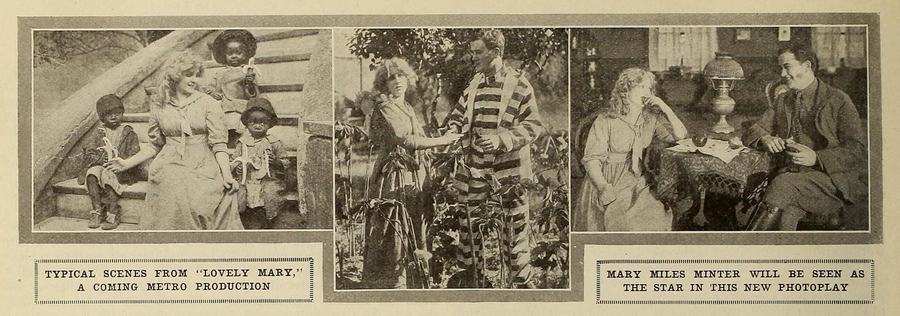
Mary Lane’s unwavering belief in Roland, despite the overwhelming circumstantial evidence against him, is a powerful testament to the strength of love and loyalty. Her resolve in the face of adversity elevates her beyond a mere damsel in distress, positioning her as an active, courageous participant in the fight for justice. She is not merely waiting to be rescued; she is an agent of change, driven by her conviction in Roland’s innocence. This element of steadfast devotion and active participation in overcoming injustice is a powerful precursor to the enduring romantic narratives that would define Hollywood for decades, showcasing a proto-feminist strength often overlooked in early cinema analyses. Her journey is one of resilience, a quality often celebrated in heroines of the era, much like the steadfast spirit found in Pamela Congreve.
The contributions of the supporting cast, including Thomas Carrigan, Harry Blakemore, Frank DeVernon, and Myra Brooks, though perhaps in smaller roles, would have been instrumental in fleshing out the world of Lovely Mary. Each character, however minor, adds texture to the tapestry of the film, whether as a townsperson caught in the drama, a legal figure navigating the complexities of the case, or an unwitting accomplice in Dempster’s schemes. Their collective presence helps to create a believable and immersive environment, crucial for drawing the audience into the narrative's emotional core. The meticulous construction of the world, even in a silent film, is vital for its impact.
Lovely Mary stands as a significant artifact from an era of profound cinematic experimentation. It showcases the remarkable ability of filmmakers to engage audiences without spoken dialogue, relying instead on the sheer power of visual storytelling, the evocative accompaniment of live music (at the time), and the raw, unmediated power of human expression. Its themes of land, love, and legal intrigue are timeless, making it relevant even today. One might draw parallels to the complexities of inheritance and familial responsibility explored in films like Mortmain, highlighting how property disputes often unravel the moral fabric of individuals and communities. The film serves as a powerful reminder of the foundational storytelling principles that continue to drive cinema, proving that a compelling narrative transcends the technological limitations of its time.
The film’s enduring appeal lies in its clear moral compass and its dramatic portrayal of an innocent man caught in a meticulously woven web of deceit. It's a reminder of the foundational storytelling principles that continue to drive cinema: compelling characters, high stakes, and a clear conflict between good and evil. The emotional journey, from the initial glimmer of hope to the depths of despair and the eventual, hard-won triumph of justice, is what makes such narratives resonate across generations. The sheer emotional intensity and moral clarity found within Lovely Mary can even be likened to the directness of presenting moral struggle in works such as From the Manger to the Cross, albeit in a secular context, where the audience is clearly guided through a journey of profound moral challenge and eventual redemption or vindication.
In conclusion, Lovely Mary is far more than just a historical curiosity; it is a vibrant piece of cinematic art that speaks to the enduring human desire for justice and the ultimate triumph of good over evil. Its narrative, though set within a specific historical context, transcends time through its universal themes and compelling characterizations. It offers not only a glimpse into the filmmaking techniques of a bygone era but also a timeless story of love, betrayal, and the unwavering pursuit of truth against overwhelming odds. For anyone interested in the foundational narratives of cinema and the sheer artistry of silent film, Lovely Mary remains an essential viewing experience, a testament to the enduring power of storytelling that continues to captivate and inspire.
IMDb —
1927
Community
Log in to comment.