DbcultAccessing Vault...
Cult Review
Senior Film Conservator
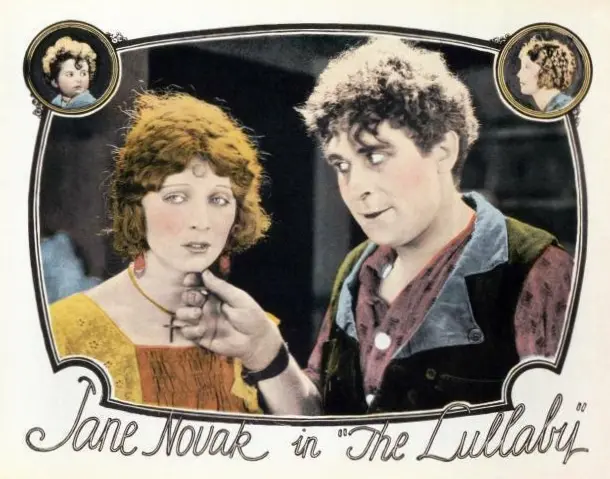
The Lullaby, a silent film of unflinching gravity, presents a narrative of sorrow and retribution, underscored by the tragic sequence of events that unfold. The story centers around Tony, who, upon discovering his bride Felipa's infidelity with Pietro, commits a murder that leads to his sentencing to death by hanging. Felipa, complicit in the crime, is given a twenty-year prison sentence.
The repercussions of their actions are far-reaching, particularly concerning their child, born during Felipa's incarceration. At the age of three, the child is taken from her mother and adopted by the judge, who had presided over their case and later became governor. This adoptive arrangement sets the stage for a complex exploration of guilt, redemption, and the indelible bonds of parenthood.
The film's portrayal of its characters is multifaceted, with performances from Robert Anderson, Jane Novak, and Peter Burke that bring depth to the narrative. The direction, a collaborative effort by Hope Loring, Louis D. Lighton, Andrew Bennison, and Lillian Ducey, weaves a compelling tale that invites viewers to reflect on the consequences of one's actions.
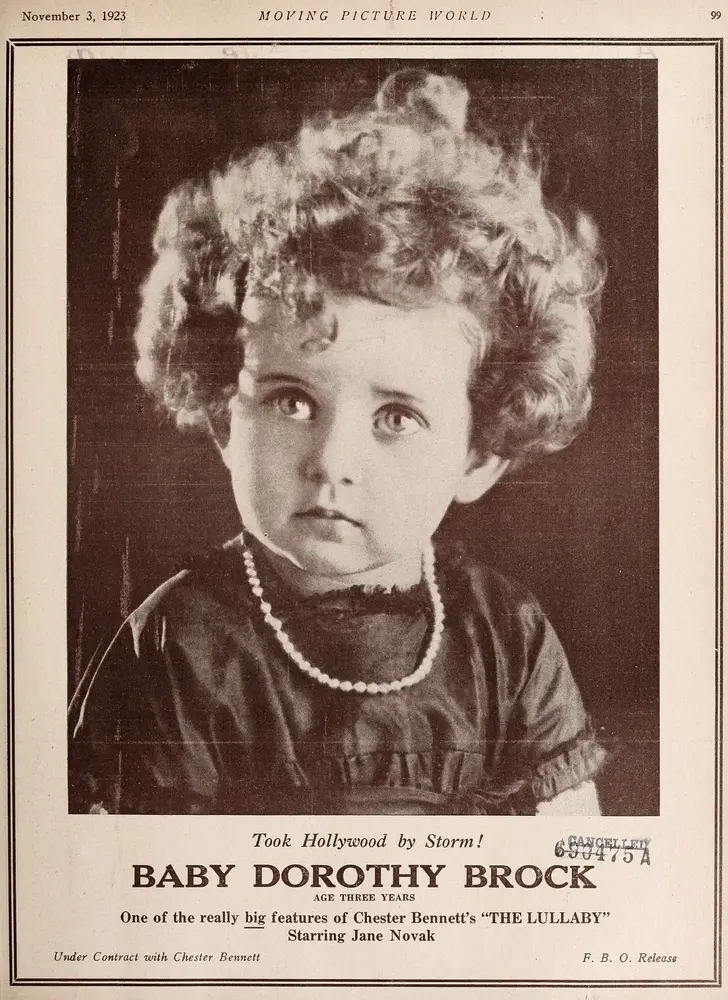
When examining The Lullaby within the context of its contemporaries, certain thematic parallels emerge. For instance, The Blue Bonnet and Es werde Licht! 4. Teil: Sündige Mütter also delve into the complexities of human relationships and the ramifications of personal choices. However, The Lullaby distinguishes itself through its somber tone and the stark portrayal of a family's devastation.
Comparing The Lullaby to Merchant of Menace and The Marriage Lie reveals a shared interest in the destructive potential of deception and betrayal. Yet, The Lullaby's focus on the aftermath of these actions, particularly the quest for redemption and the longing for a lost child, sets it apart.
The cinematography and production design of The Lullaby contribute significantly to its emotional impact. The stark contrast between the prison's bleakness and the warmth of the adoptive family's home underscores the narrative's exploration of hope and despair. This visual dichotomy is reminiscent of Pure But Simple and Beauty and the Feast, which also employ visual motifs to highlight the characters' emotional journeys.
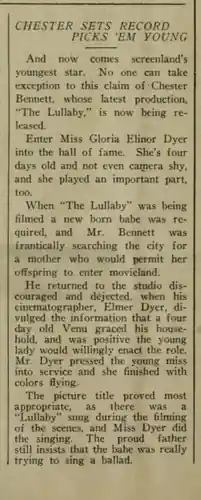
In its examination of societal roles and the judicial system, The Lullaby invites comparisons with The Price of Crime and Caste. These films, like The Lullaby, critique the social structures that shape individual destinies.
The performances in The Lullaby, coupled with its thematic resonance, make for a film that is both a product of its time and a timeless exploration of human emotion. As a cinematic work, it aligns with others of its era, such as Incantesimo and Miracle of the Wolves, in its pursuit of storytelling that resonates on a profound level.
In conclusion, The Lullaby stands as a poignant testament to the enduring power of cinema to convey the complexities of the human condition. Its exploration of love, loss, and redemption continues to engage audiences, offering a filmic experience that is as thought-provoking as it is emotionally resonant.
For those interested in the silent film era and its capacity for storytelling, The Lullaby is a must-view. Its themes, though explored in a different societal and technological context, remain universally relevant. He Couldn't Fool His Wife and Alf's Button are examples of other films that, like The Lullaby, have captivated audiences with their narratives of love, deception, and personal growth.
IMDb —
1927
Community
Log in to comment.