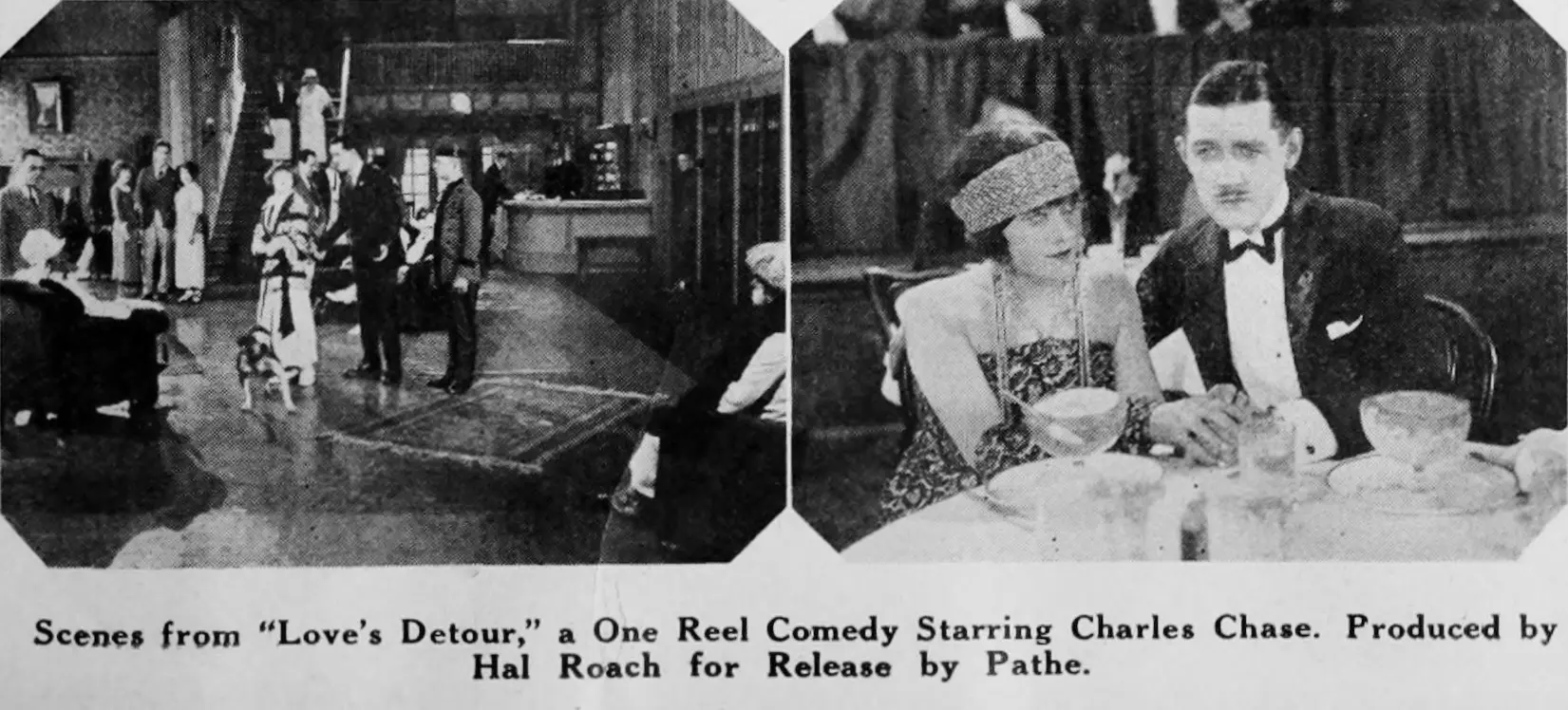
In the sun-drenched setting of a quaint summer hotel, Love's Detour unfolds as a poignant and comedic exploration of the human heart. The story revolves around a young man, not named in the credits, who works as a clerk at this picturesque establishment. He is engaged to a vivacious young woman, with whom he seems content to spend his days, yet his life takes an unexpected turn when he meets her mother.
Upon first glance, the woman's mother, played by the delightful Jean Barr, appears to be a traditional, perhaps even stern, matron. However, as the clerk spends more time with her, he realizes that she possesses an allure of her own, a quality that eludes his fiancée. This realization sets the stage for a complex emotional journey, one that the clerk must navigate with both tact and humor.
To complicate matters, the clerk finds himself torn between his commitment to his fiancée and the burgeoning attraction he feels for the woman's mother. In a stroke of ingenuity, he decides to take on the role of a telephone operator, a position that allows him to communicate with both women without revealing his true intentions. This setup, while initially comical, soon becomes a critical part of the narrative, as it facilitates his ability to maintain his engagement while also pursuing his newfound interest.
The film's screenplay, penned by Hal Roach, is a masterclass in witty dialogue and subtle character development. The interactions between the characters are filled with charm and comedy, making it easy for the audience to empathize with the clerk's dilemma. Jean Barr and Augustine Pape deliver outstanding performances, bringing depth and nuance to their roles. The supporting cast, including Jean Baker, Augustine Pape, and Lyle Tayo, further enrich the story, adding layers of complexity to the narrative.
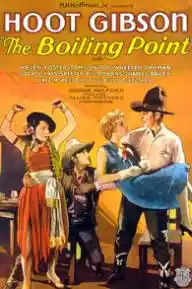
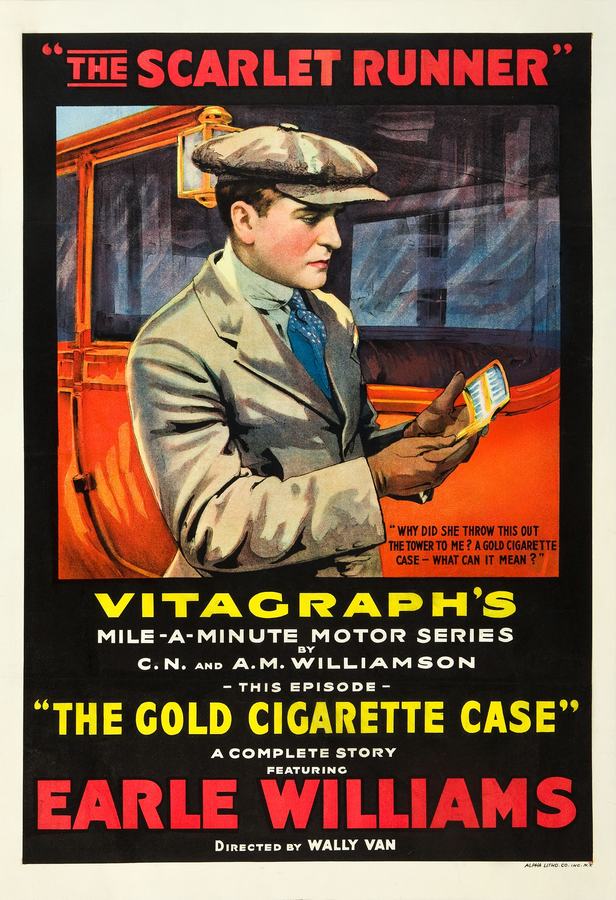
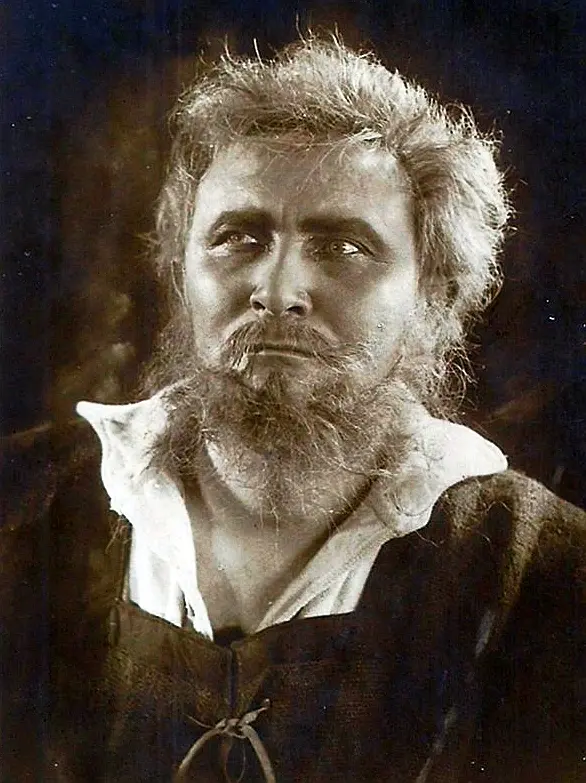
One cannot help but draw parallels between Love's Detour and other romantic comedies of its era, such as Love's Redemption (1921), The Sign of the Rose, and Dracula's Death. Each of these films explores the intricate dynamics of love and duty, often with a touch of humor and a dash of the unexpected. Love's Detour, however, stands out for its nuanced portrayal of human emotions and its clever use of the telephone operator role as a plot device.
The cinematography and setting of the summer hotel add to the film's charm, creating a backdrop that feels both idyllic and nostalgic. The attention to detail in the hotel's decor and the idiosyncrasies of the characters make the film a joy to watch, inviting the audience to immerse themselves in this delightful world.
In conclusion, Love's Detour is a gem of a film, a testament to the enduring power of classic romantic comedies. It offers a refreshing take on the age-old theme of love and duty, presented with wit, charm, and a touch of the unexpected. It is a film that deserves to be rediscovered and celebrated for its timeless appeal and精湛的表演。