DbcultAccessing Vault...
Cult Review
Senior Film Conservator
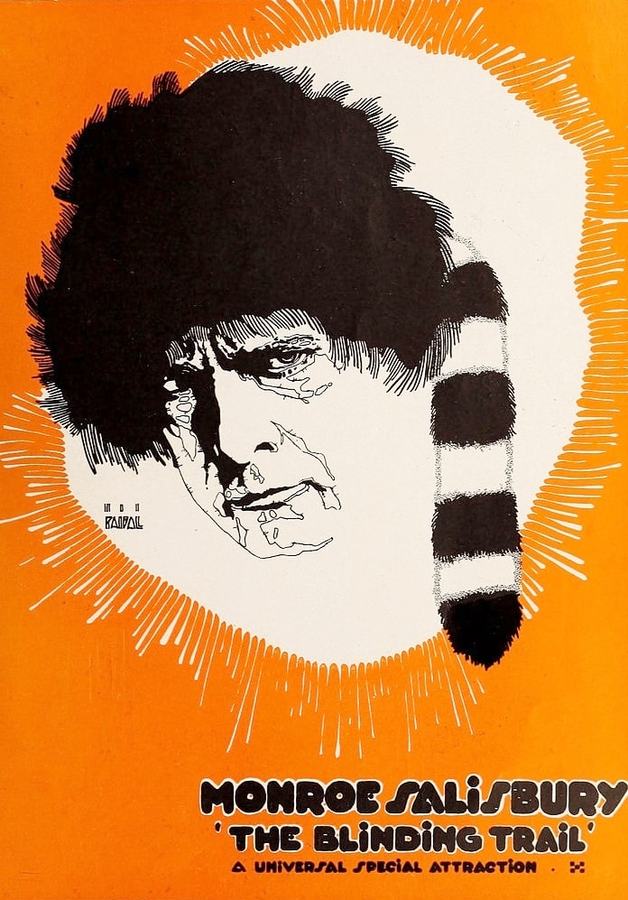
In the annals of early cinema, few narratives plumb the depths of human frailty and moral complexity with the unflinching gaze of The Blinding Trail. This silent-era melodrama, a testament to the storytelling prowess of its time, transcends mere plot mechanics to deliver a searing indictment of superficiality and the devastating ripple effects of self-serving desire. Released at a juncture when film was rapidly evolving from novelty to art form, this production stands as a fascinating artifact, not just for its dramatic flourishes but for its nuanced, albeit often melodramatic, exploration of character. It challenges its audience to look beyond the immediate spectacle, inviting contemplation on themes that remain profoundly resonant even a century later: the true nature of love, the crushing weight of responsibility, and the perilous tightrope walk between compassion and self-preservation.
At the heart of this intricate web of ambition and deceit lies Helen Halverson, portrayed with a compelling blend of youthful vivacity and nascent selfishness. Her character arc is a masterclass in the dangers of impulsive decision-making, setting the entire tragic chain of events in motion. Helen, initially presented as a flighty, somewhat pampered daughter of the logging camp owner, makes a pivotal choice to marry Big Jim McKenzie, the camp's formidable superintendent. This decision, however, is not born of a deep, abiding affection, but rather a sudden, almost whimsical fascination, catalyzed by a dramatic incident. Jim, in a moment of heroic self-sacrifice, crashes his toboggan into a tree to avoid hitting Helen, an act that tragically renders him temporarily blind. It is this vulnerability, paradoxically, that ignites Helen's resolve, transforming her fleeting interest into a determined pursuit. One cannot help but draw parallels to the manipulative undercurrents seen in other early dramas where women navigate societal constraints, though Helen’s motivations here feel more self-centered than survivalist. The script, penned by Stuart Paton, Paul Powell, and John B. Clymer, skillfully establishes her initial superficiality, which later blossoms into outright moral compromise.
The complexity deepens with the introduction of Adele, Helen's cousin, who harbors a secret, genuine affection for Jim. Helen, with a chilling lack of compunction, exploits Adele's loyalty and love, coercing her into acting as an intermediary to secure Jim's proposal. This manipulation is a cruel twist, setting the stage for a triangular emotional conflict that simmers beneath the surface of the grand romance. It reflects a common trope in silent films, where grand gestures often mask deeper, more insidious motives. The film, in its silent eloquence, allows the audience to witness the subtle shifts in Adele's expressions, a testament to Helen Jerome Eddy's nuanced performance, conveying a profound sense of internal conflict and quiet heartbreak. Her silent suffering is perhaps the most poignant element of the film's first act, hinting at the tragic consequences of Helen's reckless heart. This early deception establishes a moral rot at the core of the burgeoning relationship, suggesting that a foundation built on calculated manipulation can never truly withstand the storms of life.
Milton Markwell's portrayal of Big Jim McKenzie is the anchor around which the entire drama revolves. Jim is presented as the quintessential strong, silent type, a man of the wilderness, commanding respect and authority in his logging domain. His initial blindness transforms him from an imposing figure into one of profound vulnerability, a dramatic reversal that challenges not only his physical capabilities but also his sense of self. Markwell conveys this transition with remarkable subtlety for the era, using body language and facial expressions to communicate Jim's struggle, frustration, and ultimate reliance on those around him. The temporary restoration of his sight, leading to his marriage with Helen, feels like a brief respite, a cruel tease of normalcy before fate delivers its most devastating blow. This narrative device, the ebb and flow of Jim’s vision, serves as a powerful metaphor for his emotional clarity and his ability to "see" the true nature of those around him.
The second onset of Jim's blindness, occurring on the very day his child is born, is a moment of profound cosmic irony and narrative genius. It strips him of his agency at the height of his domestic joy, plunging him back into a world of darkness and dependence. This recurrence is not merely a plot device; it is a catalyst that forces all characters to confront their true selves. For Jim, it means grappling with a renewed sense of helplessness, a frustration that Markwell masterfully projects without resorting to histrionics. His quiet dignity in the face of such overwhelming adversity makes his eventual disillusionment all the more heartbreaking. The film explores how disability, especially one so profound, can reshape an individual's identity and their place within a relationship. This aspect resonates with other films that explore the challenges of physical impairment, such as When Love Is Blind, though "The Blinding Trail" perhaps delves deeper into the impact of the disability on the partner's fidelity and moral compass, rather than solely focusing on the afflicted individual's struggle. Jim's arc is one of a man stripped bare, forced to confront the harsh realities of human nature, both his own and those he loves.
With Jim once again enveloped in darkness, Helen's initial infatuation, which was arguably never true love, quickly sours into resentment. The burdens of caring for a blind husband, combined with the loss of the adventurous, commanding figure she was drawn to, prove too much for her flighty disposition. Her frustration is palpable, and the film, without condoning her actions, attempts to illustrate the emotional toll such a situation could take. It is here that the film introduces Jean Du Bray, Jim's assistant, portrayed by Monroe Salisbury. Salisbury imbues Du Bray with a subtle charm and an air of quiet competence, making his seduction of Helen, or perhaps Helen's seduction of him, tragically believable. The affair is not presented as a sudden, passionate explosion, but rather a gradual erosion of moral boundaries, a slow burn fueled by Helen's discontent and Du Bray's proximity and perhaps, his own ambition. This narrative choice lends a greater psychological realism to the unfolding tragedy, avoiding simplistic villainy in favor of a more complex portrayal of human weakness.
The complications that ensue from this illicit liaison form the dramatic core of the film's latter half. The contrast between Jim's physical blindness and Helen's moral blindness is sharply drawn. She can see, yet she chooses not to see the consequences of her actions, or perhaps, she simply lacks the strength of character to resist temptation. The writers, Paton, Powell, and Clymer, craft a scenario where the domestic sphere becomes a battleground of suppressed desires and simmering resentments. The tension is almost unbearable at times, particularly in scenes where Du Bray, Jim's trusted subordinate, subtly asserts his presence in the household, exploiting Jim's vulnerability. This exploration of betrayal within a marriage, especially under duress, echoes the themes found in morally challenging dramas like Die Sünde (The Sin), where human failings and their repercussions are laid bare. The film doesn't shy away from depicting the messy, often ugly, realities of human relationships when tested by adversity and temptation.
Beyond the central trio, the film benefits from a robust supporting cast that adds texture and depth to the logging camp environment. Arthur Maude, though perhaps in a less prominent role than the leads, contributes to the portrayal of the rugged, isolated community. Similarly, John Cook, Claire Anderson, and Alfred Allen fill out the world, providing the necessary human backdrop against which the central drama unfolds. Their presence, even in fleeting moments, helps to ground the more melodramatic elements of the plot in a believable reality. The logging camp itself is more than just a setting; it's almost a character, a stark, unforgiving landscape that mirrors the emotional wilderness the characters navigate. The physical demands and inherent dangers of such an environment serve to highlight Jim's strength and subsequent vulnerability. The isolation of the camp also amplifies the intensity of the interpersonal conflicts, as there are few external distractions or avenues for escape from the suffocating domestic drama. This use of environment as a dramatic amplifier can be seen in other films that depict remote or challenging locales, like Atop of the World in Motion, where the harshness of the natural world often reflects or exacerbates the internal struggles of the characters.
"The Blinding Trail" is rich with thematic undercurrents that elevate it beyond a simple tale of romance and betrayal. The most obvious, of course, is the multifaceted concept of sight, both physical and metaphorical. Jim's literal blindness serves as a stark contrast to Helen's figurative blindness – her inability or unwillingness to see the true nature of her own desires, the pain she inflicts, and the long-term consequences of her actions. This duality of vision is a powerful narrative device, compelling the audience to reflect on what it truly means to "see." Is it merely the function of the eyes, or a deeper understanding of oneself and others? The film suggests the latter, portraying Helen as someone whose vision is obscured by selfishness and fleeting passions, even as her physical sight remains unimpaired.
The film also delves into the complex interplay between love and duty. Helen's initial attraction to Jim seems to be a superficial infatuation, perhaps even a desire for the status and security that marrying the camp boss would bring. When duty calls, in the form of caring for a blind husband, her "love" falters, revealing its shallow roots. This raises profound questions about the nature of commitment and the sacrifices inherent in a truly loving relationship. Is love conditional, dependent on the partner's physical capabilities or societal standing? The film, through Helen's choices, offers a cynical, yet perhaps realistic, answer for some individuals. The narrative implicitly critiques the societal pressures and expectations placed upon women in relationships, particularly in an era when their roles were often defined by their marital status and domestic responsibilities.
Furthermore, the theme of betrayal is explored in its most agonizing forms: the betrayal of a spouse, the betrayal of a trust, and the betrayal of self. Helen betrays Jim, but in doing so, she also betrays her own moral compass, leading to a life riddled with guilt and regret. Adele's betrayal, though coerced, also leaves a lasting scar, highlighting the destructive power of complicity. The film doesn't offer easy answers or neat resolutions; instead, it grapples with the messy realities of human fallibility and the long shadow cast by our choices. The moral ambiguity of the characters, particularly Helen, prevents the film from descending into simplistic melodrama, instead offering a more profound, if unsettling, examination of human nature. This nuanced approach to moral failings can be compared to the intricate character studies found in films such as A Modern Magdalen or The Beloved Traitor, which similarly explore the complexities of individuals navigating moral quandaries and societal judgments.
Directed by Stuart Paton, "The Blinding Trail" showcases a directorial hand adept at weaving a compelling narrative through the visual language of silent film. Paton masterfully utilizes close-ups to convey emotional intensity and wide shots to establish the rugged beauty and isolation of the logging camp. The pacing, a crucial element in silent cinema, is carefully controlled, allowing moments of quiet introspection to breathe amidst the more dramatic confrontations. The film avoids excessive intertitles, relying instead on the expressive performances of its cast to communicate character motivations and emotional states. This visual storytelling, a hallmark of effective silent film, ensures that the narrative remains engaging and accessible, even without spoken dialogue.
The screenplay, a collaborative effort by Stuart Paton, Paul Powell, and John B. Clymer, is remarkably intricate for its time. It constructs a plot riddled with twists and turns, yet manages to maintain a coherent character progression, even for its more morally ambiguous figures. The writers excel at building suspense and escalating the emotional stakes, leading to a climax that, while perhaps melodramatic by modern standards, feels earned within the context of the narrative. They tackle complex themes – love, betrayal, disability, and redemption – with a surprising degree of psychological insight. The character of Helen, in particular, is not simply a villain; she is a flawed human being whose choices, while reprehensible, are understandable within her limited emotional capacity and the pressures she faces. This nuanced characterization is a testament to the strength of the writing, allowing the film to resonate on a deeper level than many of its contemporaries.
Visually, the film likely relied on location shooting to capture the authentic feel of a logging camp, adding a layer of realism to the dramatic proceedings. While specific details about the cinematography are often lost to time for many silent films, the overall impression is one of thoughtful composition and effective use of available light. The aesthetic choices contribute significantly to the film’s atmosphere, enhancing the sense of isolation and the raw, untamed nature of both the environment and the human emotions at play. The film’s visual grammar, though distinct from modern filmmaking, effectively communicates the story’s emotional beats and narrative progression, proving that even without sound, cinema could powerfully evoke complex human experiences.
"The Blinding Trail" stands as more than just a historical curiosity; it is a compelling piece of early cinema that continues to provoke thought and emotion. Its exploration of human weakness, the corrosive effects of selfishness, and the enduring power of genuine affection (even if found elsewhere) is timeless. The film, through its dramatic narrative and compelling performances, reminds us of the power of visual storytelling to convey profound truths about the human condition. It is a testament to the foundational period of filmmaking, demonstrating how early creators grappled with complex moral dilemmas and presented them to an eager audience.
While its narrative conventions and acting styles might appear dated to a modern viewer accustomed to contemporary cinema, its underlying themes of love, loss, betrayal, and the search for identity remain universally relatable. For enthusiasts of silent film, or anyone interested in the evolution of cinematic storytelling, "The Blinding Trail" offers a rich and rewarding experience. It serves as a vital link in understanding how narratives developed, how character archetypes were established, and how film began to assert its unique voice as an art form. It's a journey into a past era of filmmaking, yet one that speaks volumes about the enduring complexities of the human heart. The film's ability to maintain tension and emotional investment throughout its runtime, despite the absence of dialogue, is a remarkable achievement, cementing its place as a significant, albeit often overshadowed, work in the history of cinema. Its legacy lies not just in its plot, but in its audacious attempt to grapple with the moral ambiguities that define us all, using the nascent tools of the moving picture to illuminate the darkest corners of the human soul.
IMDb 4.8
1935
Community
Log in to comment.