DbcultAccessing Vault...
Cult Review
Senior Film Conservator
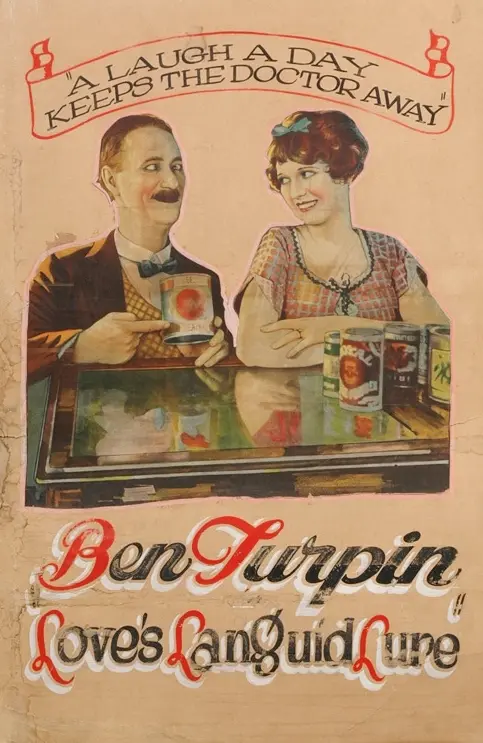
Is 'Love's Languid Lure' worth watching today? Short answer: absolutely, but with a few significant caveats. This forgotten silent era romantic comedy-drama is a delightful, if uneven, journey for cinephiles and historians keen on early filmmaking, yet it might test the patience of casual viewers accustomed to modern narrative pacing.
It's a curious artifact, a film that speaks volumes about the popular entertainment of its time, blending broad comedic strokes with moments of surprising emotional sincerity. While not a universally accessible classic, its unique blend of charm and anachronism makes it a worthwhile experience for a specific audience.
This film works because... of its undeniable period charm, the delightful physical comedy of Ben Turpin, and a surprising undercurrent of genuine emotional depth that occasionally breaks through the comedic surface.
This film fails because... of its inconsistent pacing, a tendency to rely on overly familiar silent film tropes, and a somewhat thin character development for its central romantic leads.
You should watch it if... you appreciate silent cinema, Vaudeville-esque performances, or are a student of early romantic comedies seeking to understand the foundational elements of the genre.
The story of Percival Penhaligon and Beatrice Fairchild is, at its heart, a classic tale of two lovers from different social strata, complicated by financial woes and a charmingly nefarious rival. What sets 'Love's Languid Lure' apart is not its originality of plot – indeed, many of its beats feel comfortably familiar to anyone versed in silent-era melodramas – but rather its execution.
The 'languid lure' itself is a clever narrative device, allowing Beatrice's character to exist in a state of believable indecision. Her subtle shifts in demeanor, a fleeting glance here, a hesitant smile there, are expertly conveyed, making her more than just a prize to be won. She's a woman navigating genuine pressure, a nuance often lost in simpler period pieces.
The introduction of Reginald Blackwood as the smooth, opportunistic financier adds a necessary layer of tension. His schemes, while transparent to the audience, are just believable enough within the film's heightened reality to drive the conflict. It's a testament to the writers – Harry McCoy, Vernon Smith, Al Giebler, Jimmy Starr, Ralph Ceder, Phil Whitman, and Harry Edwards – that despite the sheer number of hands, the central conflict remains relatively clear.
However, the narrative does occasionally lose its way, particularly in the mid-section where the comedic subplots involving Uncle Cuthbert tend to overshadow the primary romantic arc. While often hilarious, these digressions sometimes feel less integrated and more like standalone Vaudeville sketches stitched into the main story, a common pitfall of early feature filmmaking.
The ensemble cast of 'Love's Languid Lure' is a fascinating blend of earnest leads and seasoned comedic veterans, each bringing a distinct flavor to the screen. William McCall, as Percival, embodies the archetype of the earnest, slightly bumbling suitor. His wide-eyed sincerity and physical awkwardness are endearing, particularly in scenes where he attempts to impress Beatrice, such as his disastrous attempt at horseback riding, which ends with him tangled in a rose bush. He's not a dashing hero, but a relatable one, which works in the film's favor.
Peggy Montgomery, as Beatrice, is the film's emotional anchor. She possesses a captivating screen presence, capable of conveying a spectrum of emotions through subtle facial expressions and gestures. Her internal conflict is palpable, especially in the scene where she silently weighs Reginald's lavish gifts against a simple, heartfelt letter from Percival. It's a performance that transcends the often-exaggerated stylings of the era, hinting at a more modern approach to acting.
The true scene-stealers, however, are the comedic talents. Ben Turpin, as Uncle Cuthbert, is in his element. His signature cross-eyed gags are deployed with expert timing, and his physical comedy, whether tripping over his own feet or accidentally pieing a society matron, consistently elicits genuine laughter. There's a particular moment where he attempts to eavesdrop through a keyhole, contorting his face into a grotesque, yet hilarious, mask of concentration – it’s pure Turpin.
Sunshine Hart, as the no-nonsense housekeeper Martha, provides a grounding presence. Her stern glares and exasperated sighs offer a perfect counterpoint to the more flamboyant characters. She's the voice of reason in a world often teetering on the edge of absurdity. Even the slick Reginald Blackwood, played by Lloyd Bacon, manages to inject a believable air of suave villainy, making his eventual comeuppance all the more satisfying. Jack Cooper and Vernon Dent also contribute solid supporting turns, often adding to the comedic chaos or the dramatic tension with their well-defined characterizations.
My unconventional observation here is that Turpin’s performance, while brilliant, occasionally threatens to derail the film’s more serious romantic beats. It’s a testament to his star power, but also a challenge for the overall tonal balance. The director, often uncredited in such productions, clearly understood how to leverage these distinct talents, even if the blend isn't always seamless.
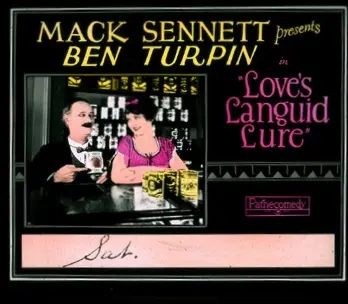
The direction, while not attributed to a single prominent name, reflects the typical craftsmanship of its era. There's a clear understanding of visual storytelling, relying heavily on expressive blocking and exaggerated gestures to convey emotion and plot points. The use of intertitles is effective, providing not just dialogue but also crucial exposition and emotional cues, though some modern viewers might find their frequency disruptive.
Cinematically, the film adheres to the established norms of the early 1920s. The camera work is largely static, favoring wide shots that capture the entire scene, allowing the actors' physical performances to shine. However, there are moments of surprising artistry. A particular sequence set in a moonlit garden, where Beatrice and Percival share a quiet, longing glance, utilizes subtle backlighting to create a dreamlike, almost ethereal quality. It's a simple technique, but highly effective in conveying the nascent romance.
The production design, while not extravagant, effectively evokes the period. The Fairchild estate, with its slightly faded grandeur, perfectly visualizes their precarious financial situation. Costumes are era-appropriate, further immersing the audience in the roaring twenties. While not a film that pushes cinematic boundaries like Vampyrdanserinden or even A Wild Goose Chase, its visual competence is undeniable.
One debatable opinion I hold is that the film could have benefited from more dynamic camera work in its chase sequences. While the action is clear, a more mobile camera could have amplified the excitement and urgency, rather than relying solely on the actors' frantic movements within a static frame. It's a minor quibble, but one that speaks to the evolving language of cinema.
The pacing of 'Love's Languid Lure' is, as its title suggests, often languid. This isn't necessarily a criticism, but rather an observation about the viewing experience for a modern audience. The film takes its time to establish characters and situations, allowing scenes to play out with a deliberate rhythm. This slow burn can be incredibly rewarding, fostering a deeper connection to the characters' plights and triumphs.
However, there are stretches where the 'languid' quality verges on sluggishness, particularly during protracted comedic routines that, while funny, don't always advance the plot. It's a balancing act, and the film doesn't always maintain perfect equilibrium between its comedic and dramatic elements. The tone, too, shifts between lighthearted farce and moments of genuine pathos.
The climax, involving a chaotic mix-up at a society ball, brilliantly brings all these elements together. It’s a flurry of mistaken identities, physical gags, and dramatic revelations, showcasing the film's ability to orchestrate controlled chaos. This is where the pacing truly picks up, delivering a satisfying, if predictable, resolution.
For silent film enthusiasts, historians, or anyone with a keen interest in the foundational years of cinema, 'Love's Languid Lure' is absolutely worth watching. It offers a fascinating glimpse into the entertainment sensibilities of the 1920s.
It serves as an excellent example of a well-crafted, albeit not groundbreaking, romantic comedy-drama from the period. You'll appreciate the performances and the charming story.
However, if your film diet consists primarily of fast-paced, dialogue-driven modern blockbusters, this film might be a challenge. Its slower rhythm and reliance on visual storytelling require a different kind of engagement.
It's a rewarding experience for those willing to meet it on its own terms, but it will not appeal to everyone.
'Love's Languid Lure' is a charming, if somewhat flawed, relic from a bygone era. It's not a film that will redefine your understanding of cinema, nor will it likely convert skeptics of silent movies. But it offers a delightful, unpretentious escape into a world of earnest romance and broad comedy.
It works. But it’s flawed. The film's strength lies in its ability to transport you back to a simpler time, where exaggerated gestures and knowing glances spoke volumes. While the narrative occasionally sags under the weight of its own comedic ambitions, the sincerity of its central romance and the sheer star power of its comedic talents keep it afloat.
It’s a testament to early cinema's raw charm, but perhaps also a stark reminder of its nascent storytelling limitations. For those willing to embrace its unique rhythm and historical context, 'Love's Languid Lure' is more than just a curiosity; it's a genuinely enjoyable, if undeniably niche, piece of cinematic history worth rediscovering. It’s a film that asks for your patience, and largely rewards it.
IMDb —
1928
Community
Log in to comment.