DbcultAccessing Vault...
Cult Review
Senior Film Conservator
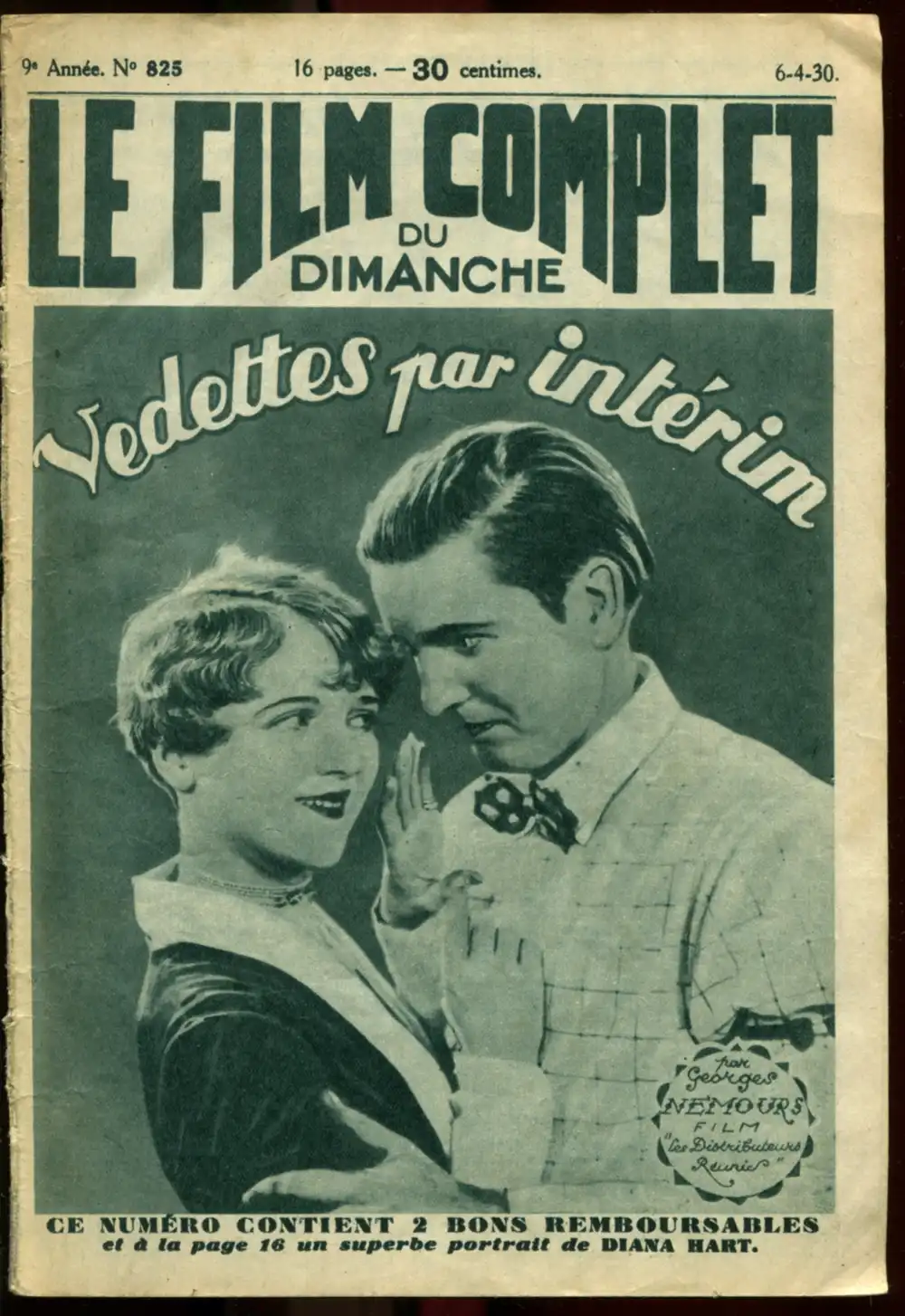
Ladies at Ease is a disposable piece of late-silent fluff that barely justifies its runtime. It is a film for completionists and those with an academic interest in the evolution of the 'working girl' trope, but for the average viewer, it offers very little. If you are looking for the sharp wit of a Buster Keaton short or the polished charm of a major studio production from the same year, you will be disappointed. This is a budget-conscious effort that feels every bit as cheap as the boarding house it depicts.
The short answer is no. Unless you are specifically studying the career of Gertrude Short or the output of minor silent-era writers like Rob Wagner, there is nothing here that hasn't been done better elsewhere. The film lacks the kinetic energy required for slapstick and the psychological depth required for a drama. It sits in a lukewarm middle ground that is more likely to induce boredom than laughter.
This film works because: Gertrude Short manages to squeeze a few genuine physical gags out of a dry script, proving she had a screen presence that deserved better material.
This film fails because: It relies on social misunderstandings and 'gold-digger' clichés that were already exhausted by 1920. The pacing is sluggish, and the direction is static.
You should watch it if: You have already watched every major silent film and are now scraping the bottom of the archival barrel for 1920s social comedies.
The theatrical boarding house was a staple of 1920s cinema, often used to throw disparate characters together for easy conflict. In Ladies at Ease, this setting feels less like a choice and more like a budgetary necessity. The sets are sparse and look as though they were painted twenty minutes before the cameras rolled. There is no sense of place, only a sense of confinement. Compared to the atmospheric tension found in a film like The Haunted House, the environments here are flat and uninspired.
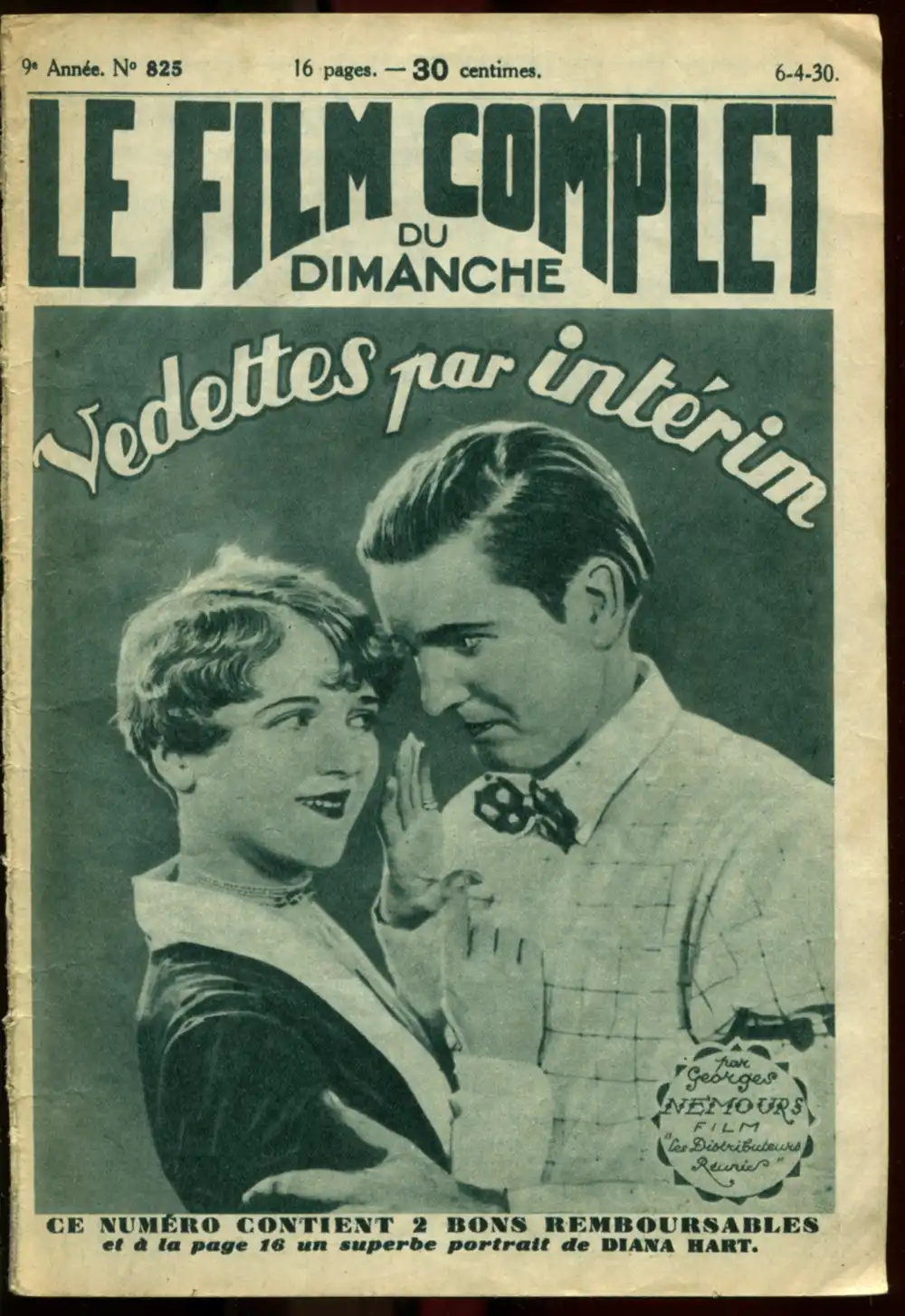
The script, co-written by Rob Wagner, attempts to inject some social commentary about the plight of working women, but it is buried under layers of predictable plotting. Wagner, who had a reputation for more serious socialist leanings in his writing elsewhere, seems to have checked his convictions at the door. The result is a story that suggests women only find 'ease' through the intervention of a wealthy man, a conclusion that felt dated even in 1927.
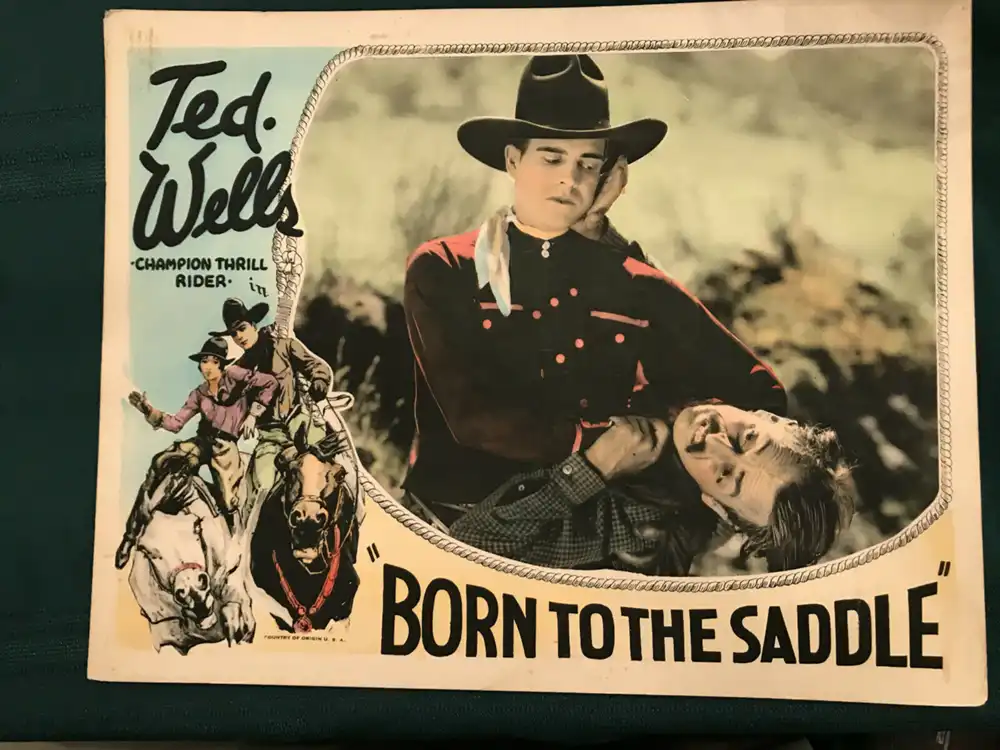
Gertrude Short is the only member of the cast who seems to understand the assignment. She uses her face as a percussion instrument, hitting beats of frustration and surprise that the script fails to provide. She has a naturalism that contrasts sharply with the stiff, stagey movements of Bob Custer. Custer, primarily known for Westerns, looks deeply uncomfortable in a suit and tie. He stands in scenes like a fence post, waiting for his cue rather than interacting with his co-stars.
Pauline Garon plays the lead with a wide-eyed sincerity that becomes grating by the second act. There is no edge to her performance. In a film titled Ladies at Ease, you expect a certain level of wit or perhaps a cynical bite, but Garon plays it straight to a fault. When compared to the grit and personality found in M'Liss, the characters here feel like cardboard cutouts. They are archetypes rather than people.
William H. Strauss directs with a heavy hand. His camera placement is utilitarian at best. There are no interesting angles, no use of shadows, and no attempt to use the visual medium to tell the story. It is a filmed play, but without the energy of a live performance. The editing is equally uninspired, often cutting away from a gag before it has time to land or lingering too long on a title card that explains a joke we’ve already seen.
The film lacks the visual ambition of its contemporaries. Even minor films like Girls or Grandma's Child understood that the camera needs to move to keep the audience engaged. Strauss seems content to let the actors walk in and out of the frame as if they are exiting stage left. This lack of cinematic imagination makes the sixty-minute runtime feel like two hours.
Cons:
Ladies at Ease is a reminder that not everything from the silent era is a hidden treasure. It is a mediocre film that was likely forgotten by audiences the week after it premiered. While Gertrude Short provides a few sparks of life, they aren't enough to jumpstart this stalled engine. If you want to see the 1920s at their best, look elsewhere. This is strictly for the archives.
IMDb —
1929
Community
Log in to comment.