DbcultAccessing Vault...
8/10
Senior Film Conservator
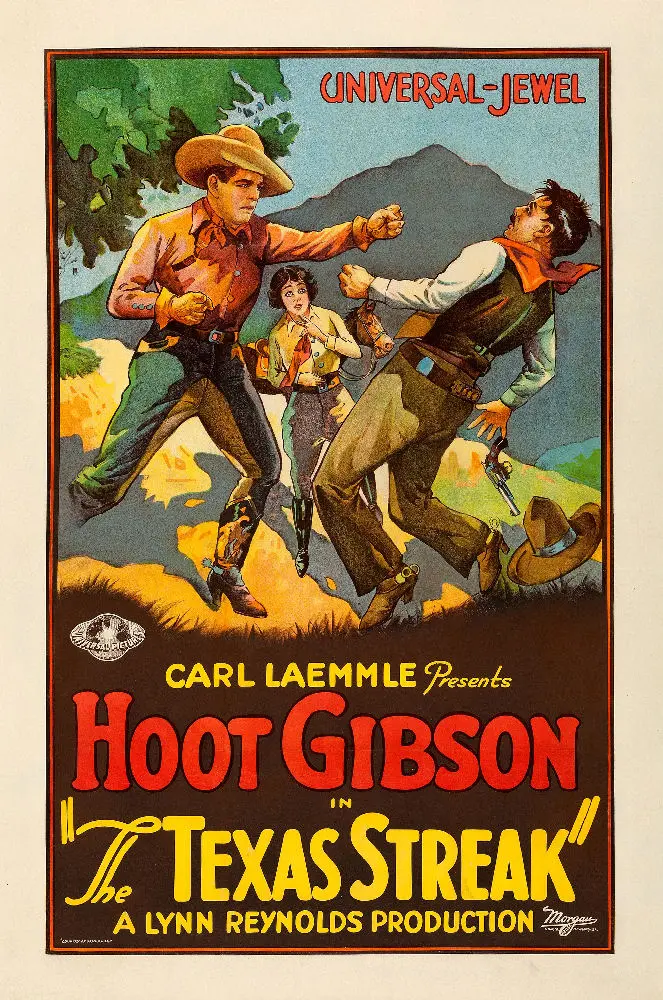
A definitive 8/10 rating for a film that redefined the boundaries of cult cinema. The Texas Streak remains a cornerstone of transgressive art.
Is The Texas Streak worth revisiting in the modern era? Short answer: yes, but with a significant caveat. This 1925 silent Western, starring the inimitable Hoot Gibson, offers a fascinating glimpse into early Hollywood's take on frontier myth-making, but its pacing and narrative simplicity might test the patience of contemporary viewers. It is a film for ardent Western enthusiasts, silent cinema scholars, and those curious about the evolution of cinematic storytelling. Conversely, it is decidedly not for audiences seeking fast-paced action, complex character studies, or modern production values.
This film works because it brilliantly, albeit unintentionally, deconstructs the very cowboy archetype it aims to celebrate, offering a meta-narrative on authenticity versus performance. Its charm lies in its earnest portrayal of a bygone era's anxieties about progress and tradition. It works. But it’s flawed. This film fails because its plot, while engaging, often sacrifices nuanced character development for broad strokes, and its silent-era conventions can feel jarring without proper context. You should watch it if you appreciate the historical significance of early Westerns, enjoy Hoot Gibson's unique screen presence, and are willing to engage with a film on its own terms, understanding its place in cinematic history rather than judging it by today's standards.
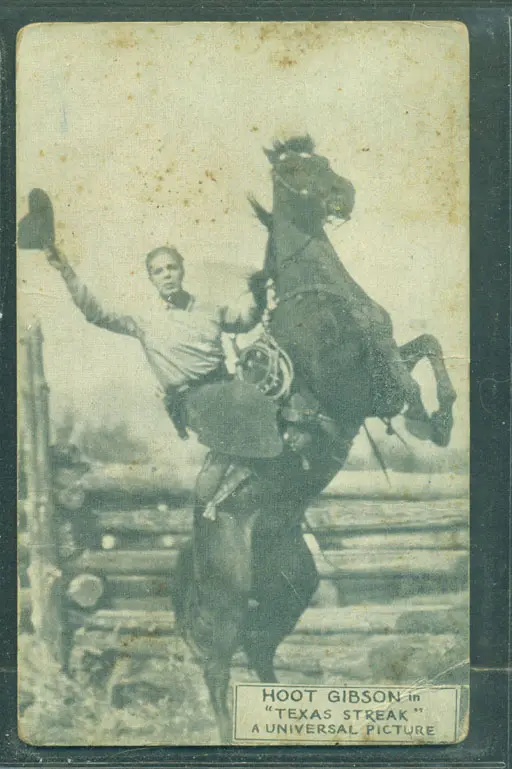
Lynn Reynolds' The Texas Streak plunges us into a narrative that, on its surface, appears to be a straightforward tale of good versus evil in the American West. Yet, beneath the dust and the galloping horses, there’s a subtle, almost prescient commentary on identity and performance. Our protagonist, Chad Pennington, isn't a hardened frontiersman but a Hollywood construct—a 'movie-cowboy,' as the plot succinctly puts it. He’s an actor, not a doer, and this fundamental distinction colors every one of his interactions.
Chad’s decision to impersonate "Tommy Hawk," a legendary two-gun outlaw, isn’t born of malicious intent but rather a theatrical flourish, an attempt to embody the very myths he’s accustomed to portraying on screen. This masquerade is the film’s central conceit, and it’s surprisingly potent. It immediately sets up a dynamic where the audience is privy to a secret that the other characters are not, creating a layer of dramatic irony that elevates the otherwise simple premise.
The conflict he stumbles into is archetypal: a ruthless development company pitted against a community of resilient ranchers. This isn't just a land dispute; it's a clash of ideologies. The developers represent the relentless march of industrialization, eager to pave over tradition and natural beauty for profit
IMDb 5.6
1929
Community
Log in to comment.