DbcultAccessing Vault...
Cult Review
Senior Film Conservator
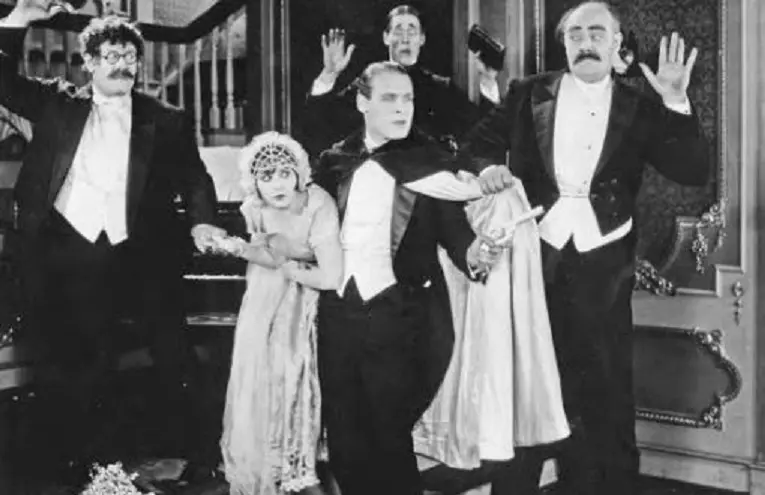
Love's Sweet Piffle, a grimy, gray early 20th-century production, introduces us to a world where the veil of societal expectations is rent asunder by a masked man’s audacious act of kidnapping. This film, directed with a palpable sense of tension and urgency, navigates the labyrinthine emotions and ethical dilemmas that arise when the sanctity of a marriage is suddenly compromised.
The plot centers on the wedding day of a lighthearted and optimistic bride, Jane, who is whisked away by a cloaked figure moments before her ceremony. The bridegroom, a man of similar disposition, is left to grapple with the sudden and inexplicable turn of events, all while an array of characters from the bride’s social circle and family are thrust into a complex web of intrigue and moral quandaries.
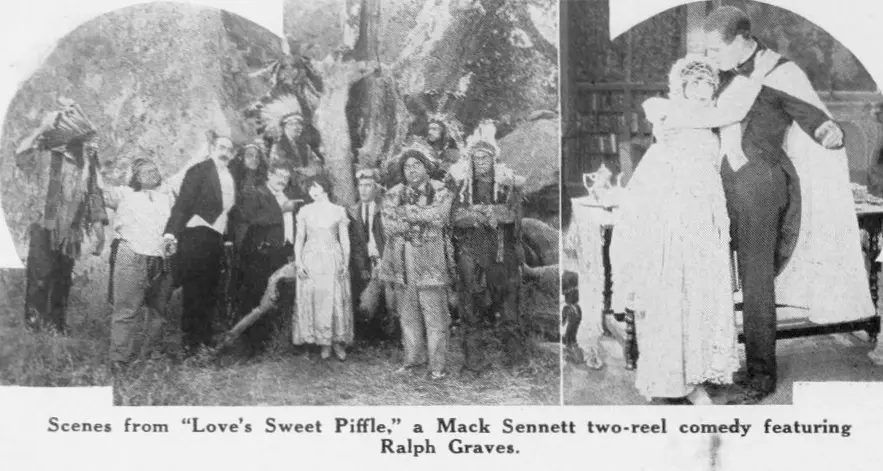
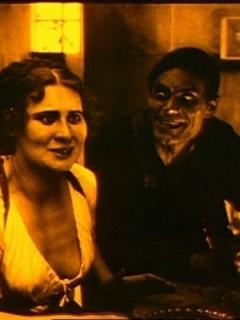
The film’s pacing is relentless, unfolding in a series of rapid, suspenseful scenes that mirror the bride groom’s mounting anxiety. As the police and town folk scramble to find the bride, the masked kidnapper remains elusive, taunting authorities and the groom with cryptic messages and surreptitious meetings. The production’s visual style is a testament to its era, employing sepia tones and dramatic lighting to heighten the film’s noir-inspired atmosphere.
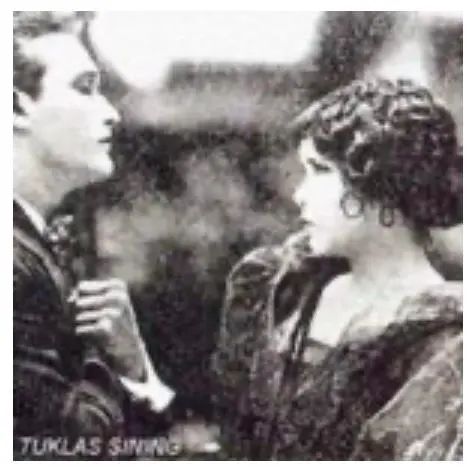
The cast of Love's Sweet Piffle is robust and diverse, with each actor bringing a unique depth to their role. Andre Bailey, in his role as the bridegroom, exudes a mix of desperation and determination, his performance a poignant portrayal of a man torn between his love for his bride and the overwhelming sense of loss and betrayal. Marvin Loback, as the masked kidnapper, is a chilling presence, his character a master of manipulation and mystery. The supporting cast, including Ralph Graves, Elsie Tarron, and Vernon Dent, add layers of complexity to the narrative, their interactions with the central characters driving the plot forward with increasing intensity.
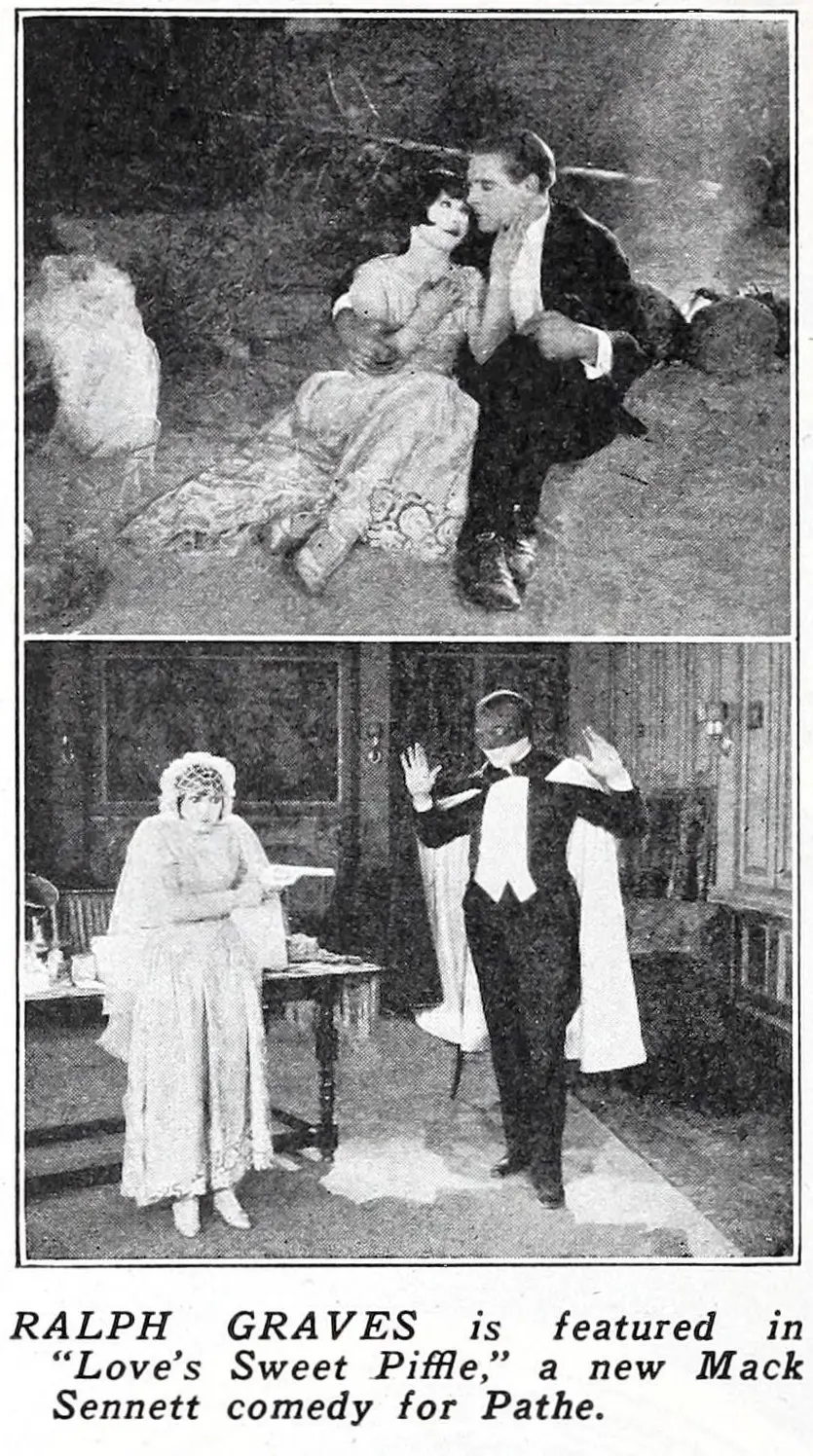
Central to the film’s narrative is the question of why the masked man chose to kidnap the bride. As the story unfolds, viewers are invited to consider the myriad possibilities: from a personal vendetta to a broader commentary on the societal pressures that can lead to such drastic actions. The film’s script, penned by John A. Waldron, Rob Wagner, Hal Conklin, and Jefferson Moffitt, is a masterclass in subtext and implication, leaving much to the viewer’s imagination.
The film’s themes are not confined to the immediate plot; they extend to a broader commentary on the nature of love, duty, and the blurred lines between right and wrong. Jane, the bride, finds herself caught in a web of conflicting emotions and societal expectations. Her character arch is a study in resilience and adaptability, as she navigates the challenges of her sudden situation with a blend of naivety and burgeoning strength. The film’s exploration of these themes is both thought-provoking and emotionally resonant, making it a compelling piece of early cinema.
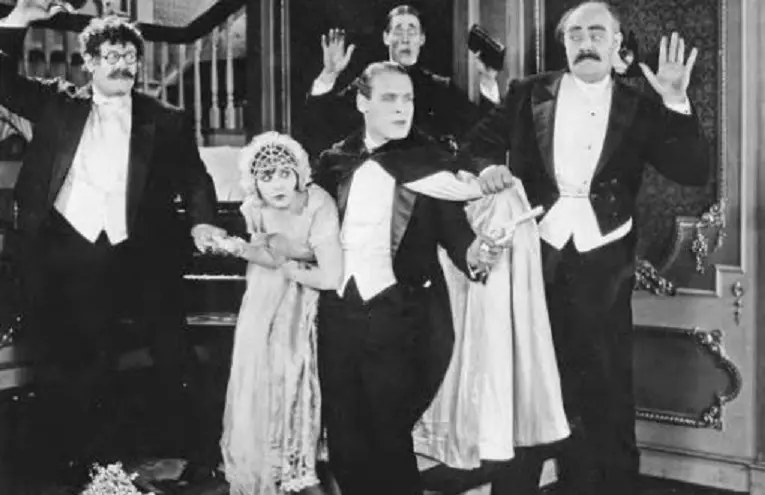
The production design, though limited by the technological constraints of its era, manages to create an ambiance that is both gritty and romantic. The use of muted colors and shadowy lighting contributes to the film’s overall mood, creating a sense of foreboding and intrigue. The sets, while basic, are well-crafted, each location serving to enhance the narrative’s progression and the characters’ emotional journeys.
Love's Sweet Piffle stands out not just for its engaging plot but also for its timelessness. It speaks to issues that remain relevant in contemporary society, such as the complexities of personal relationships and the unpredictability of human behavior. The film’s ability to weave together personal drama with broader social commentary is a hallmark of its quality and appeal.
For those interested in early 20th-century American cinema, Love's Sweet Piffle offers a captivating glimpse into a bygone era. Its blend of romance, mystery, and social commentary makes it a must-see for film enthusiasts and casual viewers alike. From the masked kidnapper’s enigmatic presence to the bridegroom’s emotional turmoil, the film is a rich tapestry of human emotion and societal tension. It is a testament to the enduring power of well-crafted storytelling in the face of technological limitations.
IMDb 6.5
1919
Community
Log in to comment.