DbcultAccessing Vault...
Cult Review
Senior Film Conservator
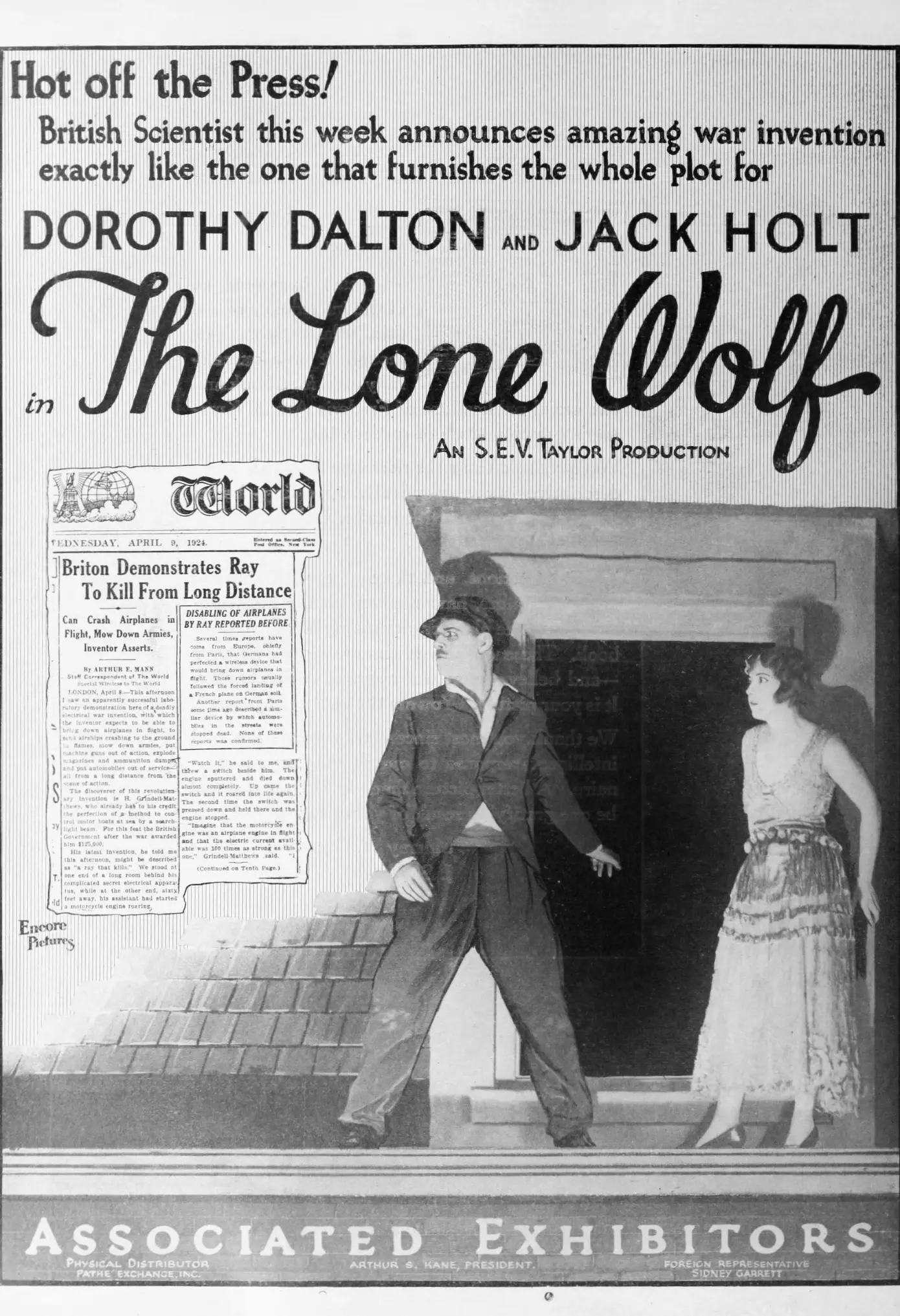
The Lone Wolf (1924) is a masterful blend of early Hollywood sensibilities and a captivating narrative that has stood the test of time. Directed by Rex Ingram, this film stars Gustav von Seyffertitz as Michael Lanyard, a masterful international crook known as 'The Lone Wolf,' and Alphonse Ethier as a member of 'The Pack,' a gang suspected of possessing stolen defense plans. The story unfolds in a world where intrigue, romance, and daring escapades are the norm.
Michael Lanyard, a seasoned criminal with a penchant for risk and a desire for asylum in the United States, offers to retrieve the stolen plans in exchange for his freedom. His journey takes him through the labyrinthine world of gangsters, secret agents, and unexpected alliances. Lanyard's quest is not just a matter of personal gain; it's a race against time and a battle of wits.
The character of Michael Lanyard is a complex and multifaceted figure. Von Seyffertitz brings to life a man who is both cunning and compassionate, with a sense of justice that guides his actions. His relationship with Lucy Shannon, a member of 'The Pack' played by Lucy Fox, is a pivotal element of the film. Their partnership is built on mutual respect and a shared goal, but it is also marked by tension and betrayal.
Lucy Shannon, portrayed with a blend of toughness and vulnerability, is a crucial character in the film. She is not merely a sidekick or a love interest but a formidable figure in her own right. The dynamic between Lanyard and Shannon is rich with layers of tension, romance, and a deep understanding of each other's motives. This relationship forms the emotional core of the film, providing viewers with a compelling narrative thread.
The plot of 'The Lone Wolf' is a masterful construction of suspense and action. The narrative begins with the introduction of Michael Lanyard, an international criminal with a mysterious past. The first act sets up the central conflict by highlighting Lanyard's encounter with Lucy Shannon and the subsequent mission to retrieve the stolen plans. The second act is a series of intense and intricate scenes that showcase the protagonist's ingenuity and the challenges he faces. The climax, a daring airplane ride, is a testament to the film's technical prowess and the actors' talent.
One of the most intriguing aspects of the film is the revelation of Lucy Shannon's true identity. This twist adds an extra layer of complexity to the narrative, transforming the film from a straightforward crime thriller into a story of betrayal and redemption. The resolution is satisfying and leaves the audience with a sense of closure, while also hinting at potential sequel possibilities.
'The Lone Wolf' is a testament to the technical achievements of early Hollywood. The use of cutting-edge special effects and the innovative use of airplanes in film production set a new standard for the time. The production design, with its lavish sets and costumes, transports the viewer to a world of glamour and danger. The cinematography, by Arthur Edeson, captures the essence of the story, from the gritty underworld of the gangsters to the romantic scenes between Lanyard and Shannon.
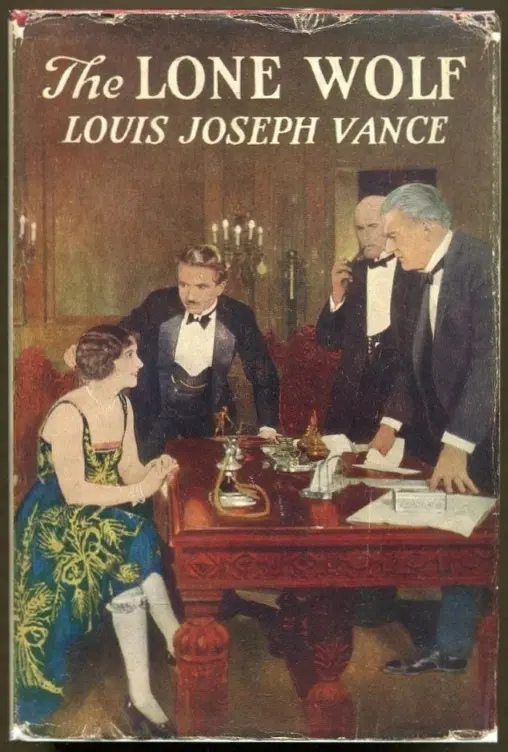
The film's score, composed by Joseph Carl Breil, enhances the emotional impact of the scenes, adding depth and atmosphere to the narrative. The orchestral music effectively conveys the tension and excitement of the chase scenes, while the romantic interludes are underscored by a more tender and melodic arrangement.
'The Lone Wolf' can be compared to other films of its era, such as 'Pace That Kills' and 'Man by the Roadside,' which also explore the themes of crime, romance, and adventure. However, what sets 'The Lone Wolf' apart is its unique blend of high-stakes drama and romantic subtext. The film's narrative structure and pacing are reminiscent of 'The Winning of Sally Temple,' another film that balances romance and adventure.
On a technical level, 'The Lone Wolf' can be compared to films like 'The Tiger Lily,' which also featured innovative use of aircraft in film production. The special effects and the use of airplanes in 'The Lone Wolf' were groundbreaking for the time, setting a new standard for action sequences in early cinema.
In conclusion, 'The Lone Wolf' is a remarkable film that showcases the talents of its cast and crew. Gustav von Seyffertitz and Lucy Fox deliver compelling performances, while the technical elements of the film, including the innovative use of airplanes and the stunning production design, elevate the narrative to a new level. 'The Lone Wolf' is a must-see for fans of early Hollywood and anyone who appreciates a well-crafted story of intrigue, romance, and adventure.
For more reviews and insights on classic films, visit our page: The Lone Wolf (1924).
Explore more films from the golden age of cinema:
IMDb —
1917
Community
Log in to comment.