DbcultAccessing Vault...
6.7/10
Senior Film Conservator
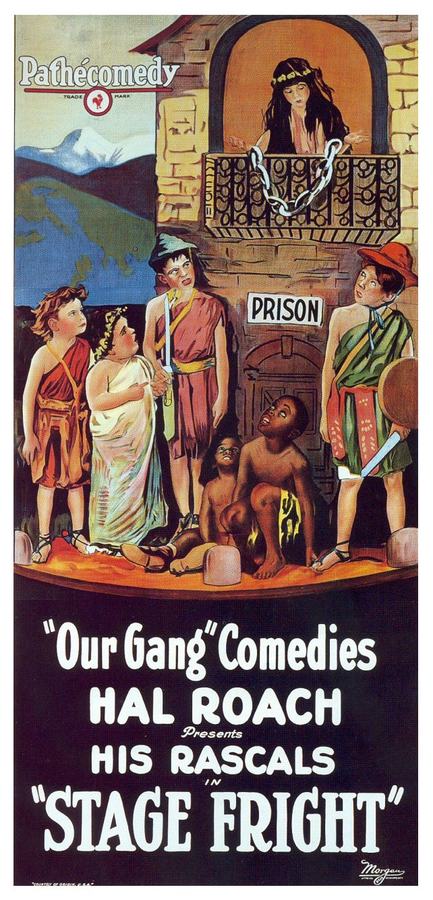
A definitive 6.7/10 rating for a film that redefined the boundaries of cult cinema. Stage Fright remains a cornerstone of transgressive art.
In the pantheon of early American silent comedy, few ensembles captured the unvarnished spirit of youth quite like the Our Gang troupe. Under the stewardship of Hal Roach, these shorts transcended mere juvenile hijinks to provide a panoramic view of early 20th-century Americana. Stage Fright (1923) stands as a particularly salient example of this, merging the 'con man' trope—so prevalent in films like The Son of Wallingford—with the chaotic energy of amateur dramatics.
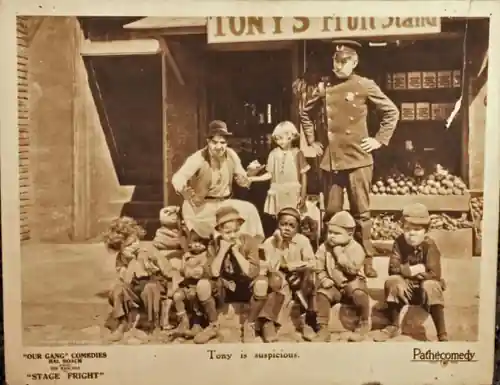
The narrative engine of Stage Fright is fueled by the arrival of 'Prince Dalmar El Faro,' a name that drips with the kind of performative exoticism that defined the era's charlatans. Unlike the more nuanced social climbers found in Garments of Truth, Dalmar is a predator of pure artifice. He arrives in the community not to integrate, but to extract. His scheme—raising funds for a 'starving tribe'—is a dark reflection of the era's missionary zeal, repurposed here for the sake of a quick buck.
What makes this setup particularly effective is the juxtaposition of Dalmar’s calculated deception with the gang’s organic chaos. While the adults are blinded by the Prince's regal veneer, the children see the world through a lens of immediate, physical reality. This tension between adult pretension and juvenile pragmatism is a recurring motif in Roach’s work, often providing a sharper social critique than the more sentimental offerings like Little Miss Happiness.
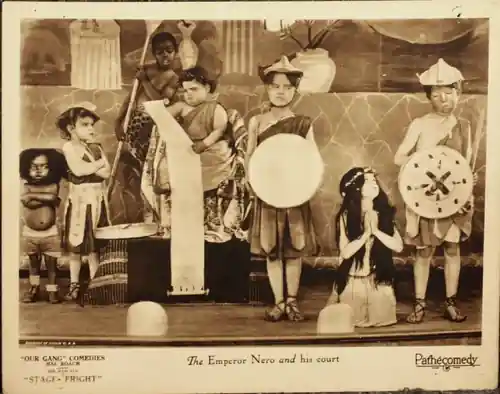
The film’s second act shifts from the streets to the stage, as the community attempts to stage a Roman epic. This 'play within a play' structure is a classic comedic device, yet here it serves to physically manifest the artifice of Dalmar’s world. The gang, dressed in ill-fitting togas and wielding wooden swords, are the ultimate disruptors of order. Mickey Daniels, with his infectious, freckle-faced grin, and Ernie Morrison (Sunshine Sammy), whose comedic timing remains legendary, turn a solemn historical recreation into a demolition derby of props and costumes.
"The stage becomes a battlefield where the rigid structures of Ancient Rome—as imagined by Midwestern amateurs—collide with the entropic force of the American child. It is a spectacle of glorious, unscripted destruction."
This sequence mirrors the frantic pace of Ball Bearing, But Hard Running, where the kinetic energy of the performers dictates the rhythm of the edit. H.M. Walker’s intertitles provide the necessary linguistic punch, punctuating the visual gags with a dry, observational wit that elevates the slapstick into the realm of satire.
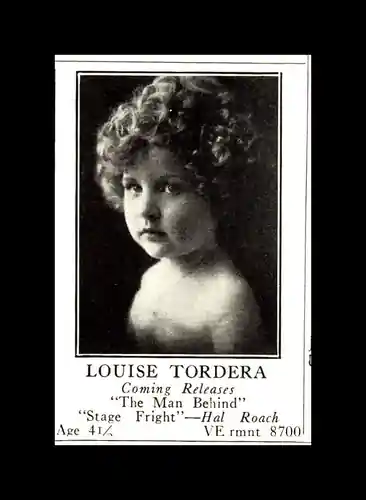
The cast of Stage Fright is a veritable who’s-who of early silent comedy. Allen 'Farina' Hoskins, even at a tender age, exhibits a screen presence that is both magnetic and poignant. The racial dynamics of the 1920s often relegated Black performers to the periphery, but in the Roach universe, the children operated on a plane of relative equality, united by their shared status as agents of chaos. Farina’s reactions to the unfolding theatrical disaster are among the film’s highlights, offering a silent commentary on the absurdity of the adult world.
Sam Lufkin and William Gillespie provide the necessary 'straight man' foil to the children’s antics. Their attempts to maintain the dignity of the production while the set literally crumbles around them is a masterclass in slow-burn frustration. This dynamic is reminiscent of the domestic friction in The Accidental Honeymoon, where the best-laid plans are thwarted by the unpredictability of human nature.
Technically, Stage Fright is a testament to the efficiency of the Hal Roach Studios. The cinematography, while functional, manages to capture the depth of the stage setting, allowing the viewer to appreciate the scale of the disaster. The use of depth of field during the Roman play is particularly effective; we see the main action in the foreground while various gang members cause havoc in the upstage areas. This layered approach to comedy was a precursor to the more sophisticated visual gags later perfected by Buster Keaton.
When compared to more dramatic silent anthology pieces like Bits of Life, Stage Fright might seem lightweight, but its lightness is its strength. It doesn't aim for the heavy-handed moralizing of The Valley of Tomorrow. Instead, it finds truth in the absurdity of the human condition—specifically, our desire to be entertained and our susceptibility to a well-told (or poorly staged) lie.
The resolution of the Prince Dalmar plotline is swift and satisfying. In the world of silent comedy, villains are rarely truly menacing; they are more often buffoons whose greed is their undoing. Dalmar’s exposure is not the result of a brilliant detective work, but a byproduct of the gang’s unintentional honesty. Their failure to adhere to the script—both literally in the play and figuratively in Dalmar’s scheme—shatters the illusion. It is a theme often explored in films like Play Square, where integrity eventually triumphs over artifice.
The final scenes, featuring the gang in various states of disarray, serve as a reminder of the fleeting nature of childhood. These children, who were stars in their time, captured a specific moment in cinematic history before the advent of the 'talkies' changed the industry forever. Looking back at Stage Fright through a contemporary lens, one cannot help but feel a sense of nostalgia, not just for the era, but for the raw, unpolished joy of performance.
Stage Fright is more than just a footnote in the Our Gang filmography. It is a vibrant, hilarious, and surprisingly cynical look at the world of performance—both on and off the stage. From the intricate wordplay of H.M. Walker to the physical genius of the young cast, the film remains a high-water mark for the 1920s short subject. Whether you are a scholar of silent cinema or simply a fan of classic slapstick, this film offers a rewarding experience that transcends its century-old vintage.
In the grand tradition of films like The Lucky Number or the Swedish charm of När konstnärer älska, Stage Fright reminds us that while the technology of storytelling evolves, the fundamental human capacity for both deception and delight remains unchanged. It is a comedic gem that deserves its place alongside the greats of the era, such as The Brass Bottle or Checkers.
IMDb 6.5
1935
Community
Log in to comment.