DbcultAccessing Vault...
Cult Review
Senior Film Conservator
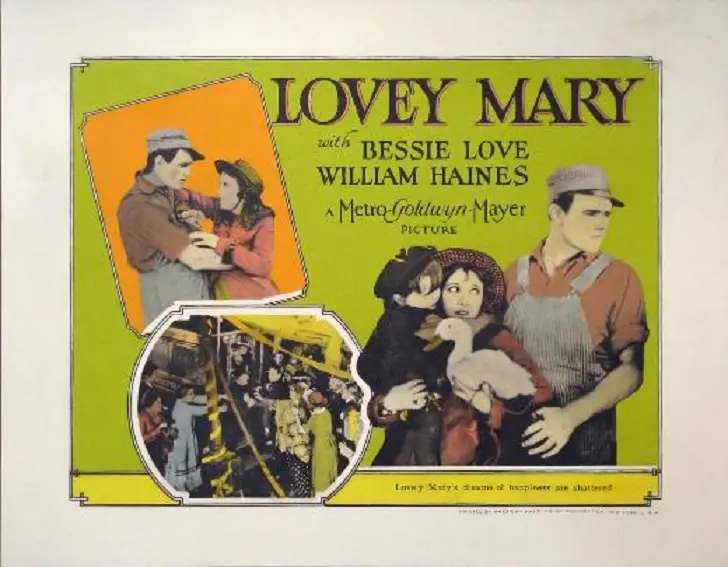
Short answer: Yes, but it requires a certain appreciation for early cinema and its storytelling techniques. Lovey Mary, a 1923 drama, offers a poignant exploration of motherhood and resilience, making it a valuable piece of cinematic history for those interested in the evolution of film narrative.
This film is for those who appreciate the subtleties of early 20th-century storytelling and are curious about how classic dramas were crafted. It is not for those who prefer modern, fast-paced narratives or those who find the pacing and acting of older films off-putting.
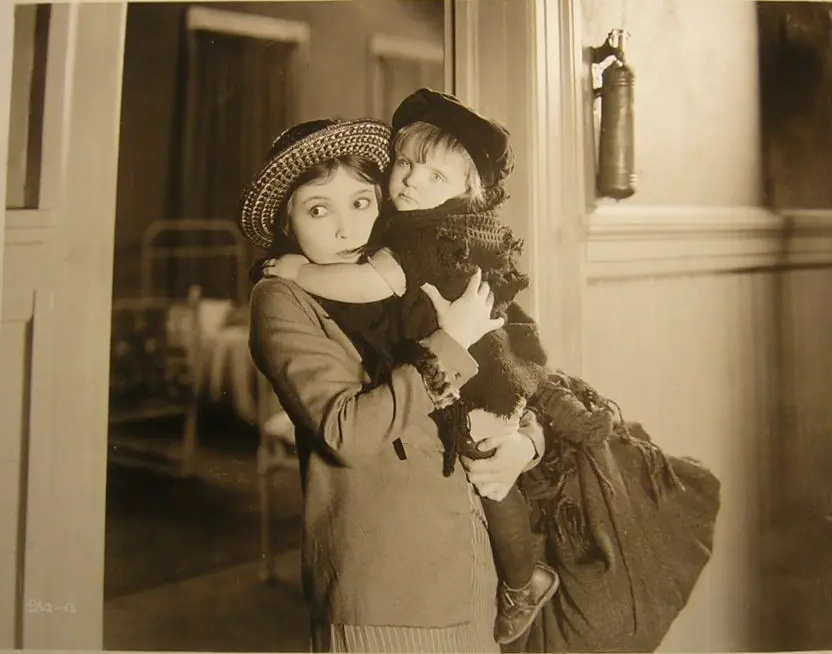
The performances of Vivia Ogden and Jackie Combs are the backbone of Lovey Mary. Ogden’s portrayal of the resilient and resourceful Lovey Mary is both touching and believable. The chemistry between Ogden and Combs as the child she cares for is particularly compelling, adding depth to their relationship.
The film's exploration of motherhood and the challenges faced by women in early 20th-century America is a strong thematic element. This social commentary, while rooted in the past, still resonates with contemporary audiences, making the film more than just a historical artifact.

The pacing of the film can feel slow to modern viewers. The deliberate pacing and reliance on subtlety in storytelling can be challenging for those accustomed to more rapid narrative progressions. The film also suffers from dated dialogue, which can feel stilted and artificial compared to the naturalistic performances of its actors.
The film's reliance on melodrama occasionally feels overwrought, with moments that verge on the contrived. While this was a common technique in the era, it can be jarring to contemporary viewers who may find the emotional beats exaggerated or forced.
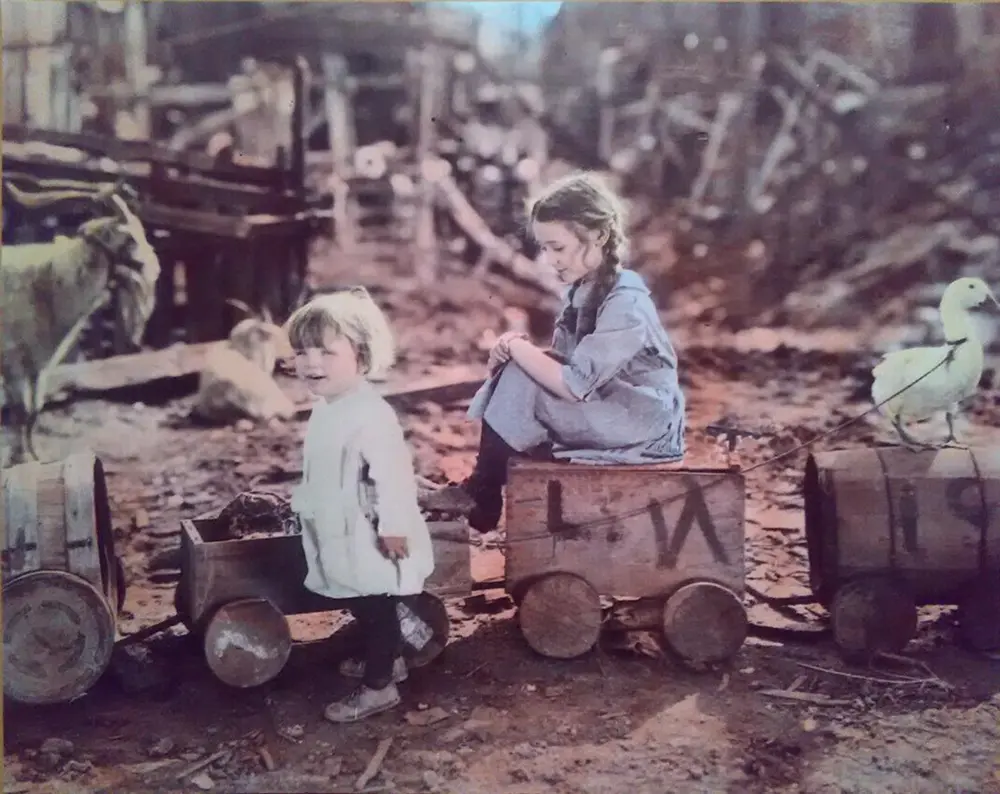
You should watch it if you are interested in the evolution of film narrative and storytelling techniques from the 1920s. The performances of the lead actors and the film's exploration of early 20th-century social issues make it a valuable piece of cinematic history. This film is also worth watching if you are a fan of early American cinema and are willing to engage with a slower, more nuanced narrative style.
Vivia Ogden delivers a standout performance as Lovey Mary. Her portrayal is grounded in realism, making her character's journey believable and emotionally resonant. Jackie Combs as the young boy also brings a level of authenticity to their relationship, making the scenes between the two particularly touching.
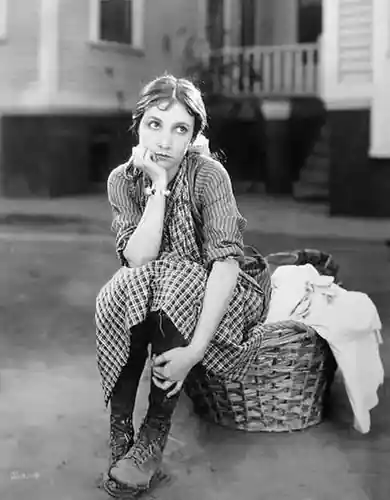
The supporting cast, including Ella McKenzie and Gloria Holt, add depth to the film's social commentary. Their performances are essential in fleshing out the world of early 20th-century America, providing context for the main characters' struggles.
Directed by Fred C. Newmeyer and Sam Taylor, the film has a steady hand in guiding the narrative. The pacing, while deliberate, serves the story well, allowing for emotional depth and character development. The direction is a testament to the filmmakers' understanding of early cinema and their ability to craft a compelling story within the constraints of the era.
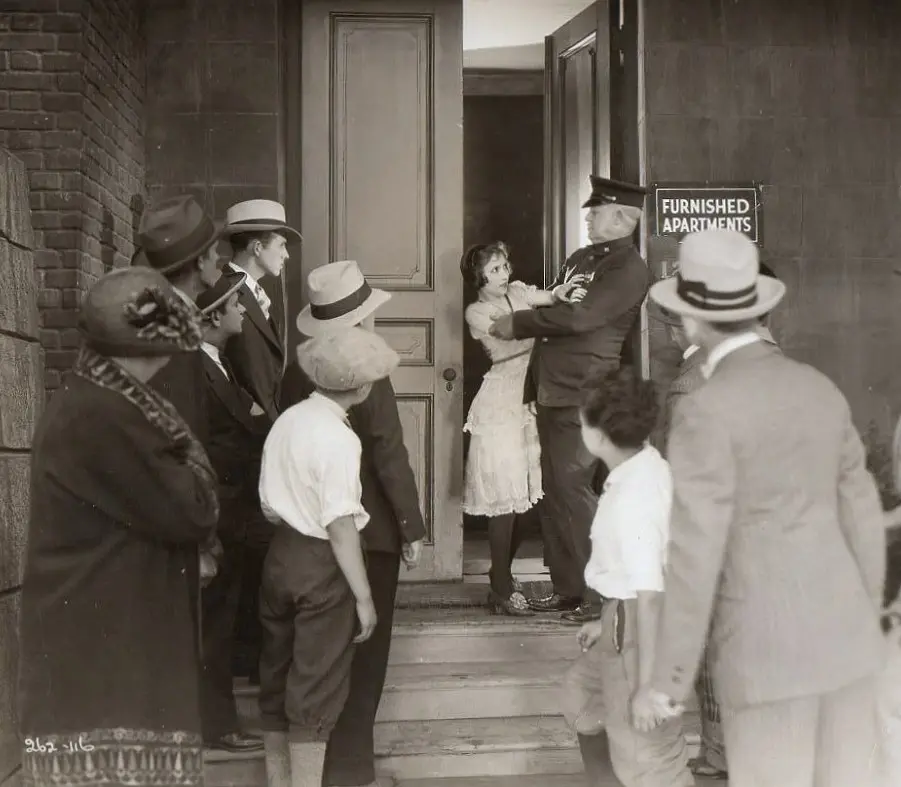
The cinematography by Karl Brown is a significant highlight of the film. The use of natural lighting and framing effectively captures the gritty realism of early 20th-century America. The scenes in the home and on the streets offer a vivid and honest portrayal of the lives of the characters, adding to the film's authenticity.
The pacing of Lovey Mary is one of its most notable aspects. The film moves at a measured pace, allowing for the development of characters and the exploration of themes. While this can be challenging for modern viewers used to faster-paced narratives, it also allows for a deeper emotional connection with the characters. The deliberate pacing is particularly effective in the scenes that explore the bond between Lovey Mary and the young boy, creating a sense of intimacy and emotional depth.
The tone of the film is a blend of drama and social commentary. The film takes a serious approach to its exploration of early 20th-century American life, focusing on the challenges faced by women and the complexities of familial bonds. The tone is somber at times, reflecting the gravity of the characters' situations, but it also contains moments of warmth and humanity that balance out the more serious themes.
Lovey Mary is a film that requires a certain appreciation for early cinema and its storytelling techniques. For those willing to engage with a slower, more nuanced narrative style, it offers a rich and rewarding viewing experience. The performances of the lead actors and the film's exploration of early 20th-century social issues make it a valuable piece of cinematic history. However, it may not be for everyone, particularly those who prefer modern, fast-paced narratives or those who find the pacing and acting of older films off-putting.
Lovey Mary is a film that works because of its strong performances, nuanced exploration of early 20th-century social issues, and effective use of early cinema techniques. However, it fails because of its slow pacing and reliance on melodrama. It is worth watching if you are interested in the evolution of film narrative and storytelling techniques from the 1920s, but it may not be for everyone. The performances and the film's exploration of early 20th-century American life make it a valuable piece of cinematic history, but it requires a certain appreciation for the style and pace of older films.
IMDb 6
1933
Community
Log in to comment.