DbcultAccessing Vault...
5.2/10
Senior Film Conservator
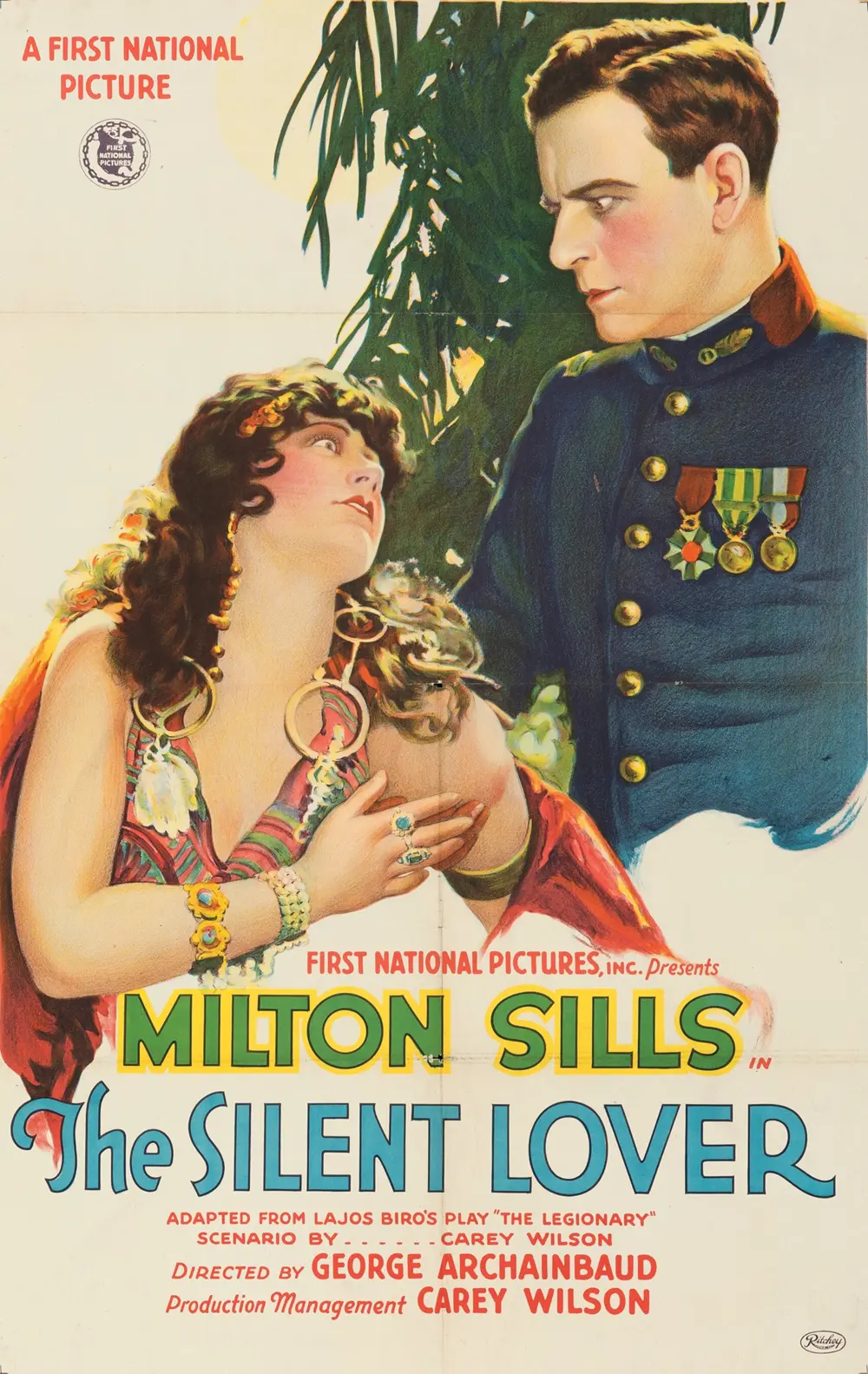
A definitive 5.2/10 rating for a film that redefined the boundaries of cult cinema. The Silent Lover remains a cornerstone of transgressive art.
Should you watch The Silent Lover? Short answer: Yes, provided you can stomach the theatrical tropes of the 1920s in exchange for a powerhouse lead performance. This isn't a lighthearted romp like A Virtuous Vamp, but rather a somber exploration of a man's total moral collapse.
This film is specifically for those who appreciate the 'tough-guy' vulnerability that Milton Sills brought to the screen. It is definitely not for viewers who demand modern pacing or a hero they can root for from the opening frame. Pierre Tornai is, for the first half of the film, an absolute wreck.
1) This film works because Milton Sills possesses a physical presence that makes the Count’s transition from a tuxedo-clad drunk to a sun-baked soldier entirely believable.
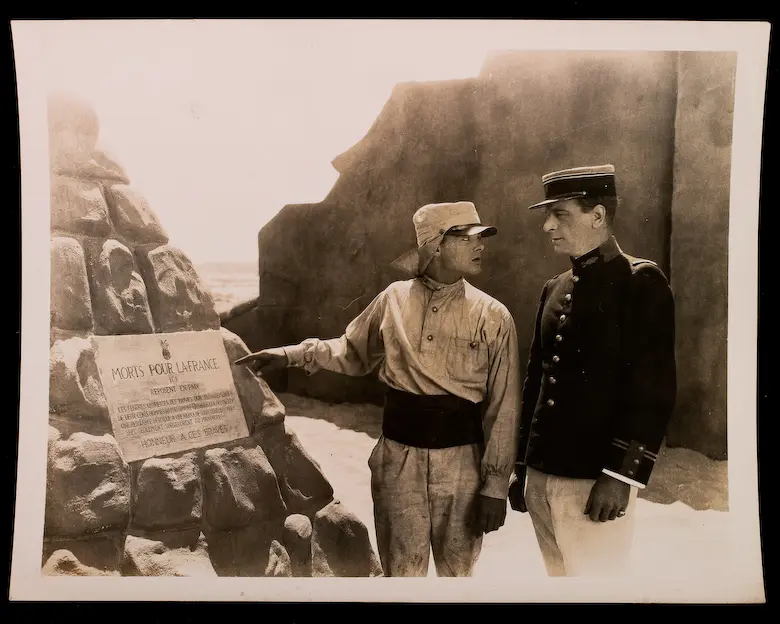
2) This film fails because the secondary characters, particularly the dancer who triggers Pierre's final ruin, are written with the depth of a wet napkin.
3) You should watch it if you want to see how the 'Foreign Legion' trope was established as the ultimate cinematic purgatory for broken men.
The film opens with a sequence that feels intentionally claustrophobic. Paris is not presented as a city of light, but as a series of dimly lit rooms and clinking glasses. Count Pierre Tornai, played with a heavy-lidded exhaustion by Milton Sills, is already at the end of his rope. Unlike the playful antics in Hearts and Flowers, the decadence here feels heavy and dangerous.
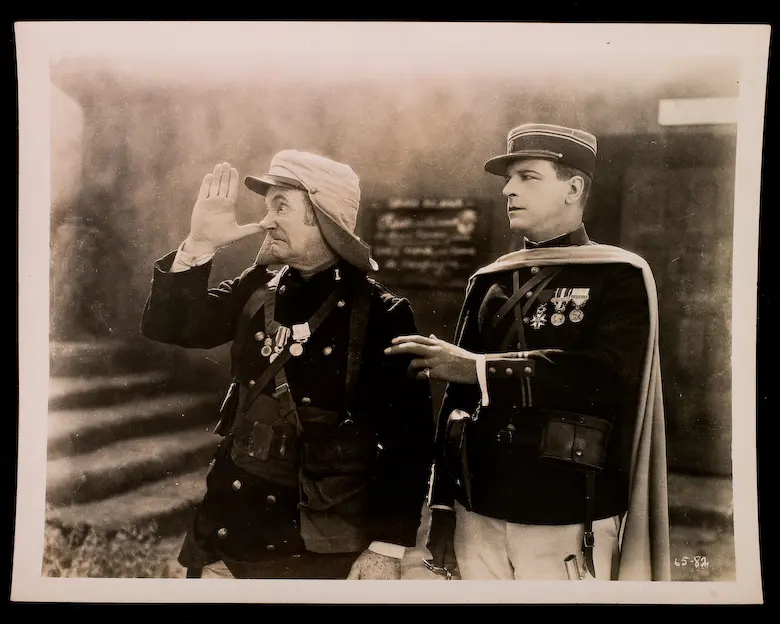
The scene where Pierre embezzles the embassy funds is a masterclass in silent tension. He isn't a master criminal; he is a desperate man whose brain is clouded by liquor. The way Sills fumbles with the documents, his hands trembling not just from the cold but from the weight of his betrayal, is a specific detail that grounds the melodrama. It’s a moment of pure, unadulterated failure.
When he spends his last penny on the dancer, the film takes a turn toward the cynical. The dancer herself is a caricature of the 'vamp' era, but her indifference to Pierre’s plight is a sharp, cold splash of water. It forces him—and the audience—to realize that in this world, money is the only thing that buys loyalty. Without it, he is a ghost in his own life.
Milton Sills was often called the 'man's man' of the silent era, but here he explores something far more interesting: masculine shame. In films like Daring Youth, we see the vigor of the age, but Sills brings a weight to the role of Tornai that feels almost modern. He doesn't just play a drunk; he plays a man who is disgusted by his own reflection.
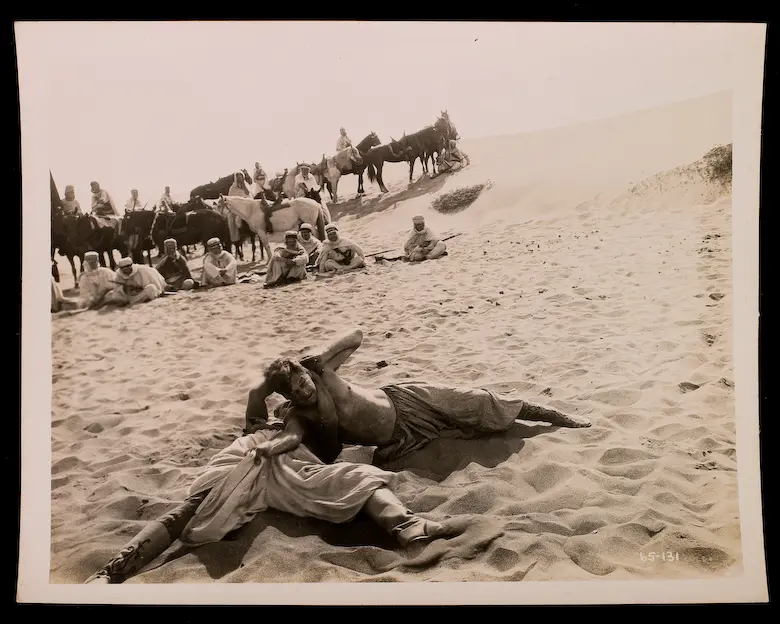
The transition to the Foreign Legion is where Sills really shines. The physical transformation is striking. Gone is the manicured aristocrat, replaced by a man whose skin seems to bake into the desert landscape. The way he carries his rifle—not as a weapon, but as a crutch for his sanity—is a subtle piece of physical acting that many of his contemporaries would have missed.
One of the most debatable aspects of Sills' performance is his 'silence.' The title isn't just a catchy phrase; it reflects his internal state. He stops explaining himself. He stops making excuses. He just exists. This stoicism is a double-edged sword. It makes him a hero, but it also makes him somewhat unreachable for the audience. He is a man who has checked out of the human race and is waiting for the desert to claim him.
George Archainbaud’s direction is surprisingly nuanced for 1926. He uses the contrast between the embassy and the desert to highlight Pierre’s internal journey. The embassy is full of vertical lines, pillars, and rigid social structures. The desert is horizontal, endless, and indifferent. It is a visual representation of Pierre’s loss of status and his gain of freedom.
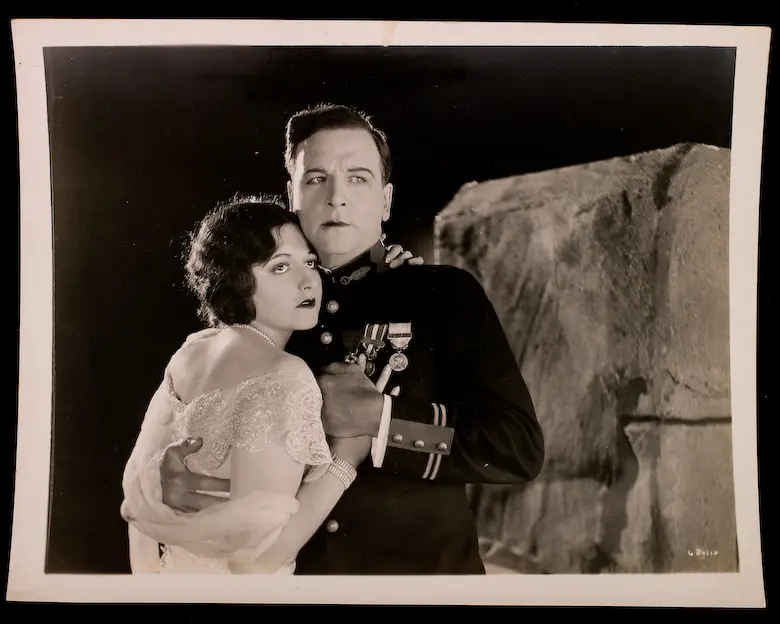
Compare this to the visual style of Driftwood, which uses its setting as a backdrop rather than a character. In The Silent Lover, the sand is an antagonist. It gets into everything—the food, the uniforms, and the minds of the men. The cinematography captures the heat shimmer with a clarity that makes the viewer feel the thirst. It’s an uncomfortable film to watch, which is its greatest strength.
The pacing, however, is where the film stumbles. The first half moves with the frantic energy of a fever dream, but once we hit the desert, the story slows to a crawl. While this may be a deliberate choice to reflect the monotony of soldier life, it risks losing the audience's interest. There are only so many shots of men marching toward a horizon before the metaphor begins to wear thin.
Yes, The Silent Lover is worth watching for anyone interested in the evolution of the 'man in exile' trope in cinema. It provides a gritty, unromanticized look at the Foreign Legion that predates many of the more famous talkie versions. If you are a fan of Milton Sills, this is essential viewing as it showcases the full range of his physical and emotional acting.
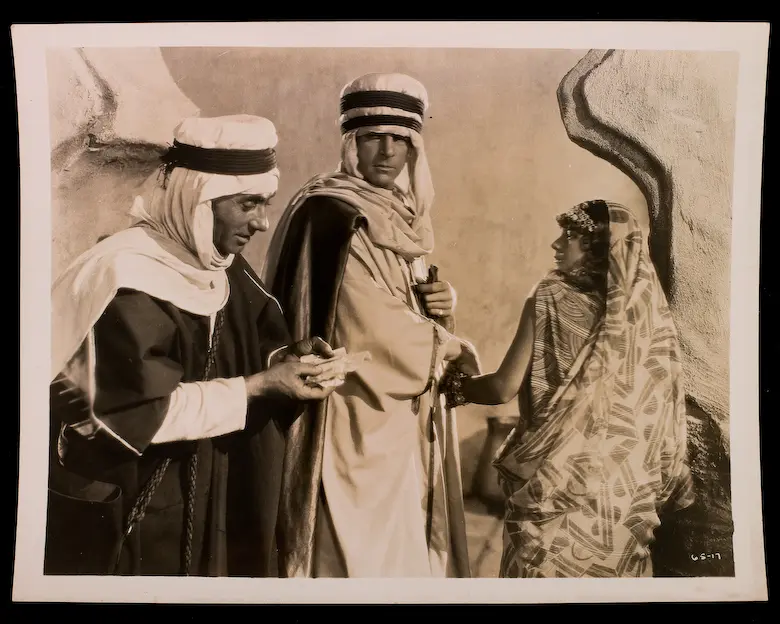
However, if you are looking for a fast-paced action movie, you will be disappointed. This is a character study wrapped in the trappings of an adventure film. It requires patience and an appreciation for the subtle language of silent film acting. It is a film that demands your full attention, or it will simply feel like a collection of dusty images.
Pros:
- Milton Sills delivers a career-defining performance of masculine regret.
- The visual contrast between Paris and the Sahara is expertly handled.
- The film avoids many of the overly sentimental clichés of the era.
- The script by Lajos Biró provides a solid, if predictable, emotional arc.
Cons:
- The pacing in the second act is sluggish and repetitive.
- The female characters are largely one-dimensional and exist only to influence Pierre.
- Some of the 'drunk' acting in the early scenes feels a bit too theatrical for modern tastes.
The Silent Lover is a tough, uncompromising look at a man who has to hit rock bottom before he can even look at the stars. It isn't always pleasant, and it isn't always fast, but it is always honest about the cost of a wasted life. Sills is the anchor that keeps the film from drifting into melodrama. He makes you care about a man who, by all rights, you should despise.
While it may not have the name recognition of other 1920s classics, it deserves a place in the conversation about the era's best character studies. It’s a film about the silence that follows a great mistake. It works. But it’s flawed. Much like its protagonist, the film is at its best when it stops trying to be polite and starts being real. For that reason alone, it is a journey worth taking.
IMDb 5.7
1921
Community
Log in to comment.