DbcultAccessing Vault...
Cult Review
Senior Film Conservator
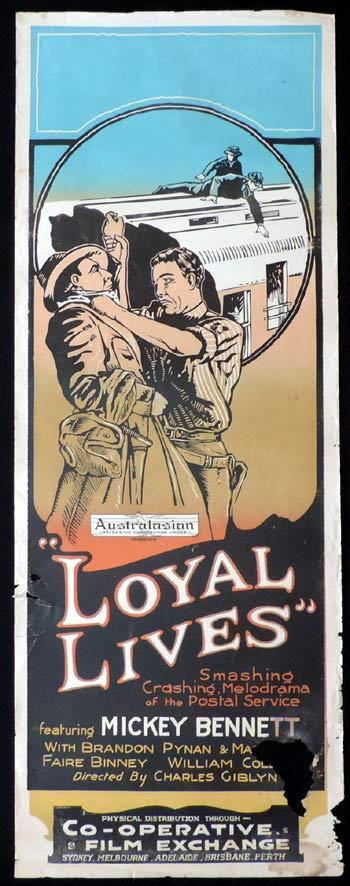
In the pantheon of 1920s silent cinema, few films capture the intersection of domestic pathos and institutional integrity with as much earnestness as Loyal Lives. Directed with a keen eye for the textures of working-class life, the film elevates the mundane existence of a letter carrier into a Homeric struggle against time, poverty, and the shifting sands of American industry. We find ourselves immersed in an era where the postman was not merely a delivery mechanism but a vital artery of the community, a harbinger of joy and, occasionally, the silent witness to heartbreak. Much like the tonal shifts found in A Son of Erin, this film leans heavily into the Irish-American experience, blending a specific cultural warmth with a universal call for decency.
The initial catalyst of the plot—Daniel O'Brien’s decision to forge letters to the Widow Brady—serves as a fascinating moral meditation. In an age of strict Victorian ethics, O’Brien’s deception is framed not as a sin of mendacity but as a supreme act of mercy. Brandon Tynan portrays O'Brien with a luminous humility, his face a map of empathetic creases. This subversion of the 'official' duty in favor of human compassion sets the stage for the film’s broader exploration of what it means to be truly 'loyal.' Is loyalty owed to the letter of the law, or to the spirit of the neighbor? This thematic depth distinguishes the work from more formulaic melodramas like The Waif, providing a psychological anchor that holds firm even as the plot ventures into the sensationalism of the final act.
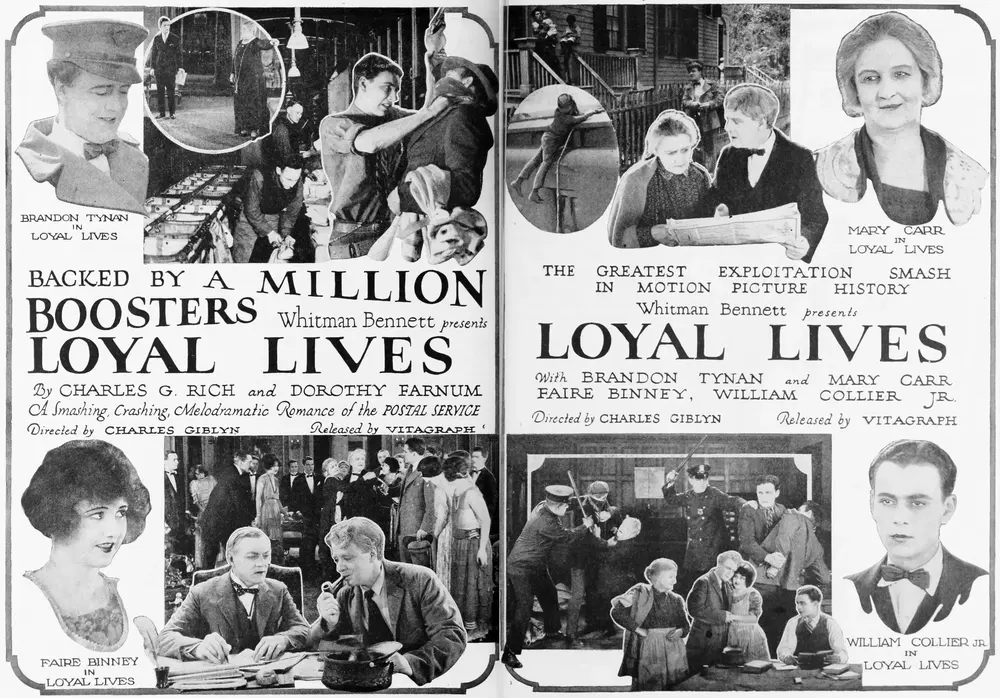
The juxtaposition between Daniel O'Brien and Michael O'Hara offers a biting critique of the American Dream's evolution. O'Hara, played with a convincing blend of ambition and eventual regret by Charles Mcdonald, represents the shift toward the 'mail-order king' archetype. His success is built on the very infrastructure that O'Brien serves, yet it alienates him from the communal bonds that O'Brien preserves. By the time we reach the seventeen-year time jump, the visual contrast is stark: O’Hara resides in the sterile opulence of the nouveau riche, while O’Brien faces the indignity of a physical disability that the state fails to sufficiently remunerate. This critique of the lack of a social safety net for public servants is surprisingly modern, echoing the anxieties found in Grafters, albeit through a more sentimental lens.
The entry of the Widow Brady’s biological son—the very man O’Brien spent years inventing on paper—introduces a darker, almost proto-noir element to the proceedings. He is the antithesis of the 'Loyal' title, a parasite who preys on the very household that sheltered his mother’s hope. When he leaves a marked bill in the teapot, it isn't just a plot device; it’s a cruel irony that targets the one man who practiced a 'good' lie. The subsequent arrest of Daniel O’Brien is a sequence of agonizing tension. We see the system he served for decades turn its cold, bureaucratic eye upon him. This segment of the film mirrors the high-stakes suspense of The Gray Ghost, proving that director and writers were adept at pivoting from hearthside drama to legal peril without losing the audience's emotional investment.
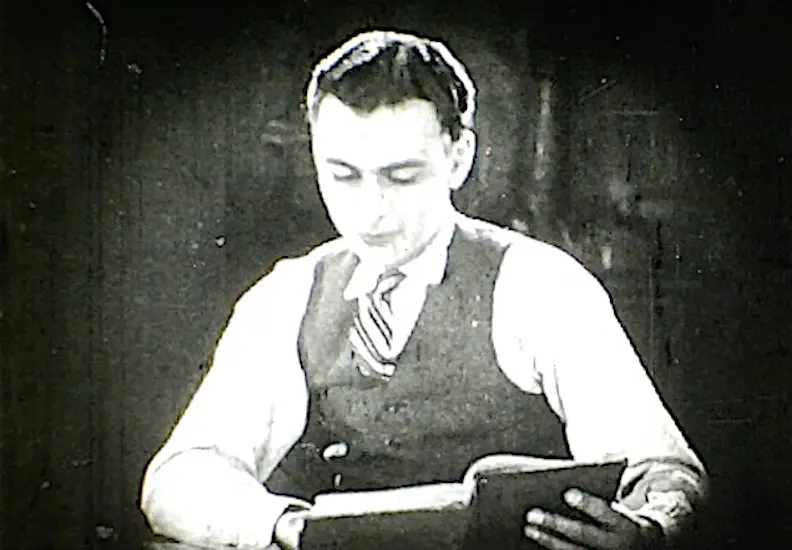
While the first two acts are rooted in character study, the third act of Loyal Lives explodes into a masterclass of silent-era action choreography. The train robbery sequence is visceral, utilizing the kinetic energy of the locomotives to mirror the internal desperation of the characters. Terrence O’Brien’s leap from the moving train into the river is a stunt of genuine peril, executed with a grit that puts many contemporary green-screen spectacles to shame. It is here that the film aligns itself with the adventurous spirit of Tom Mix in Arabia, demonstrating that even a 'postal drama' could rival the thrills of a Western when the stakes involve familial honor and the sanctity of the US Mail.
Visually, the film employs a chiaroscuro effect during the safe-cracking scenes that heightens the sense of vulnerability. The interplay of light and shadow when Daniel O'Brien confronts the robbers in the post office is nothing short of breathtaking. It’s a moment of physical redemption for a man whose body had been deemed 'disabled' by the very service he now defends with his life. The camera lingers on the tactile details—the heavy iron of the safe, the texture of the mailbags, the sweat on the brow of the aged hero. This attention to detail reminds one of the craftsmanship in The Hero of Submarine D-2, where the environment becomes a character in its own right.
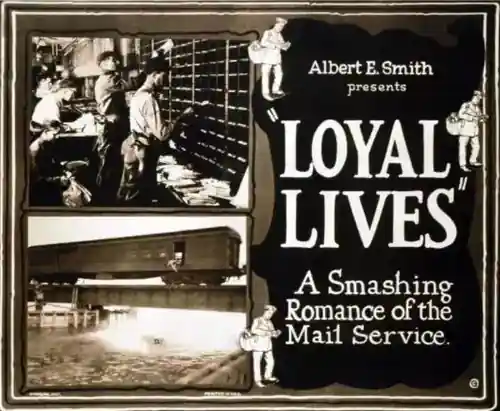
The inclusion of Postmaster General New at the film’s conclusion is a fascinating artifact of 1920s institutional pride. It serves to validate the individual’s sacrifice within the grand machinery of the state. While some might find this 'official' endorsement a bit heavy-handed, it fits perfectly within the film’s logic. The O’Haras’ eventual approval of the marriage between Tom and Peggy provides the necessary romantic closure, but the true climax is the restoration of Daniel O’Brien’s name. The film argues that while money may fluctuate and bodies may fail, a life lived with integrity creates a legacy that even the most powerful institutions must eventually bow to.
In comparing this work to contemporary silent offerings like The Prince and the Pauper, one notes a distinct lack of escapism in Loyal Lives. It is a film that wants to be seen and felt in the context of the everyday. It doesn't need royal courts or far-flung locales to generate stakes; the kitchen table and the post office floor are arenas enough for its grand moral battles. Even when compared to the domestic tensions of A Suspicious Wife, Loyal Lives feels more grounded, more essential.
Ultimately, Loyal Lives is a testament to the power of the 'small' story. It reminds us that the history of a nation is written not just in the proclamations of its leaders, but in the tireless footsteps of its letter carriers and the quiet sacrifices of its parents. Its lexical diversity—from the slang of the mail thieves to the formal gratitude of the Postmaster—mirrors the diverse social strata it explores. It is a film of immense heart, occasionally prone to the excesses of its era’s sentimentality, but always anchored by a core of genuine humanism. If you find yourself yearning for a narrative that treats duty as a sacred calling and kindness as the ultimate form of rebellion, this 1923 gem is an indispensable watch. It stands as a beacon of silent storytelling, a reminder that before we had the instant gratification of the digital age, we had the slow, beautiful, and sometimes perilous journey of the handwritten word.
For those who enjoy the intricate plotting of The Fatal Fortune or the character-driven comedy of Edgar Camps Out, Loyal Lives offers a more somber, yet equally rewarding experience. It is a cinematic relic that, much like O’Brien’s forged letters, manages to tell a profound truth through the artifice of fiction.
IMDb 7.1
1923
Community
Log in to comment.