DbcultAccessing Vault...
Cult Review
Senior Film Conservator
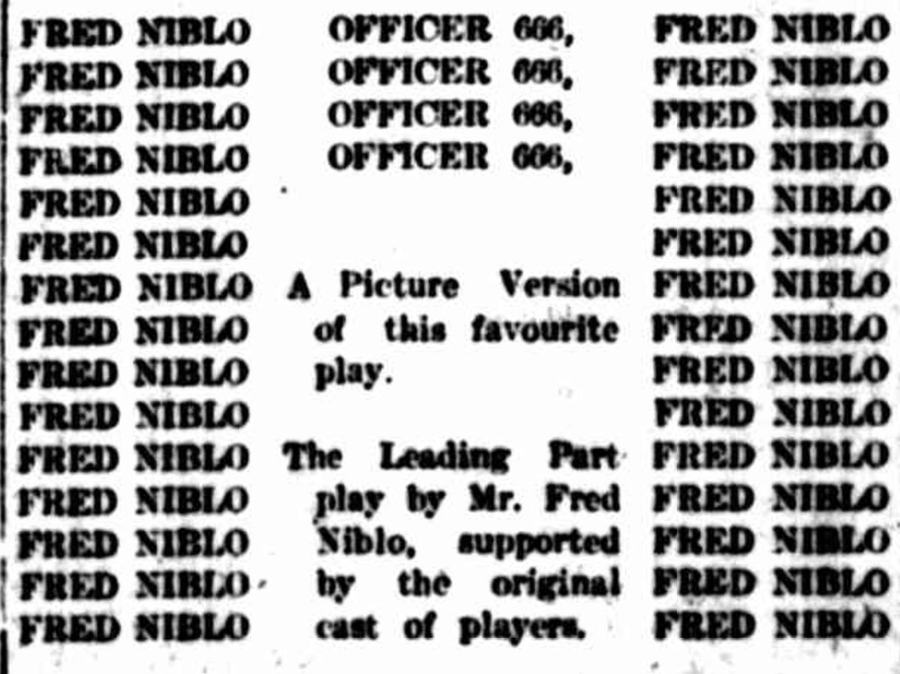
Stepping back into the nascent years of cinematic storytelling, 1916 presents a fascinating landscape where the medium was rapidly evolving, shedding its novelty act skin for the more robust attire of narrative art. Amidst this vibrant period, Fred Niblo's 'Officer 666' emerges not merely as a relic, but as a surprisingly sophisticated comedic caper, a testament to the enduring appeal of clever plotting and the sheer joy of mistaken identity. Adapted from the popular stage play by Augustin MacHugh and W.J. Lincoln, with additional contributions by George M. Cohan, the film translates the theatrical energy of its source material into a visual spectacle that, even today, retains a certain infectious charm. It’s a delightful romp that asks us to consider the fluid nature of identity, especially when a uniform or a well-placed lie can transform an individual into something entirely different.
The transition of a successful stage play to the silver screen was a common practice in early cinema, and 'Officer 666' is a prime example of this cross-pollination. The theatrical origins are palpable in the film's structure, relying heavily on dialogue-driven situations (conveyed through intertitles, of course) and character-centric humor. However, Niblo, who also takes on a prominent acting role, demonstrates an astute understanding of how to leverage the visual medium. He employs chase sequences, physical comedy, and dynamic blocking that transcend the confines of the proscenium arch, transforming what could have been a static filmed play into a lively cinematic experience. The film's energy is a direct consequence of this careful adaptation, ensuring that the wit of MacHugh, Lincoln, and Cohan's original script found a new, expansive canvas.
At its core, 'Officer 666' is a masterclass in comedic misdirection. Travers Gladwin, portrayed with a captivating blend of bravado and naivete, is a wealthy art collector whose greatest thrill seems to be outsmarting the criminal underworld. When he learns that the notorious burglar, 'The Dummy,' plans to raid his opulent home, Gladwin devises a plan so audacious it borders on the absurd: he will impersonate a police officer, specifically Officer 666, to catch the thief in the act. The irony, of course, is that 'The Dummy' has already beaten him to the punch, having assumed the very same identity. This dual impersonation sets the stage for a series of increasingly convoluted and uproarious encounters. The arrival of Gladwin's fiancée, Helen Burton, played by the vivacious Enid Bennett, adds another layer of delightful confusion. Her inability to distinguish between her fiancé and the actual thief, both disguised as the same officer, fuels much of the film's comedic engine. It’s a dizzying dance of mistaken identities, where every character is either playing a part or misinterpreting one, creating a narrative tapestry rich with both suspense and genuine laughter.
The success of any silent comedy hinges significantly on the expressiveness and timing of its performers, and 'Officer 666' is fortunate to boast a cast perfectly attuned to its farcical demands. Fred Niblo, beyond his directorial duties, embodies Travers Gladwin with a remarkable dynamism. His physical comedy, particularly in moments of exasperation or when attempting to maintain his charade, is truly commendable. He manages to convey Gladwin's aristocratic charm and his underlying adventurous spirit without uttering a single spoken word, relying solely on exaggerated gestures and facial expressions, a hallmark of silent film acting. Enid Bennett, as Helen Burton, provides a charming counterpoint. Her reactions to the escalating chaos are genuinely humorous, portraying a woman caught in a bewildering web of deceit, yet retaining a certain spirited resilience. Her performance adds a layer of romantic comedy to the proceedings, grounding the more outlandish elements of the plot.
The supporting cast, while perhaps less prominent, contributes significantly to the film’s overall texture. Mattee Brown, Freeman Barnes, Maurice Dudley, Reine Connelly, Sydney Stirling, Edwin Lester, George Bryant, Marion Marcus Clarke, Pirie Bush, and Henry Matsumoto, each in their respective roles, help to populate Gladwin’s chaotic mansion, providing additional layers of misunderstanding and comic relief. Their collective efforts create a believable, albeit exaggerated, world where the lines between master and servant, friend and foe, constantly shift. The effectiveness of the ensemble is crucial in a play-to-film adaptation, where the interplay between characters must be clear and engaging despite the lack of audible dialogue. The film's rapid pacing and the actors' commitment to their roles ensure that the audience remains captivated by the unfolding absurdity.
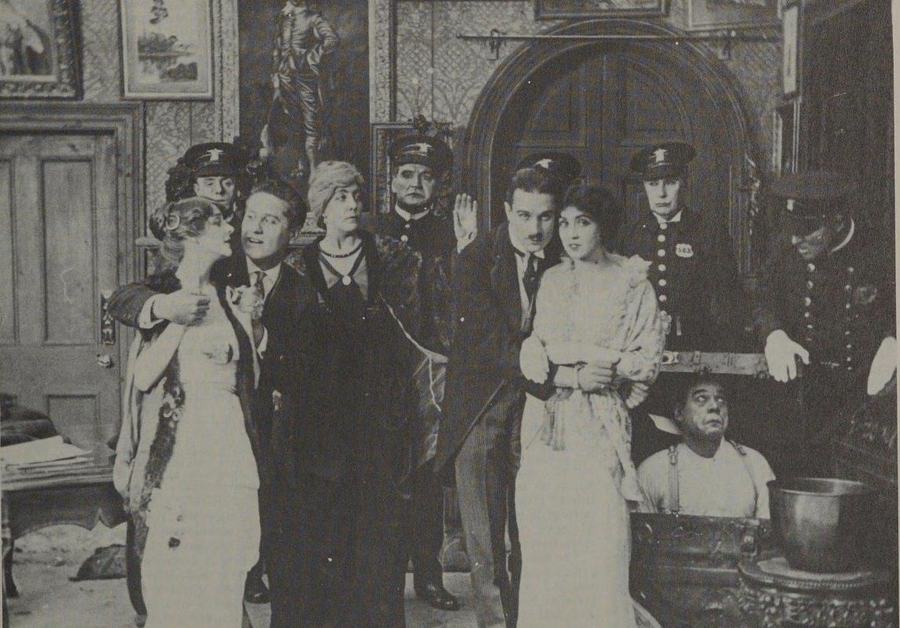
One of the film's greatest strengths lies in its adept use of visual storytelling. Without the crutch of spoken dialogue, 'Officer 666' relies on exaggerated physical comedy, clear sight gags, and well-timed intertitles to convey its narrative and humor. The blocking of scenes, particularly during moments of confrontation or mistaken identity, is meticulously choreographed, guiding the viewer's eye and ensuring that the comedic beats land effectively. The film's editing, while perhaps not as revolutionary as some of its contemporaries, is efficient and serves the narrative well, maintaining a brisk pace that keeps the audience engaged. The clever use of parallel action, showing both Gladwin and 'The Dummy' adopting the guise of Officer 666, builds suspense and anticipation for their inevitable, hilarious collisions. It's a testament to the directorial skill of Niblo that he manages to sustain this level of energetic confusion without ever allowing the plot to become truly impenetrable.
To fully appreciate 'Officer 666', it's beneficial to place it within the broader context of early 20th-century cinema. The fascination with crime, disguise, and the blurring of social classes was a popular trope, explored in various forms from thrilling serials like Zudora to more dramatic crime narratives such as The Master Mind or The Gray Mask. However, 'Officer 666' leans into the comedic potential of these themes, offering a lighthearted escape rather than a gritty exploration of the underworld. It shares a spirit of playful deception with other comedies of the era, where misunderstandings and rapid-fire complications were the order of the day. Unlike the stark social realism found in films like Only a Factory Girl, 'Officer 666' firmly plants itself in the realm of escapist entertainment, a role silent cinema excelled at fulfilling for mass audiences. The film also subtly touches upon the societal anxieties of the time regarding wealth, security, and the perceived vulnerability of the elite, all wrapped in a palatable comedic package.
While 'Officer 666' may not possess the iconic status of a Chaplin or Keaton comedy, its contribution to the evolution of film farce should not be overlooked. It demonstrates a sophisticated understanding of comedic timing and narrative construction that was quite advanced for its time. The film's ability to maintain a high level of energy and humor throughout its runtime, despite the inherent limitations of silent cinema, is a testament to the skill of its creative team. It’s a delightful journey back to a period when cinematic language was still being codified, yet already capable of delivering rich, engaging entertainment. For those interested in the history of comedy on film, or simply looking for a charming, forgotten gem, 'Officer 666' offers a compelling watch.
The film's enduring appeal lies in its universal themes: the desire to outsmart one's adversary, the awkwardness of mistaken identity, and the thrill of a well-executed deception. These elements are timeless, allowing 'Officer 666' to transcend its historical context and still elicit smiles and chuckles from a modern audience. It reminds us that even in the earliest days of cinema, filmmakers were already mastering the intricate dance of storytelling, crafting narratives that resonate far beyond their original release. It’s a quaint, yet wonderfully clever, piece of cinematic history that deserves to be rediscovered and appreciated for its pioneering spirit in the realm of comedic suspense.
In an era dominated by the grandeur of epics like Joan of Arc or the dramatic intensity of films such as Der Eid des Stephan Huller, 'Officer 666' carved its niche with intelligent humor and a captivating premise. It eschews the overt melodrama often seen in films like The Case of Becky or the moral weight of The Betrothed, instead opting for a lighter, more playful tone. Its focus on character interaction and rapid-fire plot developments makes it feel more akin to later screwball comedies, proving that the foundations for such sophisticated humor were being laid even in the silent era. It stands as a testament to the ingenuity of early filmmakers and their ability to craft engaging narratives that continue to entertain and inform our understanding of cinematic evolution. Its cleverness is not merely a product of its time but a quality that shines through, making it a worthy subject of re-evaluation for any cinephile.
The film serves as a charming reminder of how much storytelling could be achieved with minimal resources and maximum creativity. The interplay between the characters, the subtle shifts in their understanding (or misunderstanding) of the situation, and the eventual unraveling of the deception are all handled with a deft touch. While it might not have the sweeping scope of a historical drama like Sam Davis, the Hero of Tennessee or the intricate character studies of Bespridannitsa, its brilliance lies in its compact, efficient narrative and its unwavering commitment to eliciting laughter. It is a delightful piece of early cinematic craftsmanship, a joyful expedition into the heart of silent comedy that continues to resonate with its cleverness and enduring spirit.
IMDb —
1933
Community
Log in to comment.