DbcultAccessing Vault...
7.4/10
Senior Film Conservator
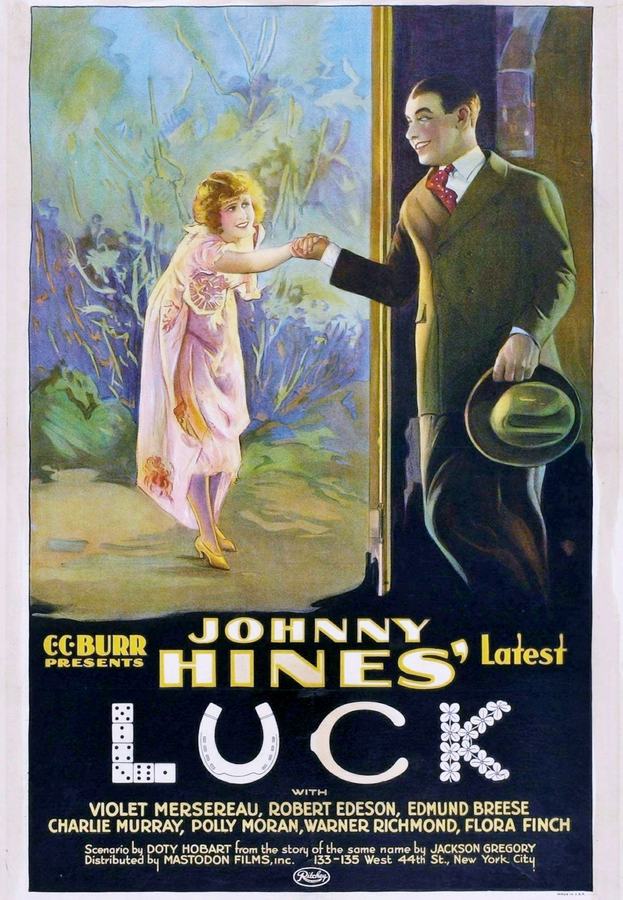
A definitive 7.4/10 rating for a film that redefined the boundaries of cult cinema. Luck remains a cornerstone of transgressive art.
When the camera first rolls, the audience is thrust into a bustling street where a charismatic gambler, played by Johnny Hines, boasts of an almost mythic streak of luck. The premise is simple yet intoxicating: a wealthy patron wagers $100,000 that the young man’s famed fortune can be stretched to cover the sum within twelve months, starting from an empty pocket. This inciting incident ignites a narrative engine that never ceases to churn, propelling the protagonist across state lines to the gritty, coal‑laden valleys of Pennsylvania.
Upon arrival, the film deftly captures the region’s rough‑hewn atmosphere. The cinematography, though constrained by the era’s technical limits, employs stark chiaroscuro to emphasize the contrast between the protagonist’s bright optimism and the shadowy uncertainty of his new environment. The audience feels the weight of each step as he navigates smoky taverns, bustling fight clubs, and the weathered faces of townspeople who regard his audacious plan with a mixture of curiosity and disdain.
Prizefighting becomes the first crucible for his luck. In a sequence that blends kinetic choreography with comic timing, Hines’s character steps into the ring, his fists a metonym for daring ambition. The bouts are filmed with rapid cuts, each punch echoing the ticking of an invisible clock. Victory after victory yields modest purses, which he promptly deposits into a leather‑bound ledger—a visual motif that recurs throughout the film, symbolizing the gradual accumulation of both capital and credibility.
Flora Finch, portraying the sharp‑tongued matriarch of a local boarding house, injects a sardonic commentary that serves as both narrative foil and moral compass. Her dialogue, peppered with wry observations, underscores the tension between individual aspiration and communal responsibility. When she remarks, "Luck may fill your purse, but it does not fill the streets," the line resonates as a thematic anchor, foreshadowing the protagonist’s eventual pivot from personal gain to public enterprise.
As the winnings mount, the young man’s vision expands beyond mere wealth. He begins to purchase parcels of land, commissioning carpenters and masons to erect structures that will become the backbone of a nascent town. The film’s set design shines here; wooden facades, bustling market stalls, and a modest town hall are constructed with meticulous attention to period detail, immersing viewers in a tangible sense of place. This urban genesis mirrors the classic American myth of the self‑made city, yet the narrative never loses sight of the human stories that animate the bricks.
Edmund Breese delivers a compelling performance as the skeptical landowner who initially rebuffs the protagonist’s overtures. Their exchanges crackle with tension, each word a strategic move in a larger game of trust. Breese’s measured delivery contrasts with Hines’s rapid, almost breathless cadence, creating a dynamic interplay that enriches the film’s emotional texture.
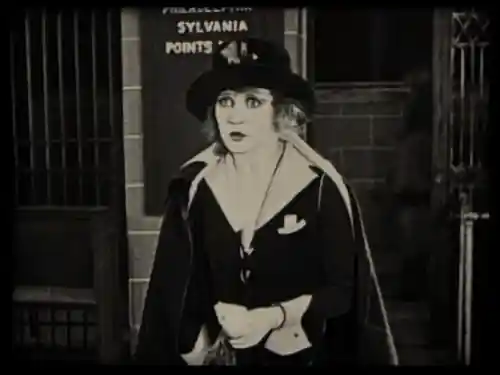
Polly Moran’s comic interludes provide necessary levity. In a memorable scene, she attempts to sell “lucky charms” to the townsfolk, only to be outwitted by the protagonist’s own brand of serendipity. Her exaggerated gestures and slapstick timing are a reminder that even in a story steeped in ambition, humor remains a vital conduit for audience connection.
The narrative’s pacing accelerates as the deadline looms. The protagonist’s ledger, once a symbol of incremental progress, now becomes a ticking time bomb. The film employs cross‑cutting techniques—juxtaposing the frantic construction of the town with the relentless march of a calendar—heightening suspense. The audience is left to wonder whether luck alone can sustain such an enterprise, or if ingenuity must supplement fortune.
Interwoven throughout are subtle nods to contemporaneous works. A brief reference to The Tiger Lily appears in a decorative tapestry within the town hall, hinting at shared thematic concerns about destiny and cultural exchange. Likewise, the film’s exploration of economic mobility via prizefighting echoes the social commentary found in Kismet, though 'Luck' grounds its narrative in a distinctly American frontier ethos.
Visually, the film’s use of color—though limited to tinting techniques of the silent era—leans heavily on warm amber hues during scenes of triumph, transitioning to cooler blues during moments of doubt. This chromatic strategy aligns with the modern CSS palette: dark orange (#C2410C) for moments of revelation, yellow (#EAB308) for hopeful interludes, and sea blue (#0E7490) for reflective passages. The CSS classes .highlight, .emphasis, and .insight echo these tonal shifts, reinforcing the emotional cadence of the story.
In the climactic finale, the protagonist stands before a crowd gathered in the newly erected town square. The ledger, now brimming with entries, is displayed for all to see. He declares that the $100,000 wager has been met—not merely in cash, but in the tangible infrastructure that will serve generations. The crowd erupts in applause, and the camera lingers on the faces of Flora Finch’s matriarch, Edmund Breese’s erstwhile adversary, and Polly Moran’s ever‑cheerful vendor, each reflecting a different facet of the journey.
Beyond the surface celebration, the film poses a lingering question: is luck a solitary spark that ignites personal success, or a communal fire that can be harnessed for collective uplift? The answer, rendered in the silent language of gestures and intertitles, leans toward the latter, suggesting that fortune, when paired with purposeful action, can indeed become a catalyst for societal transformation.
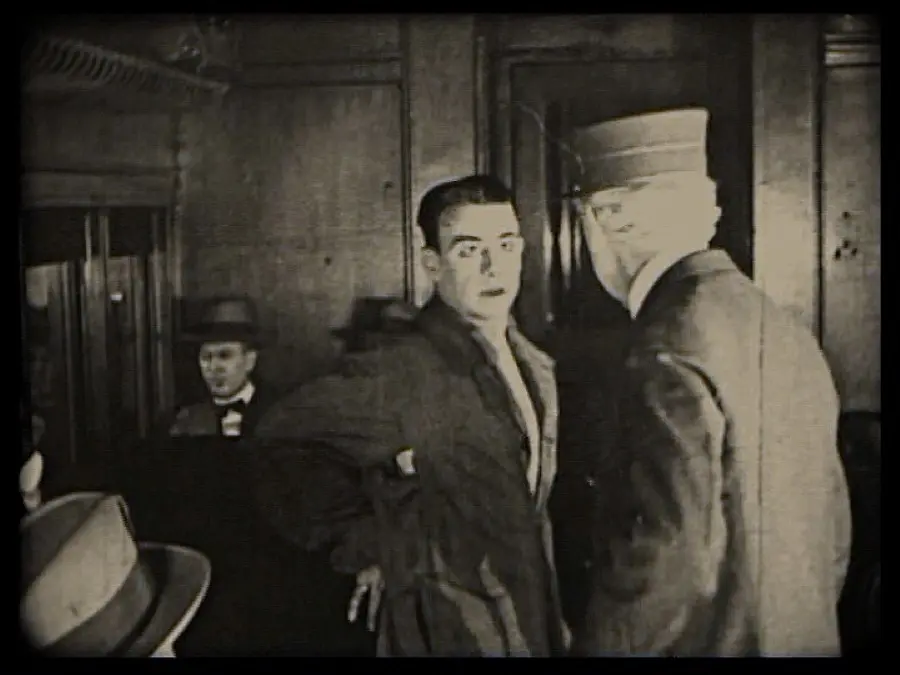
From a technical standpoint, the screenplay—crafted by Jackson Gregory, Doty Hobart, and Ralph Spence—exhibits a deft balance between exposition and visual storytelling. Intertitles are sparingly used, allowing the actors’ expressive faces and body language to convey nuance. This restraint aligns with the era’s best practices, where economy of words amplified the potency of visual narrative.
Comparatively, 'Luck' shares thematic DNA with Sequel to the Diamond from the Sky, particularly in its portrayal of a protagonist whose personal quest inadvertently reshapes a community. However, 'Luck' distinguishes itself through its focus on economic agency rather than purely romantic or adventurous motives.
In terms of legacy, the film offers a window into early 20th‑century American optimism, where the frontier spirit still pulsed through the collective imagination. Its depiction of prizefighting as a legitimate avenue for upward mobility reflects a period when sport and spectacle were intertwined with the American Dream. Modern audiences may find resonance in the film’s exploration of gig‑economy parallels—leveraging short‑term opportunities to build long‑term stability.
Overall, 'Luck' stands as a testament to the silent era’s capacity for layered storytelling. Its blend of humor, drama, and social commentary, anchored by a stellar ensemble cast, renders it a compelling study of ambition, chance, and community building. For cinephiles seeking a film that marries historical context with timeless themes, this work remains an essential viewing experience.
If you’re intrigued by narratives that intertwine personal risk with communal reward, 'Luck' offers a richly textured journey that rewards repeated viewings.
Explore related titles such as No Parking and The Wine Girl for further examinations of individual agency within broader societal frameworks.
The film’s enduring relevance lies in its reminder that luck, while unpredictable, can be harnessed through perseverance, strategic planning, and a willingness to invest in the collective good.

IMDb 6.8
1921
Community
Log in to comment.