DbcultAccessing Vault...
4.4/10
Senior Film Conservator
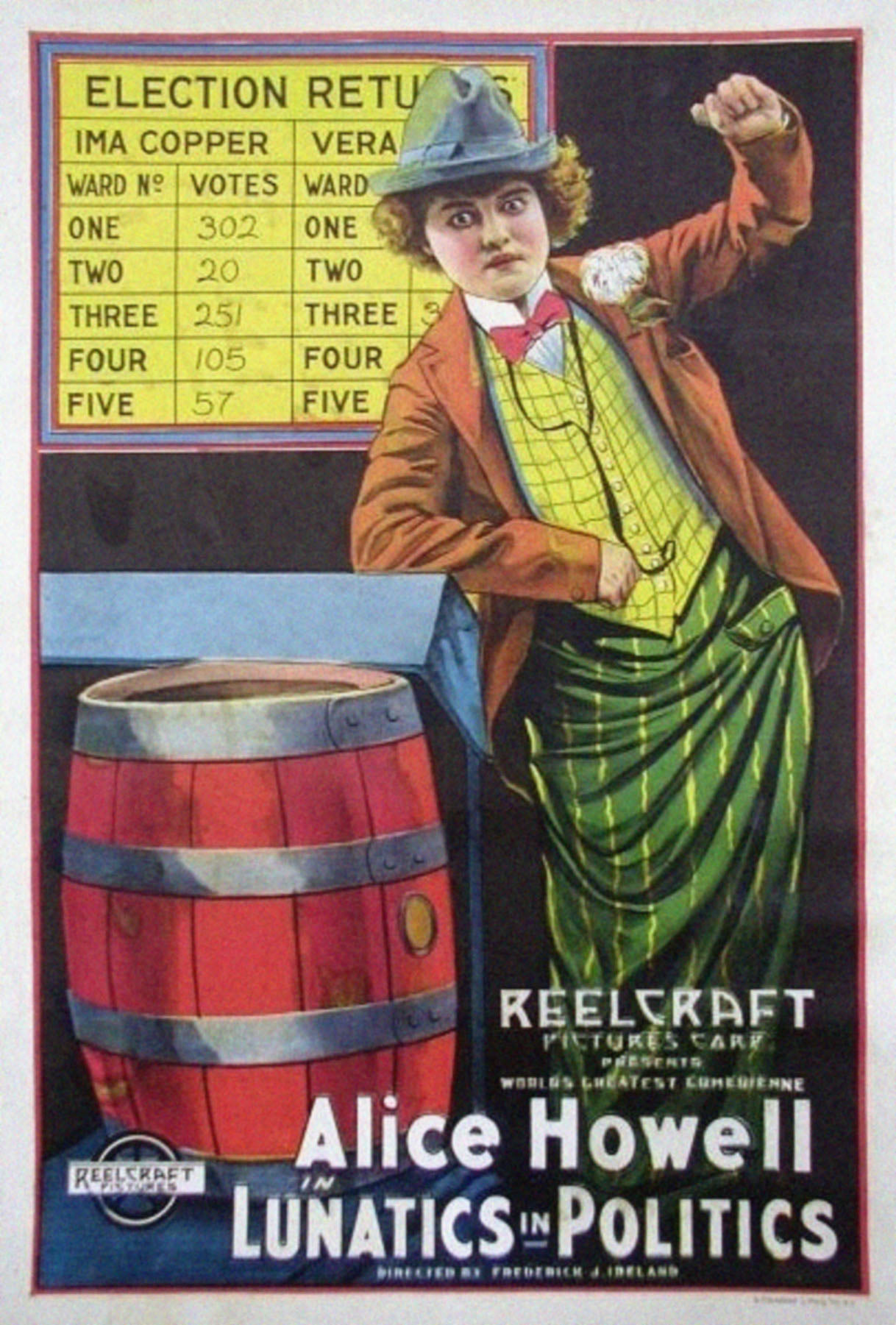
A definitive 4.4/10 rating for a film that redefined the boundaries of cult cinema. Lunatics in Politics remains a cornerstone of transgressive art.
Somewhere between Buster Keaton’s stone-faced anarchy and the Marx Brothers’ verbal shrapnel lies Lunatics in Politics, a 1924 one-reeler that detonates the very notion of civic decorum.
Picture a tenement hallway shrunk to the width of a conscience; now cram it with two suffragette warlords who have mistaken public service for blood sport. The film’s genius is architectural: it weaponizes proximity. Each time Alice Howell yanks her doorframe, the vacuum sucks Rose Burkhardt’s bunting across the corridor like battle standards. Space itself becomes a ballot, every cubic inch contested territory.
Critics who relegate silent slapstick to mute pratfalls forget the medium’s orchestral capacity for editorial cartooning. Here, intertitles arrive as handbills stapled to the iris: “She promised transparency—delivered translucency!” The font itself jitters, as if the letters are itching to punch each other.
Forget the flapper’s fringed liberation; these women wield power like gladiators with net and trident. Howell’s Brannigan strides into a cigar store commandeered for stump speeches, her baton holstered where a garter should blush. She orates in semaphore, elbows slicing the air like propellers. Burkhardt’s Voss counters with the languid precision of a cobra: every handshake a venomous caress, every smile a retractable dagger. The camera covets their calves, but the gaze is reciprocal—they ogle the electorate with carnivorous appetite.
Compare this to The Girl-Woman, where femininity is a porcelain reproach. In Lunatics, it’s artillery.
Director Leo Sulky (a name that sounds like a tantrum in a furniture catalog) stages civic procedures as Rube Goldberg contraptions. Ballots cascade from a dumbwaiter like confetti snowstorms; voting booths are outhouses jury-rigged with periscopes. At one point, a precinct map is sliced into a jigsaw, fed to the goat, and the resulting pellet pattern becomes the new district boundary. Gerrymandering literally passes through the digestive tract of livestock—an image so blunt it loops back into surrealist poetry.
Note: the goat receives screen credit as “Himself—Member of the Board of Estimate.” He was paid in tin cans and later ran, unsuccessfully, for comptroller.
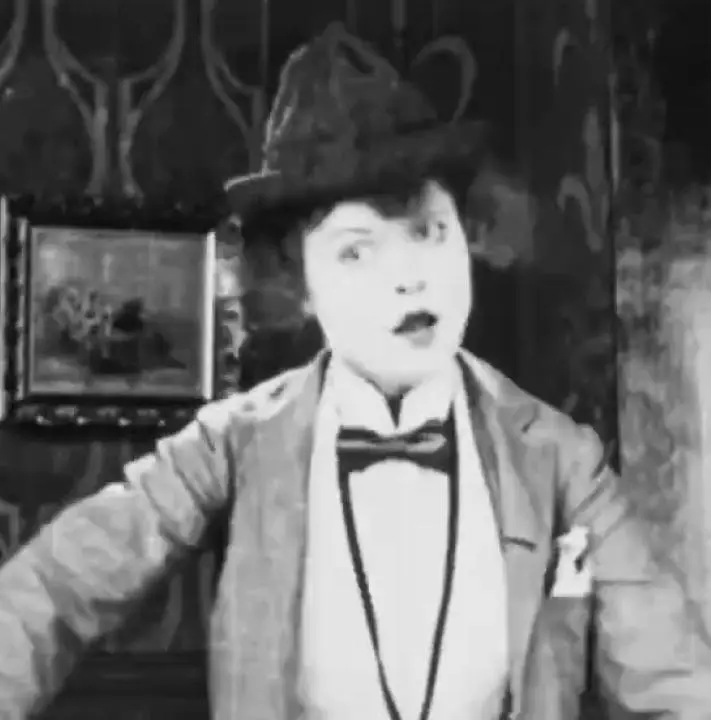
Every circus needs its clown, and Smith’s Officer O’Toole is a kaleidoscope of spineless goodwill. His helmet slips down over his ears like a soup tureen; he attempts to salute both women simultaneously and achieves the geometry of a pretzel. Yet the performance is steeped in pathos—watch his eyes when Voss whispers promises of promotion: pupils dilate like blackout curtains, revealing the vacuum where self-esteem should reside. He is the electorate incarnate, buffeted by bromides, lubricated by flattery, ultimately devoured.
Contrast this with the masculine certainty on display in Bar Kochba, the Hero of a Nation; here, heroism is a slipped banana peel.
Restorationists at EYE Filmmuseum discovered tinting notes scrawled on the negative’s edge: amber for interiors (the color of stale beer and ambition), viridian for exteriors (the hue of copper oxidation and envy), magenta for hallucinations. The 2023 4K scan lets these hues throb like bruises. When Brannigan hallucinates victory, the frame floods with fuchsia so thick you could butter bread with it.
Though originally scored for solo theater organ, the current streaming release commissions a klezmer-punk ensemble that blasts brass into the silent gaps. Trombones mock every raised eyebrow; clarinets sneer at promises. The result is a soundtrack that bites the hand that feeds it—much like Fools and Their Money, where every major chord lands like a rubber chicken.
Released three months before the Dawes Plan rescued Weimar finances, the film anticipates the circus of modern campaigning: the merch tables, the meme warfare, the performative outrage. Replace the goat with a Twitter algorithm and you’ve got tonight’s cable news. Yet the picture refuses cynicism; its final image—two shackled rivals sharing a cigarette—suggests that democracy is not a duel to the death but a forced marriage we keep renewing. The joke, Sulky whispers, is on us, and we are in on it.
Verdict: mandatory viewing for anyone who has ever yelled at a debate screen, then realized the remote was in their hand the whole time.
Stream the 4K restoration on Criterion Channel (annotated track by film scholar Maya Rabinowitz). Pair with The Power of Decision for a double bill on civic responsibility, or chase it with The Ghost Flower if you prefer your politics laced with opium dreams.
If you dug this excavation of Lunatics in Politics, subscribe to the RSS—more nitrate necromancy every Tuesday.
IMDb 6.9
1934
Community
Log in to comment.