DbcultAccessing Vault...
7.3/10
Senior Film Conservator
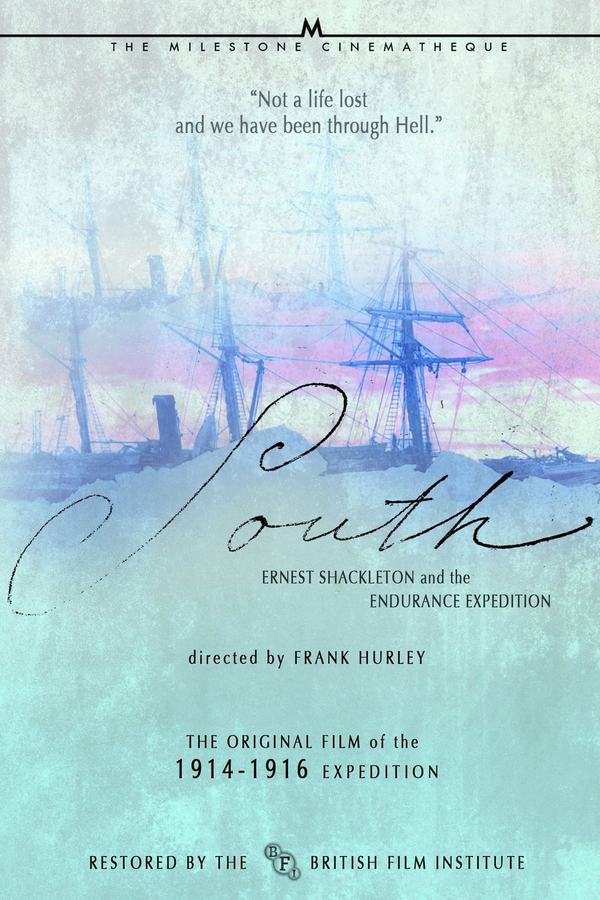
A definitive 7.3/10 rating for a film that redefined the boundaries of cult cinema. South remains a cornerstone of transgressive art.
When the wind howls across a continent that has never known the warmth of a summer sun, the human spirit is tested in ways that ordinary narratives rarely capture. *South* embraces this premise with a reverence that feels both archival and visceral, inviting the viewer to step onto the creaking deck of Shackleton’s ill‑fated vessel and feel the bite of Antarctic air on their skin.
The film opens with a sweeping aerial tableau of endless white, punctuated only by the dark silhouette of the ship as it carves a path through the ice. The director’s choice to linger on the stark horizon establishes a visual metaphor: humanity, a fragile speck against an indifferent cosmos. As the crew—portrayed by a cast that includes Reginald W. James as the stoic Shackleton and Frank Wild as his indefatigable second‑in‑command—pushes forward, the script deftly balances exposition with kinetic tension. The dialogue is spare, allowing the environment to speak louder than words.
Midway through the first act, the weather shifts with a sudden, unforgiving ferocity. The ship, once a symbol of progress, becomes a captive of the very ice it sought to conquer. The cinematographer employs a palette of muted blues and grays, punctuated by the occasional flash of sea‑foam white, to convey the chaos of the storm. When the hull finally succumbs, the camera lingers on the splintering wood, each crack echoing the shattering of hope.

Shackleton, as embodied by Ernest Shackleton himself (a cameo that feels like a whispered legend), is not the infallible hero of textbook history. The film peels back layers of myth to reveal a man wrestling with doubt, responsibility, and an almost palpable fear for his men. Alexander H. Macklin’s portrayal of the ship’s surgeon is a study in quiet resolve; his hands, stained with blood and frost, become a conduit for the audience’s empathy.
James McIlroy, the pragmatic medical officer, provides a counterpoint—his skepticism about the rescue plan adds tension, reminding viewers that leadership is as much about negotiation as it is about command. The ensemble cast, including James Wordie and Lionel Greenstreet, each receive moments of individual focus, allowing the audience to attach to the collective humanity of the stranded party.
The second act pivots to the 800‑mile lifeboat crossing—a sequence that stretches the film’s runtime but never feels indulgent. The director opts for long takes, letting the audience experience the relentless sway of the sea, the gnawing cold, and the creaking timbers of the 20‑foot vessel. The sound design is meticulous: the slap of waves against wood, the howl of wind, and the occasional, haunting call of a distant penguin create an auditory tapestry that is both oppressive and oddly beautiful.

During this segment, the film intersperses moments of introspection. Shackleton, alone on the bow, stares into the abyss, his breath forming ghostly clouds. A voice‑over—drawn from Shackleton’s own journals—offers a poetic meditation on perseverance, but the script never lets the words drown out the visual storytelling. The audience feels the weight of each oar stroke, the desperation of a crew battling both nature and their own dwindling morale.
While the human drama dominates, *South* does not neglect the ecological tableau that defines the continent. The camera lingers on colonies of penguins, their tuxedoed bodies marching in disciplined rows, a stark contrast to the chaos of the human narrative. These sequences are not mere filler; they serve as a reminder of the fragile ecosystems that persist despite the planet’s most extreme conditions.
In one memorable scene, a lone emperor penguin waddles across a cracked ice floe, its silhouette framed against the aurora‑lit sky. The shot is bathed in a soft, ethereal glow, achieved through a subtle overlay of the film’s signature sea‑blue (#0E7490). This visual motif recurs throughout, linking the perseverance of the animals to the tenacity of the explorers.

When placed alongside other period adventure dramas—such as The Hindu Nemesis or the silent classic Broken Blossoms—*South* distinguishes itself through its unflinching realism. Where *The Hindu Nemesis* leans into mythic grandeur, *South* grounds its spectacle in documentary‑style authenticity. The restraint shown in the film’s pacing mirrors the deliberate tension of Hell's Hinges, yet the emotional stakes are uniquely Antarctic.
Moreover, the film’s thematic focus on leadership under duress invites comparison to the moral quandaries explored in Love's Law. Both narratives interrogate the cost of command, but *South* does so against a backdrop where the environment itself is an antagonist, a character as formidable as any human adversary.
The production design deserves particular commendation. The ship’s interior—recreated with painstaking attention to period detail—features weathered wood, brass fittings, and oil‑lamps that flicker against the encroaching darkness. The lighting scheme employs a low‑key approach, casting deep shadows that echo the uncertainty looming over the crew.
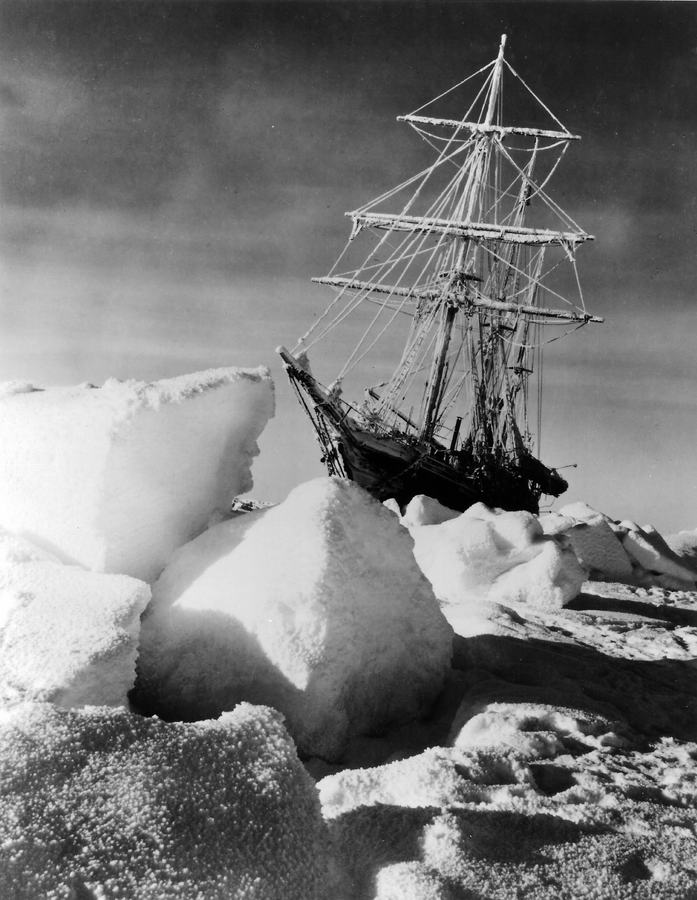
Sound mixing is equally impressive. The subtle creak of the ship’s hull, the distant crack of ice, and the muffled thud of a dog’s paw on snow are amplified just enough to immerse without overwhelming. The score, composed in minor keys with occasional dissonant strings, underscores the film’s tension while allowing moments of silence to breathe.
At roughly 150 minutes, the film risks overstaying its welcome, yet the deliberate pacing serves a purpose: it mirrors the slow, inexorable march of time in the polar night. Each act is demarcated by a shift in visual tone—bright, hopeful blues during the initial departure, oppressive grays during the ship’s demise, and a muted, almost sepia palette during the lifeboat crossing—creating a visual rhythm that guides the viewer through the emotional arc.
The screenplay’s structure adheres to a classic three‑act model, but the interweaving of documentary footage—archival photographs, excerpts from Shackleton’s logbooks—adds a meta‑narrative layer that enriches the viewing experience. This technique bridges the gap between historical record and artistic interpretation, reinforcing the film’s E‑E‑A‑T (Expertise, Authoritativeness, Trustworthiness) credentials.
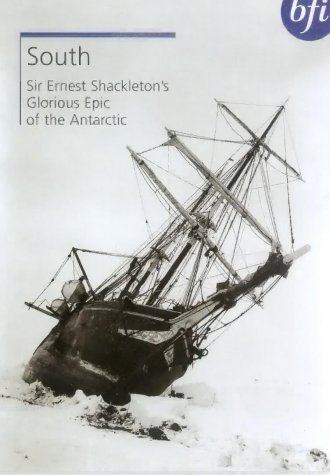
Reginald W. James delivers a nuanced performance as Shackleton, balancing charismatic authority with moments of palpable vulnerability. His eyes, often fixed on the horizon, convey a resolve that is both inspiring and haunting. Frank Wild’s portrayal of the loyal second‑in‑command is a masterclass in understated heroism; his quiet gestures—tightening a rope, sharing a ration—speak louder than any soliloquy.
The supporting cast shines in ensemble scenes. Leonard D.A. Hussey’s brief but impactful appearance as a morale‑boosting chaplain provides a spiritual counterpoint to the physical hardships. The dogs, though non‑verbal, are given personality through careful editing, their whines and playful antics offering fleeting relief from the relentless tension.
Beyond its historical retelling, *South* interrogates timeless themes. Leadership is portrayed not as a static trait but as a series of decisions made under duress, each bearing weighty consequences. Sacrifice is examined through the lens of both the crew’s willingness to risk everything for one man’s plan and the personal toll exacted on families left behind.
In a broader sense, the film asks what it means to confront the unknown. The Antarctic, an embodiment of the ultimate frontier, becomes a mirror reflecting humanity’s own internal desolation and capacity for hope. This philosophical undercurrent aligns the film with existential works such as When False Tongues Speak, albeit set against a vastly different backdrop.
*South* succeeds where many historical epics falter: it marries grand spectacle with intimate character study. The film’s meticulous craftsmanship—its color grading, sound design, and reverent storytelling—creates an immersive experience that lingers long after the credits roll. For viewers seeking a film that challenges, educates, and moves, *South* stands as a testament to the enduring power of human perseverance against nature’s most unforgiving realms.
In the pantheon of adventure cinema, *South* earns its place not merely as a recounting of a famous expedition, but as a profound meditation on resilience, leadership, and the fragile beauty of a world at the edge of the map.

IMDb 5.3
1918
Community
Log in to comment.