DbcultAccessing Vault...
6.7/10
Senior Film Conservator
A definitive 6.7/10 rating for a film that redefined the boundaries of cult cinema. Lyudi gibnut za metall remains a cornerstone of transgressive art.
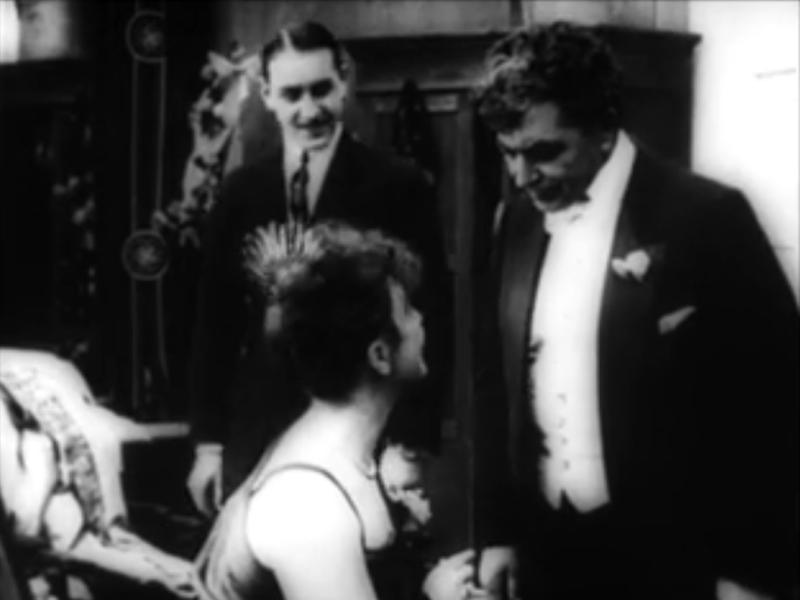
The opening tableau of Lyudi gibnut za metall is a study in chiaroscuro, where the glint of crystal chandeliers competes with the shadowed resolve of its protagonists. Gornostayev, portrayed by the impeccably stoic Klein, inhabits his wealth like a second skin, his gestures measured, his speech a cadence of calculated confidence. In stark contrast, Ilona, embodied by the ethereal Krogh Mara, glides across the screen with the fluidity of a prima ballerina, each movement a silent manifesto of the body’s transitory power.
From the first exchange, the film establishes a dialectic that feels less like a plot device and more like an intellectual sparring match. Ilona’s argument—youth and beauty are the ultimate currencies—resonates with a lyrical sincerity, her voice tinged with the optimism of a dancer who knows that the spotlight is fleeting yet intoxicating. Gornostayev, meanwhile, counters with the cold arithmetic of capital, his belief that wealth can purchase not only comfort but also a form of immortality. The script, though sparse, is peppered with aphorisms that echo the existential debates of early twentieth‑century Russian literature.
Visually, the film employs a palette that mirrors its thematic polarity. The opulent interiors are drenched in dark orange accents—velvet drapes, gilt frames—suggesting a lingering heat of desire and greed. Intercut are scenes bathed in sea blue lighting, especially during Ilona’s rehearsal sequences, evoking a cool, watery realm of artistic purity. The director’s decision to juxtapose these hues within the same frame creates a visual tension that mirrors the characters’ ideological clash.
The narrative structure eschews conventional exposition, opting instead for a series of vignettes that reveal character through action. A banquet scene, for instance, showcases Gornostayev’s power play: he invites Ilona to a soirée where the elite discuss stock ventures while a lone violinist plays a mournful aria. Ilona, poised on a balcony, watches the revelry with a mixture of fascination and disdain, her eyes reflecting the flickering candlelight. The scene is a masterclass in subtext; the clinking of glasses becomes a metronome for the rhythm of class struggle.
Klein’s performance is a study in restraint. He rarely raises his voice, yet his eyes convey an entire ledger of transactions—both financial and emotional. When he finally confronts Ilona in the garden, the dialogue is stripped to its essence: "You dance because you must, not because you can afford to stop." The line, delivered with a barely perceptible tremor, hints at a hidden insecurity beneath his polished veneer.
Mara’s Ilona, by contrast, is a whirlwind of kinetic energy. Her ballet sequences are shot with a kinetic camera that follows her pirouettes, the frame rotating to mimic the spin of her body. The choreography, designed by Elena Valerskaya, is both a celebration of physicality and a lament for its ephemerality. In a particularly striking moment, Ilona performs a solo on a cracked marble floor, the fissures echoing the cracks in her belief system as Gornostayev’s influence seeps into her world.
Supporting actors add layers of nuance. Olga Kondorova, as Ilona’s confidante, offers a pragmatic counterpoint, reminding the audience that beauty can be commodified. Nicolas Rimsky, playing a rival magnate, serves as a foil to Gornostayev, his flamboyant extravagance highlighting the spectrum of wealth’s moral ambiguity. Their interactions create a tapestry of perspectives that enrich the central debate.
The film’s pacing is deliberate, each scene lingering just long enough to let the audience absorb the visual symbolism. The director’s use of long takes—often exceeding two minutes—forces viewers to confront the uncomfortable silence between characters. This technique is reminiscent of the contemplative rhythm found in Powder, where the camera similarly dwells on the protagonist’s isolation.
Sound design plays an equally pivotal role. The score, a haunting blend of orchestral strings and industrial percussion, underscores the dichotomy of elegance and exploitation. When Ilona rehearses, the music swells with a lyrical motif in a major key, only to be undercut by a low, metallic drone that hints at the ever‑present weight of materialism.
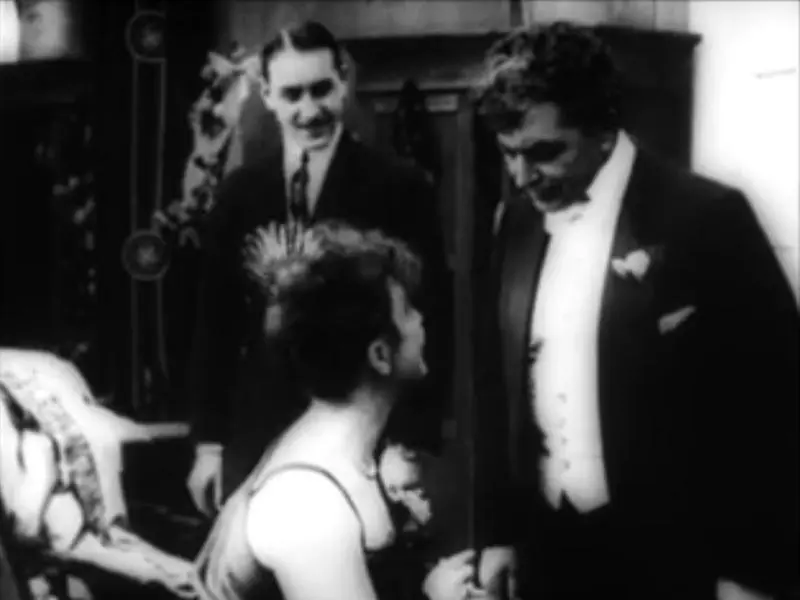
Cinematographically, the film employs a mixture of static compositions and fluid tracking shots. The static frames, often centered on Gornostayev’s imposing silhouette, convey his immovability, while the fluid shots following Ilona’s movements embody her restless spirit. The contrast is further emphasized through the use of depth of field: close‑ups of Ilona’s face are razor‑sharp, capturing every micro‑expression, whereas Gornostayev is frequently shot from a slight distance, his emotions obscured by the surrounding opulence.
A thematic undercurrent runs through the film’s treatment of gender. Ilona’s struggle is not merely against wealth but also against the patriarchal structures that define beauty as a commodity. This nuance aligns the film with the feminist underpinnings of The Brazen Beauty, where the heroine similarly wrestles with societal expectations.
The climax arrives during a masquerade ball, a setting that visually encapsulates the film’s central paradox. Gornostayev, masked in gold, attempts to woo Ilona with promises of security, while she, adorned in a gown of flowing yellow silk (yellow), dances with a freedom that seems both defiant and desperate. Their final dialogue is a poetic duel: "You can buy a stage, but you cannot buy the applause," Gornostayev whispers; Ilona replies, "And you can own a heart, but you cannot own its beat." The line reverberates, leaving an echo that lingers beyond the closing credits.
The denouement is intentionally ambiguous. Ilona walks away from the mansion, her silhouette fading into the night, while Gornostayev watches from a balcony, his expression a mixture of loss and revelation. The camera lingers on the empty ballroom, the chandeliers now dimmed, suggesting that the battle between youth and wealth is perpetual, ever‑renewing with each generation.
From a technical standpoint, the film’s editing is seamless, with transitions that often employ match cuts—Ilona’s hand reaching for a rose mirrors Gornostayev’s hand grasping a ledger. This visual metaphor reinforces the intertwined nature of their desires. The color grading, saturated yet restrained, ensures that the signature hues of dark orange, yellow, and sea blue never overpower the narrative but instead serve as emotional signposts.
Comparatively, the film’s exploration of class conflict recalls the stark realism of Inside the Lines, yet it diverges by infusing a lyrical, almost operatic quality into its storytelling. Where Inside the Lines opts for gritty realism, Lyudi gibnut za metall embraces a stylized aesthetic, turning the socio‑economic debate into a ballet of visual metaphors.
The screenplay, though lacking a credited writer in the provided credits, exhibits a sophistication that suggests a collaborative effort among seasoned Soviet dramatists. Dialogues are peppered with literary allusions, from Pushkin to contemporary poets, granting the film an intellectual veneer that rewards attentive viewers.
In terms of cultural impact, the film stands as a testament to the era’s preoccupation with the tension between rapid industrialization and the preservation of artistic integrity. Its relevance persists, echoing modern conversations about the commodification of art in an age of digital capitalism.
The performances, direction, and visual composition coalesce to create a work that is both a period piece and a timeless meditation on human desire. While some may argue that the film’s pacing borders on lethargic, the deliberate tempo allows the thematic layers to unfurl organically, inviting repeated viewings to uncover hidden nuances.
Ultimately, Lyudi gibnut za metall succeeds in posing an unsettling question: when beauty and wealth vie for supremacy, which truly endures? The answer, left tantalizingly ambiguous, lingers in the mind long after the screen fades to black, urging viewers to contemplate their own valuations of youth, beauty, and material success.
IMDb 7.1
1937
Community
Log in to comment.