DbcultAccessing Vault...
5.2/10
Senior Film Conservator
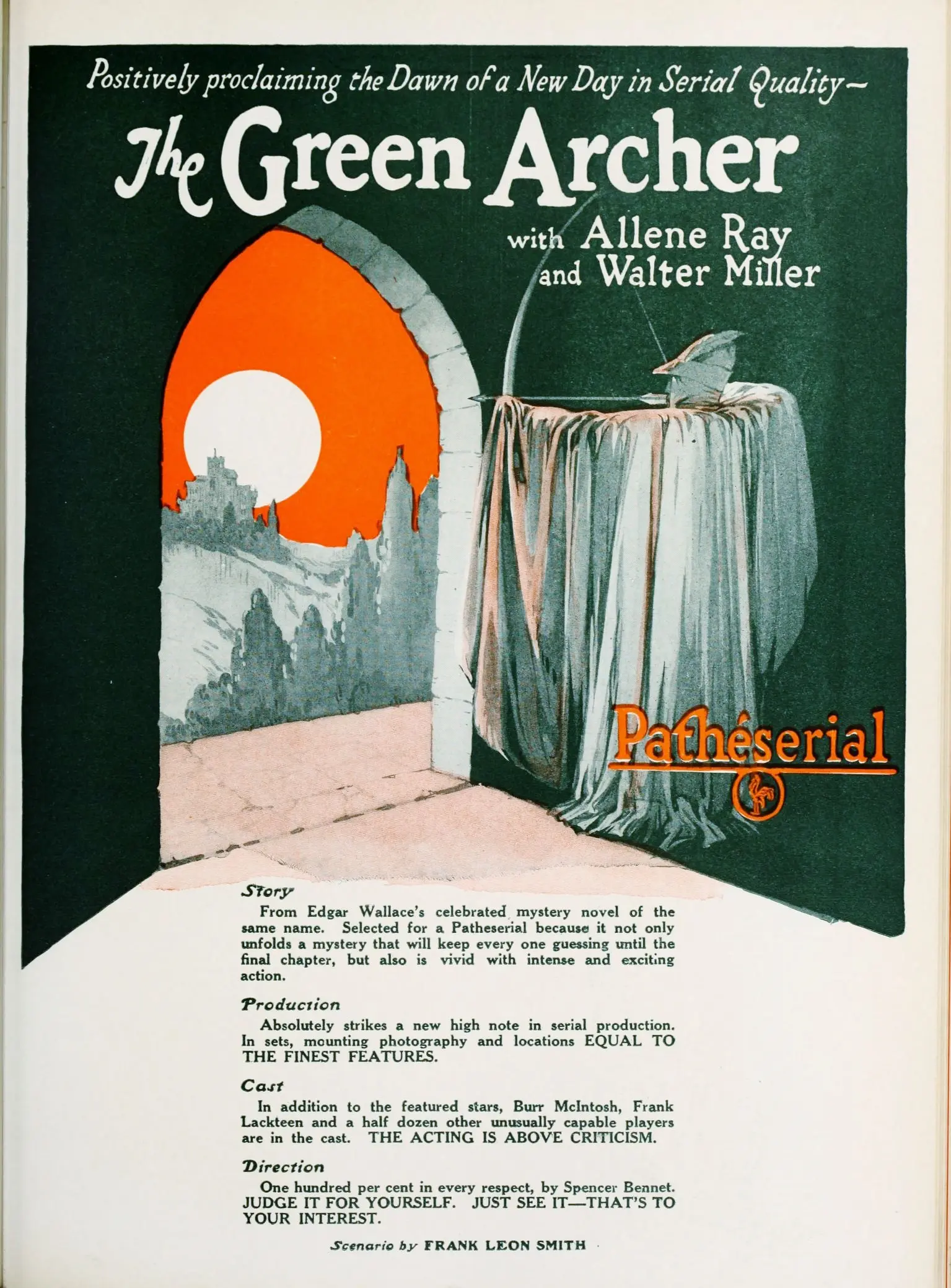
A definitive 5.2/10 rating for a film that redefined the boundaries of cult cinema. The Green Archer remains a cornerstone of transgressive art.
In the pantheon of silent-era suspense, few works encapsulate the transition from Victorian melodrama to the modern thriller as vibrantly as the 1925 iteration of The Green Archer. Directed with a keen eye for atmospheric tension, this adaptation of Edgar Wallace’s seminal novel serves as a masterclass in episodic world-building. While contemporary audiences might be accustomed to the rapid-fire pacing of modern noir, there is a deliberate, almost architectural quality to how this film constructs its dread. It is not merely a story of a kidnapping; it is an exploration of the fortress as a metaphor for the corrupted human psyche.
Burr McIntosh delivers a performance of chilling restraint as Abel Bellamy. In an era where silent film acting often veered into the hyperbolic, McIntosh understands the power of the stillness. His Bellamy is a man who has quite literally built a monument to his own paranoia and cruelty. The castle estate functions as a character in its own right—a labyrinth of stone and shadow that reflects the convoluted morality of its owner. Unlike the whimsical settings found in Sally of the Sawdust, the environment here is predatory. Every corridor feels like a throat, every hidden door a jagged tooth in the maw of a beast.
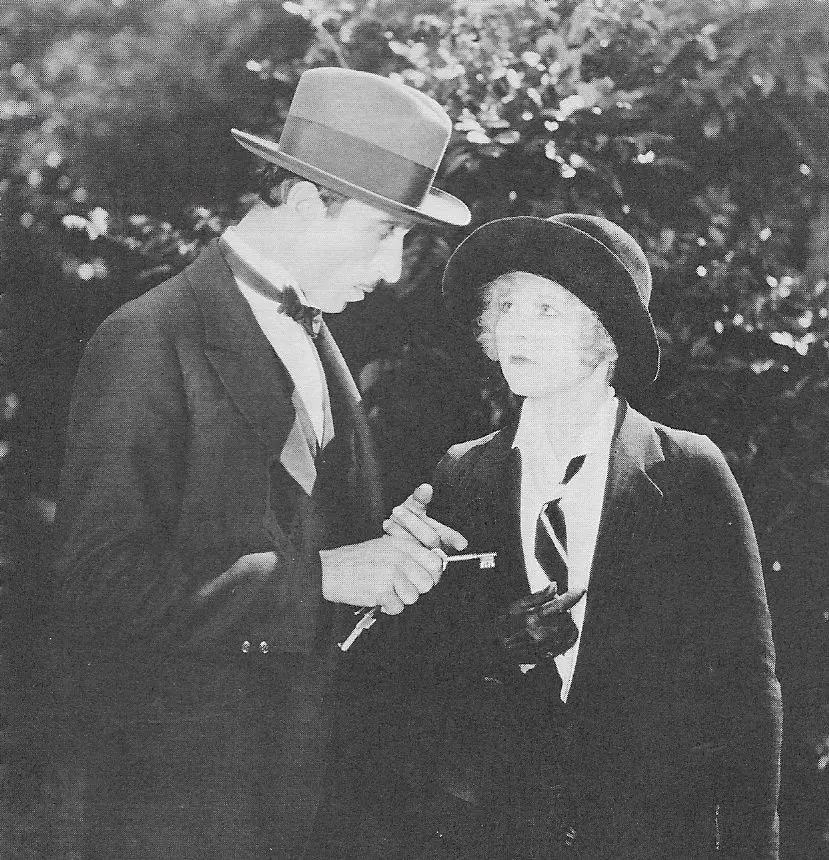
At the heart of this storm is Allene Ray, the quintessential "Serial Queen." Her portrayal of the protagonist is a fascinating study in agency. Unlike many of her contemporaries who were relegated to the role of the passive victim—a trope explored with varying degrees of success in Her Dangerous Path—Ray’s character is the primary engine of the plot. She is the investigator, the risk-taker, and the moral compass. Her suspicion regarding the eighteen-year imprisonment of another woman is not born of gossip, but of a sharp, analytical mind that refuses to accept the facade of Bellamy’s respectability.
The chemistry between Ray and Walter Miller, who plays the state troop officer, provides a necessary emotional anchor. Their romance doesn't feel like a tacked-on requirement of the genre, but rather a slow-burning alliance forged in the crucible of shared danger. This narrative choice elevates the film beyond a simple mystery, grounding the high-stakes action in a relatable human connection, much like the romantic undercurrents seen in Love Letters.
The titular Green Archer is one of the most enduring figures in early mystery cinema. Clad in his distinctive garb, he represents a form of atavistic justice. In a world of modern state troops and industrial wealth, the archer uses a primitive weapon to exact precise, lethal retribution. This juxtaposition creates a unique visual language for the film. The sight of a green-clad figure lurking in the rafters of a modern (for 1925) estate is a jarring, surreal image that predates the costumed vigilantes of later comic book lore. The mystery of his identity is handled with a sophistication that rivals The Red Circle, keeping the audience in a state of perpetual conjecture until the final, explosive siege.
The cinematography in The Green Archer utilizes the play of light and shadow to an extraordinary degree. The use of tinting—a common practice in the silent era—is particularly effective here. The deep greens and somber blues enhance the nocturnal dread of the estate. The camera work, though largely static by modern standards, employs framing that emphasizes the claustrophobia of the castle's interior. When compared to the more open-air, pastoral aesthetics of films like Common Ground, The Green Archer feels like a proto-noir, utilizing the lack of sound to amplify the visual storytelling.
Frank Leon Smith’s screenplay, based on Wallace's work, is a marvel of adaptation. It manages to condense a complex, character-heavy novel into a series of visual beats that maintain the suspense without the aid of dialogue. The intertitles are used sparingly, allowing the actors' expressions and the physical staging to convey the gravity of the situation. This is high-level storytelling that trusts the audience's intellect, a far cry from the more slapstick or simplistic narratives found in Fool Days or His First Car.
Underneath the surface of this gothic thriller lies a subtle commentary on the unchecked power of the American elite. Abel Bellamy is not just a villain; he is a symbol of the Gilded Age's darker impulses—the idea that wealth can buy silence and that a private estate can become a sovereign territory where the law of the land does not apply. The intervention of the state troop officer is, therefore, a symbolic reassertion of public justice over private tyranny. This theme of the individual versus the corrupt institution is a recurring motif in silent cinema, often reflected in more domestic dramas like Why Divorce? or the somber Sumerki zhenskoy dushi.
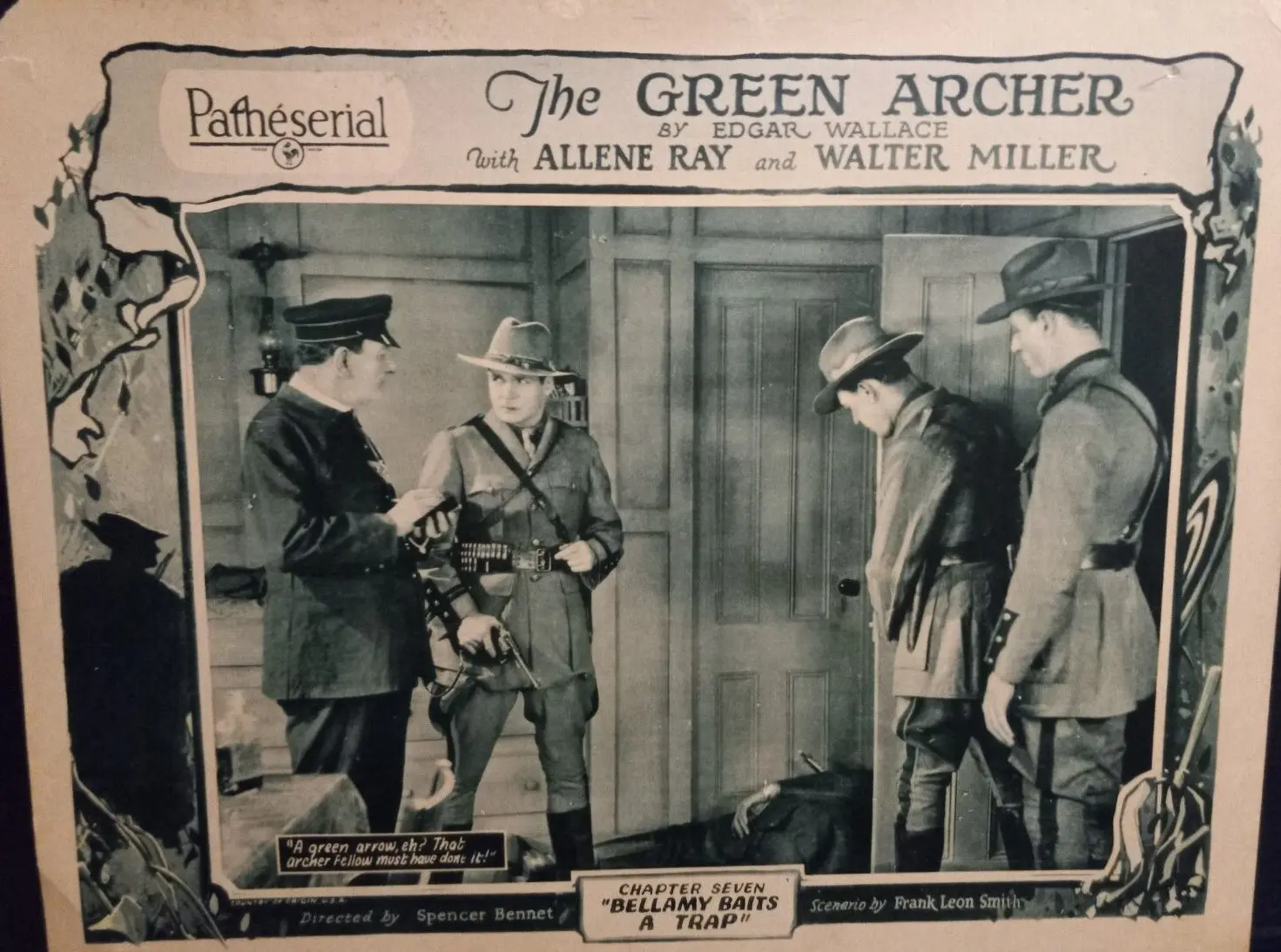
When examining The Green Archer alongside other works of the period, its sophistication becomes even more apparent. While Queen of the Sea relied heavily on fantasy and spectacle, and Bobby Bumps and the Hypnotic Eye leaned into the whimsical and animated, The Green Archer remains grounded in a gritty, tangible reality. Even the more eccentric elements, like the archer himself, are treated with a sense of gravity that prevents the film from descending into camp. It shares more DNA with the psychological tension of The Dumb-Bell than with the lighthearted romps of the era.
The pacing of the film is a rhythmic exercise in tension and release. Each "hazard" the heroine faces is meticulously staged, from the narrow escapes in the castle's bowels to the high-stakes confrontation during the final siege. The film understands the importance of the "cliffhanger" dynamic, a staple of the serial format, yet it manages to weave these moments into a cohesive narrative arc that feels satisfying as a singular experience. It avoids the disjointed nature of some early westerns, such as The Medicine Hat, or the frantic energy of When Do We Eat?.
The Green Archer is more than a historical curiosity; it is a vital piece of cinematic history that demonstrates the early potential of the mystery genre. It showcases a period where filmmakers were still discovering the language of suspense, experimenting with how to keep an audience on the edge of their seats without the benefit of a musical score or spoken dialogue. The performances of Ray and McIntosh remain compelling, providing a human face to the film's more fantastical elements.
For those who appreciate the evolution of the thriller, this film is essential viewing. It bridges the gap between the literary mysteries of the 19th century and the cinematic noir of the 1940s. It is a story of liberation—both for the captive woman held within the castle and for the heroine who finds her own strength in the face of overwhelming odds. In the end, the marriage between the girl and the officer is not just a romantic resolution, but a restoration of order in a world that had been plunged into the emerald-shadowed chaos of Abel Bellamy’s making. Much like the character in Polly Redhead, our protagonist emerges from her trials not just unscathed, but transformed, having navigated the most hazardous of paths to find a well-earned peace.
Ultimately, The Green Archer stands as a testament to the power of the visual image. In its silence, it speaks volumes about fear, courage, and the enduring quest for justice. It remains a cornerstone of the Pathé Exchange legacy and a shining example of why Edgar Wallace's stories continue to captivate the imagination nearly a century later. Whether you are a scholar of silent film or a casual fan of mystery, the arrows of this archer are sure to find their mark.
IMDb 6.4
1925
Community
Log in to comment.