DbcultAccessing Vault...
Cult Review
Senior Film Conservator
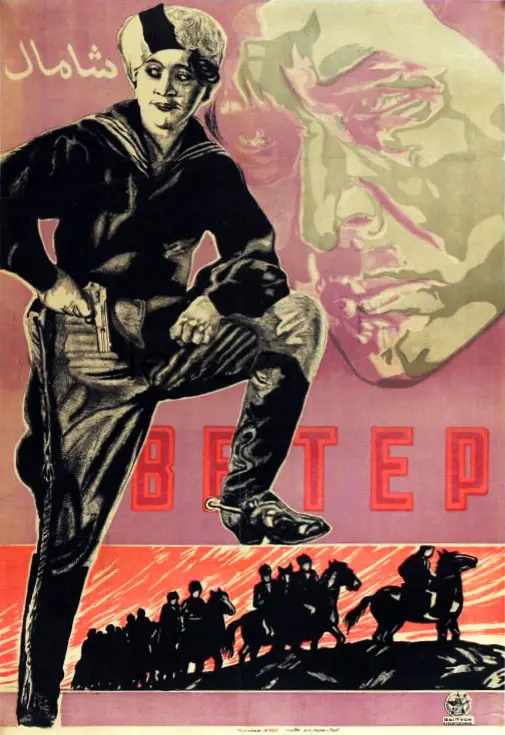
Short answer: yes, but only if you possess the stomach for a film that stares directly into the sun of human depravity. It is a jagged, uncomfortable relic that refuses to offer the easy comforts of modern historical dramas.
This film is for the cinephile who craves the raw, unpolished energy of early Soviet cinema and those interested in the darker corners of wartime psychology. It is absolutely NOT for anyone seeking a lighthearted adventure or a traditional hero's journey where the Red Army is depicted with saint-like purity.
1) This film works because it refuses to sanitize the 'Demon' at its center, presenting a female antagonist whose violence is both eroticized and genuinely repulsive.
2) This film fails because its secondary characters often feel like mouthpieces for political headquarters rather than living, breathing soldiers.
3) You should watch it if you want to see the exact moment where revolutionary zeal crosses the line into psychopathy.
From the opening frames, Demon of the Steppes establishes an atmosphere of oppressive heat and moral ambiguity. Unlike the more lyrical propaganda of the era, such as Kino Pravda No. 16, this film is interested in the dirt under the fingernails of the revolution. The cinematography captures the vast, indifferent landscape of the steppes as a place where laws are merely suggestions and the sword is the only true logic.
The director, Abram Room, alongside Nikolai Saltykov, crafts a visual language that feels surprisingly modern. There is a specific scene where the Red cavalry officer watches the Cossack leader execute a prisoner. The camera doesn't focus on the victim; it lingers on her face. The subtle twitch of her lips and the widening of her eyes suggest a pleasure that is deeply unsettling. It is a performance by Oksana Podlesnaya that predates the 'femme fatale' trope but carries a much more lethal weight.
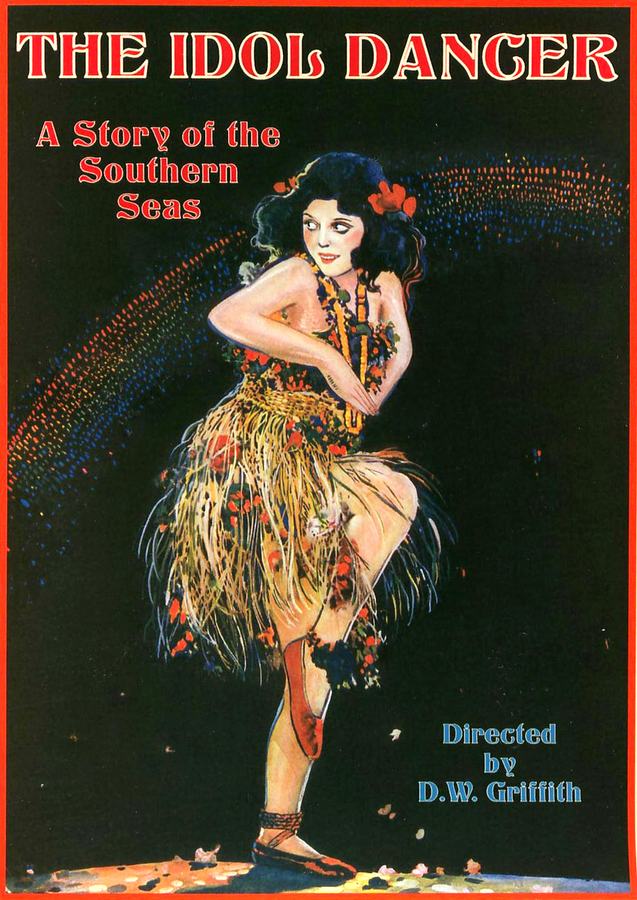
The pacing is relentless. While many films of this period, like After the Ball, take their time to build a social critique, Demon of the Steppes throws the viewer into the middle of a collapsing moral order. The warnings from the headquarters staffer aren't just plot points; they are the last gasps of a structured society trying to pull a man back from the brink of madness. It is a blunt, effective tool for building tension.
Nikolai Saltykov delivers a performance that is defined by its restraint. As the cavalry officer, he represents the 'New Man' of the Soviet project—disciplined, rational, and focused. However, as the film progresses, we see that mask slip. His obsession with the Cossack woman isn't born of love, but of a morbid curiosity that turns into a spiritual sickness. It is a brave portrayal of a man losing his soul to the very violence he was sent to quell.
In contrast, the supporting cast, including Aleksandr Antonov and Ivan Bobrov, provide the necessary grounding. They represent the collective, the 'Red' machine that cannot afford individual obsessions. When they appear on screen, the film shifts from a psychological thriller back into the realm of a war epic. This tension between the individual’s dark desires and the party’s rigid demands is where the film finds its true power. It reminds me of the moral complexities explored in Hypocrites, though with a much more violent edge.
The script, co-written by Boris Lavrenyev, is sharp. Lavrenyev was a master of the 'Civil War tragedy,' and his influence is felt in the way the dialogue (conveyed through intertitles) cuts like a blade. There is no flowery language here. The characters speak in commands and warnings. It’s a nasty piece of work. But it’s effective.
What makes Demon of the Steppes stand out from its contemporaries is its willingness to depict the 'enemy' with a terrifying magnetism. Usually, in films like Danger Within, the antagonist is a caricature of bourgeois decadence. Here, the Cossack leader is a primal force. She is not fighting for a king or a country; she is fighting because she enjoys the slaughter. This creates a deeply nihilistic subtext that must have been shocking to audiences in 1926.
The film’s portrayal of the Cossacks is also worth noting. They are not merely villains; they are depicted as a remnant of an older, more savage world that the revolution is trying to pave over. The clash isn't just political; it's temporal. The film suggests that the 'Demon' isn't just one woman, but an ancient bloodlust that the steppes themselves provoke in anyone who stays there too long. It’s a surprisingly dark observation for a film produced in a state that was supposed to be building a utopia.
The technical execution of Demon of the Steppes is a testament to the ingenuity of early Soviet filmmakers. Despite the limited resources of the mid-1920s, Room and his team managed to create a film that feels expansive. The use of natural lighting during the outdoor sequences creates a harsh, high-contrast look that mirrors the internal conflict of the officer. The dust kicked up by the horses isn't just a visual detail; it becomes a metaphor for the fog of war that blinds the protagonist to his own moral decay.
The editing is also worth highlighting. The cuts between the officer's face and the Cossack leader's actions create a rhythmic sense of dread. It’s a technique that would be refined in later years, but here it feels raw and experimental. For those who found the visual storytelling of Open Your Eyes compelling, this film offers a much more aggressive and stylized approach to the medium.
Demon of the Steppes is a haunting, essential piece of cinema history. It is a film that refuses to play by the rules of its time, offering a dark, psychological counter-narrative to the standard revolutionary epic. While it has its flaws—mainly in its moments of overt messaging—the central performances and the sheer audacity of its subject matter make it a must-watch. It works. But it’s flawed. And that flaw is exactly what makes it so human. If you can find a print, watch it. Just don't expect to feel good afterward.
IMDb 6
1931
Community
Log in to comment.