DbcultAccessing Vault...
8.3/10
Senior Film Conservator
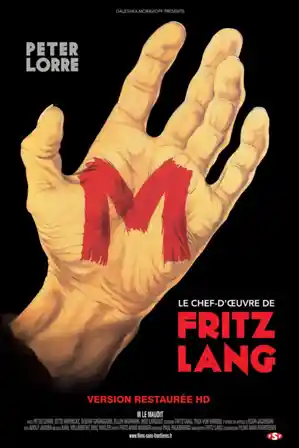
A definitive 8.3/10 rating for a film that redefined the boundaries of cult cinema. M remains a cornerstone of transgressive art.
So, you’re looking at M, the Fritz Lang film from 1931. Worth watching today? Yeah, absolutely. If you like your thrillers dark, smart, and a bit chilling, even after all these years. This one’s for you. If you need color, explosions, or a fast-paced action hero, you might find it slow. But for anyone who appreciates a truly unsettling story, it’s a must-see. Seriously.
Lang just drops you into a city gripped by a gnawing fear. Children are disappearing. The police are running in circles. You see the worried faces, the desperate mothers. That opening scene with the little girl, and her mother calling for her. It’s a real punch to the gut, right from the start.
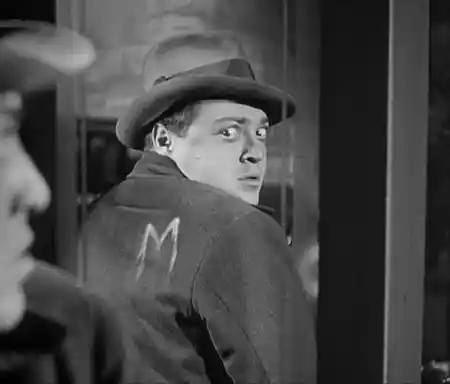
Peter Lorre as the killer, Beckert, is something else. You catch glimpses of him. His eyes, wide and almost frantic. That nervous way he moves. He isn't just a simple villain. He's this haunted guy, really. You get this odd, uncomfortable feeling of pity for him, even if it’s just for a second. That’s a strange trick to pull off.
And that whistling! That bit of Edvard Grieg, "In the Hall of the Mountain King." It’s everywhere, but not everywhere. It becomes Beckert's calling card. Every time it pops up, your chest tightens a bit. It’s a super smart way to build tension, just with sound. 🎶
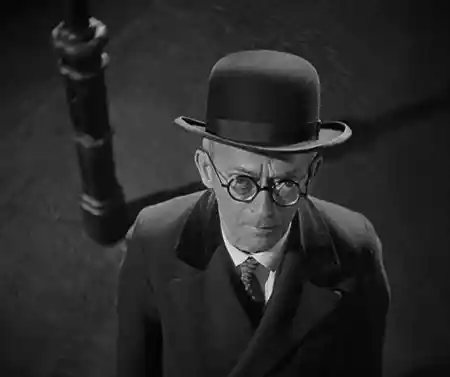
The movie sets up two separate hunts for this guy. You’ve got the regular police, with their big maps and their raids. They’re busting up bars, questioning everyone. It feels pretty frantic, but maybe not super effective.
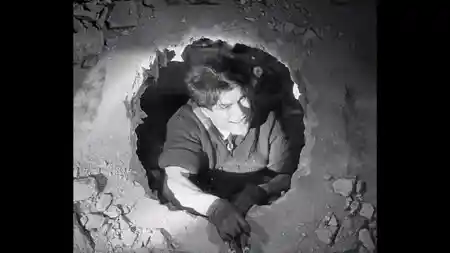
Then, the criminal underworld steps in. The local gang leaders, the beggars, all those folks. They're annoyed because the police presence is hurting their business. So, they decide to find the murderer themselves. This part is just wild. They use their own network, their spies. It feels almost more organized than the official police effort.
There's this moment where a blind man hears the tune. He can’t see Beckert, of course. But he just knows that whistle. And he points. A guy follows Beckert, putting a chalk 'M' on his back. Just a small letter, but it marks him. Such a simple, chilling detail, that 'M'.
The film does this amazing job of showing how a whole city can just lose it. The angry crowds on the streets. Everyone just wants someone to blame. It feels very real, even for a movie made in 1931. Kinda unsettling how quickly people can turn.
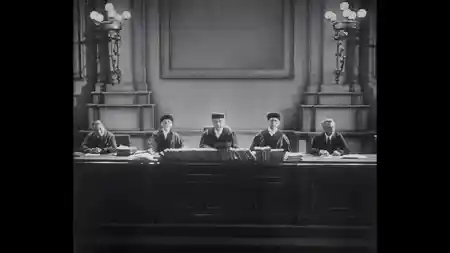
Lang's use of shadows is brilliant. Characters often melt into the darkness. Or a face is lit in a really stark way. It all adds to the uneasy feeling. You don't always need to see everything clearly. The hint of something is often scarier.
The police chief, played by Otto Wernicke, just looks so utterly exhausted. You can practically feel the pressure on him. He’s trying, honestly. But the phone just keeps ringing. The newspapers are screaming. It’s a very human struggle to watch.
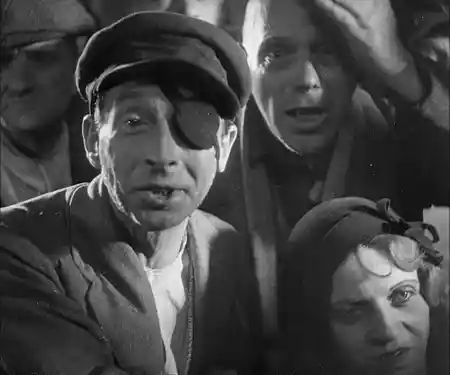
The big showdown. Beckert cornered in that old building, facing a mob of criminals. He's practically on trial right there. He begs them to understand, says he can’t help himself. Peter Lorre's monologue in that scene, all tear-streaked and desperate. It's so raw. You see the sheer torment, the sickness. It’s not an excuse for his crimes, but it shows a person completely broken. Hard to forget that.
And that small detail, the red balloon that floats away at the very start of the movie. It’s just a balloon, really. But it carries so much weight. A tiny, quiet moment that speaks volumes. That’s clever filmmaking right there.
M leaves you thinking about justice. Like, who truly gets to decide? The law? Or a furious group of citizens, some of them criminals themselves? It never gives you an easy answer. Just lays it all out. It’s a disturbing, captivating look at a society pushed to its absolute limit.
It’s a classic for very good reasons. Not just because it's old, but because it still feels so vital. So relevant. Seriously, watch it. Just be ready for that whistle to echo in your head for days. It really does. 🤯
IMDb 5.2
1922
Community
Log in to comment.