DbcultAccessing Vault...
6.5/10
Senior Film Conservator
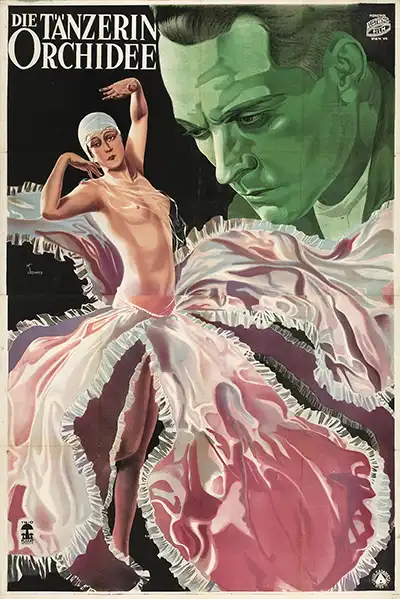
A definitive 6.5/10 rating for a film that redefined the boundaries of cult cinema. Woman of Destiny remains a cornerstone of transgressive art.
So, Woman of Destiny. If you're someone who gets a kick out of digging into film history, especially the silent era, then yeah, this might be worth your time. It’s got that old-school melodrama that just hits different. But if you're looking for something with snappy dialogue or modern pacing, honestly, you'll probably find yourself checking your watch. It's for the patient, the curious, or those who appreciate how cinema used to tell a story without a single spoken word. Everyone else? Maybe pass.
Watching this one felt a bit like stepping into a time capsule, you know? The whole vibe is just so... *of its time*. Louise Lagrange, as the titular woman, has these expressions that are just huge. Every emotion is painted right across her face, sometimes a little too big for the room, but that was the style then. You almost feel yourself leaning in, trying to catch every subtle shift, even though nothing is subtle.
There's this one scene, early on, where she's just sitting by a window. The light catches her profile, and it’s genuinely quite lovely. But then she sighs, and it’s a full-body sigh. Like, the kind that starts in her toes. It made me smile a little, thinking about how different acting is now. No one sighs like that anymore, not on screen anyway. 🤔
The intertitles pop up often, guiding you through the narrative, sometimes a little *too* much. You get the gist, then the title card comes in and explains it again. It’s like they didn't trust the audience to pick up on the longing glances or the hand-wringing. But hey, it was a different era for storytelling, right?
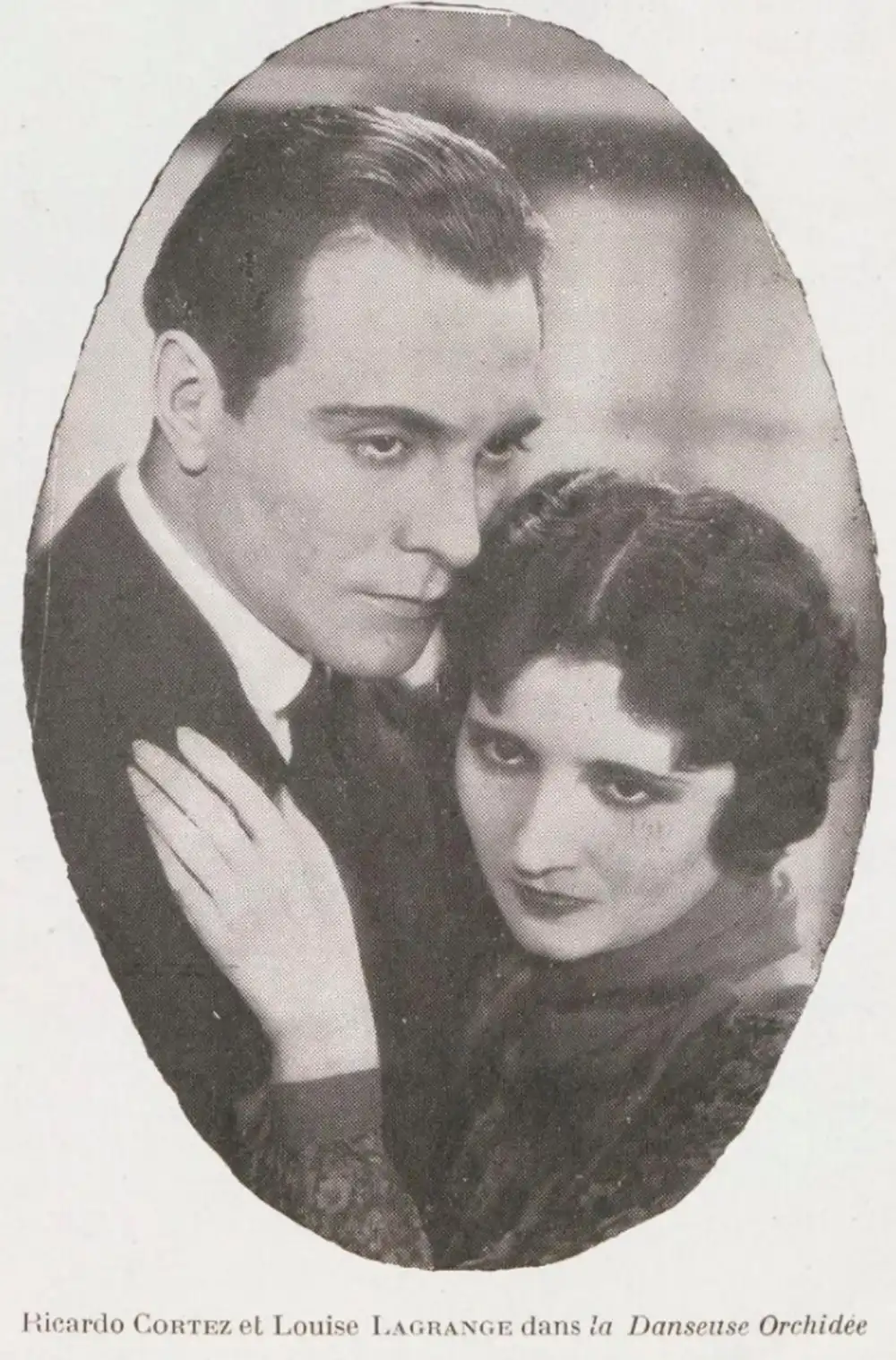
Ricardo Cortez shows up, all dashing and a bit brooding. He’s got that classic leading man look, slicked-back hair and a knowing smirk. You can tell he’s the "trouble" type, even without a single line. The way he just *stares* at Lagrange in one scene, it's pretty intense. Almost a little creepy, actually. Not in a bad way, just very direct.
Pacing is definitely something else. It takes its time. A *lot* of time. Moments stretch out, and you really feel the weight of each decision the characters make. Or rather, you feel the weight of them *thinking* about making a decision, then looking worried, then finally acting. It's a slow burn, for sure. Sometimes you wish they'd just get on with it, but then you remember it's a silent film, and that's just how it was.
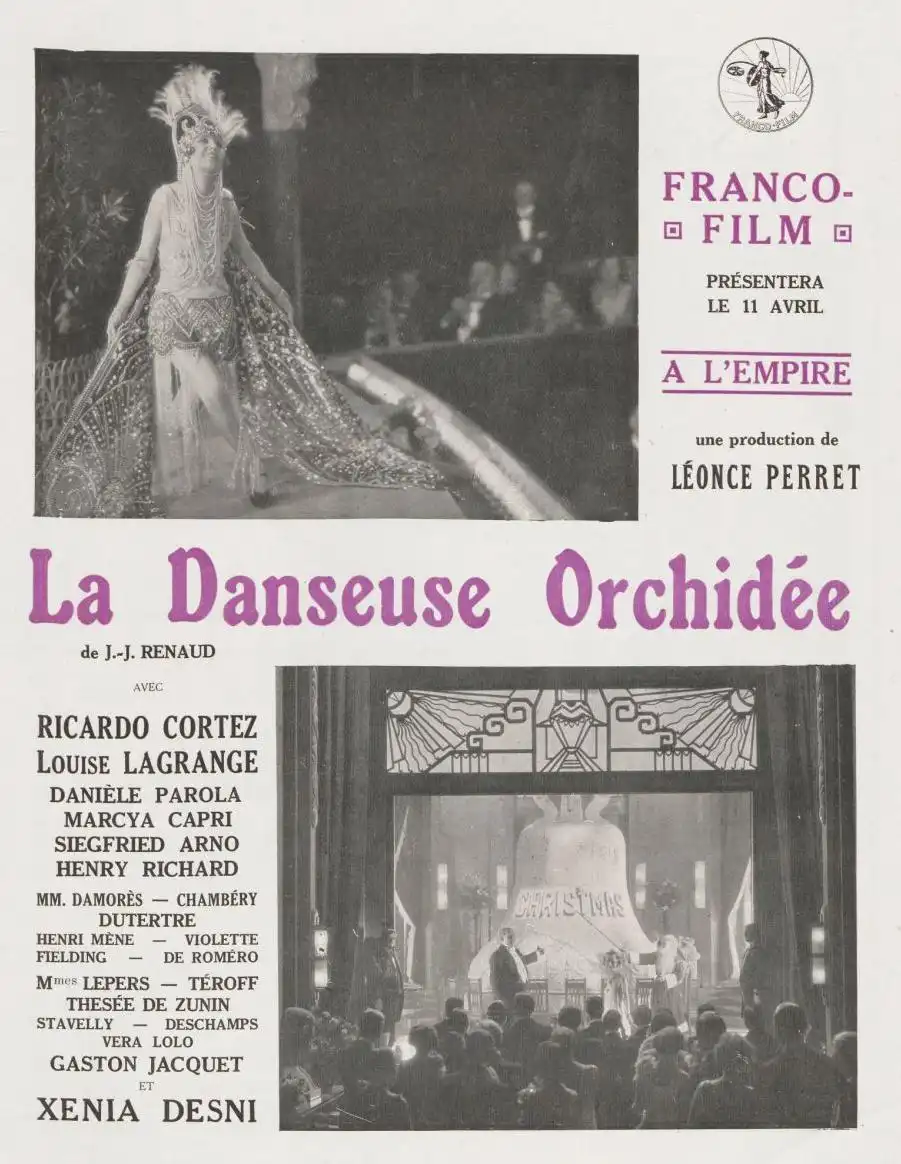
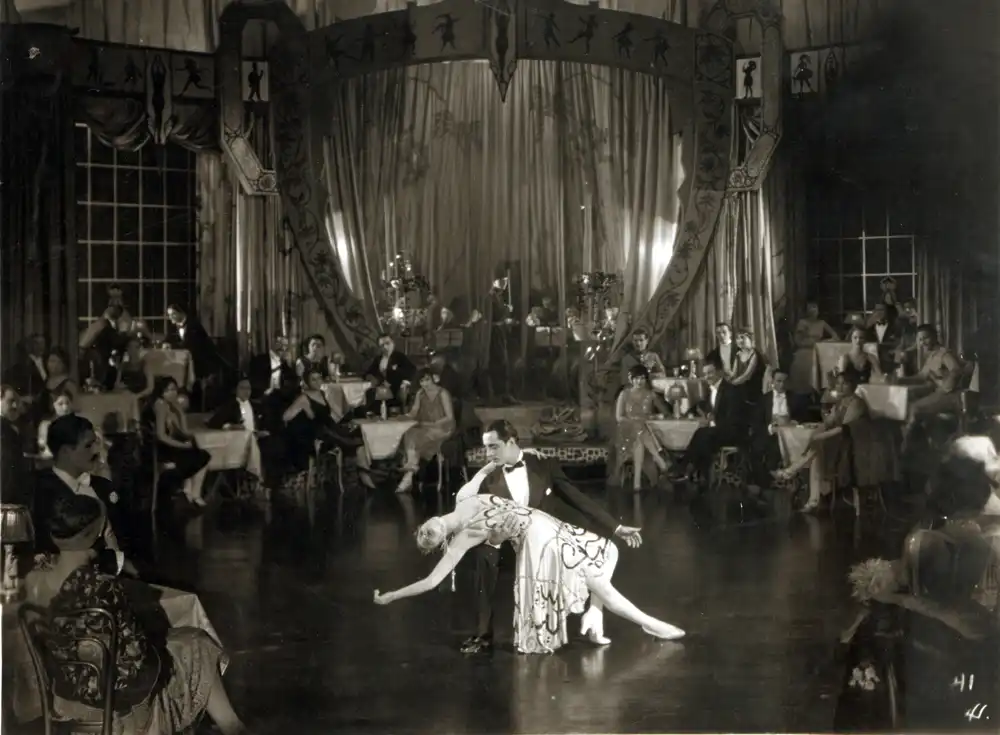
I found myself focusing on little things. Like the costumes. They’re quite elegant, even if they look a bit stiff now. And the sets! Some of the interiors are really detailed. You can almost smell the old wood and dust. There's a fancy ball sequence where everyone is just *so* formal. The dancing feels less like dancing and more like a series of polite poses. It’s a glimpse into a very different world. 🕰️
The print quality I saw wasn't perfect, which, honestly, added to the charm. There were scratches and flickers, little ghosts of the past. It made it feel more authentic, like you were really watching a piece of history, rather than a perfectly restored digital file. It gives the film a certain rough beauty that's kinda hard to explain.
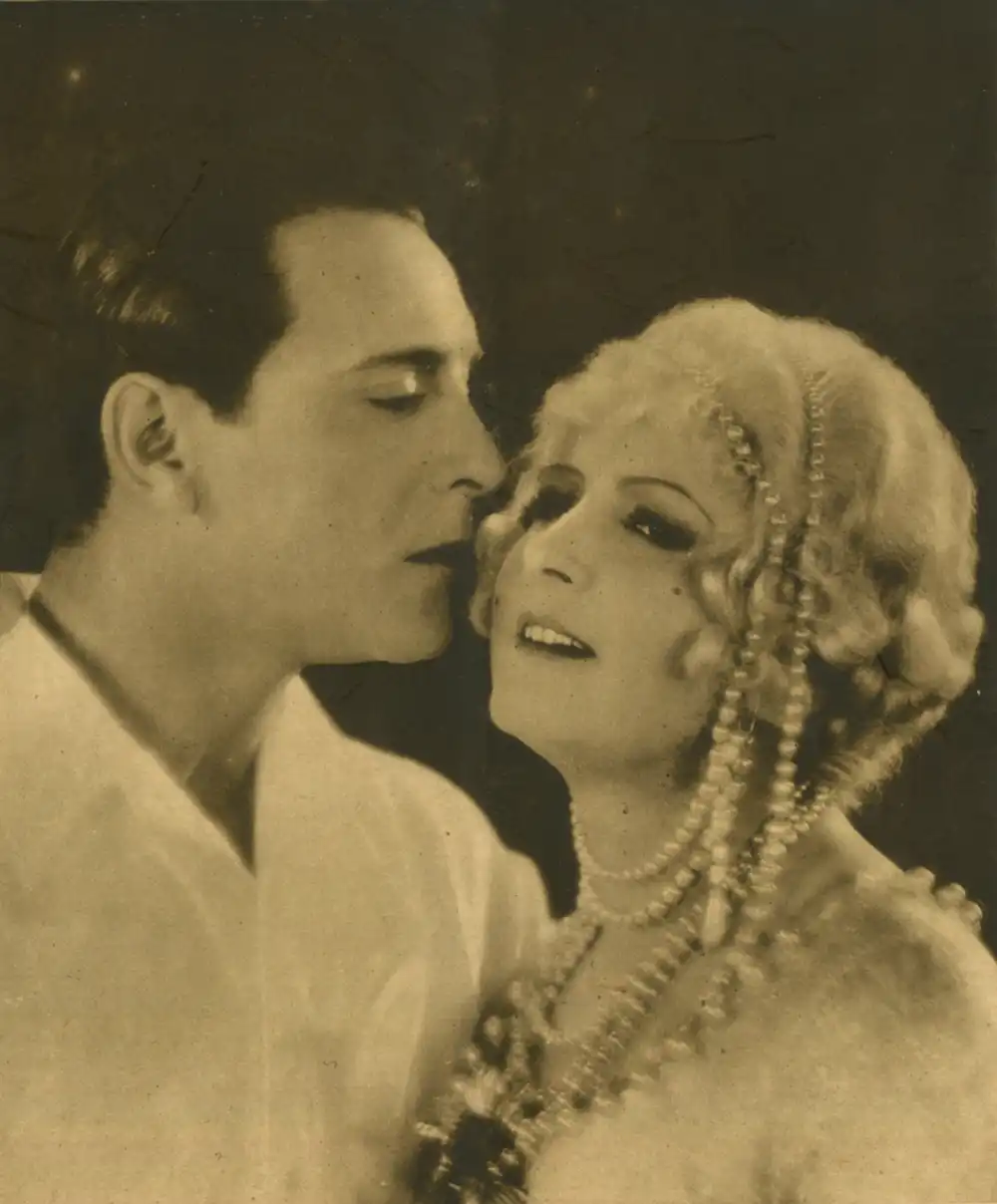
One part that stood out was a chase scene – well, "chase" might be a strong word. More like a *brisk walk with purpose* through some streets. The camera work felt a bit shaky there, like the cameraman was jogging a little too hard. It wasn't slick or seamless, but it had this raw energy that actually made it more engaging than some of the more posed moments. It felt a bit like a documentary for a second. 🏃♀️
And the melodrama! Oh boy. There are moments where the stakes feel so incredibly high, but then a character will just look dramatically into the middle distance for what feels like an eternity. You just want to hand them a tissue. It’s wonderfully over the top, really. You either buy into it completely or you find it a bit much. I leaned into it. It’s almost therapeutic, watching such pure, unadulterated emotion.
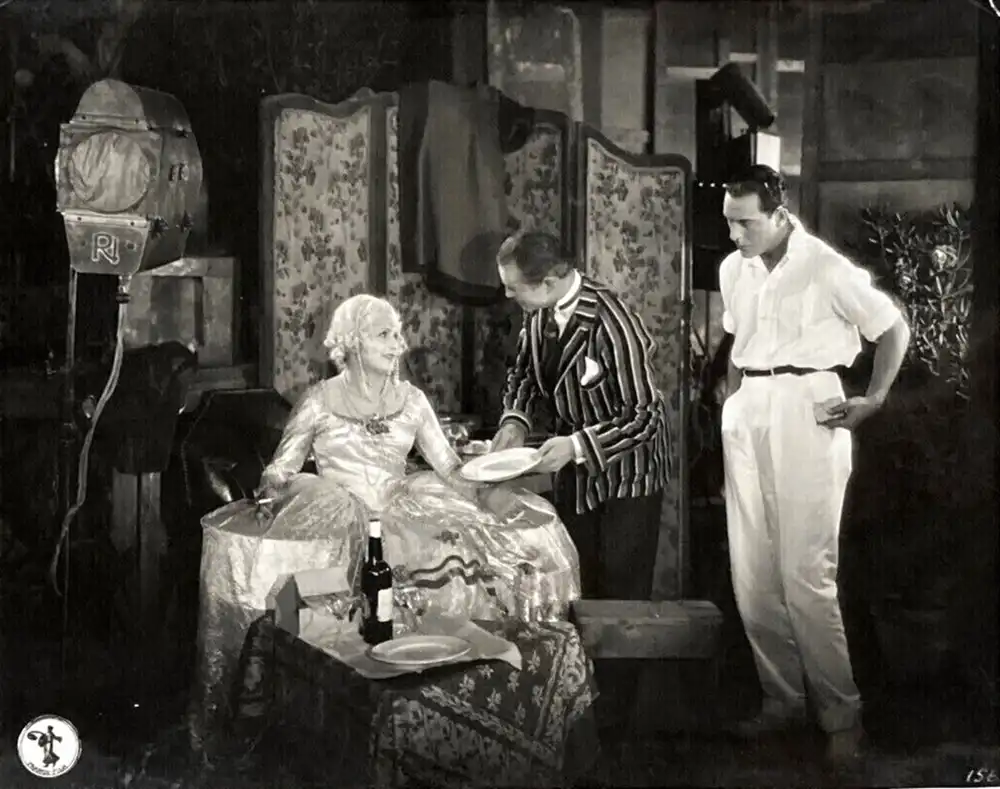
I did notice the music changed a few times during my viewing, which probably isn't part of the original film but a later accompaniment. It’s interesting how a different score can totally shift the mood of a scene. Sometimes it was soaring and dramatic, other times a bit subdued. It makes you wonder what kind of music played in the theaters back then. What a job the live musicians must have had! 🎻
It’s not a film that will reinvent your idea of cinema, not by a long shot. But it’s a solid entry if you want to understand the foundational language of film. It’s a window. You watch it, and you think about how far movies have come, and how some things, like wanting to tell a compelling story, haven't really changed at all. Just the *way* we tell them.
The ending felt a bit abrupt, almost like the filmmakers ran out of time or ideas. Or maybe that's just how stories wrapped up back then. It leaves you with a feeling, not a neat package. Which, honestly, I kind of appreciated. No forced conclusions.
IMDb —
1926
Community
Log in to comment.