DbcultAccessing Vault...
6.3/10
Senior Film Conservator
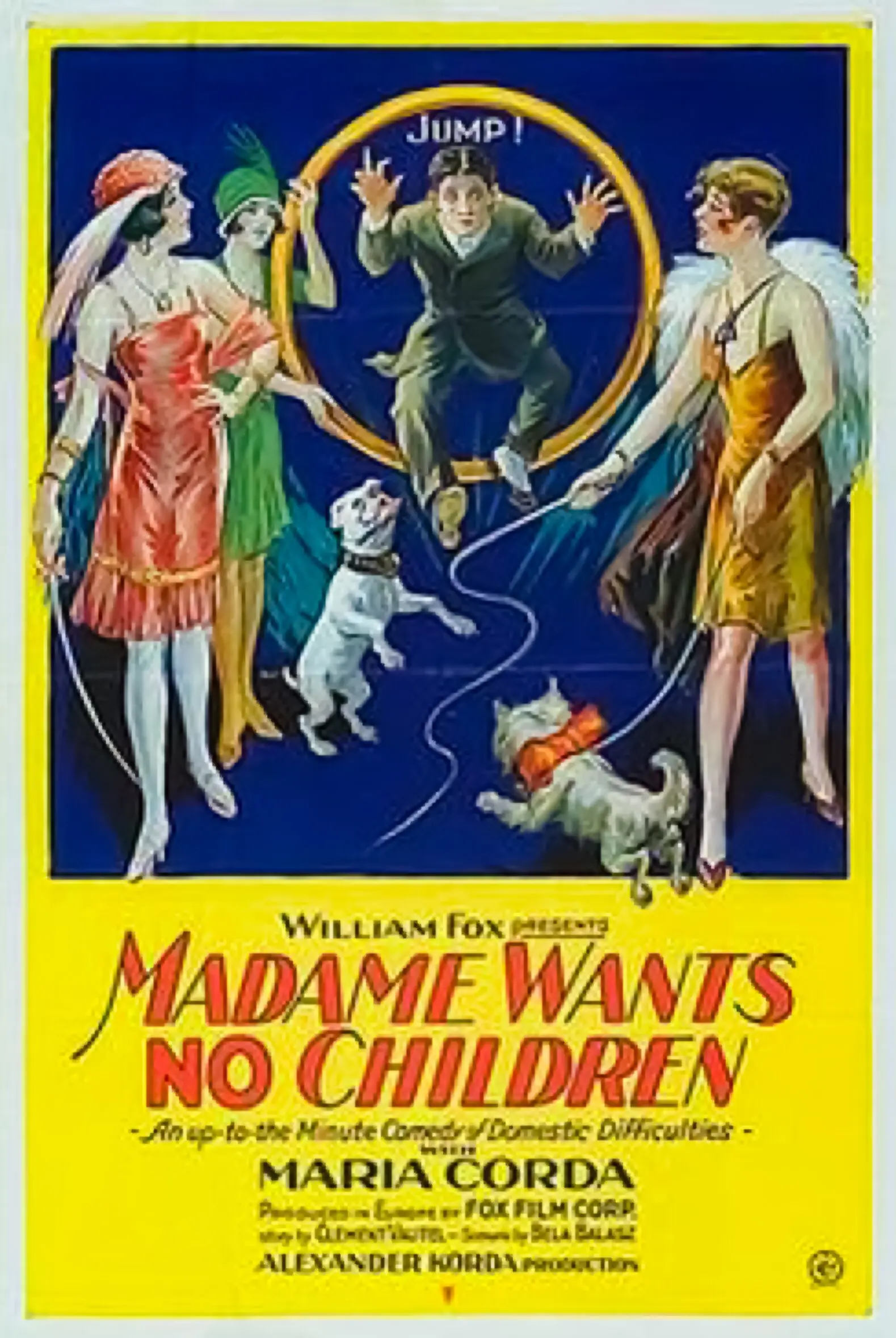
A definitive 6.3/10 rating for a film that redefined the boundaries of cult cinema. Madame Doesn't Want Children remains a cornerstone of transgressive art.
Is this film worth watching today? Short answer: Yes, but primarily as a fascinating sociological artifact rather than a progressive anthem. It is a mandatory watch for those interested in the evolution of gender roles in cinema, while those seeking a fast-paced modern narrative may find its silent-era pacing and eventually conservative resolution frustrating.
This film works because it captures the genuine anxiety of the 1920s transition into modernity with visual flair. It fails because it ultimately retreats into a safe, moralistic ending that betrays its own rebellious premise. You should watch it if you are a student of Weimar cinema or a fan of early Marlene Dietrich, who appears here before her legendary transformation into a global icon.
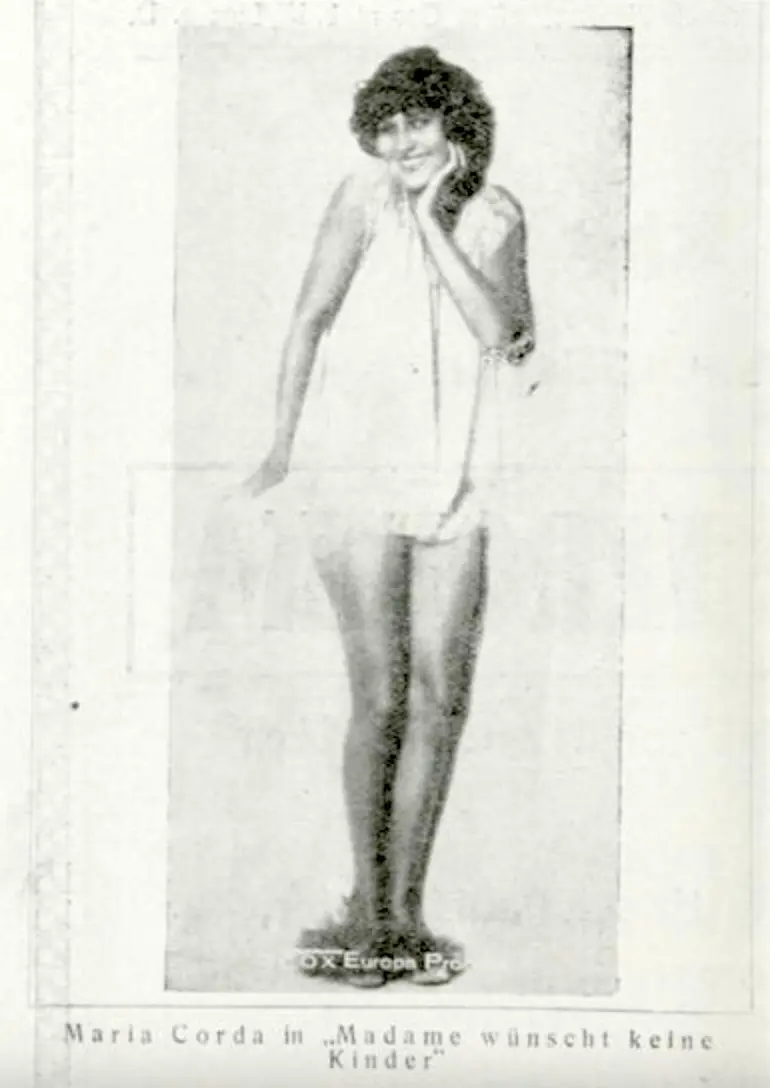
Madame Doesn't Want Children is a film that feels remarkably contemporary until it suddenly doesn't. Directed with a keen eye for social friction, it places the audience in the middle of a marriage that is essentially a proxy war for the future of the 20th century. Maria Corda delivers a performance that is electric, portraying Elyane not as a villain, but as a woman who simply values her own time, body, and social life more than the abstract concept of legacy.
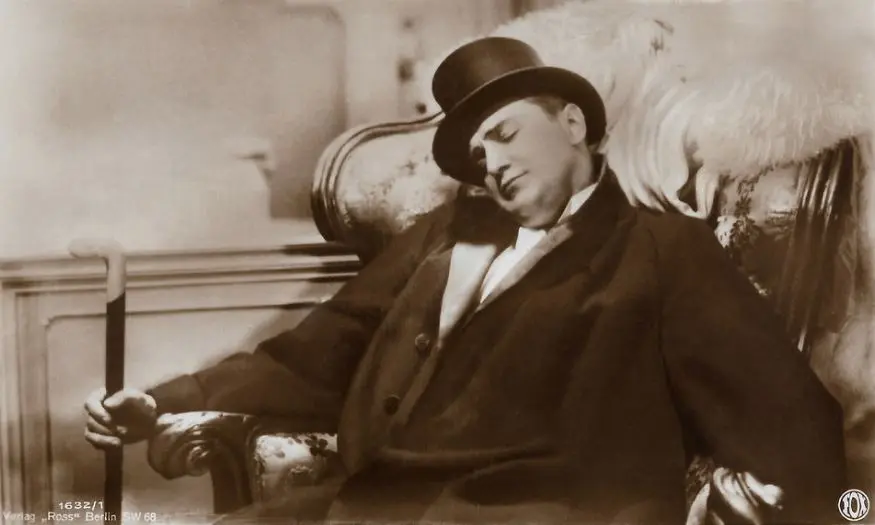
The film’s tension is built not on external threats, but on the quiet, domestic horror of two people wanting entirely different lives. Paul, played with a stifling sense of entitlement by Harry Liedtke, represents the old world. He believes that a woman’s love is only validated through procreation. This conflict is mirrored in other films of the era, such as the more overtly didactic Where Are My Children?, though Madame moves with a lighter, more European touch.
If you are looking for a window into the soul of the 1920s, this film is indispensable. It offers a rare look at the 'New Woman' before the censors of the 1930s effectively erased her from the screen. It provides a sharp, often funny, and occasionally heartbreaking look at the cost of independence. For the casual viewer, it serves as a reminder that the 'culture wars' of today have very deep roots.
The cinematography in Madame Doesn't Want Children is a testament to the sophistication of the UFA studios. The use of shadow and space within Elyane and Paul's apartment tells the story of their drifting relationship better than any title card could. For instance, in the scene where Elyane prepares for a night out while Paul sits in the gloom of his study, the lighting creates two distinct worlds that cannot coexist. The sharp, high-key lighting on Elyane emphasizes her artificial, modern brilliance, while Paul is swallowed by the soft, muddy tones of tradition.
This visual storytelling is far more advanced than many American films of the same year, such as Hands Up!, which relied more on physical comedy and broad gestures. Here, the drama is in the eyes and the architecture. The screenplay, co-written by the legendary Béla Balázs, ensures that even the smallest moments carry weight. Balázs, known for his theories on the 'visible man,' focuses the camera on the micro-expressions of the cast, making the silence feel loud with unsaid resentment.
While the film is a vehicle for Maria Corda, modern audiences often flock to it to catch a glimpse of a young Marlene Dietrich. She isn't the star here, but her presence is a lightning bolt. Even in a minor role, she carries an aura of detached coolness that would later define her career. It is a fascinating contrast to the more theatrical style of her co-stars. Watching her here is like seeing a sketch for a future masterpiece.
The supporting cast, including Trude Hesterberg and John Loder, provides a necessary buffer to the central couple's intensity. They represent the social circle that fuels Elyane’s desire for freedom. In one specific club scene, the frantic editing and overlapping action perfectly convey the 'jazz madness' that conservative critics of the time feared would destroy the family unit. It’s a sequence that rivals the energy found in Sally of the Sawdust, yet it maintains a distinctly European cynicism.
One of the most striking things about this film is how it handles the physical intimacy—or lack thereof—between the leads. There is a brutal simplicity in the way Elyane recoils from a touch that implies a 'motherly' duty. It is a moment of pure physical acting that says more about bodily autonomy than a ten-minute monologue in a modern talkie. The film lies to itself in the end, but those moments of truth are impossible to ignore.
Compare this to the treatment of family in Parentage, and you see a much more conflicted, less black-and-white approach to the subject. Madame Doesn't Want Children doesn't just present a problem; it presents a lifestyle that is genuinely attractive, making the eventual 'correction' feel all the more tragic. It works. But it’s flawed.
Madame Doesn't Want Children is a dazzling, if ultimately cowardly, look at the 1920s war between the ballroom and the nursery. It is a visual feast that offers a profound look at a woman trying to outrun her era. While it may blink first in its confrontation with social norms, the journey it takes is one of the most stylish and thought-provoking of the silent era.
Despite its dated conclusion, the film remains a vital piece of cinema history. It captures a moment in time when the world was poised between two eras, and the smoke-filled rooms of Berlin felt like the center of a new universe. It is a film of high fashion and low spirits, a comedy that tastes like a tragedy. Watch it for the craft, stay for the history, and ignore the sermon at the end.

IMDb —
1936
Community
Log in to comment.