DbcultAccessing Vault...
6.5/10
Senior Film Conservator
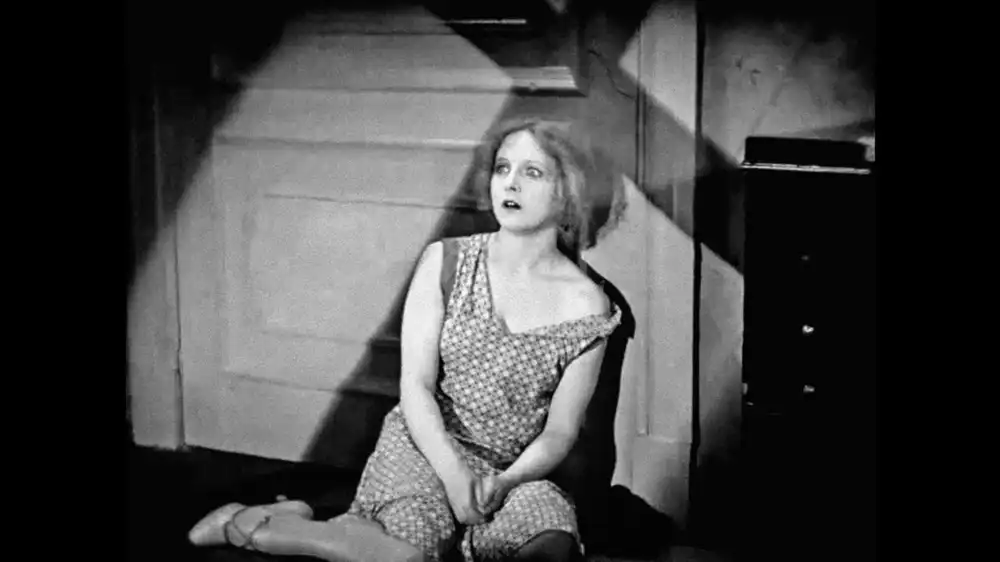
A definitive 6.5/10 rating for a film that redefined the boundaries of cult cinema. Mädchen am Kreuz remains a cornerstone of transgressive art.
So, Mädchen am Kreuz. Is it worth tracking down today? For folks who love digging into early German cinema, absolutely. If you’re usually bored by silent films, this one probably won’t convert you. It's a slow burn, definitely not for a casual Friday night, but there’s something really compelling here if you give it space. 🧐
The story is pretty simple, on paper. Mary, played by Evelyn Holt, goes on holiday. She's supposed to be relaxing, doing boat trips and gardening. But there’s also this whole thing with her wealthy groom-to-be, and you can just feel the weight of that hanging over everything.
Holt, as Mary, has this face that tells you so much without a single spoken word. There’s a scene early on, she's on a boat, the light hitting her just so. She’s staring off, not quite smiling, not quite sad. It’s like she’s already a bit tired of something. 🛶 You know that look, right? Where someone’s physically there, but their mind is miles away, dealing with their own stuff.
Then there’s the gardening. It’s not just a quick shot. They spend some time here. She’s really digging into the soil, hands getting dirty. It feels genuine, almost like a break from the performance of being a young woman about to marry money. The dirt under her nails, it felt more real than any diamond ring could.
Her interactions with the groom, he’s played by Wolfgang Zilzer, are interesting. He’s not overtly bad. He just feels… heavy. Like a fact of her life. There’s a dinner scene where he just watches her eat, and the camera lingers on his face. He's not exactly menacing, but there’s a possessiveness in his gaze. It’s subtle.
One specific moment sticks out. Mary is walking through a garden, and there’s this very tall, sort of gnarled tree that almost looks like a cross shape against the sky. The director, Marie Luise Droop, keeps it in frame for a beat too long. It’s not flashy, but it makes you think about the title. 🌳 Is she literally at a crossroads? Or is it more about carrying a burden?
The pacing is very much of its time. Some scenes hold for what feels like ages, just watching someone walk or look out a window. It can be a bit much. But then, those long takes let you really feel what Mary might be feeling. You notice little things, like the way her shoulders slump ever so slightly when she's alone. Or how she almost flinches when the groom touches her arm.
I found myself wondering a lot about the expectations placed on women back then. Mary’s holiday isn't really a holiday. It’s more like a waiting period. A pause before her life is, well, decided for her. It’s not just about her wealthy groom, it’s about what that life means.
There's another scene, very brief, where she’s just sitting by herself, looking at a small, framed photo. We don't see whose photo it is. But the way she holds it, almost yearning. It hints at another path, another possibility, maybe a past love, or just a simpler life. That one little detail, it opens up so many questions. 💭
The film doesn't wrap everything up neatly. It feels more like a slice of life, a brief window into Mary's quiet struggle. It’s not dramatic in a loud way. It’s the kind of drama that happens inside someone's head. You know, the kind that plays out behind your eyes when you're just staring into space.
Don't go into this expecting grand gestures or huge plot twists. It’s not that kind of movie. It's more about the unspoken things. The quiet desperation. It’s about a "Mädchen am Kreuz" – a girl at a kind of cross, deciding her own fate, or perhaps having it decided for her. And it kinda gets under your skin, this film does. It's a surprisingly thoughtful watch. 👍

IMDb 6.6
1935
Community
Log in to comment.