DbcultAccessing Vault...
6.4/10
Senior Film Conservator
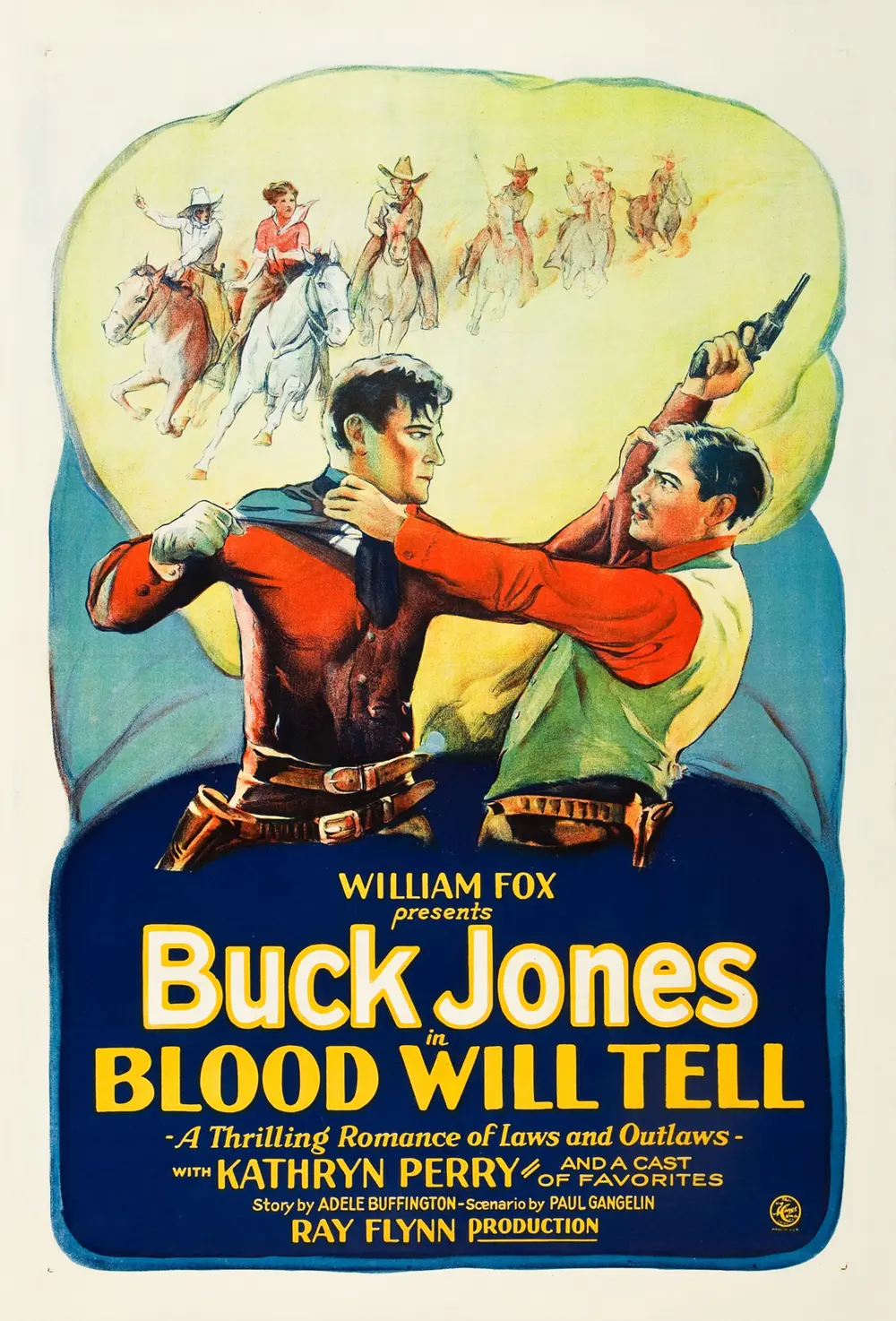
A definitive 6.4/10 rating for a film that redefined the boundaries of cult cinema. Blood Will Tell remains a cornerstone of transgressive art.
Is Blood Will Tell (1927) a film worth watching today? Short answer: yes, but with significant caveats. This silent Western gem offers a fascinating glimpse into early Hollywood's genre conventions, making it an essential viewing for film historians and devotees of early American cinema, yet it might prove a challenging watch for those unaccustomed to the pacing and narrative style of the era.
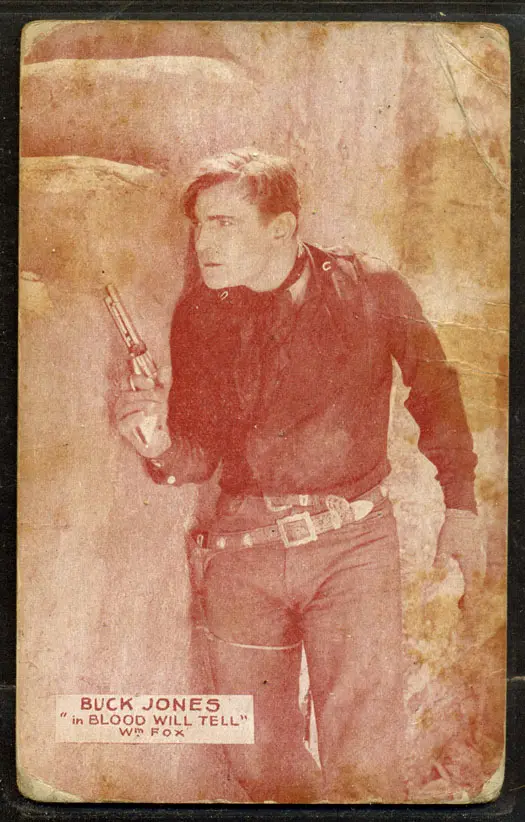
This film works because of Buck Jones’s undeniable screen presence and the sheer dedication to crafting a classic Western morality play. Jones, a genuine cowboy, lends an authenticity that many of his contemporaries simply couldn't match, particularly in his interactions with his famous horse, Silver. The action sequences, though rudimentary by modern standards, are surprisingly effective, showcasing real horsemanship and a raw energy that feels earned.
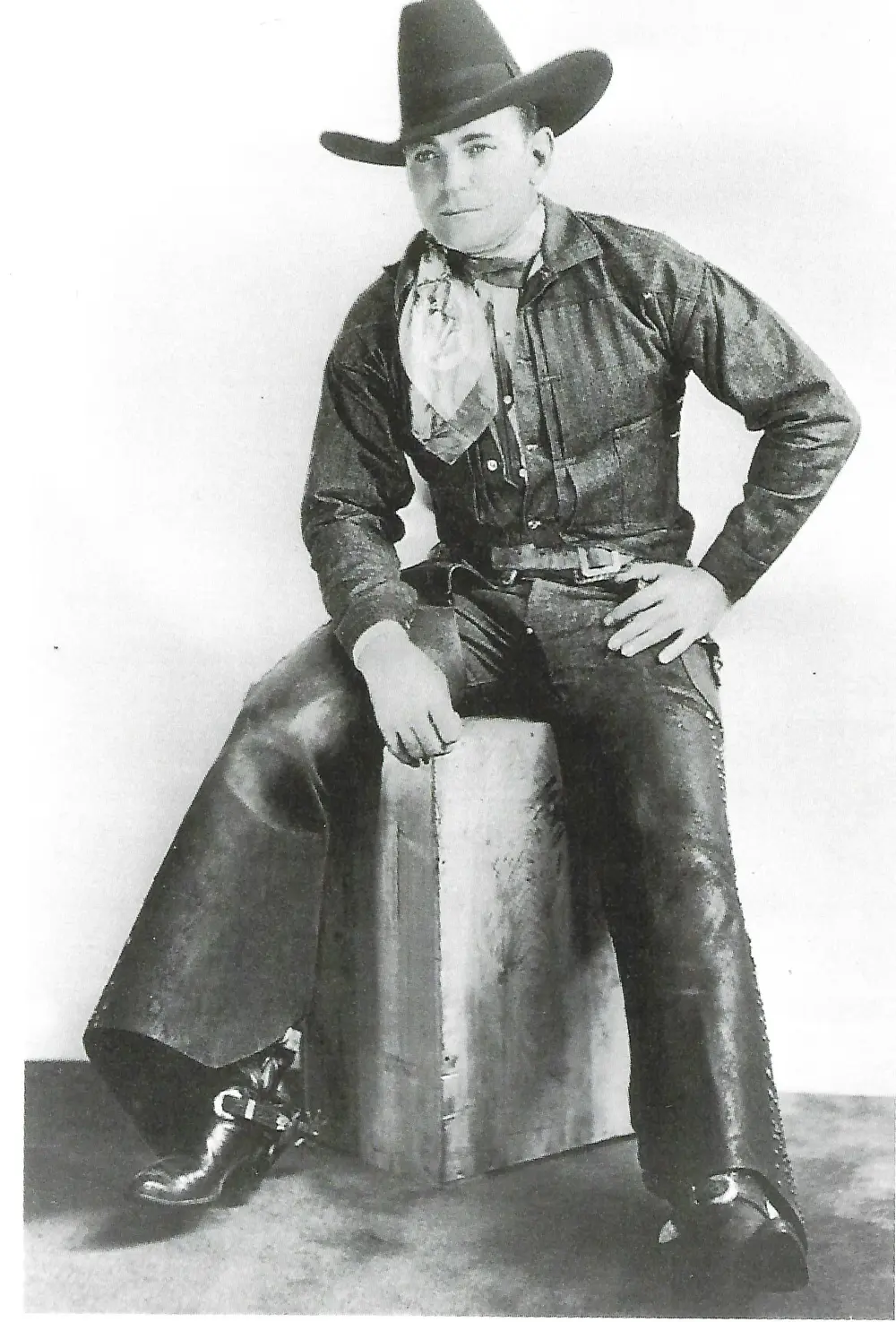
However, this film fails because its narrative, while archetypal, often feels overly simplistic and predictable, even for its time. The plot twists are telegraphed well in advance, and the supporting characters rarely rise above their functional roles. The pacing, a common challenge in silent cinema, occasionally drags, particularly during expositional scenes that rely heavily on intertitles rather than visual storytelling.
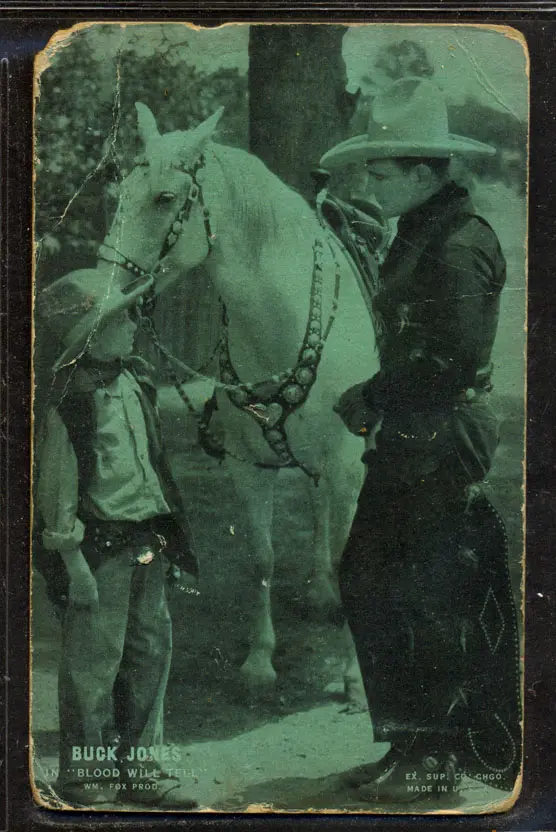
You should watch it if you have an appreciation for silent film, Westerns, or the early career of a true genre icon like Buck Jones. It’s a foundational text for understanding the evolution of the Western. Conversely, if you demand fast-paced, complex narratives, modern dialogue, or high-fidelity visuals, Blood Will Tell will likely test your patience.
The year 1927 marked a pivotal moment in cinematic history, standing on the precipice of the sound era. Blood Will Tell, released just months before The Awakening and the seismic shift of 'The Jazz Singer,' is a testament to the enduring power of the silent Western. It’s a genre that thrived on visual storytelling, broad gestures, and the inherent drama of man against nature, man against man, and man against injustice. This film, directed by an uncredited hand but clearly shaped by the sensibilities of its era, encapsulates much of what made these films so popular: clear heroes, dastardly villains, and a landscape that feels as much a character as any actor.
Writers Adele Buffington and Paul Gangelin, known for their prolific contributions to the Western genre, craft a story that, while familiar, taps into timeless themes. Their narrative for Blood Will Tell centers on Jim Corbin (Buck Jones), a rancher of unimpeachable character, who finds himself entangled in a web of deceit. When he’s framed for a cattle rustling and murder, the stakes are immediately, brutally clear. This setup, a common trope, is handled with a workmanlike efficiency that serves the genre well, pushing Corbin into a desperate fight for his reputation and freedom.
IMDb 6.5
1921
Community
Log in to comment.