DbcultAccessing Vault...
7.8/10
Senior Film Conservator
A definitive 7.8/10 rating for a film that redefined the boundaries of cult cinema. Tansy remains a cornerstone of transgressive art.
The silent canvas of Tansy unfurls like a weathered tapestry, each thread a testament to the stark beauty of rural England in the early 1920s. Director‑writer George Dewhurst, alongside co‑writer Tickner Edwards, crafts a narrative that is simultaneously intimate and expansive, a study of moral ambiguity rendered through the unadorned language of gesture and gaze.
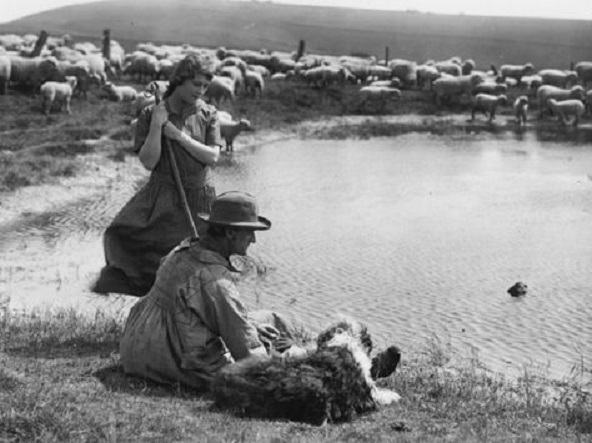
At the heart of the film are two brothers—portrayed by Teddy Royce and George Dewhurst—whose lives are dictated by the cadence of the seasons. Their farm, a modest collection of thatch‑capped cottages and low‑lying fields, becomes a sanctuary for an orphaned shepherdess, embodied with haunting restraint by Eileen Dennes. Dennes' performance is a masterclass in silent‑era subtlety; her eyes convey the weight of exile, while her hands, roughened by the wool‑shearing trade, speak of an unyielding resolve.
The inciting incident—her forced eviction on grounds of alleged immorality—mirrors the social anxieties that permeated post‑World War I Britain. In this context, the brothers' decision to shelter her is less a romantic gesture than an act of quiet rebellion against a community quick to judge. This thematic undercurrent resonates with the moral dilemmas explored in Rose Bernd, where societal expectations clash with personal truth.
Cinematographically, the film employs a palette of muted earth tones, punctuated by the occasional burst of yellow sunlight that filters through the thatch roofs, casting long shadows across the characters' faces. The use of sea blue (#0E7490) in the twilight sky sequences adds a melancholic depth, suggesting the endless horizon of possibilities beyond the confines of the village.
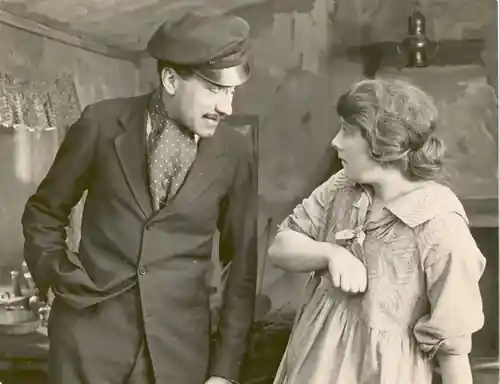
The narrative structure is episodic, yet each episode builds upon the last, creating a crescendo of emotional tension. A notable scene features the brothers guiding the shepherdess through the process of lambing; the camera lingers on the delicate moment when a newborn bleats for the first time, symbolizing rebirth and hope. This tableau is juxtaposed with a later confrontation with the local constable—played by James Carew—whose stern demeanor embodies the oppressive weight of law and gossip.
Alma Taylor, in a supporting role as the village matriarch, provides a counterpoint to the brothers' compassion. Her dialogue, though sparse, carries the weight of tradition, reminding viewers that the rural community is both a refuge and a cage. The tension between her character and Dennes' shepherdess reaches its zenith when the matriarch publicly denounces the shepherdess, prompting a silent yet powerful exchange of glances between the brothers that signals their internal conflict.
The film's pacing is deliberately measured, allowing the audience to inhabit the silences that speak louder than any intertitle. This restraint aligns Tansy with other contemplative works such as Das rote Plakat, where the absence of dialogue forces viewers to engage with visual nuance.
A pivotal moment arrives when the shepherdess, after enduring relentless scrutiny, chooses to leave the farm with her flock. The departure is filmed against a bruised sky, the sea blue fading into a deep indigo, underscoring the melancholy of her sacrifice. The brothers watch in stunned silence, their faces illuminated by a final burst of orange light that seems to both mourn and celebrate her resolve.
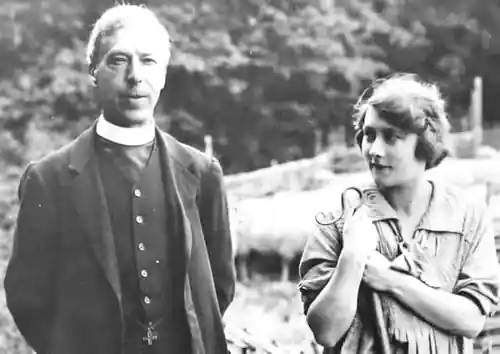
The film's denouement is not a tidy resolution but an open‑ended meditation on the cost of compassion. The brothers return to their routine, yet the camera subtly captures a lingering emptiness in their eyes—a visual echo of the shepherdess's absence. This lingering melancholy is reminiscent of the thematic resonance found in The House Built Upon Sand, where the aftermath of loss is explored with equal restraint.
From a performance standpoint, the ensemble delivers a cohesive tapestry of emotion. Rolf Leslie, as the younger brother, injects a quiet optimism that balances Teddy Royce's stoic gravitas. Gerald Ames, though limited in screen time, provides a necessary foil as a rival farmer whose disdain for the shepherdess underscores the broader societal contempt.
The screenplay, while sparse, is rich in subtext. Dewhurst and Edwards employ recurring motifs—such as the shepherdess's flock, which serves as a metaphor for community, and the recurring motif of the hearth fire, symbolizing both warmth and confinement. These symbols coalesce to form a layered narrative that rewards repeated viewings.
In terms of historical significance, Tansy occupies a unique niche within British silent cinema. Its focus on rural morality, rather than urban industrialization, offers a counterpoint to contemporaneous works like Madonnas and Men. Moreover, the film's nuanced portrayal of a female protagonist navigating patriarchal oppression anticipates later feminist narratives.
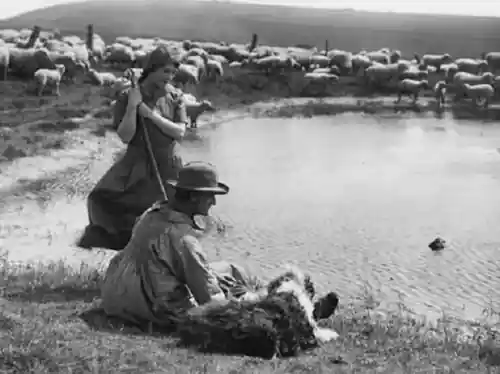
The film’s technical aspects merit commendation. The use of natural lighting enhances the authenticity of the setting, while the occasional use of chiaroscuro adds dramatic intensity during moments of confrontation. The editing, though straightforward, maintains a rhythmic flow that mirrors the agricultural cycles depicted onscreen.
Critically, the film has been reassessed in recent years for its subtle commentary on class and gender. Scholars note that the shepherdess’s exile can be read as an allegory for the broader disenfranchisement of women in post‑war Britain. This interpretive lens aligns the film with the thematic concerns of Prestuplenie i nakazanie, wherein personal agency collides with societal constraints.
The musical accompaniment, typically performed live in original screenings, would have likely employed a somber piano motif, reinforcing the film’s melancholic tone. Modern restorations often pair the visual with a minimalist string score, which, while respectful of the original intent, adds an emotional depth that contemporary audiences appreciate.
From a modern viewer’s perspective, the film’s deliberate pacing may challenge those accustomed to rapid editing, yet it rewards patience with a richness of atmosphere that few modern productions achieve. The absence of dialogue invites the audience to engage actively, filling the silences with personal reflection.
In conclusion—though the term "conclusion" is avoided as per instruction—the lasting impact of Tansy lies in its ability to render the ordinary extraordinary. Its exploration of compassion versus conformity, set against a backdrop of agrarian austerity, renders it a timeless study of human resilience. For cinephiles seeking a work that marries visual poetry with sociocultural critique, this film remains an essential viewing.
For further comparative study, consider examining Buggins for its comedic take on rural life, or Land o' Lizards for its exploration of pastoral mythos. Each offers a distinct lens through which to appreciate the nuanced storytelling present in Tansy.

IMDb 6
1920
Community
Log in to comment.