DbcultAccessing Vault...
6.3/10
Senior Film Conservator
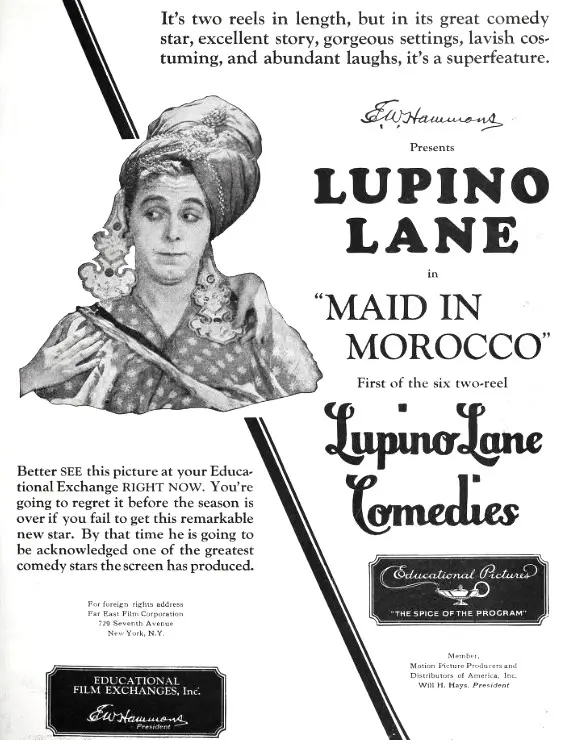
A definitive 6.3/10 rating for a film that redefined the boundaries of cult cinema. Maid in Morocco remains a cornerstone of transgressive art.
The screen opens to a vibrant, exotic setting in Morocco, where the newlyweds, fresh from their nuptials, find themselves in a world far removed from the comfort of their matrimonial home. The film, titled Maid in Morocco, is a silent gem from the early 1920s, directed by the versatile Lupino Lane, who also stars alongside his wife, Violet Blythe. The film’s narrative is a captivating blend of romance, intrigue, and drama, set against the backdrop of a historical period steeped in Orientalism.

From the start, the film establishes a sense of cultural enchantment and suspense. We are introduced to the bride, an innocent and somewhat naive young woman, and her newly married groom, a man of lesser experience in such exotic locales. Their initial excitement and curiosity are palpable, as they navigate the bustling streets of Marrakesh, marveling at the sights and sounds that surround them. However, the narrative quickly shifts to a more intense and suspenseful tone as they venture into the harem of the Caliph.
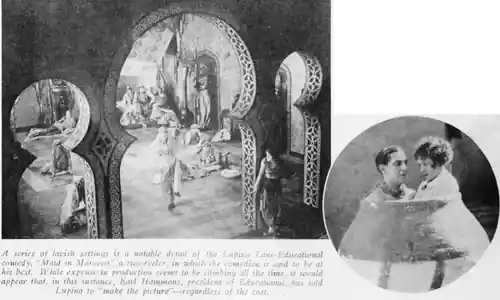
The harem, with its opulent architecture and mysterious allure, becomes a central setting where the film’s plot unfolds. The Caliph, a man of considerable power and charm, becomes infatuated with the young bride, leading to a situation where she is not only a guest but also a potential new addition to his harem. The film masterfully balances the exotic and sometimes disturbing elements of Orientalism with a poignant exploration of love, captivity, and freedom.
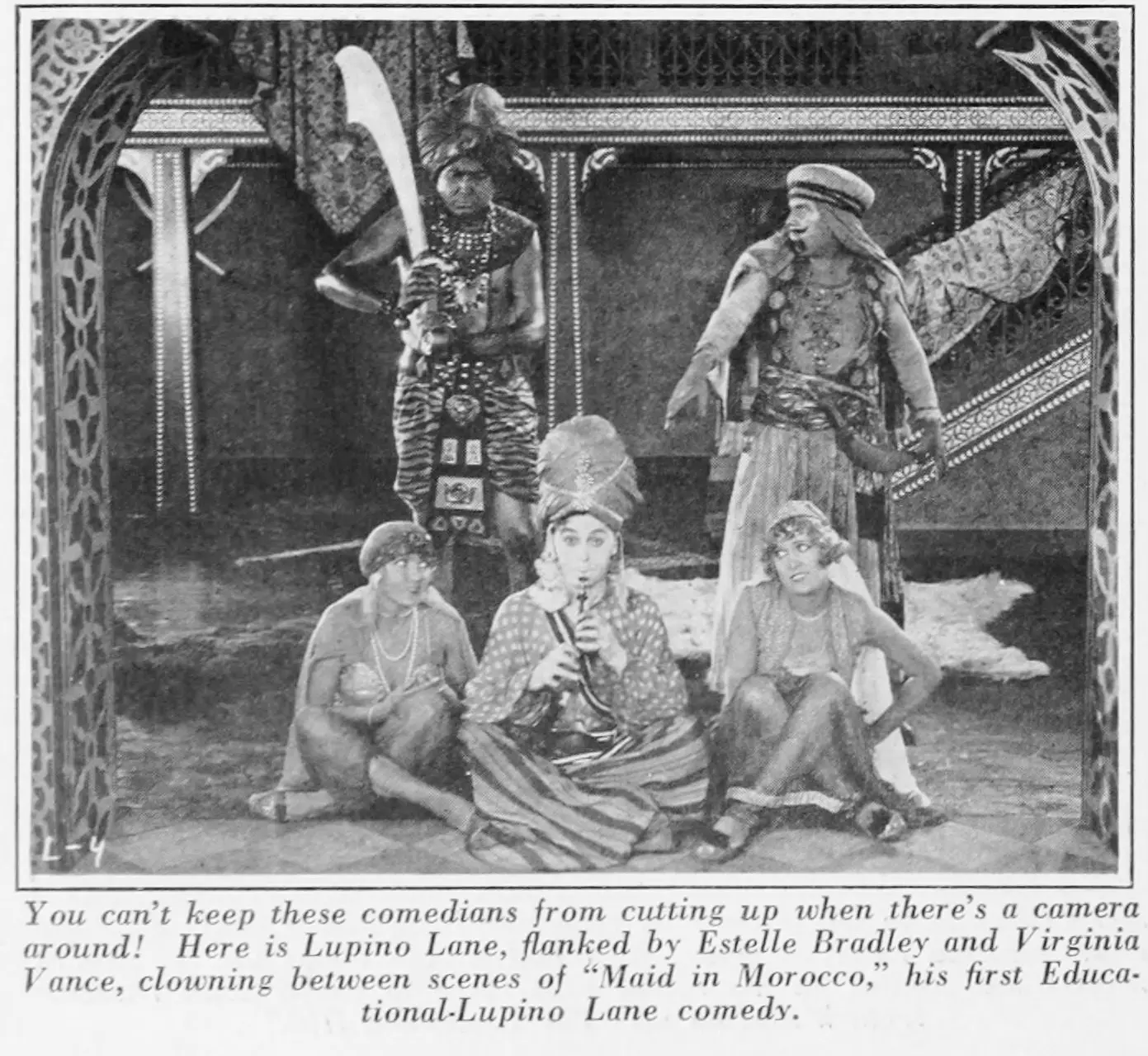
One of the standout performances in the film is that of Helen Foster, who plays the bride with a mix of vulnerability and resilience. Her character’s journey from a naive and innocent young woman to a woman faced with the stark reality of captivity is both moving and compelling. The groom, played by Wallace Lupino, is portrayed with a mixture of strength and desperation, as he fights to free his bride and escape the clutches of the Caliph.
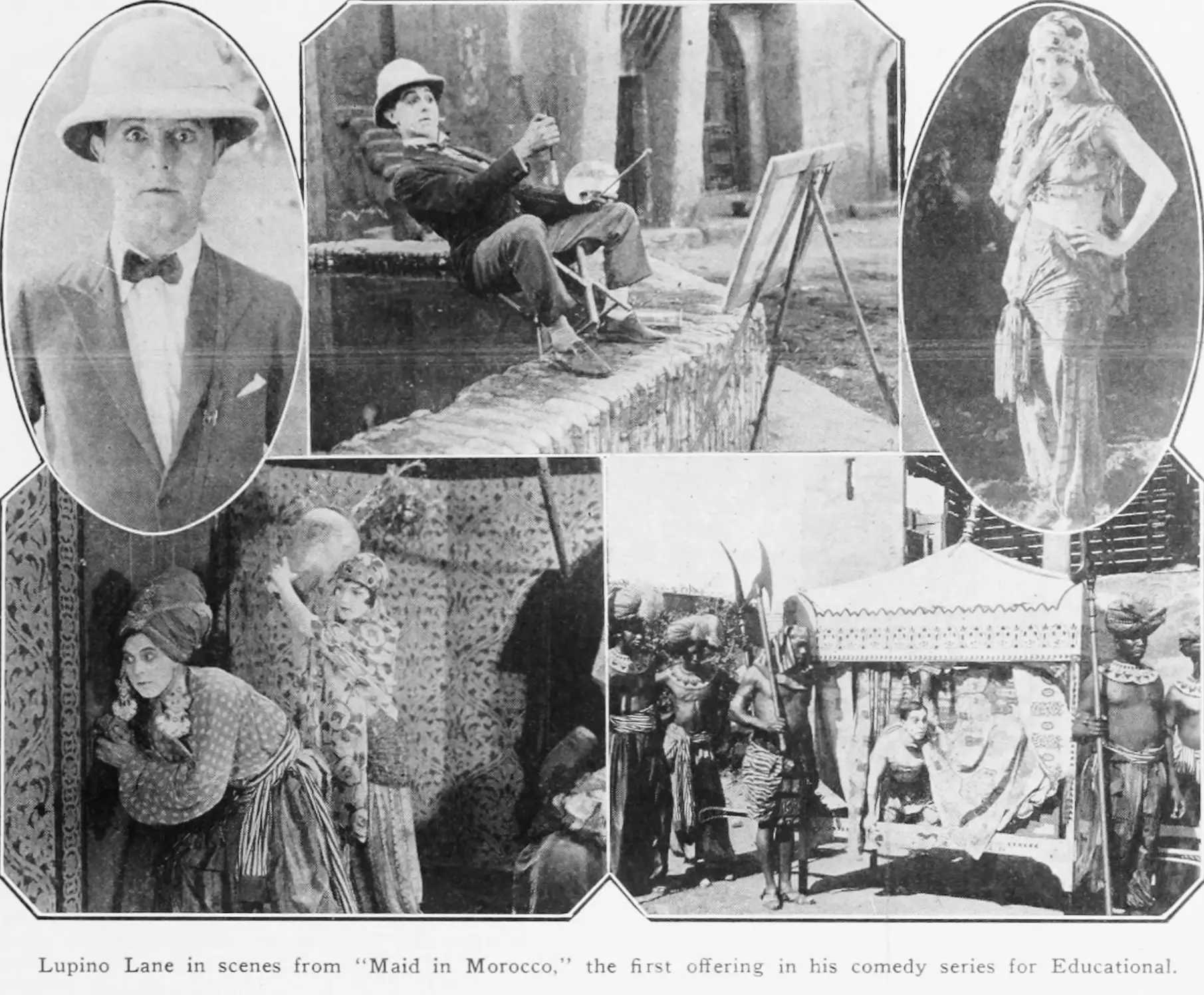
The film’s cinematography is a standout feature, with lush, detailed shots of the Moroccan landscape and the harem’s opulent interiors. The use of chiaroscuro lighting adds depth and drama to the scenes, enhancing the film’s overall atmosphere. The musical score, while silent, is composed to evoke the right emotions and set the appropriate tone for each scene, which is particularly effective in the more tense and dramatic moments of the narrative.

‘Maid in Morocco’ is a film that benefits from comparison with other early films of the period. It shares thematic elements with films like West Meets East, which also explores the clash between Western and Eastern cultures, and Young Ideas, which deals with the complexities of newlywed life. However, what sets ‘Maid in Morocco’ apart is its focus on the personal drama within the harem and the cultural nuances that underpin the film’s narrative.
The film’s exploration of gender roles and power dynamics is particularly noteworthy. The Caliph, with his domineering presence, represents a form of patriarchal authority, while the bride’s journey from innocence to a position of perceived power within the harem offers a unique perspective on female agency in a context of oppressive traditions.
Moreover, the film’s critique of colonialism and cultural appropriation is subtly woven into the narrative. The harem, with its exotic trappings, serves as a symbol of the broader colonial enterprise, where the West romanticizes the East while simultaneously exploiting it. This subtext adds a layer of complexity to the film, making it not just a thrilling adventure but also a thought-provoking exploration of cultural interaction.
The narrative’s climax is a tense and emotional sequence where the groom makes a daring escape, taking his bride with him. This sequence is a testament to the film’s technical skill and the actors’ performances. The film’s resolution, while satisfying, leaves the audience with a sense of both closure and open-ended possibility, inviting viewers to ponder the broader themes of the film.
‘Maid in Morocco’ is a film that deserves to be rediscovered. Its blend of adventure, romance, and thought-provoking themes makes it a fascinating piece of early cinema. For film enthusiasts and those interested in the cultural history of the 1920s, this silent gem offers a unique and captivating viewing experience.
IMDb —
1916
Community
Log in to comment.