DbcultAccessing Vault...
Cult Review
Senior Film Conservator
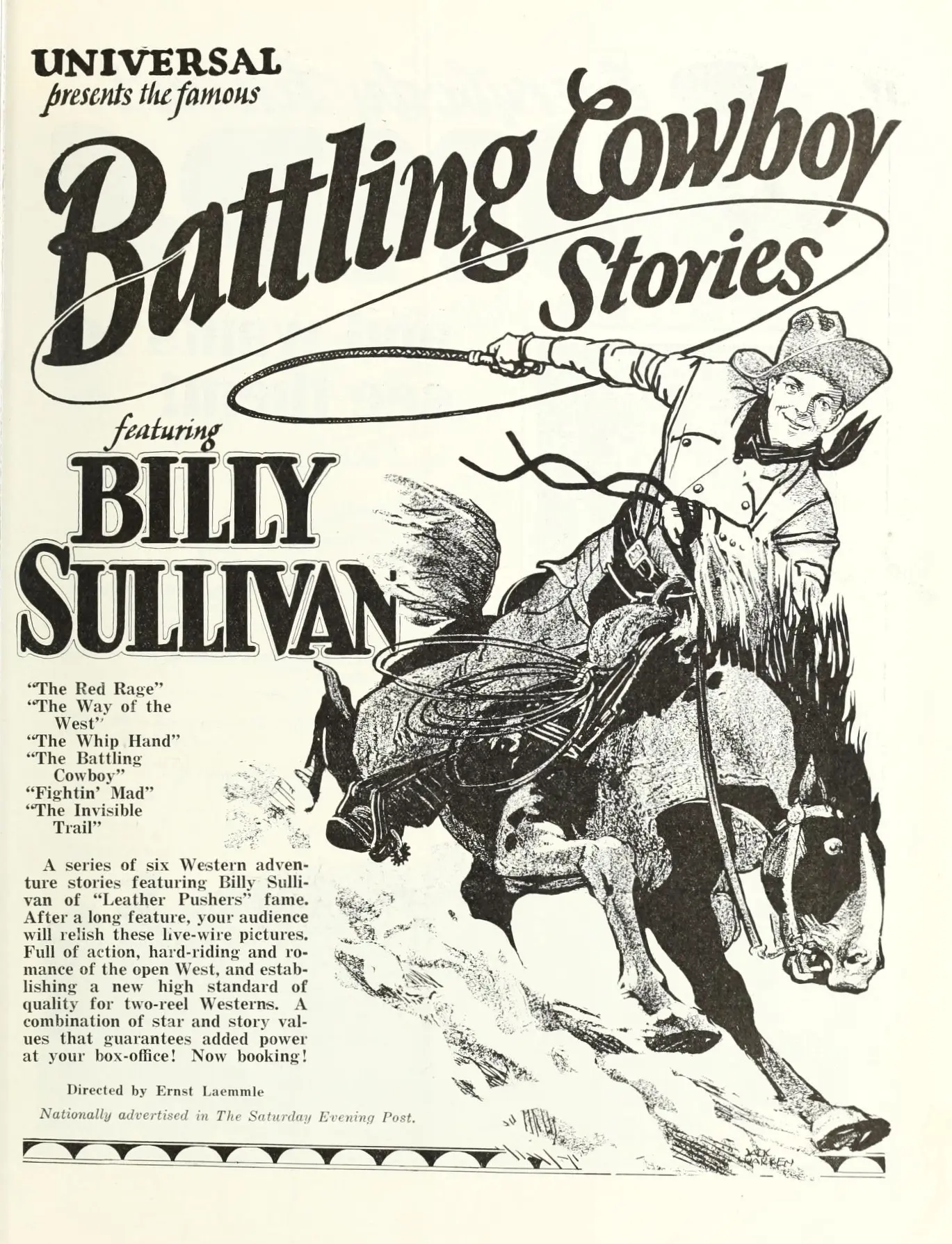
In the pantheon of silent-era character studies, few films capture the visceral descent into irrationality quite as potently as The Red Rage. Directed with a keen eye for the kinetic energy of youth, this 1924 feature serves as a harrowing exploration of the masculine psyche under the duress of perceived betrayal. The film, led by the intense Billy Sullivan, operates not merely as a narrative of crime and punishment, but as a psychological autopsy of the 'hot-blooded' archetype that permeated early 20th-century American cinema.
From the opening frames, Isadore Bernstein’s screenplay establishes a world of stark moral contrasts. Billy Sullivan’s portrayal of the eponymous protagonist is a masterclass in silent-era physical acting. Unlike the more refined, almost ethereal performances found in Tess of the D'Urbervilles, Sullivan brings a jagged, staccato energy to the screen. His Billy is a man perpetually on the precipice of a conflagration, a youth whose emotional vocabulary is limited to the extremes of adoration and fury.
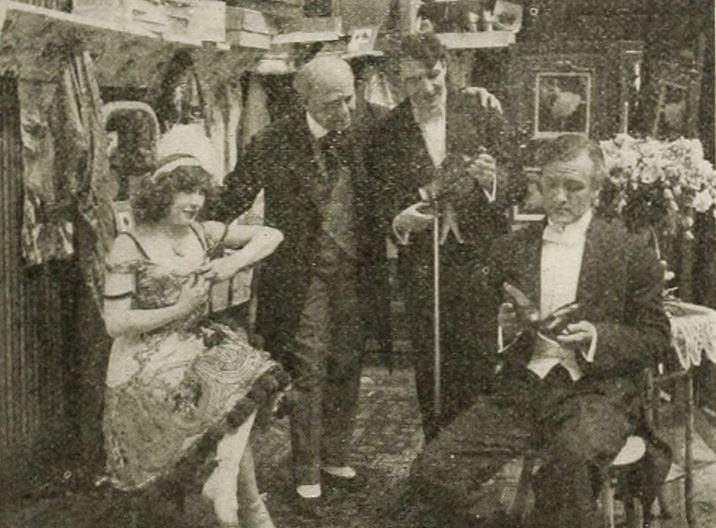
The inciting incident involves a set of valuable pearls—a classic MacGuffin that symbolizes both the fragility of social standing and the inherent vulnerability of the feminine sphere in the 1920s. Violet La Plante, playing the sweetheart, embodies a delicate resilience. When she is lured by a silver-tongued crook to his apartment, the film transitions from a social drama into a high-stakes thriller. The apartment, a space of urban decadence, stands in opposition to the domestic purity Billy hopes to establish. It is here that the 'Red Rage' of the title finds its catalyst.
The sequence involving the 'friend' and the 'crook' is a brilliant exercise in suspense and dramatic irony. As the friend intervenes to save the girl, the spatial politics of the apartment become a trap. By being locked in another room with the maiden, the friend inadvertently creates the visual grammar of infidelity. When Billy arrives, he is not met with the truth, but with a curated lie—a narrative fabrication by the antagonist that feeds directly into Billy’s pre-existing insecurities.
This moment of crisis is where the film excels. The cinematography captures the narrowing of Billy's vision, a literal manifestation of the 'red' that clouds his judgment. The act of shooting his best friend is portrayed not as a calculated murder, but as a spasmodic eruption of repressed anxiety. It is a moment of pure, unadulterated melodrama that rivals the social critiques found in Damaged Goods, yet it remains intensely personal rather than purely didactic.
The second act of The Red Rage takes a surprising turn, eschewing the legalistic consequences of the shooting for a more spiritual and philosophical investigation. Billy’s departure for 'foreign parts' is a trope of the era, yet Bernstein treats it with a somber gravity. This is not a vacation, but a self-imposed exile—a pilgrimage toward stoicism. The film suggests that the only cure for a temper that destroys lives is the total erasure of the self in the service of a higher discipline.
While films like The Price of Her Soul focus on the external costs of morality, The Red Rage internalizes the conflict. Billy’s journey is one of attrition. We see him grappling with the ghosts of his past, his repentance manifesting in every weary gesture. The knowledge that his sweetheart awaits him serves as the North Star for his moral compass, a beacon of hope that prevents his descent into nihilism.
To truly appreciate the nuances of this film, one must look at its contemporaries. Where Capitan Groog and Other Strange Creatures utilizes the surreal and the whimsical, The Red Rage remains grounded in a gritty, almost naturalist reality. There is no room for the lighthearted escapism of The Ranch Romeo or the comedic sleuthing of Sleepy Sam, the Sleuth. Instead, it shares a thematic kinship with the brooding atmospheres of Havsgamar, where the environment itself seems to conspire against the protagonist's peace of mind.
Furthermore, the film’s pacing is notably more sophisticated than many of its peers. While Double Speed relies on the novelty of velocity, The Red Rage understands the power of the pregnant pause—the moment of stillness before the storm breaks. It is this rhythmic control that elevates the film from a mere 'shocker' to a sophisticated drama. The tension built during the apartment scene is as palpable as any sequence in Thrills, yet it is anchored by a much deeper emotional resonance.
Writer Isadore Bernstein crafts a narrative that is remarkably modern in its understanding of psychological triggers. The 'red rage' is not presented as a supernatural force, but as a culmination of social pressure, male ego, and the failure of communication. The dialogue cards are sparse, allowing the visual storytelling to carry the weight of the subtext. This economy of language forces the audience to engage with the characters' faces, searching for the flickers of doubt and the shadows of remorse.
The use of the 'locked room' motif is particularly effective. It serves as a metaphor for the social constraints of the time. The girl and the friend are trapped by the physical door, just as Billy is trapped by the psychological door of his own jealousy. This symmetry provides the film with a satisfying structural integrity. It is a far more cohesive experience than the somewhat disjointed narrative of El rompecabezas de Juanillo, focusing its energy on a single, devastating character arc.
Looking back from a modern perspective, The Red Rage stands as a precursor to the film noir of the 1940s. Its preoccupation with the 'fallible man' and the 'misunderstood woman' prefigures the tropes that would later define the genre. The film’s refusal to provide an easy, immediate resolution—opting instead for a long, arduous path to redemption—is a testament to the maturity of silent cinema during its twilight years.
Billy Sullivan's performance remains the heart of the film. He navigates the transition from a man possessed by demons to a man seeking grace with a sincerity that avoids the pitfalls of overacting. His chemistry with Violet La Plante provides the necessary emotional stakes; without their palpable connection, the tragedy of the shooting would lose its sting. La Plante, for her part, manages to transcend the 'damsel' archetype, imbuing her character with a quiet strength that suggests she is the true master of self-control in the relationship.
In conclusion, The Red Rage is a vital piece of cinematic history that deserves more than a mere footnote. It is a searing, often uncomfortable look at the destructive power of the human temper and the grueling work required to mend a shattered soul. For fans of silent drama, it is an essential watch, offering a level of psychological depth that rivals international works like Die Verführten or Lucciola. It reminds us that while the 'red rage' may be a universal human experience, the path to overcoming it is a solitary and noble journey.
"A tempestuous relic of 1924, The Red Rage is a masterclass in the cinematic language of penitence. It is a film that doesn't just show us a crime; it invites us into the burning furnace of the criminal's mind."
IMDb —
1927
Community
Log in to comment.