DbcultAccessing Vault...
5.9/10
Senior Film Conservator
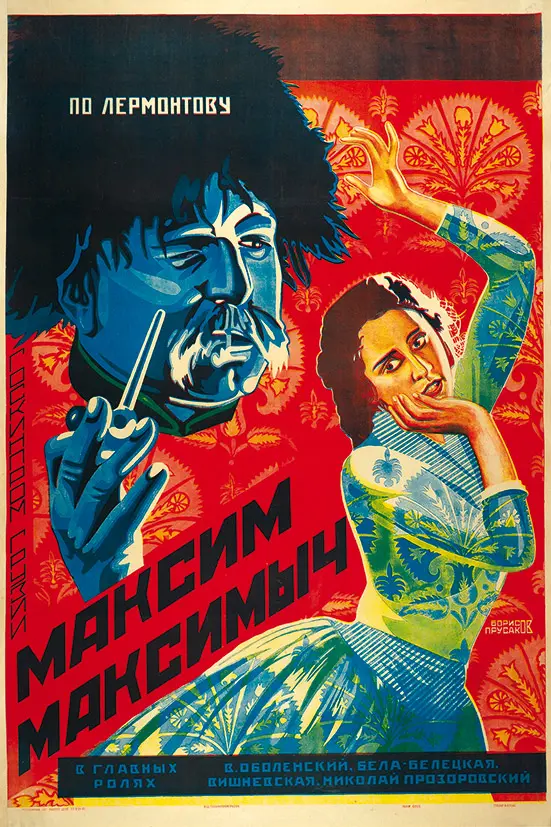
A definitive 5.9/10 rating for a film that redefined the boundaries of cult cinema. Maksim Maksimich remains a cornerstone of transgressive art.
Is this film worth watching today? Short answer: Yes, but only if you are prepared to trade narrative speed for atmospheric depth. This film is for the patient cinephile who finds beauty in the micro-expressions of a silent actor and the historical weight of early Soviet filmmaking; it is not for those who require a fast-paced plot or a clear-cut protagonist to root for.
1) This film works because it prioritizes the internal emotional state of its characters over the external action of the source novel.
2) This film fails because it assumes a deep, almost academic familiarity with Lermontov’s text, leaving uninitiated viewers occasionally adrift.
3) You should watch it if you want to see how early cinema captured the concept of 'the superfluous man' with more nuance than many modern scripts.
To answer the question directly: Maksim Maksimich is a mandatory watch for anyone interested in the evolution of literary adaptation. It is a film that demands your full attention, rewarding the viewer with a profound sense of melancholy that few talkies can replicate. If you enjoy the psychological weight found in The Silent Lie, you will find a similar resonance here.
However, if your idea of a good time is the high-stakes drama of The Brand of Satan, the slow-burn pacing of this 1927 classic might feel like a chore. It is a quiet movie. It is a movie of glances, of waiting, and of the crushing realization that people change while landscapes remain the same.
Vladimir Barskiy’s direction in Maksim Maksimich is surprisingly modern in its restraint. In an era where many directors were leaning into the frantic energy of montage or the theatricality of German Expressionism, Barskiy chooses a grounded, almost naturalistic approach. He lets the camera linger on Mikheil Merabishvili’s face, capturing the precise moment when the captain’s hope turns into a quiet, dignified grief.
One specific scene stands out: the moment Maksim waits for Pechorin at the inn. The framing is tight, almost claustrophobic, contrasting with the vastness of the Caucasus mountains shown earlier. We see the dust on his uniform, the nervous fidgeting of his hands, and the way he looks toward the door every time a shadow passes. It is a masterclass in building tension through inaction. This isn't the melodrama of The Beautiful Lie; it is something far more skeletal and real.
The film’s relationship with its source material is also fascinating. By focusing on Maksim rather than Pechorin, Barskiy flips the script on the 'Hero of Our Time.' We see the damage that 'heroes' leave in their wake. Pechorin, played with a chilling coldness by Nikolai Prozorovsky, is not a man to be admired. He is a ghost passing through the lives of better men. This cynical take on the romantic hero is a bold stance that still feels provocative today.
The performances here are the bedrock of the film’s success. Mikheil Merabishvili as Maksim Maksimich delivers a performance that feels entirely devoid of the 'silent film acting' clichés. There are no wild gesticulations or bulging eyes. Instead, he uses his posture—the slight slump of a man who has spent too many years in the frontier—to tell his story. He makes the captain’s loyalty feel like a burden rather than a virtue.
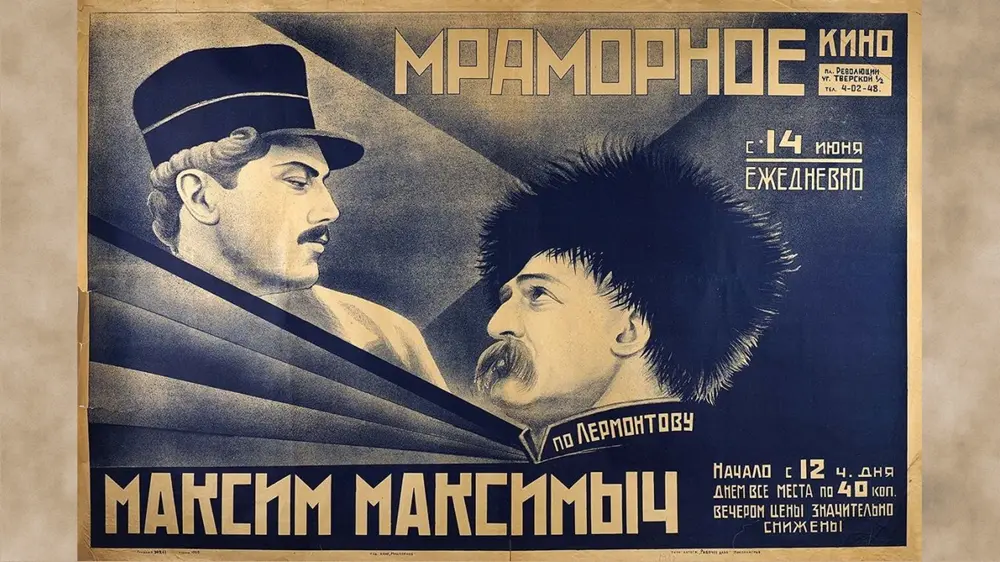
Opposite him, Prozorovsky’s Pechorin is a void. He is handsome, well-dressed, and utterly empty. When the two finally meet, the lack of chemistry is intentional and devastating. It reminds me of the cold social dynamics in The Merchant of Venice, where the tragedy lies in the inability of different worlds to truly understand one another. The film doesn't just adapt a book; it mourns a friendship that never truly existed.
The cinematography by Georges Rais is another highlight. The use of natural light in the mountain passes creates a sense of place that is both majestic and terrifying. There is a specific shot of a carriage winding through a narrow mountain road that feels like it could have been filmed yesterday. It has a documentary-like quality that grounds the literary artifice of the story. It’s a stark contrast to the more stylized visuals of The Wild Olive.
Pros:
The location shooting in the Caucasus is breathtaking and adds a layer of authenticity that studio sets could never match. The film’s refusal to sentimentalize the relationship between Maksim and Pechorin is a brave choice that pays off in the final act. It feels honest. It feels brutal.
Cons:
The pacing is undeniably glacial. In its attempt to capture the 'soul' of the book, the film occasionally forgets to keep the plot moving. Furthermore, the secondary characters, while well-acted, often feel like sketches compared to the two leads. It’s a lopsided experience that relies heavily on your interest in the central duo.
What makes this 1927 version of Maksim Maksimich stand out is how it handles the 'Superfluous Man' trope. In many adaptations, Pechorin is the star—the brooding, attractive rebel. But Barskiy hates Pechorin. Or, at the very least, he pities the people Pechorin touches. By centering the film on Maksim, the director forces us to confront the collateral damage of Romanticism.
It works. But it’s flawed. The film’s strength is its narrow focus, but that is also its weakness. It feels like a single movement of a symphony rather than a complete work. Yet, as a character study, it is unparalleled for its time. It captures the 'small' man’s tragedy with a dignity that was rare in the early days of Soviet cinema, which often favored the collective over the individual.
Comparing it to other films of the era, such as Umanità or The Way of a Girl, one can see how Barskiy was pushing against the grain of popular entertainment. He wasn't interested in a 'beautiful lie.' He wanted the dusty, uncomfortable truth of a failed reunion. This makes the film a tough sit, but a rewarding one.
Maksim Maksimich is a somber, beautifully shot relic that manages to feel surprisingly relevant in its exploration of male loneliness and social disconnect. It is not a 'masterpiece' in the sense of being a perfect, flawless diamond. Instead, it is a rugged, unpolished stone. It is heavy, it is cold, but it has a weight that stays with you long after the final frame fades to black.
"A haunting exploration of the gap between loyalty and apathy, set against the indifferent beauty of the Caucasus."
If you are looking for a film that explores the human condition with the same intensity as 3 Keys or the historical curiosity of Die Liebe einer Königin, this is a essential addition to your watchlist. Just don't expect a happy ending. In the world of Maksim Maksimich, the only thing that lasts is the mountain air and the memory of what could have been.
IMDb 6.2
1925
Community
Log in to comment.