DbcultAccessing Vault...
6.7/10
Senior Film Conservator
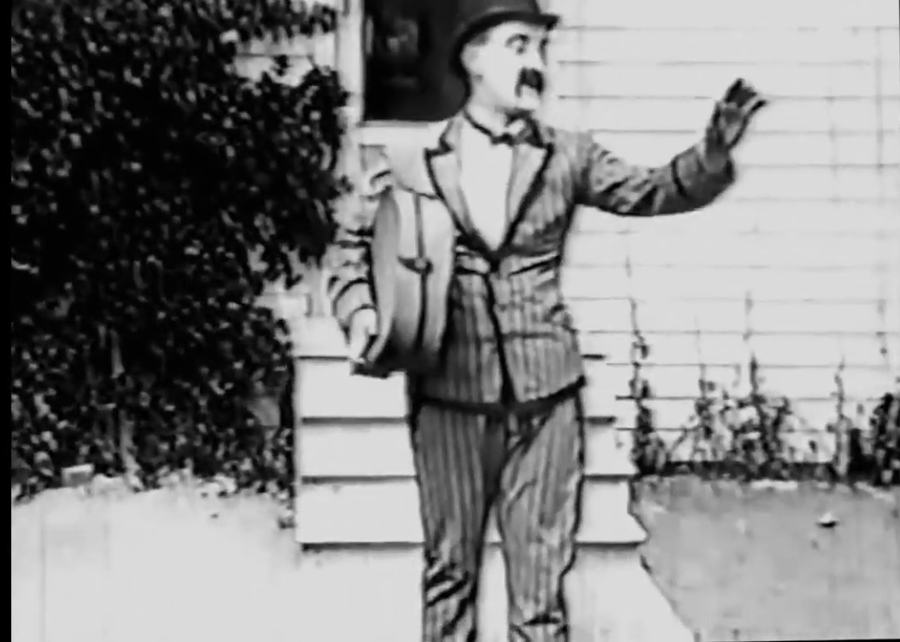
A definitive 6.7/10 rating for a film that redefined the boundaries of cult cinema. Dear Ol' Pal remains a cornerstone of transgressive art.
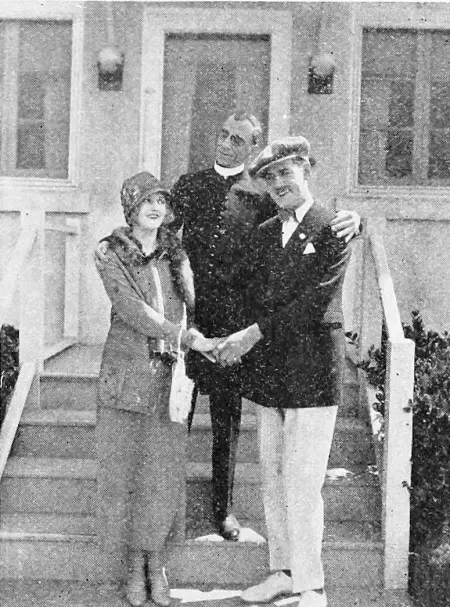
'Dear Ol' Pal' is a cinematic tapestry woven from the threads of mayhem and romance, where every frame crackles with the electricity of impending conflict. The film’s protagonists, portrayed with palpable chemistry by James Parrott and William Gillespie, are archetypes given flesh: the quick-tempered rogue and the calculating pragmatist. Their friendship, a volatile blend of mutual respect and relentless provocation, is upended by the entrance of Beth Darlington’s character, a woman whose poise and independence serve as both magnet and mirage. Her father’s financial clout adds a layer of social stratification, transforming the boys’ rivalry from a petty spat into a battle of dignity and ambition.
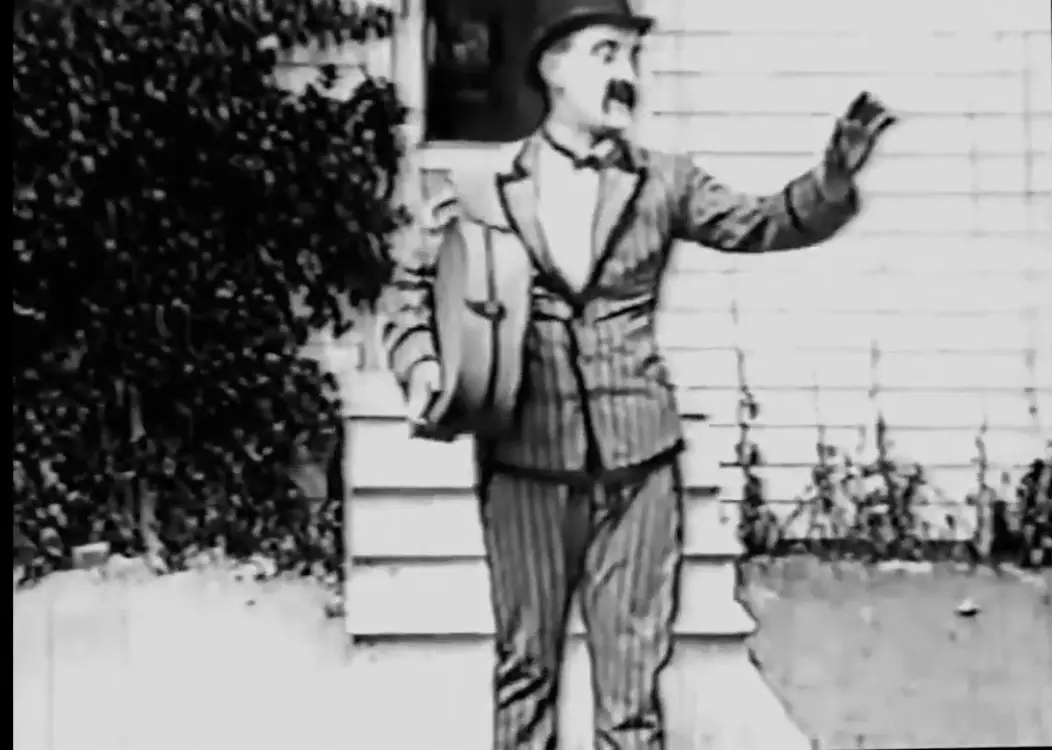
The narrative’s true ingenuity lies in its collision of the mundane and the absurd. A prowling bear, introduced with the gravity of a Shakespearean villain, becomes a catalyst for farce, while the jewel thief—a shadowy figure with a penchant for velvet gloves—injects a noir-ish sleight of hand into the proceedings. The house fire, a climax both literal and metaphorical, strips the characters of pretense, forcing them to confront the fragility of their alliances. These elements, though seemingly disjointed, coalesce into a coherent exploration of how external pressures magnify internal discord. The film’s pacing, brisk yet deliberate, ensures that no moment of tension is squandered, a technique reminiscent of the taut storytelling in 'The Heart of Big Dan,' though 'Dear Ol' Pal' distinguishes itself with its unflinching embrace of the ludicrous.
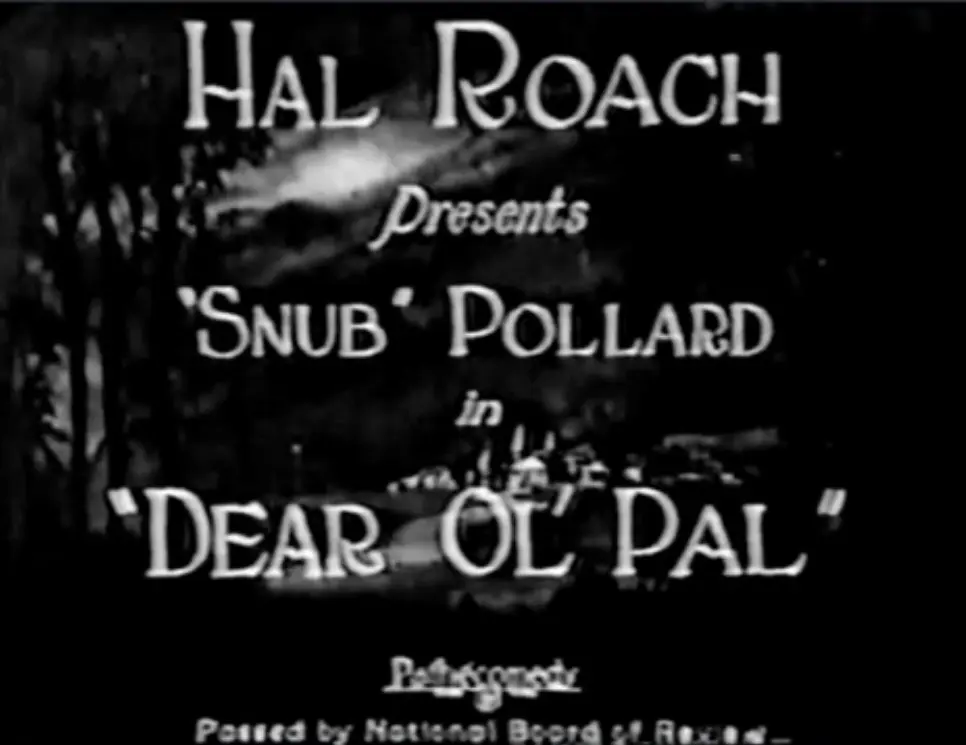
Beth Darlington’s portrayal of the banker’s daughter is a masterclass in understated power. Her character is neither a prize to be won nor a damsel in distress; rather, she is a force of equilibrium, her calm demeanor a counterpoint to the men’s escalating theatrics. Parrott’s performance, brimming with bravado and vulnerability in equal measure, anchors the film’s emotional core. His chemistry with Gillespie is a study in contrasts: the former’s impulsive passion versus the latter’s strategic coolness. 'Snub' Pollard, as a comic foil, delivers physical humor that veers from the sublime to the unintentionally absurd, a testament to the film’s willingness to gamble with its tone. Marie Mosquini’s supporting role, though brief, adds a layer of sophistication, her presence a reminder of the era’s fascination with duality—public personas versus private truths.
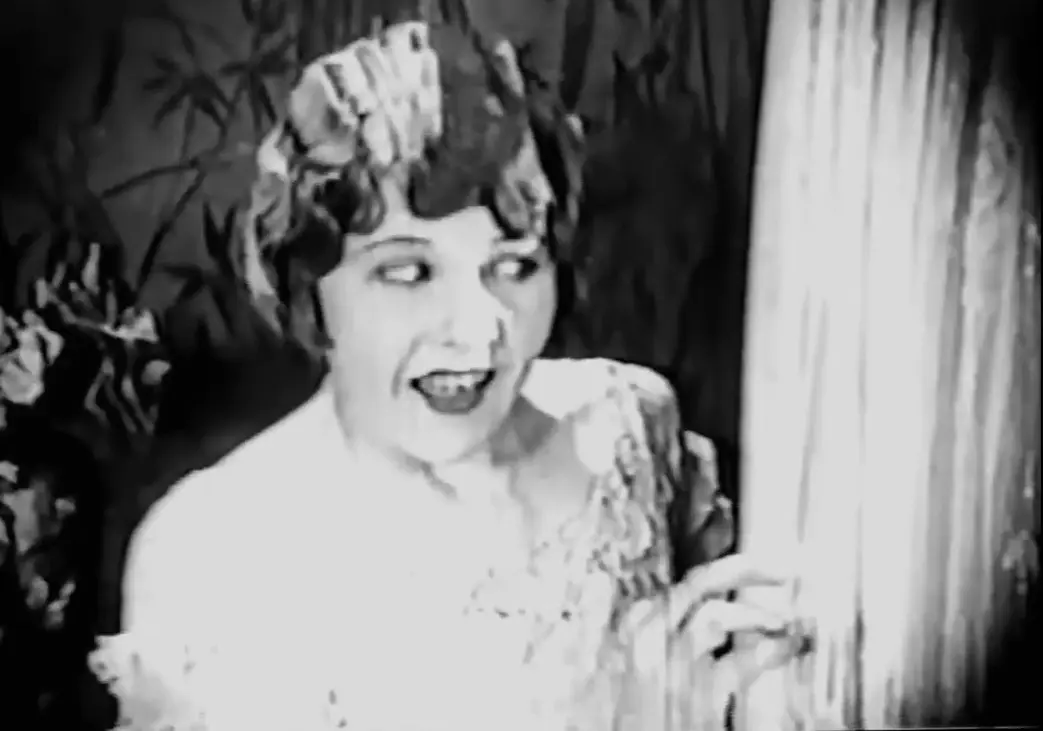
Visually, the film is a feast of chiaroscuro contrasts. The burning house sequence, lit with a hellish red glow, mirrors the protagonists’ fraying tempers. The cinematography, while constrained by 1920s technology, uses deep focus to emphasize the isolation of characters within their own emotional storms. The score, a blend of melancholic strings and jaunty horns, underscores the tonal shifts with disarming finesse. Thematically, 'Dear Ol' Pal' interrogates the myth of male solidarity, suggesting that even the staunchest friendships are susceptible to the corrosive effects of unrequited love. This dynamic is echoed in 'In Pursuit of Polly,' though the latter leans more heavily on romantic idealism.
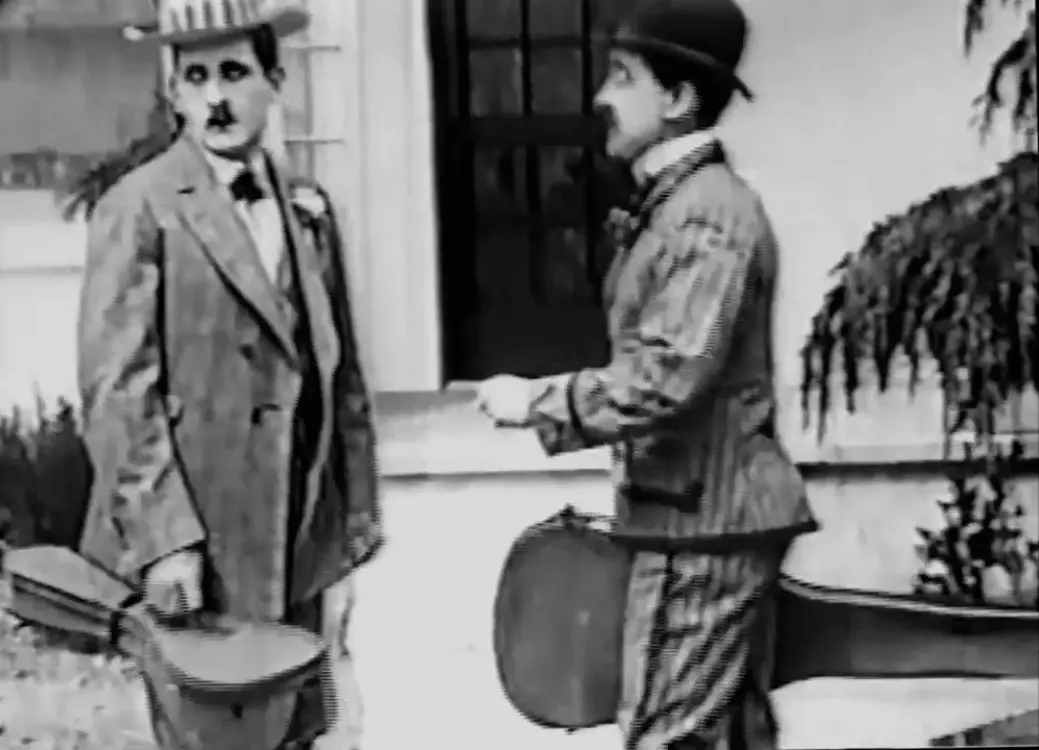
In the pantheon of silent comedies, 'Dear Ol' Pal' occupies a peculiar niche. It is neither the refined wit of 'The Dancer and the King' nor the slapstick excess of 'Champagneruset,' yet it bridges these worlds with its unique blend of high-stakes emotion and low-stakes absurdity. The film’s enduring appeal lies in its refusal to condescend to its audience, treating both the bear encounter and the romantic entanglements with equal seriousness. This duality invites comparisons to 'The Catspaw,' where the line between farce and drama is similarly blurred. However, where 'The Catspaw' uses its ambiguity to unsettle, 'Dear Ol' Pal' employs it to delight.
To watch 'Dear Ol' Pal' is to witness a masterclass in balancing act. The film’s success hinges on its ability to make the ridiculous feel inevitable and the heartfelt feel spontaneous. It is a relic of an era when cinema was still a young art form, unafraid to experiment with genre boundaries and narrative structure. For modern viewers, it offers a curious juxtaposition of archaic sensibilities and timeless themes—the eternal triangle, the fragility of male pride, and the redemptive power of shared adversity. While it may lack the narrative cohesion of 'Satan's Rhapsody,' it compensates with a raw, unfiltered energy that is both charming and disarming. In an age of algorithmic precision in storytelling, 'Dear Ol' Pal' stands as a testament to the beauty of chaos, a reminder that not all stories need to be tamed to be memorable.
IMDb 6.8
1924
Community
Log in to comment.