DbcultAccessing Vault...
Cult Review
Senior Film Conservator
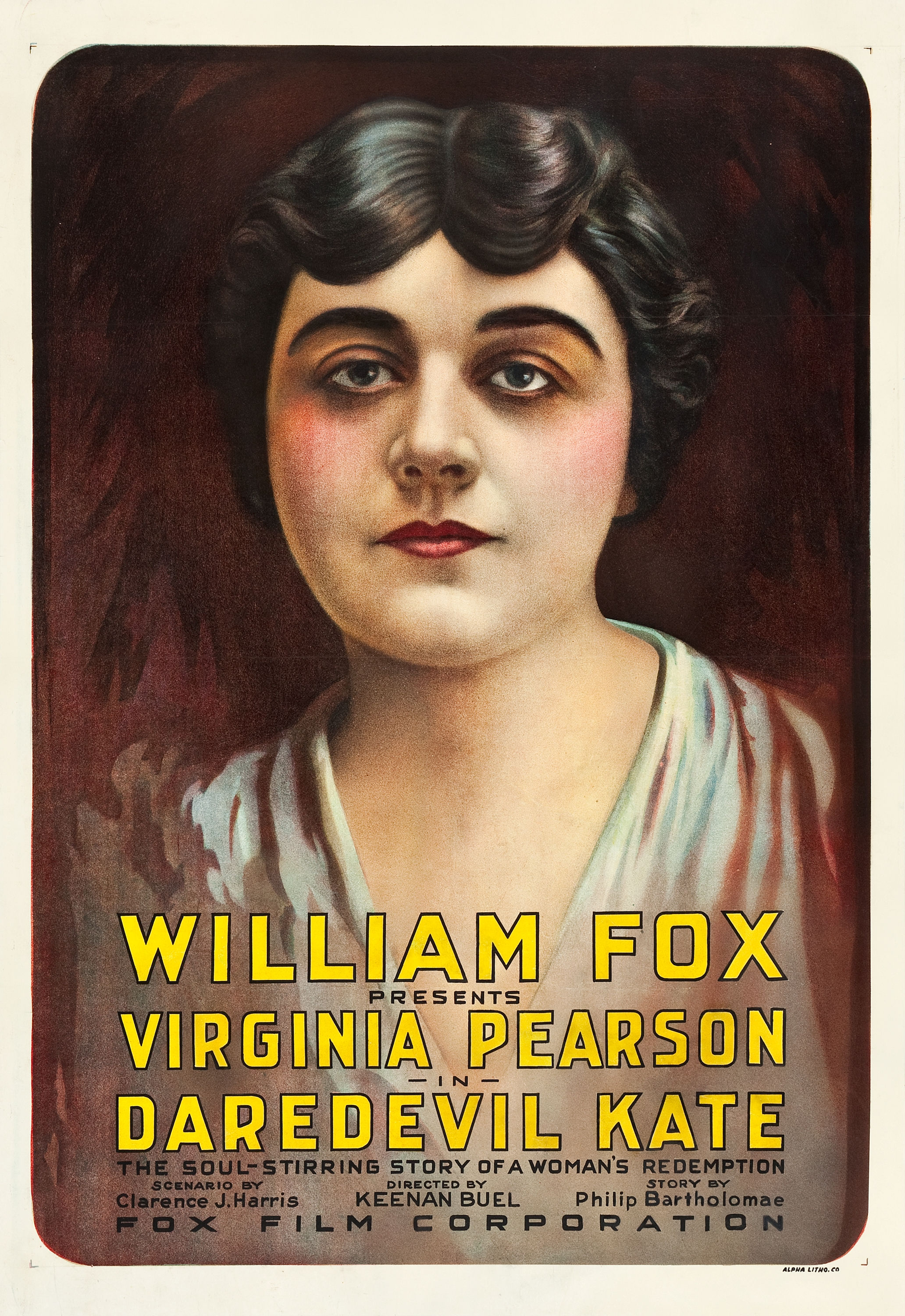
In the grand, often melodramatic, tableau of early 20th-century cinema, certain films emerge not just as historical artifacts but as compelling narratives that resonate with universal human emotions. One such gem is the 1916 production, Daredevil Kate. This silent era drama, penned by Clarence J. Harris and Philip Bartholomae, is a masterclass in dramatic irony, weaving a poignant tale of severed familial bonds, unwitting friendships, and a love that unknowingly threatens to tear apart the very fabric of newfound connection. It's a testament to the power of visual storytelling and the expressive capabilities of its cast, a true relic that demands our attention not merely for its age but for its enduring narrative power.
The narrative’s genesis is rooted in a profound tragedy: the separation of two young sisters, Kate and Irene, cast adrift into the world as orphans. A singular, heart-rending detail binds them across the chasm of years: each possesses one half of their late mother's wedding ring. This potent symbol, a silent promise of reunion, underscores the film's central dramatic tension. The audience is immediately privy to a truth that the characters themselves are tragically ignorant of, setting the stage for a series of events steeped in pathos and the inexorable march of fate. This narrative device, where the audience holds privileged information, was a staple of the era, brilliantly exploited here to heighten emotional investment and anticipation. It echoes the deeply felt emotional stakes found in contemporary melodramas like Should a Mother Tell, where the audience is often agonizingly aware of a truth hidden from the protagonist.
Years later, the sisters' disparate paths converge in the most unexpected of settings: a bustling munitions camp. Irene, played with a delicate grace by Minna Phillips, has found a measure of stability and respectability as the wife of John West, the camp's formidable superintendent, brought to life by Victor Sutherland. Her life is one of domesticity, albeit within the industrial hum of a place dedicated to conflict. Meanwhile, Kate, portrayed with vivacious independence by Jane Lee, has carved out her own niche, running the local saloon. This stark contrast in their chosen lives, one reflecting societal expectations of a 'proper' woman and the other embracing a more unconventional, self-reliant existence, immediately establishes their distinct personalities and the societal currents of the time. The camp itself, a crucible of industry and latent danger, becomes a microcosm for their unknowingly intertwined destinies, much like the intense, contained environments seen in films such as The General's Children, where personal dramas unfold against a backdrop of larger societal forces.
The beauty of the film lies in the organic, unwitting friendship that blossoms between Kate and Irene. They become confidantes, sharing laughter and perhaps even sorrows, completely oblivious to the profound blood bond that connects them. This dramatic irony is the beating heart of Daredevil Kate. The audience watches, captivated and perhaps a little heartbroken, as these two women forge a connection that is both genuine and tragically incomplete. The silent film era, devoid of spoken dialogue, relied heavily on the nuanced expressions and body language of its actors to convey such complex emotional states. Minna Phillips, as Irene, masterfully communicates a quiet longing for connection and a burgeoning affection for Kate, while Jane Lee imbues Kate with a spirited openness that draws Irene in. Their performances are a testament to the power of the medium in its nascent form, where every gesture, every flicker of the eye, carried immense narrative weight.
The narrative takes a decidedly perilous turn with the introduction of Cliff, Irene's adoptive brother, played by Kenneth Hunter. A romance blossoms between Kate and Cliff, a development that, on the surface, might appear innocuous. However, it quickly becomes the catalyst for the film's central conflict. Irene, for reasons initially opaque to the audience but deeply rooted in her character and perhaps her adopted family's sensibilities, vehemently disapproves of Kate and Cliff's relationship. This disapproval is not merely a mild objection; it is a forceful, unyielding stance that threatens to shatter the fragile friendship she has cultivated with Kate. The irony here reaches its zenith: Irene is unknowingly condemning her own sister's happiness, driven by a perception of Kate's unsuitability or perhaps a protective instinct towards her adoptive brother. This friction, fueled by ignorance, creates a palpable tension that underscores the entire latter half of the film.
The performances in these scenes are crucial. Jane Lee, as Kate, must navigate the heartbreak of a blossoming love being rejected by a newfound friend, while Minna Phillips, as Irene, must convey a stern disapproval that is both convincing and, for the audience, tragically misguided. Kenneth Hunter, as Cliff, embodies the dilemma of being caught between two significant women in his life. The expressive acting, often characterized by broad gestures and exaggerated facial expressions, was essential for conveying emotions without dialogue. Yet, within this style, there was often a profound subtlety that modern viewers can still appreciate. This dynamic of hidden identities and the resulting emotional turmoil is reminiscent of films like The Love Mask, where characters operate under false pretenses, leading to complex interpersonal conflicts.
Beyond the immediate plot, Daredevil Kate delves into profound themes relevant to its era and, indeed, to any time. The central theme of identity, particularly lost and unrecognized identity, pervades the narrative. The half-rings serve as a potent symbol not just of familial connection but of the fragmented selves the sisters have become in their separation. Their individual identities have been shaped by their divergent experiences, yet an underlying, inherent connection persists, waiting to be rediscovered. This exploration of identity against a backdrop of societal roles is a recurring motif in silent cinema, often seen in films like A Woman's Power, which challenged or reinforced contemporary views on female agency and societal standing.
Fate, or destiny, plays an undeniable hand in the unfolding drama. The sheer improbability of the sisters reuniting in such a specific, confined environment speaks to a larger force at play, guiding their paths toward an inevitable, if painful, revelation. The film doesn't shy away from depicting the harsh realities of life for women in the early 20th century. Irene's marriage offers a form of security and social standing, while Kate's independence as a saloon owner, though admirable, might have been viewed with suspicion by some segments of society. This dichotomy subtly highlights the limited choices and societal pressures faced by women, a theme explored in various forms across the silent film landscape, including in films like The Gilded Cage, which often critiqued the restrictive environments women found themselves in.
The directorial choices, in conjunction with the writers Clarence J. Harris and Philip Bartholomae, demonstrate a sophisticated understanding of visual narrative. Without dialogue, every frame, every gesture, every intertitle had to be meticulously crafted to convey meaning and emotion. The film likely employed a range of cinematic techniques characteristic of its time: close-ups to emphasize emotional reactions, long shots to establish setting, and cross-cutting to build suspense. The pacing, a critical element in silent films, would have been carefully modulated to allow the audience to absorb the visual information and emotional weight of each scene. The use of symbolism, such as the half-rings, is not merely a plot device but a visual shorthand that adds layers of meaning to the narrative.
The supporting cast, including Virginia Pearson, Mary Martin, Katherine Lee, Alex Shannon, Leighton Stark, and Fred R. Stanton, would have contributed significantly to the bustling atmosphere of the munitions camp and the emotional texture of the story. Even in smaller roles, silent film actors were trained to express character and intent through physical performance, creating a rich tapestry of human interaction that supported the central drama. This collective effort in crafting a believable world, even one steeped in melodrama, is what gives films like Daredevil Kate their lasting power. The film's ability to create a compelling world and emotional stakes without spoken word is a testament to the universal language of cinema itself, a quality shared by other international silent classics such as Locura de amor or Il fornaretto di Venezia, which transcended linguistic barriers through pure visual artistry.
In an era often dismissed as primitive by those unfamiliar with its artistic nuances, Daredevil Kate stands as a robust example of sophisticated storytelling. It confronts themes of family, love, and the cruel hand of fate with a directness and emotional intensity that remains impactful. The film’s power lies not just in its dramatic revelation – which, when it inevitably arrives, must have been profoundly affecting for contemporary audiences – but in the journey leading up to it. The prolonged dramatic irony, where the audience is privy to the truth while the characters stumble through their lives in ignorance, creates a sustained tension that is both agonizing and deeply engaging. This technique of building suspense through withheld information, or rather, information withheld from characters, is a timeless storytelling device that Daredevil Kate employs with considerable skill.
The enduring appeal of such films lies in their ability to tap into fundamental human experiences: the pain of separation, the joy of connection, the complexity of relationships, and the often-unforeseen consequences of our actions. While the stylistic conventions of silent film may require a different kind of viewing engagement from modern audiences, the core emotional truths of Daredevil Kate are as relevant today as they were over a century ago. It reminds us that stories of identity, recognition, and the intricate dance of human relationships are timeless, regardless of the technological advancements in their telling. For enthusiasts of early cinema and those curious about the roots of dramatic storytelling on screen, Daredevil Kate offers a rich, emotionally resonant experience, a poignant window into a bygone era of filmmaking that still has much to say about the human condition. Its intricate plot, driven by the powerful performances of Jane Lee and Minna Phillips, makes it a compelling watch that transcends its historical context, placing it firmly among the more emotionally complex narratives of its time, standing proudly alongside other character-driven dramas like The Mediator or Judith of the Cumberlands.
IMDb 6.1
1935
Community
Log in to comment.