DbcultAccessing Vault...
Cult Review
Senior Film Conservator
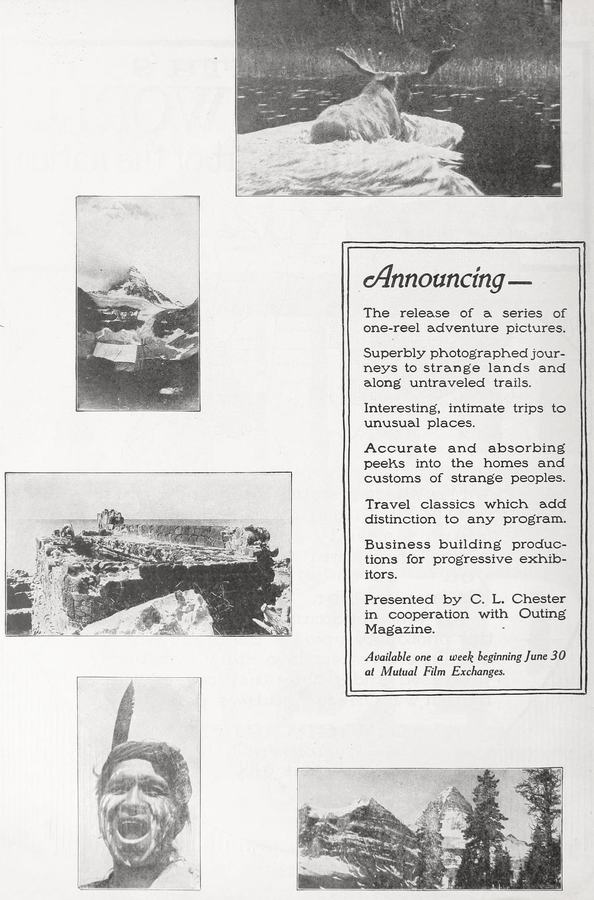
In the vast, often monochromatic landscape of early cinema, where narratives frequently pandered to simplistic tropes or sensationalized exoticism, a film like 'A Zuni Kicking Race' emerges as a beacon of understated profundity. It is not merely a historical artifact; it is a living document, a testament to a cultural practice imbued with layers of meaning far beyond the superficial spectacle of competition. From its opening frames, the film eschews the conventional dramatic arc, instead inviting the viewer into a deeply spiritual and physically demanding ritual, the Pah-tah-ta-chi, or Zuni Kicking Race. This is not a mere athletic contest; it is a prayer, a plea, a communal act of faith etched onto the very earth of the ancestral Zuni lands. The film, in its stark realism, captures an authenticity that many of its contemporaries, even those attempting ethnographic documentation, often missed, preferring to impose external narratives rather than allowing the inherent drama of the culture to unfold organically.
At its core, 'A Zuni Kicking Race' is an exploration of resilience, both individual and communal. We are introduced to Kai, a young Zuni man whose personal grief, stemming from the loss of his sister, Nala, becomes inextricably linked to the community's collective struggle against a devastating drought. The film, though likely devoid of extensive dialogue given its era, speaks volumes through its visual language. The parched earth, the relentless sun, the anxious faces of the villagers—all contribute to a palpable sense of urgency that elevates the race from a sporting event to a desperate, spiritual endeavour. This is where the film finds its most profound power: in demonstrating how personal sorrow can be transmuted into communal strength, how individual effort contributes to a larger, shared destiny. The race becomes a metaphor for life itself, a relentless progression forward despite obstacles, a constant striving for balance and harmony with the natural world.
The film’s portrayal of the Pah-tah-ta-chi is particularly compelling. Unlike modern sports documentaries that often focus on individual glory, 'A Zuni Kicking Race' subtly emphasizes the collective spirit. The runners are not just individuals; they are conduits for their community's hopes and prayers. The act of kicking a wooden stick or a ball across vast distances is not just about speed or endurance; it is a symbolic connection to the earth, a rhythmic heartbeat echoing the pulse of the land. This nuanced approach stands in stark contrast to many Western-centric adventure films of the period, which often reduced indigenous cultures to exotic backdrops or antagonists. Consider, for instance, the more sensationalized portrayals of 'otherness' in films like The Golden God, where indigenous practices might be depicted as mysterious or threatening rather than as integral, life-affirming rituals.
A significant anchor in this narrative is the performance of C.L. Chester as Elder Hakan. While early cinema often relied on broad gestures and melodramatic expressions, Chester delivers a performance of remarkable subtlety and gravitas. His presence is one of quiet authority, a deep well of wisdom that guides young Kai. Hakan is not merely a trainer; he is a spiritual mentor, a living repository of Zuni tradition. His interactions with Kai, though perhaps brief and visually driven, convey a profound understanding of the human spirit and the delicate balance between personal ambition and communal responsibility. Chester imbues Hakan with a dignity that transcends the often-reductive caricatures of indigenous characters prevalent in early cinematic output. His nuanced portrayal serves as a powerful counterpoint to the more theatrical performances found in contemporary productions like The Master Passion, which often leaned into overt emotionalism.
Hakan’s guidance extends beyond the physical mechanics of the race; he teaches Kai that true victory is not about outrunning a rival, but about purifying one’s intent, understanding the spiritual weight of the undertaking, and recognizing the interconnectedness of all things. This mentorship forms the emotional and philosophical backbone of the film, providing Kai with the fortitude to confront not only his formidable rival, Tahir, but also his own gnawing doubts and the haunting specter of his loss. Chester's portrayal, even in a silent film context, communicates this profound wisdom with an economy of movement and expression that is truly remarkable, solidifying Hakan as a memorable figure of quiet strength and enduring cultural legacy.
The cinematography of 'A Zuni Kicking Race' is another area where the film distinguishes itself. Rather than employing elaborate set pieces or artificial studio backdrops, the filmmakers wisely allow the natural landscape to become an active character in the narrative. The vastness of the Zuni lands, the stark beauty of the desert, the interplay of light and shadow—all are captured with a raw, unvarnished quality that feels deeply authentic. The long shots of the runners traversing the rugged terrain emphasize the sheer scale of their endeavour and the immense challenge they face. Close-ups, when used, are often reserved for moments of intense emotion or spiritual reflection, drawing the viewer into the characters' inner worlds without the need for spoken dialogue. This approach to visual storytelling is far more sophisticated than the often rudimentary visual grammar of many films from the era, which frequently prioritized clear action over atmospheric depth.
The film’s visual poetry lies in its ability to convey profound cultural meaning through simple, yet powerful, imagery. The dust kicked up by the runners' feet, the sweat glistening on their brows, the communal gatherings before and after the race—these are not just incidental details but integral components of the story. They ground the narrative in a tangible reality, allowing the audience to feel the heat, the exertion, the spiritual weight of the moment. This visual authenticity creates a powerful counter-narrative to the often-staged and artificial representations of indigenous life seen in other early films. One might contrast this with the more theatrical, almost operatic visual style employed in Mignon, which, while beautiful, aimed for a different kind of emotional impact through heightened reality.
While the race itself provides the film's structural framework, the enduring themes of community and identity are what truly resonate. The Pah-tah-ta-chi is not merely a competition; it is a reaffirmation of Zuni identity, a collective act that binds the community together and connects them to their ancestors. Kai’s personal journey of grief and redemption is interwoven with this larger communal tapestry. His struggle is not just his own; it is a reflection of his people's struggle against drought, against loss, against the erosion of tradition. The film subtly suggests that true strength lies not in individual prowess alone, but in the unwavering support and shared purpose of the community. This communal emphasis is a refreshing departure from the rugged individualism often celebrated in Western narratives, particularly prevalent in films like A Girl of the Timber Claims, where self-reliance is often the ultimate virtue.
The rivalry between Kai and Tahir, while providing dramatic tension, ultimately serves a greater purpose. It is not about one runner defeating another, but about two individuals pushing each other to their limits, ultimately contributing to the spiritual energy of the race. The film’s climax, therefore, is not a simple declaration of a winner, but Kai’s profound spiritual awakening, his realization that his sister's memory and the well-being of his people are intrinsically linked to the collective spirit of the race. This understanding transcends individual triumph or defeat, offering a more nuanced and culturally sensitive resolution than typically found in films of this period. The film eloquently articulates that identity is forged not just in personal experience, but within the crucible of shared heritage and collective endeavour.
'A Zuni Kicking Race' occupies a unique place in cinematic history, standing as an early example of ethnographic filmmaking that attempts to portray indigenous culture with a degree of respect and authenticity often lacking in broader commercial productions. While one must always view such historical works through a critical lens, acknowledging the inherent power dynamics of early filmmaking, this particular piece makes a concerted effort to document rather than merely exploit. It offers a rare glimpse into a vibrant cultural practice, preserving it for future generations. In an era where films like Heart of the Wilds might have presented nature as a force to be conquered and indigenous peoples as secondary figures, 'A Zuni Kicking Race' positions the Zuni community and their traditions at the absolute forefront, making them the undeniable protagonists of their own story.
The film’s legacy lies not just in its historical value but in its continued relevance. It serves as a powerful reminder of the enduring strength of indigenous cultures and the profound wisdom embedded in their traditions. In an increasingly globalized world, the film’s message about the importance of communal spirit, ecological harmony, and spiritual connection resonates more strongly than ever. It challenges contemporary audiences to look beyond superficial narratives and to appreciate the deeper, more complex layers of cultural meaning. The uncredited writers, or perhaps the collective vision that guided its creation, managed to craft a narrative that, despite its apparent simplicity, speaks to universal human experiences of loss, hope, and belonging. This film, though perhaps overshadowed by more commercially successful ventures of its time, holds a quiet power that continues to captivate and educate, proving that some stories, told with honesty and respect, possess an timeless quality that defies the passage of years. Its influence, though subtle, can be seen in later, more nuanced ethnographic works, paving a path for more respectful and authentic cinematic representations of diverse cultures.
Ultimately, 'A Zuni Kicking Race' is more than just a film about a race; it is a profound meditation on the human condition, viewed through the lens of a specific cultural tradition. It is a story of personal transformation amidst communal struggle, of spiritual awakening born from physical exertion, and of the enduring power of faith in the face of adversity. The film's understated elegance, combined with its unflinching portrayal of a sacred ritual, makes it a truly remarkable piece of early cinema. It invites us to consider what truly constitutes 'victory' and reminds us that some of the most profound truths are found not in grand pronouncements, but in the rhythmic beat of feet on ancient earth, in the quiet wisdom of elders, and in the shared prayers of a resilient community. It stands as a testament to the power of cinema to not only document but to illuminate the depths of human experience, offering a window into a world often misunderstood, yet brimming with profound spiritual wealth. Its quiet power echoes the enduring spirit of the Zuni people, a spirit that continues to run, kick, and pray for the well-being of all.
IMDb 6.5
1931
Community
Log in to comment.