DbcultAccessing Vault...
5.7/10
Senior Film Conservator
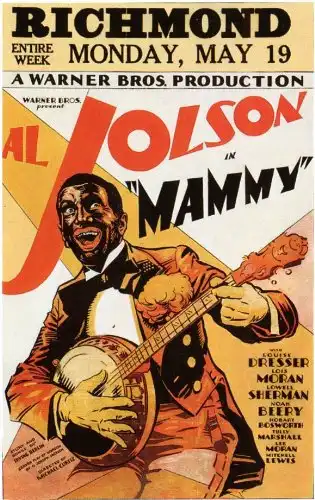
A definitive 5.7/10 rating for a film that redefined the boundaries of cult cinema. Mammy remains a cornerstone of transgressive art.
"Mammy," from 1930, is a tough one to recommend for a casual Friday night watch. If you're into early talkies, musical history, or just genuinely curious about Al Jolson's specific brand of energy, then maybe. But honestly, most folks will probably find it a pretty uncomfortable experience. It's a film steeped in a certain time, and that time looks very different now.
It's one of those movies you watch more for its place in history than for pure enjoyment. You can see the birth of the sound era unfolding, but also some really difficult bits to process today. 🤔
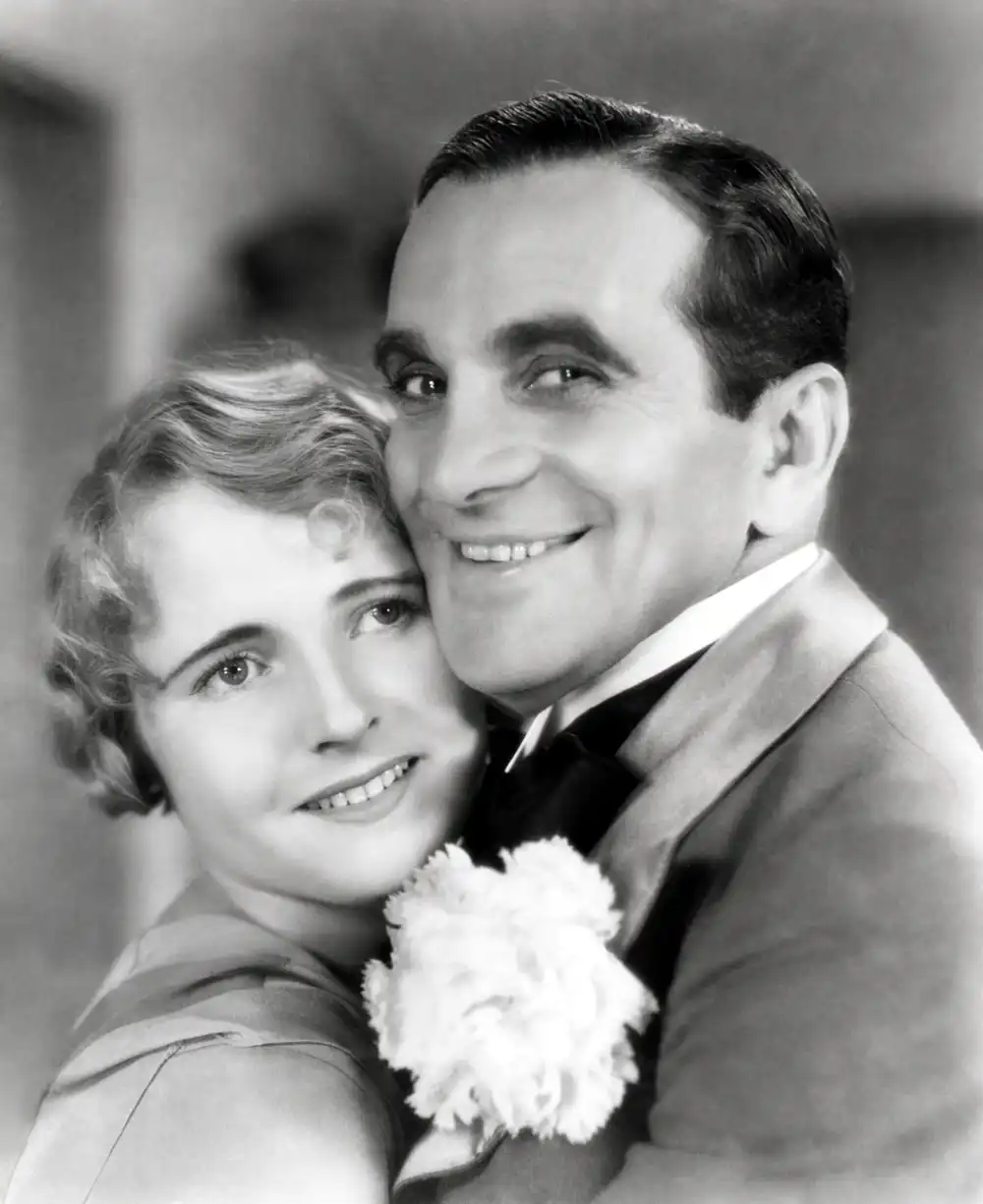
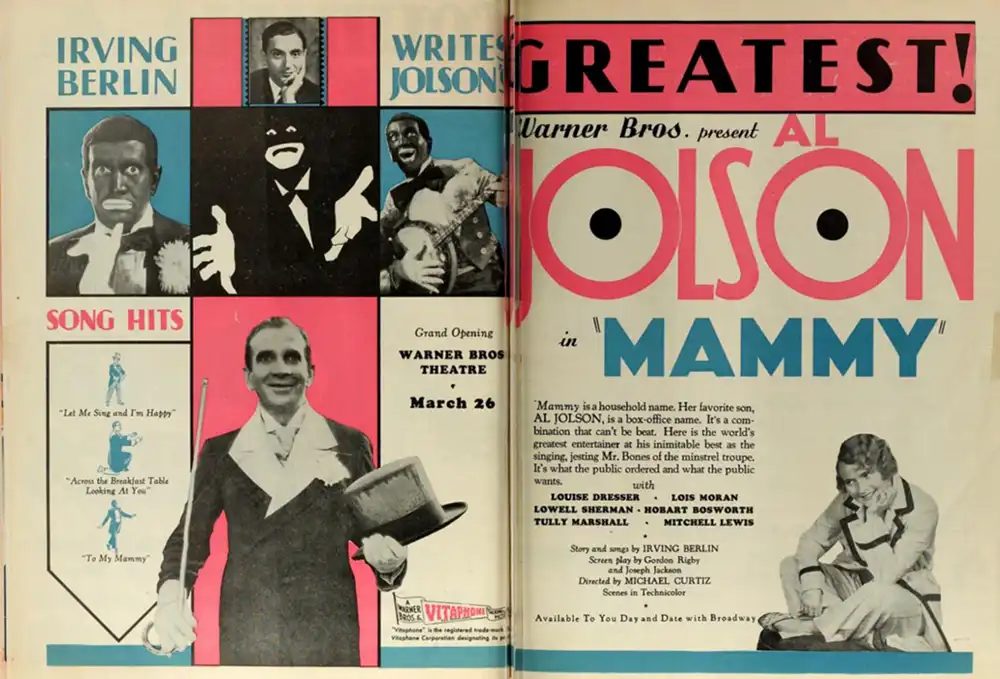
Al Jolson is, of course, the whole show here. He plays 'Pa' Rice, the star of a traveling minstrel troupe called the Merry Melody Makers. His energy is just wild, bouncing all over the stage. You can tell why he was such a massive star back then. He sings his heart out, every single time. 🎤
The musical numbers are plentiful. They stop the plot cold, but that was just how things worked in these early sound musicals. It's all about Jolson doing his thing, right up to the famous "Mammy" song itself.
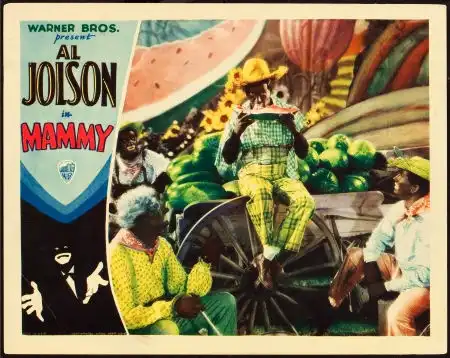
Now, about the elephant in the room: Jolson performs in blackface. It's unsettling. It's jarring. You can't watch it without that feeling in your gut, no matter how much you try to view it as a historical artifact. It's a reminder of a deeply problematic part of entertainment history, and the film doesn't shy away from it because, well, it was just *the way things were* in that specific context. 😬
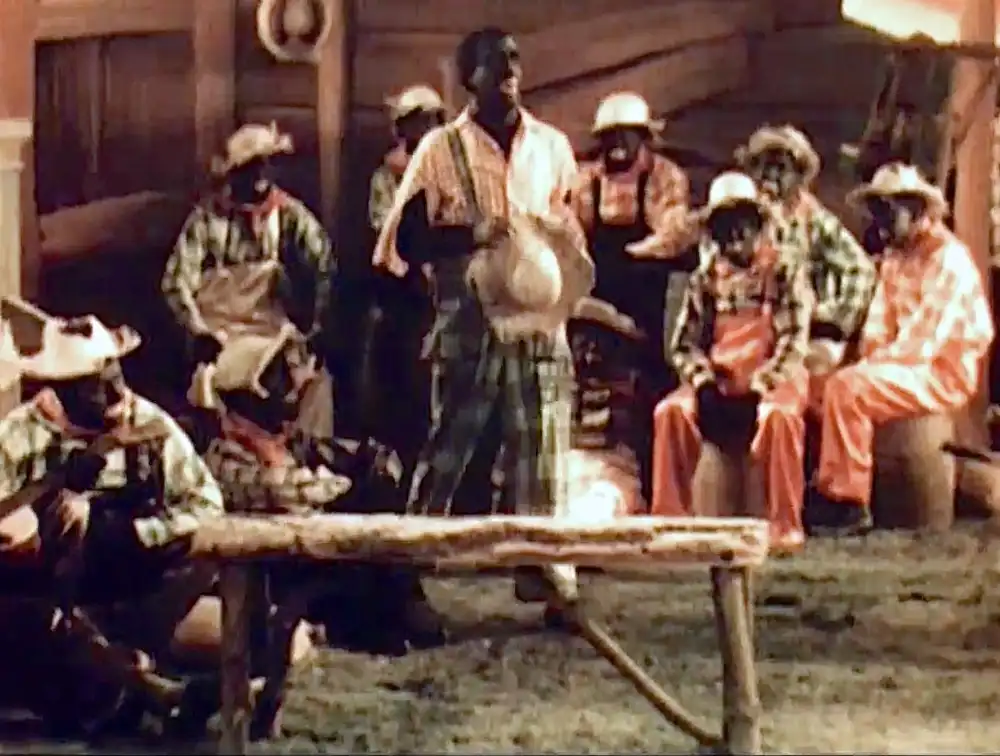
The camera just sits there, mostly. It doesn't move much, especially during those big stage numbers. This was common for early talkies; they were still figuring out how to make sound and motion work together without all the equipment getting in the way. Sometimes it feels like you're watching a filmed play.
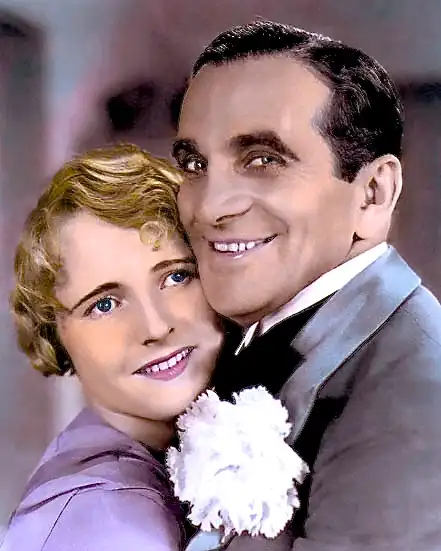
Beyond the songs, there's this whole melodrama playing out. 'Pa' Rice (Jolson) is in love with Nora, played by Lois Moran. But she's got eyes for another guy in the troupe, the songwriter Fred (Grant Withers). Classic love triangle stuff, really. It gets kind of messy, as these things do.
The dramatic scenes sometimes feel a bit forced, especially when Jolson tries to act serious. He's much more at home when he's belting out a tune or doing a bit of physical comedy. His dramatic chops? Not quite as polished, let's just say.
There's a scene where Jolson's character gets jealous, and he just stares. The camera lingers. You can feel the emotion, but it's *so* raw, almost too much. It's not subtle, not in the least.
The other actors, like Lois Moran, do a decent job, but they mostly just react to Jolson's tornado of energy. They're sort of orbiting his star. You don't get a lot of deep character development outside of the main three.
The pacing is… well, it's 1930s pacing. It takes its sweet time getting where it needs to go. There are long stretches of just talk, then a song, then more talk. It’s not for the impatient viewer, that’s for sure.
It's interesting to see how films like this balanced singing with a story. Sometimes it works, sometimes it feels like two different movies glued together. Here, it leans more towards the latter, but the songs are definitely the main draw.
So, is "Mammy" worth watching? As a historical document, absolutely. It's a crucial piece of early sound cinema, showing off one of its biggest stars at the height of his power. It also shows a side of entertainment that's rightfully been left behind. It’s a film that makes you think about how far movies have come, both technically and culturally. If you can push through the uncomfortable bits, there's a certain raw power to Jolson that still shines through. It's not an easy watch, but it's a telling one. Maybe queue it up with a few friends who are also film history buffs. You'll have plenty to talk about. 💬
IMDb 6
1935
Community
Log in to comment.