DbcultAccessing Vault...
6.4/10
Senior Film Conservator
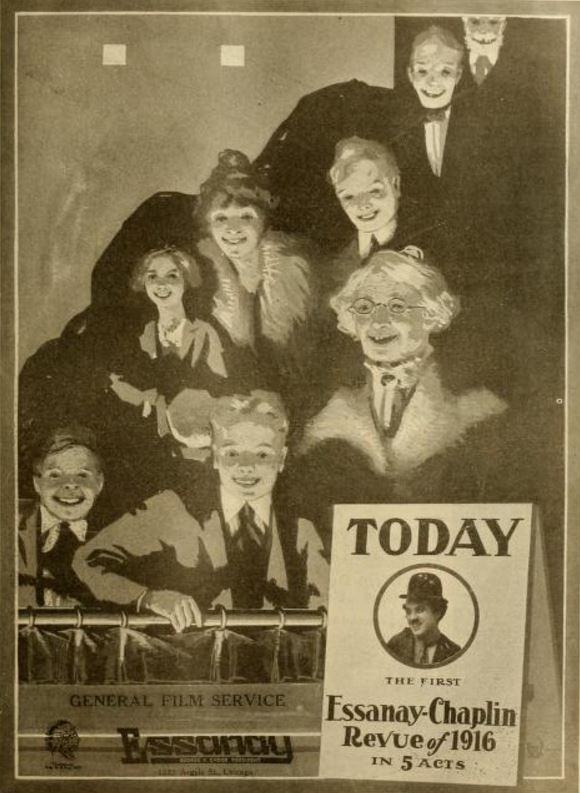
A definitive 6.4/10 rating for a film that redefined the boundaries of cult cinema. The Essanay-Chaplin Revue of 1916 remains a cornerstone of transgressive art.
To gaze upon The Essanay-Chaplin Revue of 1916 is to witness the frantic, flickering birth of modern mythology. While the film itself is a posthumous assembly—a commercial endeavor by the Essanay Film Manufacturing Company to squeeze every last drop of revenue from their departed star—it remains an indispensable mosaic. By 1916, Charles Chaplin had already migrated to the greener, more lucrative pastures of Mutual, leaving behind a trail of celluloid that captured his transition from the raw, Keystone-era brawler to the sophisticated architect of human emotion. This revue, encompassing seminal works like The Tramp, His New Job, and A Night Out, serves as the primary evidence of that metamorphosis.
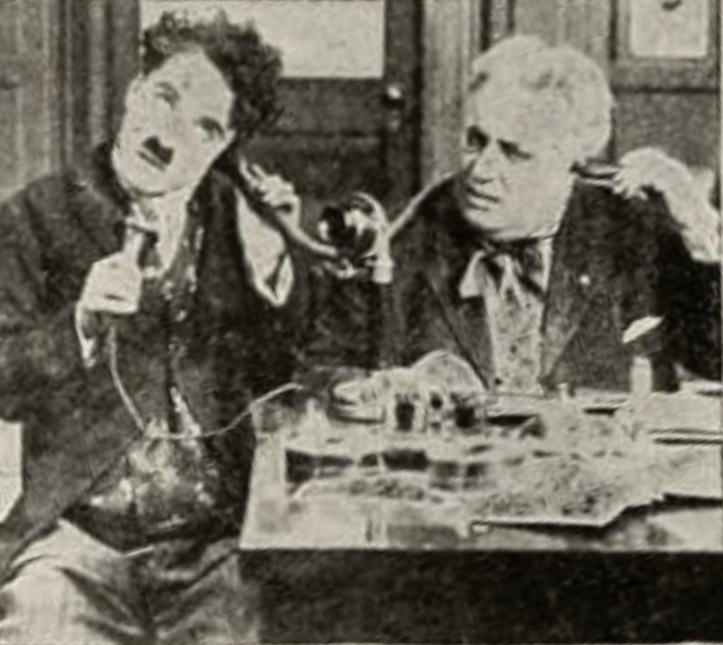
In the early sequences of His New Job, we find Chaplin navigating the labyrinthine absurdity of a film studio. It is a meta-commentary that feels strikingly modern, even when viewed through the sepia-toned distance of a century. Unlike the static landscapes of The English Lake District, which sought to capture the permanence of nature, Chaplin’s work is obsessed with the volatility of the human condition. Here, he is not just a performer; he is a disruptor of space. His interaction with Ben Turpin is a masterclass in contrasting physicalities. Turpin, with his iconic strabismus, provides a chaotic counterpoint to Chaplin’s precision. Every kick, every tumble, and every swing of a mallet is choreographed with the rhythmic elegance of a ballet, yet it retains the visceral impact of a street fight.
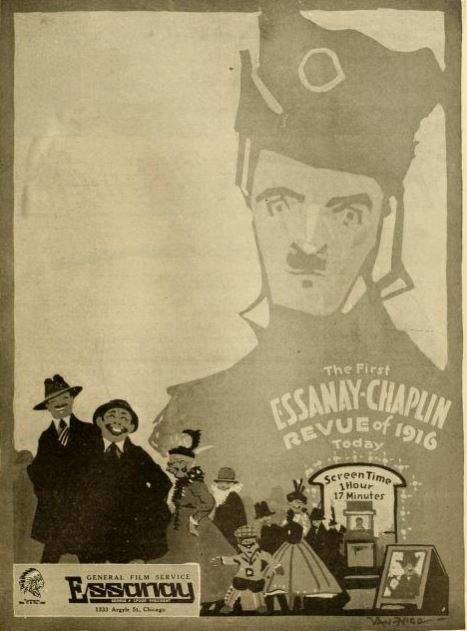
This period of Chaplin’s career was defined by a burgeoning independence. Having escaped the assembly-line production of Mack Sennett, Chaplin began to experiment with duration and depth. In A Night Out, the comedy is derived not just from the slapstick of intoxication, but from the social friction of the urban environment. It lacks the melodramatic weight of The Christian, opting instead for a satirical look at the fragility of decorum. When Chaplin and Turpin stumble through a restaurant, they are not just drunks; they are agents of entropy, exposing the thin veneer of bourgeois respectability that films like The Stubbornness of Geraldine often upheld without irony.
The centerpiece of this revue, and arguably the most significant short in the history of silent film, is The Tramp. It is here that the character transcends the boundaries of the two-reel comedy and enters the realm of the sublime. For the first time, Chaplin introduces a genuine sense of pathos. The Tramp is no longer just a mischievous vagrant; he is a romantic, a protector, and ultimately, a tragic figure. The ending—a long shot of the Tramp walking away from the camera, his shoulders slumping before a sudden, resilient shrug—is a cinematic haiku. It conveys more emotional truth than the sprawling narratives of The Seats of the Mighty or the moralistic posturing of The End of the Road.
Chaplin’s use of space in The Tramp is revolutionary. He utilizes the pastoral setting of the farm not just as a backdrop, but as a stage for his burgeoning humanism. The introduction of Edna Purviance was the catalyst for this change. Her screen presence offered a softness and a narrative stakes that were previously absent. Their chemistry is grounded in a subtle, unspoken language that contrasts sharply with the overt theatricality of Anfisa. While other filmmakers of the era were struggling with the transition from stage to screen, Chaplin was already inventing the grammar of cinematic intimacy.
To understand the magnitude of Chaplin’s achievement within this revue, one must look at the contemporary landscape. While The Crimson Stain Mystery was leaning into the thrills of the serial format, Chaplin was deepening the character study. There is a psychological complexity in the Tramp’s rejection that mirrors the internal struggles found in Nordic cinema, such as Livets konflikter or the brooding tension of Dødsklokken. Yet, Chaplin coats this pill in the sugar of comedy, making the existential weight accessible to the masses.
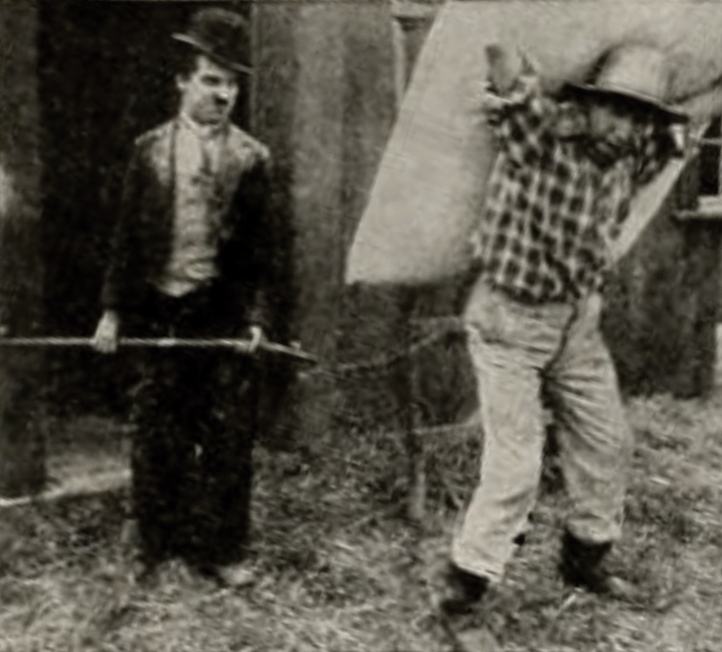
Consider the themes of class and identity. In Le roman d'un caissier, the struggle of the working man is treated with a certain Gallic gravity. Chaplin, conversely, uses the Tramp as a prism to reflect the absurdity of class distinctions. Whether he is accidentally ruining a film set or attempting to be a farmhand, the comedy arises from his inability (or refusal) to conform to the rigid structures of society. This theme is further explored in The Only Son, but where that film relies on narrative tradition, Chaplin relies on the kinetic energy of the body.
Technically, the Essanay shorts represent a significant leap forward. The lighting is more nuanced, the editing more rhythmic. The camera, while still largely static, is placed with a deeper understanding of the frame’s potential. In The Great Diamond Robbery, the focus is on the plot, but in Chaplin’s revue, the focus is on the movement within the frame. He understands that a flick of the wrist or a tilt of the hat can be as significant as a grand revelation in Tangled Hearts.
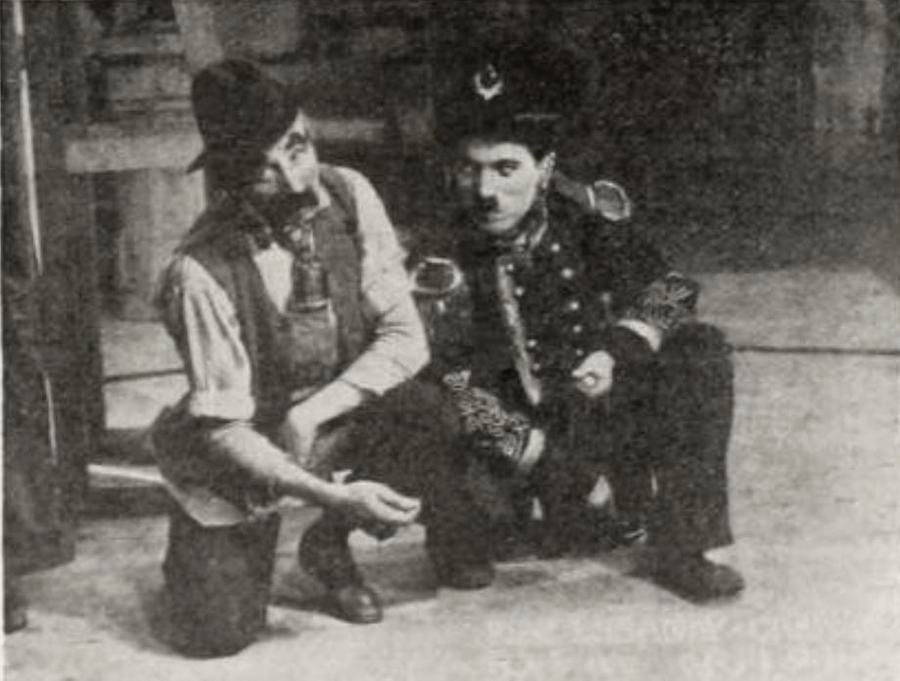
The revue format itself is a curious beast. It strips away the context of the original releases, creating a relentless barrage of genius. It can be exhausting, like witnessing a marathon of brilliance without the respite of silence. However, this density allows us to see the recurring motifs: the obsession with food, the precariousness of dignity, and the constant threat of the law. These are not just gags; they are the preoccupations of a man who understood the precarious nature of survival in the early 20th century. While The Love Thief might deal in the currency of melodrama, Chaplin deals in the currency of the everyman.
Critics often overlook these compilations as mere cash-grabs, but The Essanay-Chaplin Revue of 1916 is a vital historical document. It captures the exact moment when the cinema of attractions began to evolve into the cinema of identification. We do not just watch the Tramp; we inhabit him. We feel his hunger, his hope, and his heartbreak. This level of audience connection was unprecedented. Even highly regarded dramas of the time, such as The Model, feel distant and theatrical by comparison.
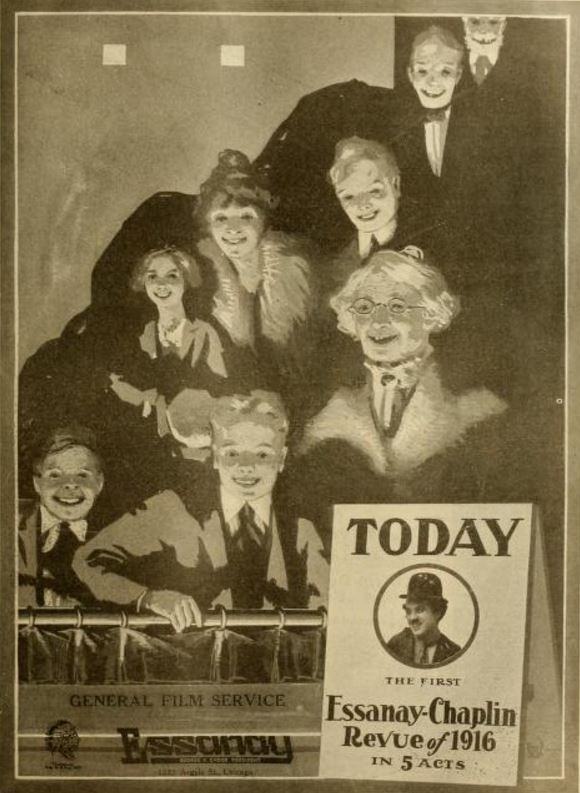
Chaplin’s mastery of the medium at this stage was so complete that he could afford to be subtle. The way he adjusts his oversized trousers or handles a delicate flower speaks volumes about the character’s inner life. This is the hallmark of a performer who has moved beyond the need for broad gestures. He had found his voice in the silence. The revue, by gathering these moments together, highlights the consistency of his vision. It is a vision of a world that is often cruel and indifferent, but one where a small, resilient man can still find a reason to dance.
In summation, this collection is an essential pillar of film history. It is the bridge between the primitive and the profound. While Essanay may have intended it as a final paycheck, they inadvertently created a testament to the enduring power of Charlie Chaplin. It remains a vibrant, hilarious, and deeply moving experience that continues to resonate with anyone who has ever felt like an outsider looking in.
IMDb —
1920
Community
Log in to comment.