DbcultAccessing Vault...
5/10
Senior Film Conservator
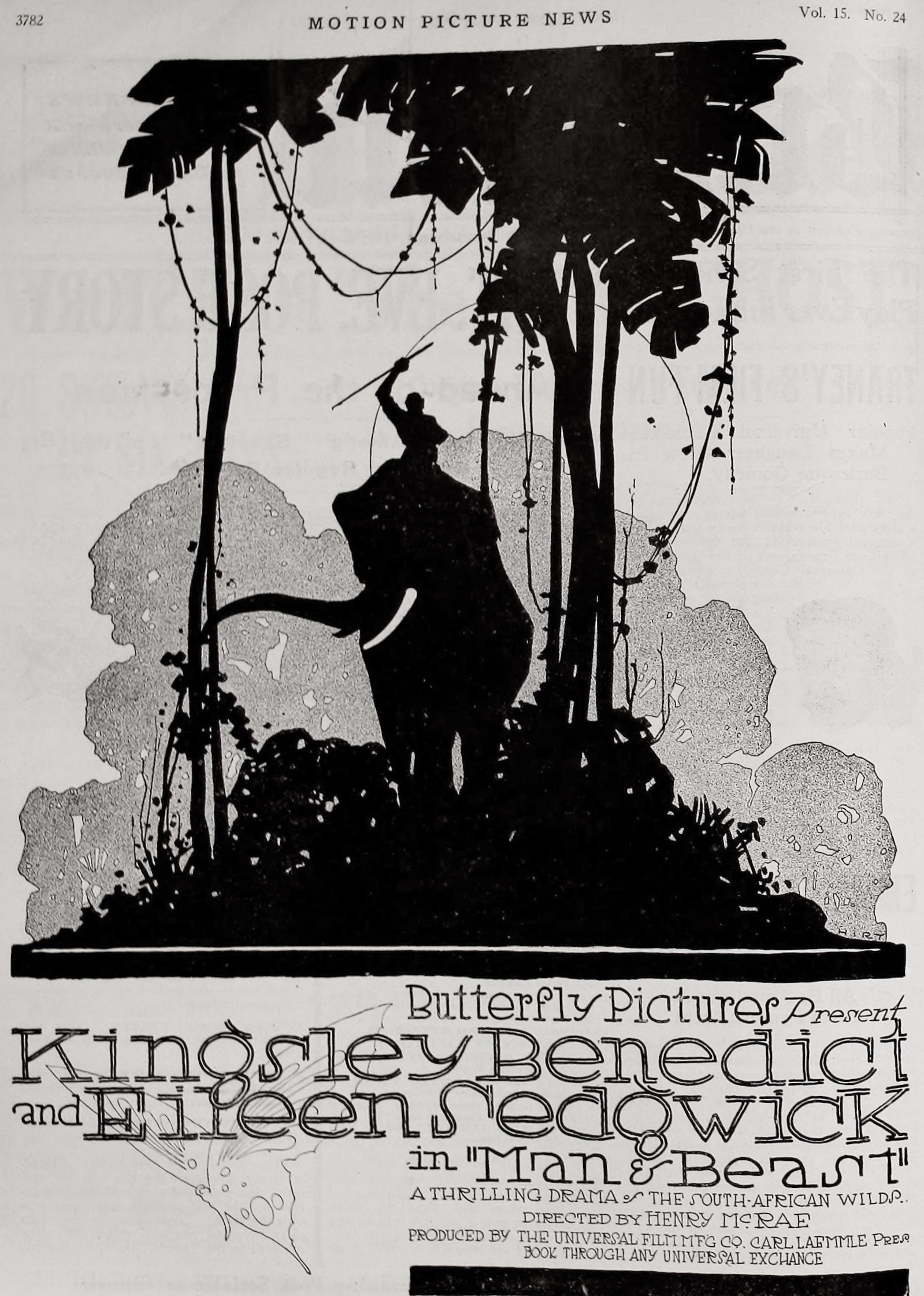
A definitive 5/10 rating for a film that redefined the boundaries of cult cinema. Man and Beast remains a cornerstone of transgressive art.
The silent era, often romanticized for its grand gestures and sweeping narratives, occasionally delivered cinematic gems that transcended their technical limitations, speaking directly to the primal human experience. Reed Heustis's 1921 production, Man and Beast, is undoubtedly one such triumph. It’s a film that plunges viewers into the unforgiving beauty of the South African veldt, a landscape as much a character as any of its human inhabitants. This isn't merely a tale of adventure; it's a profound exploration of human folly, the enduring power of love, and the unexpected grace found in the heart of the wild. From the very outset, the narrative establishes a visceral connection to its setting, where life and death are dictated by the ebb and flow of nature's relentless cycles. The film doesn't just depict a drought; it immerses us in its suffocating reality, making the scarcity of water a palpable, almost suffocating presence that fuels the human drama.
The film opens under the oppressive weight of a great drought, a natural catastrophe that lays bare the fragility of life and the stubbornness of human pride. The South African veldt, usually a vibrant tapestry of life, is rendered an arid, desolate expanse, its very dust seeming to choke the last vestiges of hope. It is against this stark, unforgiving backdrop that the initial conflict unfurls: a bitter quarrel between the von Haagen and Townsend families over a precious cattle spring. This isn't just about water; it's about survival, territory, and a deep-seated, almost ancestral animosity that has festered between these two proud, unyielding clans. Carl von Haagen, portrayed with a compelling mix of stubbornness and underlying vulnerability by L.M. Wells, embodies the rigid adherence to tradition and the refusal to yield that often fuels such protracted feuds. His counterpart in the Townsend family, though less detailed in the provided cast, represents a similar obstinacy, creating an impenetrable wall of resentment. The tension is palpable, a silent scream of desperation echoing across the parched plains, setting the stage for a drama where human passions are as untamed as the wilderness itself. The film masterfully uses the environmental crisis to amplify the human stakes, illustrating how scarcity can strip away civility, revealing the raw, unvarnished core of human nature. This initial setup is a powerful testament to Reed Heustis's ability to craft a compelling narrative from simple, yet potent, elements, reminiscent of the stark, survivalist themes explored in films like An Odyssey of the North, where man battles both nature and his own kind for existence.
Yet, even amidst such entrenched bitterness, a tender, improbable romance blossoms. Gretel von Haagen, brought to life with understated grace by Eileen Sedgwick, finds herself drawn to Ned Townsend, played by Joe Martin with a quiet strength that belies the turmoil around him. Their love is a defiant act, a fragile bud pushing through the cracked earth of familial hatred. It's a classic tale of star-crossed lovers, but imbued with the unique, rugged flavor of the African setting. Their connection transcends the petty squabbles and ancient grievances that define their families, offering a glimmer of hope and a path towards a different future. The silent film medium, with its reliance on visual storytelling, excels here, conveying the depth of their affection through longing glances, shared moments of quiet intimacy, and the palpable urgency of their desire to escape the suffocating animosity. Unable to reconcile their love with their families' unyielding opposition, Gretel and Ned make the momentous decision to forsake their pasts. They embark on a perilous journey into the vast, uncharted interior, seeking a new life, a sanctuary where their love can flourish untainted by the shadow of old feuds. This self-imposed exile, a common trope in early cinema, is handled with a sense of genuine bravery and desperation, underscoring the profound sacrifices made for love. Their departure is not merely a physical act but a symbolic severing of ties, a hopeful leap into the unknown, much like the courageous spirit found in narratives such as The Wild Olive, where characters find solace and new beginnings far from the constraints of their former lives.
Three years pass, and the initial fury of the family feud might have subsided, but for Carl von Haagen, the patriarch, the emotional scars run deep. The absence of his daughter, the knowledge of the rift he helped create, gnaws at his soul. L.M. Wells delivers a poignant portrayal of a man wrestling with profound remorse, a regret that finally compels him to undertake his own arduous journey into the interior. His quest is not merely to find Gretel, but to find redemption, to bridge the chasm his stubbornness had carved. This arc of a character seeking atonement is a powerful narrative device, adding layers of emotional complexity to the adventure. Upon arriving at Gretel and Ned's remote homestead, Carl is met with a revelation that softens his hardened heart: he is a grandfather. This discovery, a tender moment of unexpected joy, offers a glimpse of the reconciliation he so desperately seeks. The quiet domesticity of their new life, a stark contrast to the bitterness he left behind, highlights the peace that Gretel and Ned have forged. However, this fragile peace is immediately shattered by a harrowing incident that plunges the narrative into high-stakes drama. The infant grandson, innocent and curious, wanders off into the dense, unforgiving jungle, a place teeming with unseen dangers. The sudden terror, the frantic search, and the palpable fear of the parents and newly arrived grandfather are expertly conveyed, drawing the audience into the heart-pounding suspense. This pivotal moment underscores the ever-present threat of the wild, a constant reminder of the delicate balance between human civilization and untamed nature. The film transitions seamlessly from a character-driven drama of familial reconciliation to a thrilling survival narrative, showcasing its versatility and the skill of its director, Reed Heustis.
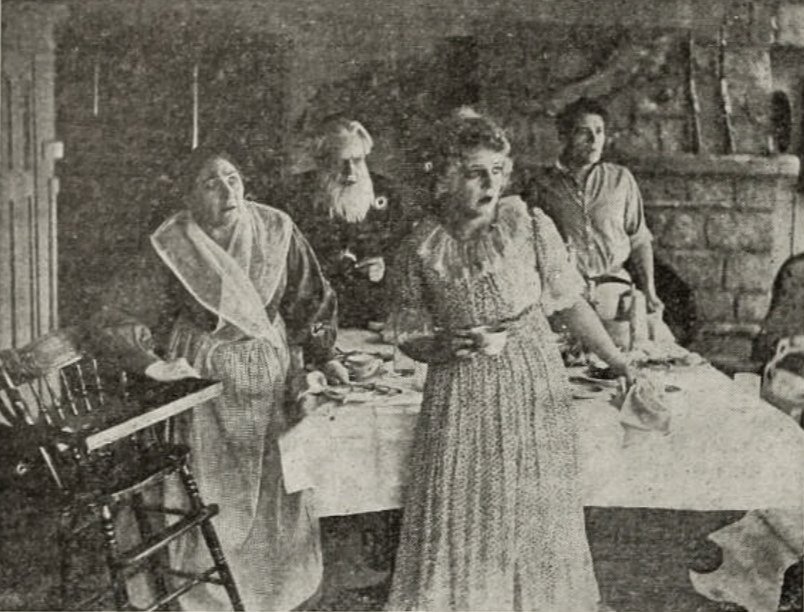
The sequence of the lost infant in the jungle is where Man and Beast truly earns its title, weaving together themes of human vulnerability and the majestic, often unpredictable, power of the animal kingdom. The jungle, depicted with an almost primordial sense of awe and danger, becomes a labyrinth of shadows and unseen threats. The film implies several harrowing incidents, allowing the audience's imagination to fill in the terrifying blanks – perhaps a close encounter with a predatory creature like Sam the Lion or Tom the Leopard, whose presence in the cast list suggests their dramatic involvement. The helplessness of the parents, Gretel and Ned, and the newfound anguish of Carl, who has barely begun to savor the joy of grandfatherhood, is palpable. The search is desperate, frantic, a race against time and the formidable forces of nature. The silent film's ability to convey intense emotion through exaggerated expressions and rapid cutting would have been paramount here, building suspense to an almost unbearable degree. Then, in a truly miraculous turn, the infant is rescued not by human hands, but by an elephant. Charlie the Elephant, credited prominently in the cast, emerges as the unlikely hero, a towering figure of unexpected grace and compassion. This act of interspecies altruism is not merely a plot device; it's a powerful statement about the inherent goodness found in nature, a contrast to the earlier human-driven conflicts. The elephant's gentle yet powerful presence, guiding the child back to safety, becomes a symbolic bridge between the wild and the domestic, between conflict and reconciliation. This extraordinary event serves as the ultimate catalyst for healing, a moment so profound and unexpected that it shatters all remaining animosity between the families. The sheer spectacle of such an animal rescue would have been a major draw in 1921, captivating audiences with its blend of drama and natural wonder. It's a narrative flourish that underscores the film's title, suggesting that sometimes, the 'beast' can embody a greater humanity than 'man' himself.
The return of the infant, safe and sound, orchestrated by the magnificent Charlie the Elephant, culminates in a joyous reconciliation that is both emotionally earned and deeply satisfying. The sight of the child, a symbol of innocence and new beginnings, being brought back from the brink, finally melts the last vestiges of bitterness between the von Haagen and Townsend families. What years of drought, conflict, and separation could not achieve, a shared moment of terror and miraculous salvation accomplishes. The families, once divided by pride and a contested spring, are now united by a common love for the child and a profound sense of relief and gratitude. Carl's journey from remorse to redemption is complete, his family whole again. The film closes on a note of profound optimism, suggesting that even the deepest wounds can heal, and that forgiveness, often sparked by shared vulnerability, is the most powerful force for unity. This resolution is not merely a convenient happy ending but a testament to the film's thematic depth. It argues that sometimes, it takes an external, overwhelming event – in this case, the terrifying loss and miraculous return of a child, facilitated by nature itself – to put human squabbles into perspective and re-establish the bonds of kinship. The emotional resonance of this final act is considerable, leaving the audience with a sense of hope and the enduring power of family, a theme that resonates across cinematic history, much like the familial struggles and eventual triumphs depicted in films such as The Marriage of Molly-O, albeit in a dramatically different setting.
In an era before synchronized sound, the burden of conveying emotion, character, and narrative fell squarely on the shoulders of the actors' physicality and facial expressions. Harry Clifton, Joe Martin, Mattie Witting, and Eileen Sedgwick, under Reed Heustis's direction, navigate this challenge with commendable skill. Eileen Sedgwick as Gretel, in particular, conveys a compelling blend of vulnerability and inner strength, making her character's defiance and later, her maternal anguish, deeply relatable. Joe Martin's Ned Townsend is a stoic, dependable presence, a man whose quiet resolve grounds the more tumultuous emotions swirling around him. L.M. Wells, as the remorseful Carl von Haagen, delivers a nuanced performance that charts a significant emotional arc, transforming from an obstinate patriarch to a man humbled by regret and uplifted by forgiveness. The true stars, however, might arguably be the animal performers: Charlie the Elephant, Sam the Lion, and Tom the Leopard. Their integration into the narrative, especially Charlie's heroic act, speaks volumes about the ambition of early filmmakers to capture the raw power and unpredictability of nature. Filming with live animals in such dramatic sequences would have been a logistical marvel, demanding immense patience and skill from the crew. The silent film medium, with its reliance on intertitles to bridge narrative gaps and emphasize dialogue, also allowed for a universal appeal, transcending language barriers. Heustis, as the writer, crafted a narrative that is both epic in scope and intimate in its emotional core, ensuring that the visual spectacle never overshadowed the human drama. The cinematography, though details are scarce for such an early film, would have had to be evocative, capturing the vastness of the veldt and the claustrophobia of the jungle, using light and shadow to heighten mood and suspense. The film serves as a fascinating example of how silent cinema, through compelling performances and shrewd direction, could create immersive and emotionally resonant stories that captivated audiences worldwide. It stands as a testament to the artistry that flourished before the advent of the talkies, proving that a story well-told needs no spoken words to stir the soul.
Man and Beast is more than just a historical curiosity; it's a vibrant piece of early adventure cinema that tackles themes still relevant today. Its exploration of human conflict stemming from resource scarcity, the enduring appeal of forbidden love, and the redemptive power of forgiveness offers a timeless narrative. The film's depiction of the African wilderness, while perhaps viewed through a lens of early 20th-century exoticism, nonetheless highlights the profound impact of nature on human lives and decisions. In an era when films like Les amours de la reine Élisabeth focused on historical dramas or California Scrap Book offered documentary-style glimpses, Man and Beast carved out its niche as a thrilling, emotionally charged adventure. It shares thematic DNA with other films that explore man's relationship with the wild, such as the aforementioned An Odyssey of the North, where the harsh environment acts as a character, testing the limits of human endurance and morality. The film's use of real animals, particularly the elephant, predates many later Hollywood epics, demonstrating a pioneering spirit in its production. While it may lack the intricate visual effects of modern blockbusters, its raw authenticity and the sheer audacity of its premise give it an undeniable charm and power. Reed Heustis, though perhaps not a household name today, crafted a narrative that, for its time, was both daring and deeply resonant, offering audiences a thrilling escape into a world where human drama and the untamed wild collided with spectacular results. The film's legacy lies in its ability to tell a universal story of overcoming adversity, both internal and external, with a compelling blend of romance, suspense, and the awe-inspiring presence of nature's grandest creatures. It reminds us that some stories are so fundamental to the human condition that they transcend the limitations of their medium, continuing to captivate and move us even a century later.
Ultimately, Man and Beast is a captivating journey into the heart of conflict and the triumph of compassion. It’s a testament to the power of silent cinema to evoke grand emotions and transport its audience to distant, wild landscapes. The film serves as a powerful reminder that even in the face of nature’s most formidable challenges and humanity’s most stubborn divisions, love, forgiveness, and the unexpected intervention of the wild can pave the way for profound reconciliation. It’s a compelling watch for anyone interested in early cinematic adventure, robust storytelling, and the enduring themes that continue to shape our narratives today.
IMDb —
1923
Community
Log in to comment.