DbcultAccessing Vault...
5.8/10
Senior Film Conservator
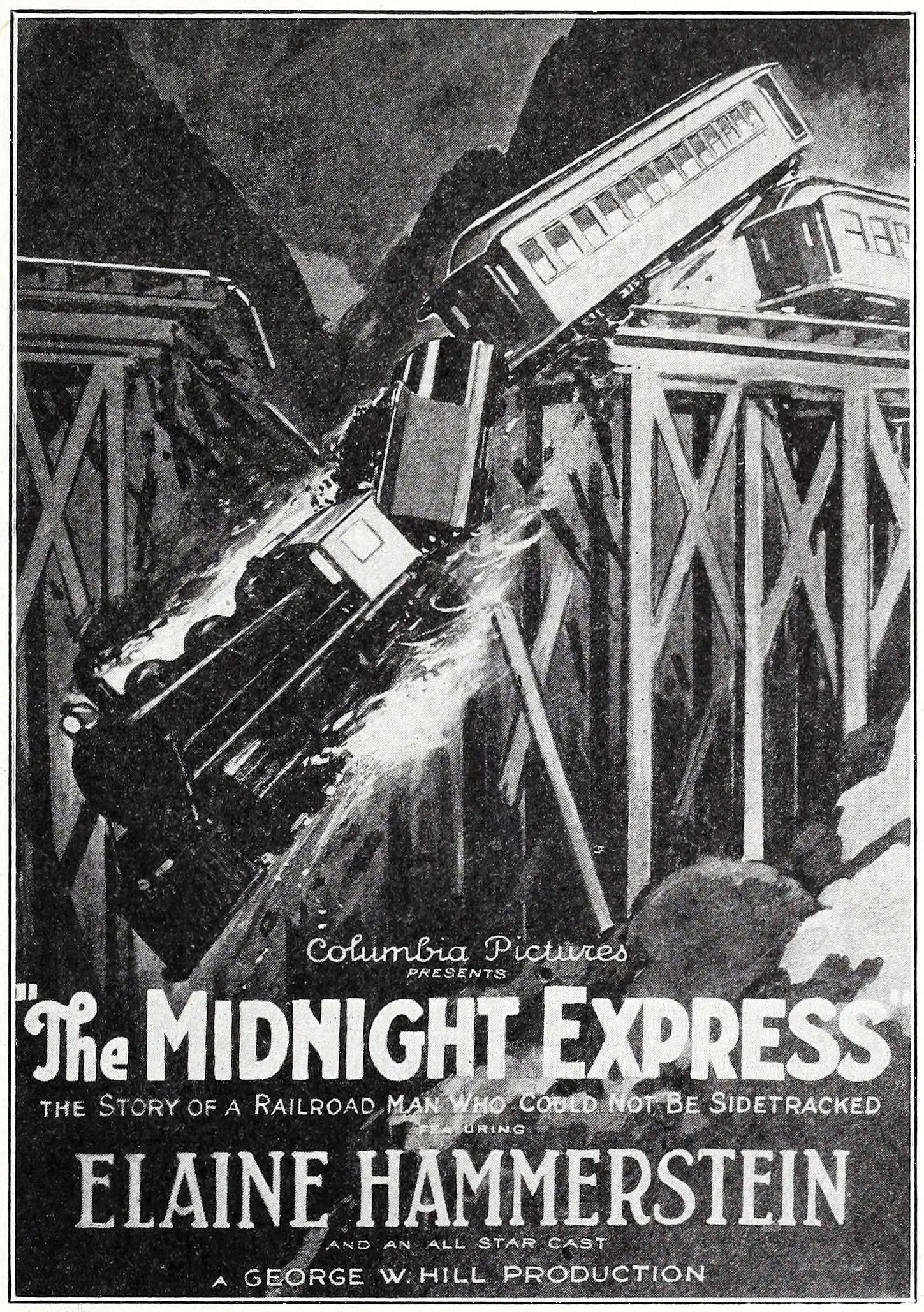
A definitive 5.8/10 rating for a film that redefined the boundaries of cult cinema. The Midnight Express remains a cornerstone of transgressive art.
Ah, the silent era. A time when storytelling transcended spoken dialogue, relying instead on the visceral power of imagery, the dramatic flourish of orchestral scores, and the nuanced expressions of actors whose faces became canvases for emotion. Among the many gems unearthed from this period, George W. Hill's 1924 triumph, The Midnight Express, stands as a testament to the enduring allure of high-stakes drama and the timeless narrative of redemption. This isn't just a film; it's a meticulously crafted allegory of class, consequence, and the raw, unyielding power of human will against the backdrop of an industrializing world.
At its core, the picture introduces us to Jack Oakes, portrayed with a compelling blend of youthful arrogance and underlying vulnerability. He is the quintessential 'spoiled rich kid,' the playboy heir to a vast railroad empire, a character trope that resonates even today. His father, a titan of industry, embodies the stern, pragmatic force of early 20th-century capitalism, his patience worn thin by Jack's frivolous antics. The disinheritance is not merely a plot device; it's a symbolic severing of the umbilical cord to privilege, a forced baptism into the harsh realities of life without a safety net. This dramatic expulsion from his gilded cage sets the stage for a transformation that is both profound and profoundly cinematic.
Jack's decision to shed his identity and seek work in the very railroad yards his family owns, yet under an assumed name, is a stroke of narrative genius. It forces him to confront the grueling labor, the camaraderie, and the dangers faced daily by the working class—a world previously invisible to his insulated existence. Here, his name carries no weight, his lineage no sway. He must earn respect through sweat, grit, and genuine effort. This arc, reminiscent of other narratives where characters shed their societal masks to find true self, carries a powerful message about intrinsic worth over inherited status. While not as overtly psychological as say, Dr. Jekyll and Mr. Hyde, the film explores a duality of self: the public persona versus the hidden, true potential.
Enter Mary Traves, portrayed by the luminous Elaine Hammerstein. Mary is not merely a love interest; she is the film's moral compass, a character whose unwavering belief in Jack's inherent goodness provides a crucial anchor for his journey. In a world quick to judge and condemn, Mary's faith is a quiet, powerful force, a testament to the idea that true character is often seen not in one's past mistakes, but in the potential for future triumphs. Her presence elevates the narrative beyond a simple action flick into a more nuanced exploration of human connection and support. Her conviction that Jack has the "right stuff" is not naive; it's perceptive, seeing beyond the surface-level transgressions to the man he could become.
The railroad itself is arguably the film's most potent character. The immense, steam-belching locomotives are not just machines; they are symbols of progress, power, and danger. The clanging of steel, the hiss of steam, the relentless forward motion—all contribute to a palpable sense of industrial might that dominates the screen. When The Midnight Express is hurtling towards disaster, the tension is not just about the collision, but about humanity's fragile control over the immense forces it has unleashed. This theme of man versus machine, or man mastering machine for the greater good, is a recurring motif in early cinema, and Hill executes it with masterful precision.
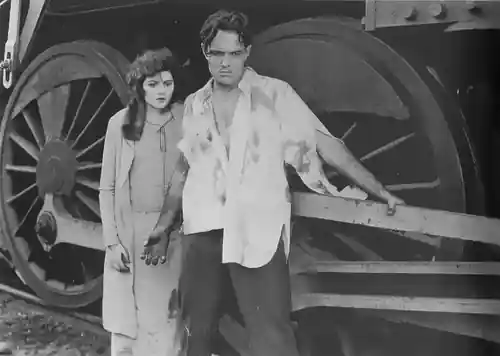
The climactic sequence, where The Midnight Express finds itself on a collision course with a runaway freight train, is where the film truly earns its stripes as a silent thriller. This is not just a spectacle of destruction; it is the ultimate test of Jack's newfound character. His knowledge of the railroad, honed through arduous labor, combined with an innate courage, transforms him from a disgraced wastrel into an undeniable hero. The sequence is a symphony of escalating peril, expertly paced by Hill, with each cut and intertitle intensifying the impending doom. The stakes are profoundly human, despite the mechanical antagonists.
In silent cinema, the burden on actors is immense. Without dialogue, every gesture, every facial expression, every movement must convey character and emotion. The ensemble cast of The Midnight Express rises to this challenge admirably. While specific nuances of performance might be lost to the mists of time for a modern audience, the broad strokes are clear. Noble Johnson, often relegated to supporting roles, brings a formidable presence, while Pat Harmon's portrayal of a railroad worker likely added an authentic grit. Elaine Hammerstein as Mary Traves, as mentioned, projects a quiet strength and unwavering belief that anchors the emotional core of the film. William Haines and Roscoe Karns, though perhaps in smaller roles, contribute to the vibrant tapestry of the railroad community. Their collective efforts, guided by Hill's direction, forge a believable and engaging world.
George W. Hill, as the film's writer and director, demonstrates a keen understanding of cinematic rhythm and visual storytelling. His ability to build suspense without relying on spoken words is a masterclass in the art form. The framing of the shots, the use of close-ups to emphasize emotional states, and the dynamic editing during the action sequences all speak to a director at the height of his craft. He transforms what could have been a simplistic melodrama into a taut, thrilling experience. His work here can be seen in conversation with other high-tension dramas of the era, where precise timing and visual clarity were paramount.
Beyond the thrilling action, The Midnight Express explores several enduring themes. Redemption is, of course, paramount. Jack's journey from indolent heir to working-class hero is a classic narrative arc that continues to captivate audiences. It speaks to the universal desire for a second chance, for the opportunity to prove one's worth when the chips are down. This theme of overcoming past failings and finding one's true calling resonates with films like Just Out of College, where young men navigate new challenges to establish themselves.
The film also delves into class distinctions, albeit implicitly. Jack's forced descent into the working class highlights the vast chasm between the privileged few and the laboring masses. His experiences in the yard undoubtedly give him a newfound empathy and understanding, bridging a gap that his father's wealth had previously maintained. It's a subtle critique of societal structures, suggesting that true leadership and understanding come from experience, not merely birthright. This social commentary, while not as explicit as some later films, is nevertheless present and impactful.
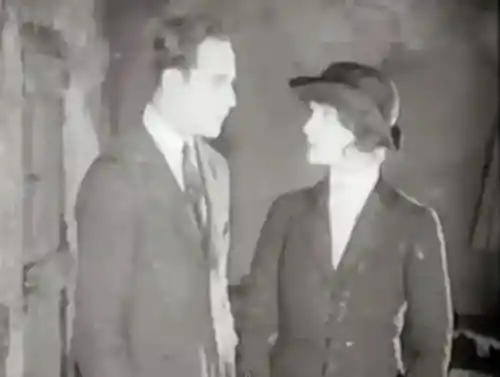
Furthermore, the element of fate versus agency is powerfully explored. The runaway train could be seen as an unstoppable force of destiny, an embodiment of the chaotic elements of life. Yet, Jack's actions demonstrate that even in the face of seemingly insurmountable odds, human ingenuity and courage can alter the course of fate. He doesn't just react; he takes decisive action, harnessing his knowledge and courage to avert catastrophe. This proactive heroism is a hallmark of many adventure stories, including those that deal with high-stakes situations and quick thinking, such as A Yankee Go-Getter, where resourcefulness is key.
In the grand tapestry of silent cinema, The Midnight Express might not always be mentioned in the same breath as the towering epics, but its quiet power and effective storytelling make it a film well worth revisiting. It's a snapshot of an era's anxieties and aspirations, wrapped in an exhilarating package of railroad drama. The film's ability to generate genuine thrills and emotional resonance without spoken words is a testament to the artistry of its creators and the enduring power of visual narrative.
The film's impact lies not just in its thrilling climax, but in its meticulous character development and the symbolic weight of its setting. It reminds us that heroism often emerges from the most unexpected places, and that true character is forged in the crucible of adversity, far from the comfortable shadow of inherited wealth. For those seeking to understand the roots of cinematic suspense and the profound storytelling capabilities of the silent era, The Midnight Express offers a compelling, heartfelt, and ultimately thrilling journey into the heart of an industrial age, where the roar of the train was matched only by the beating heart of a man finding his true self.
It's a reminder that even when the world seems to be on an unstoppable collision course, there are always individuals with the courage and conviction to step up and change the trajectory. The film doesn't just entertain; it inspires, showcasing the potential for transformation and the enduring human spirit. In an age of complex CGI and deafening soundscapes, the understated elegance and raw power of The Midnight Express serves as a vital historical document and a thoroughly enjoyable piece of cinematic history, proving that a good story, well told, never truly loses its steam.
The craftsmanship of George W. Hill, combined with the evocative performances of the cast, particularly Elaine Hammerstein's nuanced portrayal of Mary Traves and the central figure's compelling arc, cements its place as more than just a period piece. It's a narrative that speaks to the core human experience of falling, rising, and proving oneself against the odds. The visual language of the film, with its dramatic lighting and dynamic camera work, captures the majesty and menace of the railway system, making it an integral part of the unfolding drama. The roaring locomotives become metaphors for the relentless march of time and the unforgiving nature of consequences, yet also symbols of progress and the potential for heroic action. The detailed depiction of the railroad yards, the intricate machinery, and the dangerous work all contribute to a vivid, immersive experience that transports the viewer directly into the heart of early 20th-century industrial America. This meticulous world-building enhances the realism, making Jack's journey feel all the more authentic and impactful. The film's ability to convey such intricate themes and emotional depth without a single spoken word is a testament to the unparalleled skill of silent era filmmakers.
Indeed, one cannot overstate the importance of the visual narrative in The Midnight Express. Each frame is designed to communicate, to build tension, and to evoke empathy. The camera doesn't just observe; it participates, drawing the audience into the high-stakes drama. The expressions of the actors, though often exaggerated by modern standards, were the lingua franca of their time, conveying fear, determination, love, and despair with clarity. Noble Johnson, in particular, often brought a gravitas to his roles, and one can imagine his presence adding significant weight to the unfolding events. The sheer scale of the train sequences, especially the impending collision, must have been breathtaking for audiences of the 1920s, showcasing the burgeoning capabilities of cinematic technology to create thrilling spectacle. This ambition to deliver grand, impactful visuals is a hallmark of the era, seen in other films that pushed boundaries of special effects and dramatic scope.
The screenplay by George W. Hill is a masterclass in economical storytelling. Every scene, every intertitle, moves the plot forward or deepens our understanding of the characters. There is no wasted motion, no superfluous dialogue (naturally, given the medium). The narrative thrust is relentless, propelling Jack Oakes from his initial state of comfortable apathy to a moment of profound, selfless courage. This tightly woven plot structure ensures that the audience remains fully invested in Jack's fate, rooting for his success against all odds. It’s a testament to the idea that a compelling story, even without the bells and whistles of modern filmmaking, can still resonate deeply. This narrative efficiency is something that many contemporary screenwriters could learn from, demonstrating that less can often be more when it comes to impactful storytelling. The dramatic tension is built not through complex subplots but through the sheer weight of the central conflict and the character's personal journey. It’s a beautifully simple, yet powerful, narrative engine.
IMDb 5.3
1922
Community
Log in to comment.