DbcultAccessing Vault...
6.2/10
Senior Film Conservator
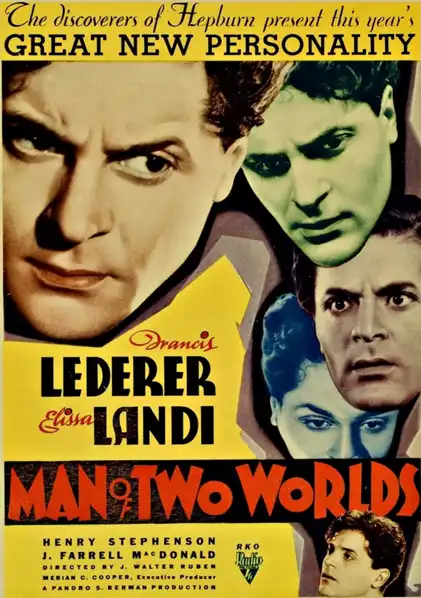
A definitive 6.2/10 rating for a film that redefined the boundaries of cult cinema. Man of Two Worlds remains a cornerstone of transgressive art.
Alright, so Man of Two Worlds. This one’s definitely not for everyone today. If you’re into older films, especially ones that wrestle with big culture clash ideas — even if they do it in a very 1930s way — you might find it interesting. For those who can’t stand slow pacing or depictions that, well, haven’t aged super well, you’ll probably want to skip it. It’s a bit of a historical curiosity, really. 🤔
The setup is pretty straightforward. A British explorer, played by Henry Stephenson, finds this Eskimo hunter, Malak, up in the Arctic. Next thing you know, Malak (Francis Lederer) is on a boat, headed straight for London. From igloos to bustling streets. You can just imagine the shock.
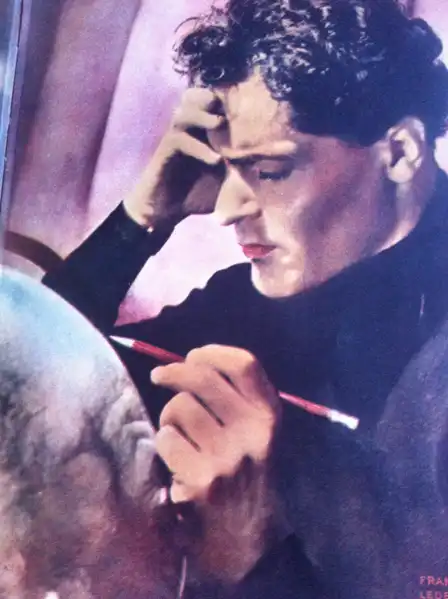
Lederer’s portrayal of Malak is… something. He tries, you know? There's a certain earnestness. But watching a Czech actor play an “Eskimo” in 1934 is always going to feel a bit off, maybe even quite a lot off to modern eyes. He moves with this kind of stiff, almost alien grace in London’s drawing rooms. It’s supposed to be noble, I think.
The film spends a good chunk of time showing Malak adjusting, or failing to adjust. His reactions to things like a telephone or a fancy dinner party are pretty much what you’d expect. A bit wide-eyed. A bit confused. It leans into the 'fish out of water' trope really, really hard. Sometimes it feels a bit like a stage play, you know, with everyone standing around while Malak does something quaint.
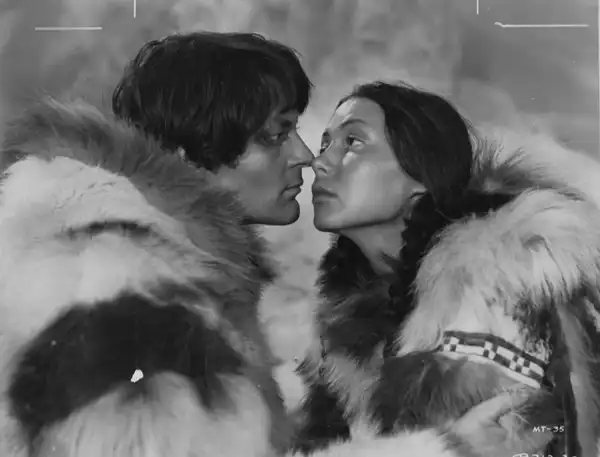
Then there’s Gale, played by Elissa Landi. She’s the socialite who takes an interest in Malak. And this is where the *real* trouble starts, plot-wise. She’s kind, maybe a little flirtatious, but in that innocent 1930s way. Malak, however, sees something much deeper, much more committed, in her gestures. He’s from a world where intent is perhaps more direct, less veiled by London politeness.
You can almost feel the movie trying to make you understand Malak’s perspective. How a simple hand-hold, or a shared glance, means everything to him. How he’s interpreting her every polite kindness as something profound. It’s **painfully clear** he’s misreading her. And she, in turn, is pretty oblivious to how much she's affecting him. It’s just this terrible, slow-motion car crash of cultural differences and unsaid feelings.
One scene, I remember, Malak is just standing by a window, looking out at the foggy London streets. He’s so alone. It’s a quiet moment that actually works. You really feel the *weight* of this new world on him. Compare that to the earlier bits where he's just staring blankly at a light switch. Those felt a little too on-the-nose.
The pacing is… deliberate. There are long stretches where not a lot happens beyond people exchanging polite but loaded dialogue. If you’re used to anything remotely fast, this will test your patience. It’s not Twentieth Century, that's for sure.
The film's message, if there is one, seems to be about the impossibility of bridging certain cultural divides without immense pain. Or maybe it’s just about being careful who you smile at. 😉 The ending feels pretty inevitable, given the whole setup. It doesn't really offer much in the way of easy answers.
Did it leave a lasting impression? Mostly for its depiction of Malak's misunderstanding, and how genuinely sad it becomes. It’s a curious piece from a time when these sorts of stories were told in a very different way. A *very* different way. You know, you watch it and think, 'Oh, that’s how they thought about things back then.'
Some stray thoughts, you know?
It’s not a film I’d rush out to recommend to just anyone. But for those who appreciate digging into the archives and seeing how older films grappled with complex (and sometimes problematic) themes, it holds a certain, well, *interest*. Just be ready for it.

IMDb 5.8
1917
Community
Log in to comment.