DbcultAccessing Vault...
6.8/10
Senior Film Conservator

A definitive 6.8/10 rating for a film that redefined the boundaries of cult cinema. Mantrap remains a cornerstone of transgressive art.
Short answer: Yes, but with reservations. Mantrap, a 1926 silent film, stars Clara Bow as a young, attractive manicurist living with her brusque husband in a small Canadian town. She becomes captivated by a charming and wealthy divorce lawyer visiting for a vacation. This film is worth watching if you're interested in exploring the social dynamics of early 20th-century Canada or for a glimpse into the sensuality and restraint of silent film acting.

This film is not for viewers who expect a perfect, flawlessly crafted cinematic experience. However, if you're curious about the early days of Hollywood and the performances of its leading ladies, Mantrap offers a fascinating look at the era.
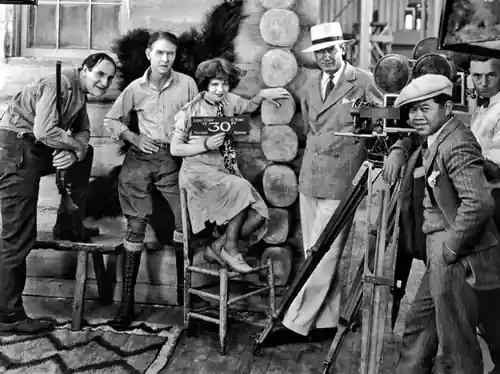
Mantrap works primarily because of Clara Bow's magnetic performance. Bow's portrayal of the protagonist is both seductive and restrained, capturing the audience's attention and evoking a sense of longing. Her chemistry with the male lead, Rolfe Sedan, is palpable, making their interactions both intriguing and satisfying to watch.
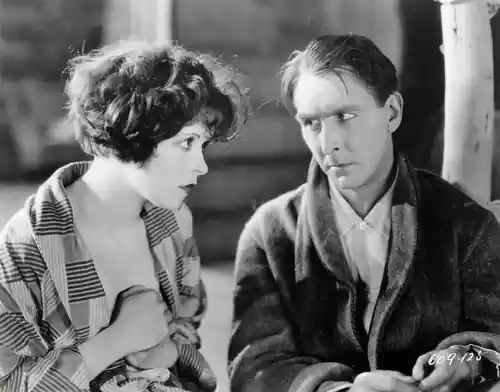
The film's pacing and dialogue occasionally falter, leading to moments that feel拖沓且不连贯。例如,在某些场景中,对话显得过于冗长,未能有效地推动故事发展。此外,背景音乐和剪辑有时会显得过于突兀,破坏了整体的观影体验。
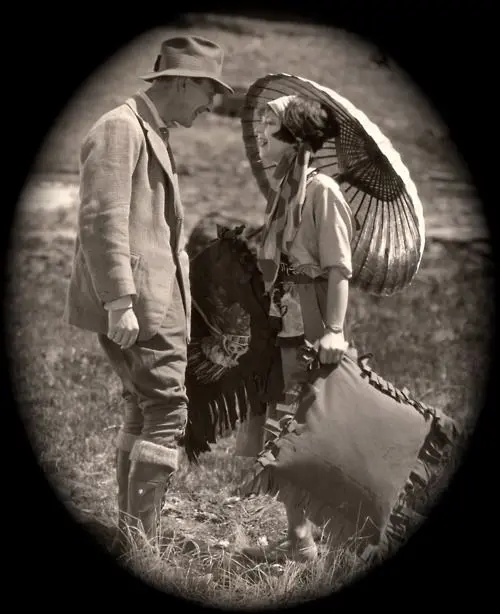
You should watch this film if you're interested in early Hollywood, silent cinema, or the performances of Clara Bow. It's a fascinating look at a bygone era and a testament to the power of early cinema.
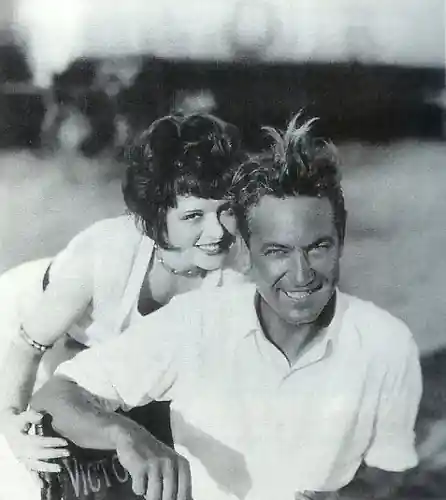
The standout performance in Mantrap is undoubtedly Clara Bow's. Bow's portrayal is nuanced and captivating, bringing depth to her character. Her ability to convey a range of emotions through subtle facial expressions and body language is a testament to her skill as an actress. The chemistry between Bow and Rolfe Sedan is palpable, making their interactions both intriguing and satisfying. However, the supporting cast, while competent, fails to leave a lasting impression. The dialogue, though often poetic, can be overly verbose at times, detracting from the overall impact.
Mantrap is directed by George Marion Jr. and features cinematography by James Wong Howe. The film's visual style is a mix of stark realism and romantic stylization, capturing the beauty of the Canadian landscape and the intimacy of the characters' interactions. The use of natural lighting and the framing of scenes are particularly effective, creating a sense of authenticity and emotional resonance. However, the film's pacing can be uneven, and some scenes feel disjointed, particularly in the latter half. The editing, while generally effective, occasionally feels forced, which can be jarring for modern audiences.
Mantrap's pacing is one of its most significant strengths. The film moves at a leisurely pace, allowing the audience to immerse themselves in the characters' world and the unfolding drama. The tone of the film is a delicate balance of romance and social commentary, providing a rich context for the characters' motivations and actions. However, the film's pace can be a double-edged sword, as it occasionally feels slow-moving, particularly during dialogue-heavy scenes.
Mantrap is a film that rewards careful attention and a willingness to engage with the material on its own terms. It's not without its flaws, but its strengths far outweigh its weaknesses. The performances, particularly Clara Bow's, are captivating, and the film's exploration of social dynamics and desire is compelling. While the pacing and dialogue can be uneven at times, the film's overall impact is undeniable. This film is a must-see for fans of early Hollywood and silent cinema.
Mantrap is a film that offers a fascinating glimpse into the early days of Hollywood and the power of early cinema. While it's not without its flaws, the performances, particularly Clara Bow's, are captivating, and the film's exploration of social dynamics and desire is compelling. This film is a must-see for fans of early Hollywood and silent cinema.
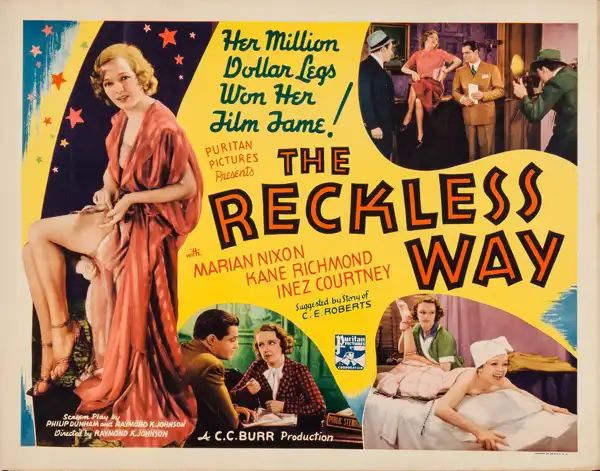
IMDb 5
1936
Community
Log in to comment.