DbcultAccessing Vault...
Cult Review
Senior Film Conservator
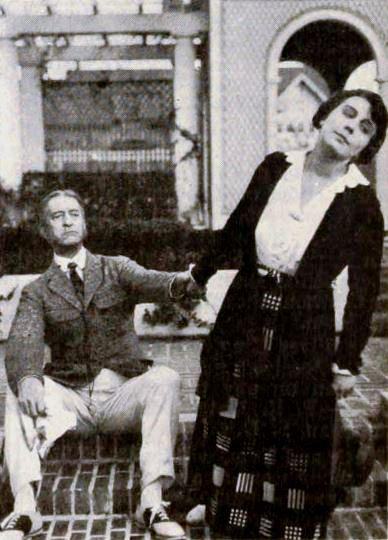
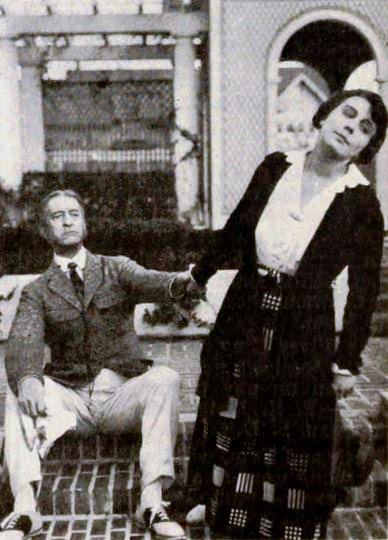
Step back into the roaring twenties, a decade of seismic cultural shifts, jazz-infused nights, and the burgeoning power of the silver screen. It was an era when cinema, still largely silent, began to truly articulate the anxieties and aspirations of a rapidly modernizing world. Amidst this vibrant backdrop emerges "The Homebreaker" (1921), a film that, despite its relative obscurity today, offers a fascinating glimpse into the social mores, comedic sensibilities, and evolving narrative structures of early Hollywood. This isn't just another relic; it's a dynamic, often humorous, exploration of identity, deception, and the surprising resilience of a woman navigating a world of both opportunity and peril. While names like Rudolph Valentino might catch the eye (and indeed, he makes an appearance, though not in a central role), the true star power and thematic depth reside in its sharp wit and the formidable presence of its lead, Beverly Travis.
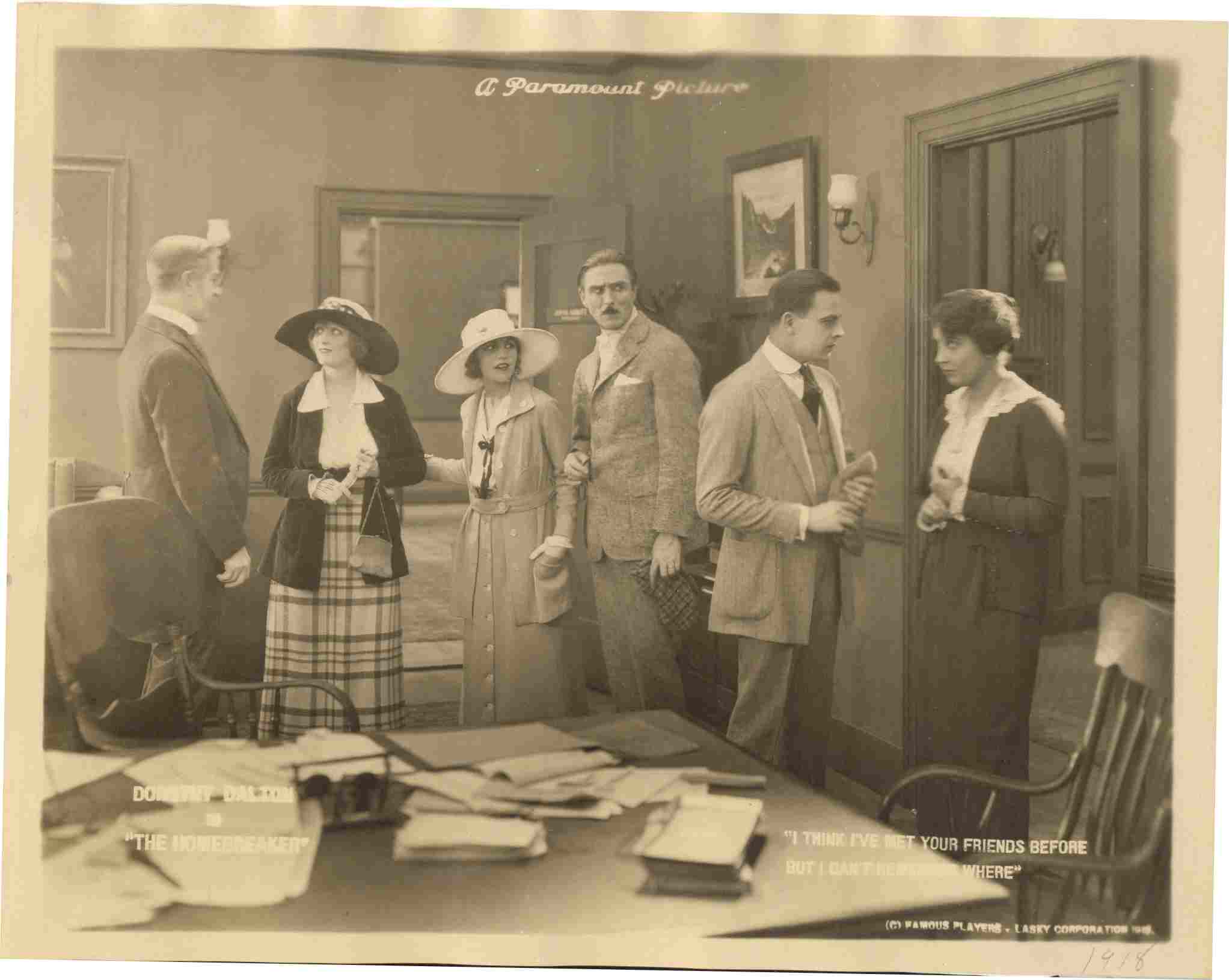
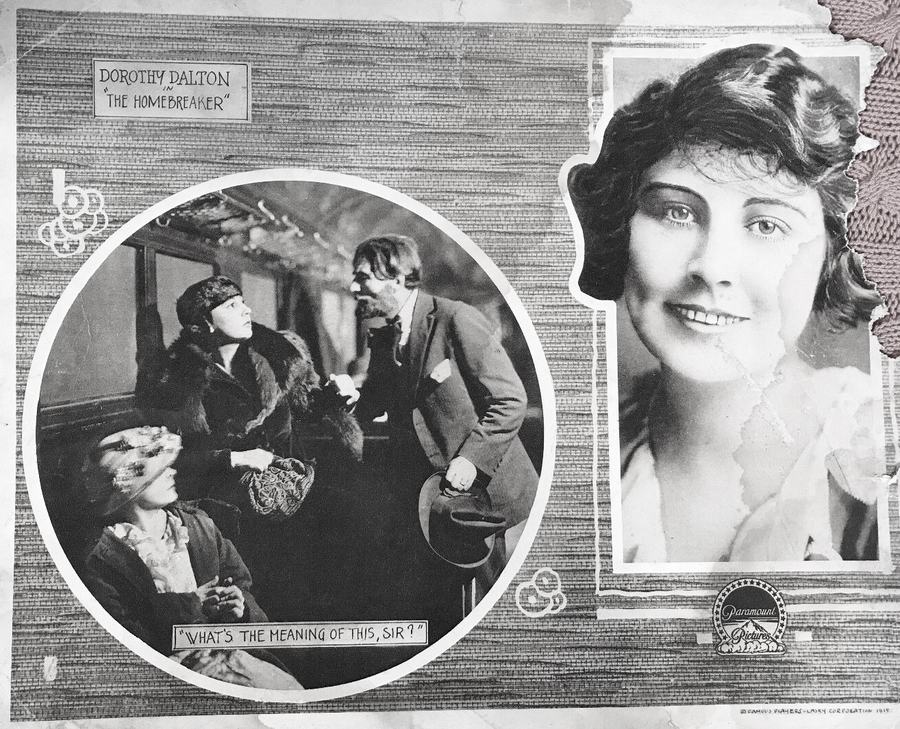
The film immediately establishes its protagonist, Mary Marbury (portrayed with compelling vigor by Beverly Travis), as a figure far removed from the demure heroines often depicted in contemporary narratives. As a traveling saleswoman, Mary embodies a nascent form of female independence, a professional woman carving her own path in a predominantly male-dominated sphere. Her introduction is nothing short of audacious: she finds herself on a train, a microcosm of society in motion, when a despicable incident unfolds. A 'masher' – a term for a lecherous man – attempts to take advantage of a young girl during the opportune darkness of a tunnel. Without hesitation, Mary intervenes, delivering a swift and satisfying thrashing to the offender. This pivotal scene, executed with a blend of physical comedy and righteous indignation, serves as a powerful declaration of Mary's character: she is not merely an observer but an active participant, a protector, and a woman unafraid to challenge injustice. It's a striking opening, immediately setting a tone of spirited defiance and establishing Mary as a force to be reckoned with, a refreshing departure from the more passive female archetypes that often populated the silent screen. This early display of agency is crucial, foreshadowing her proactive role in the intricate plot that unfurls.
The narrative then shifts its bustling canvas to New York City, a metropolis synonymous with both boundless opportunity and insidious deception. It is here that Mary's path fatefully crosses once again with the very individuals she expelled from the train. The 'masher' and his female companion have undergone a remarkable metamorphosis, reinventing themselves as the ostensibly sophisticated Fernando Poyntier (Frank Leigh) and his 'sister,' Marcia (Dorothy Dalton). Their new guise? Avant-garde cubist art instructors, a brilliant satirical jab at the burgeoning, often bewildering, modern art movements of the era and the gullibility of the social elite eager to embrace the latest intellectual fad. Leigh and Dalton revel in these roles, imbuing their characters with a delicious blend of pretension and thinly veiled avarice. They skillfully exploit the fascination with the esoteric, weaving a web of artistic mystique around themselves to infiltrate the upper echelons of society. Their target: the children of Jonas Abbott (Edwin Stevens), Mary's wealthy employer, whose family fortune presents an irresistible lure. The film cleverly uses this masquerade to comment on the performative nature of identity in urban landscapes, where one can shed an old skin and don a new, more advantageous one with relative ease. The irony of their 'artistic' deception, given their earlier boorish behavior, is not lost on the discerning viewer, highlighting the film's sharp social commentary.
Central to the film's unfolding drama is Raymond Abbott (Douglas MacLean), Jonas's son and, significantly, Mary's fiancé. Raymond is depicted as a young man caught in the intoxicating allure of the city's Bohemian community, a world that his father, Jonas Abbott, views with considerable apprehension. Jonas, portrayed by Edwin Stevens with a blend of paternal concern and slightly bewildered traditionalism, worries that Raymond is leading a "frivolous life," succumbing to the perceived decadence and lack of purpose offered by this counter-cultural milieu. This generational clash, a recurrent theme in early 20th-century cinema, provides a compelling backdrop for the Poyntiers' machinations. They exploit Raymond's youthful idealism and his father's anxieties, further entrenching themselves within the Abbott household. The film astutely captures the tension between old money and new ideas, between established societal norms and the siren call of unconventional lifestyles. Raymond's susceptibility to the Poyntiers' charms, fueled by his bohemian dalliances, underscores the need for Mary's decisive intervention, setting the stage for her most audacious move yet.
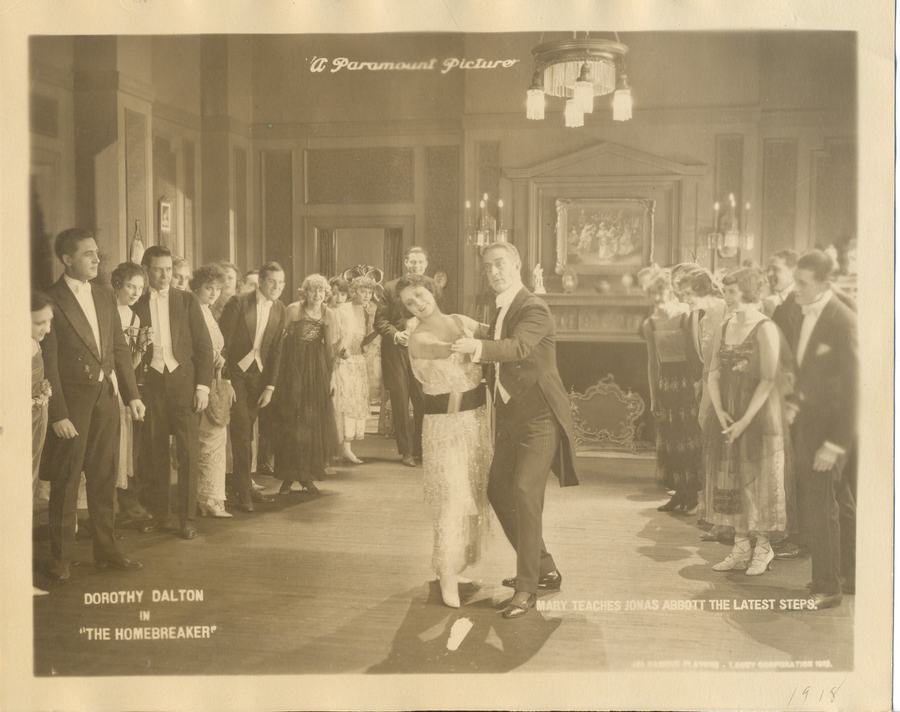
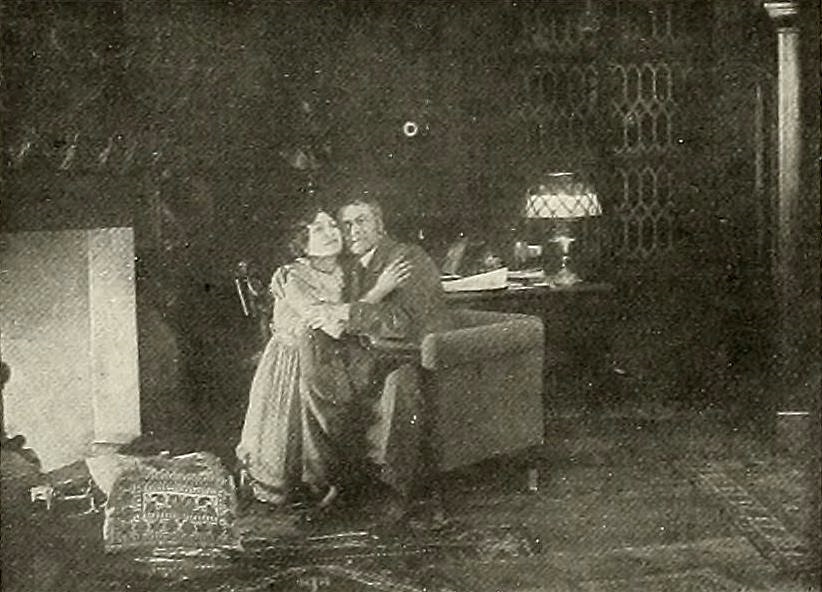
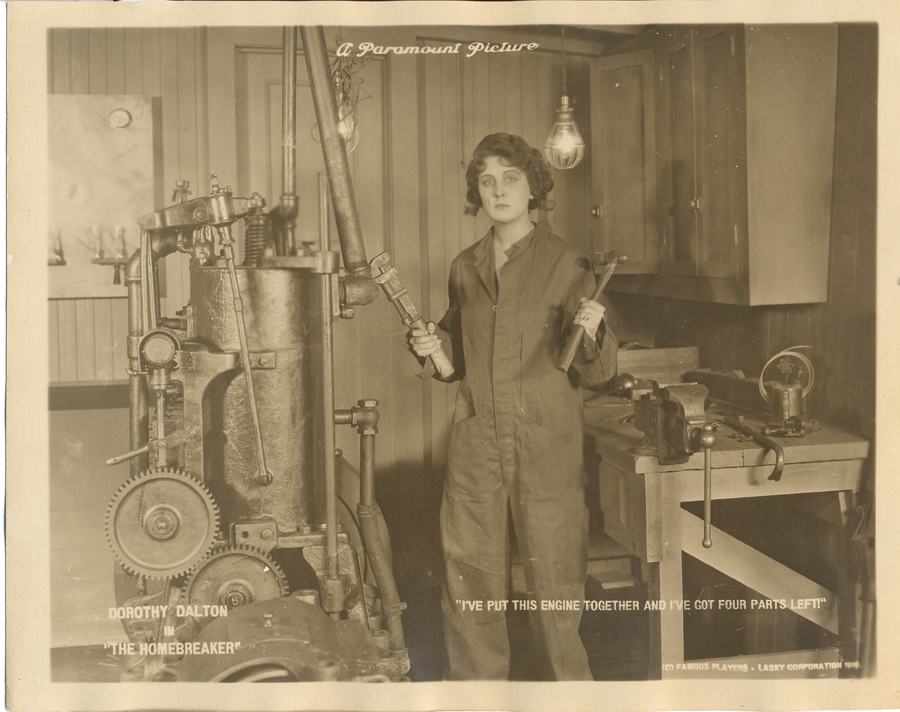
Recognizing the insidious threat posed by the Poyntiers and the precarious state of her relationship with Raymond, Mary concocts an audacious plan that showcases her exceptional wit and strategic acumen. She decides to fight fire with fire, embracing an elaborate performance within a performance. Mary, the steadfast traveling saleswoman, transforms herself into a glamorous and alluring 'adventuress,' a woman of mystery and dubious intentions. Her goal is twofold: to incite Raymond's jealousy, jolting him out of his infatuation with the Bohemian lifestyle and the Poyntiers' influence, and simultaneously to expose the true, predatory nature of the so-called cubist instructors. This gambit is a masterstroke of character development and plot progression. Beverly Travis delivers this transformation with panache, embodying the sophisticated, slightly dangerous persona with conviction. The irony is rich: Mary, a woman of unshakeable moral fiber, must momentarily adopt the very guise of the 'homebreaker' to protect her home and her fiancé. It's a clever subversion of traditional gender roles and narrative expectations, demonstrating that intelligence and agency are not exclusive to villainy. Her calculated seduction of Jonas Abbott, designed to make it appear as though she is leading him astray, is a risky but necessary maneuver, creating the perfect environment for the Poyntiers' greed to reach its zenith.
As Mary's intricate scheme unfolds, the Poyntiers, blinded by their own avarice, misinterpret her actions. They perceive her apparent influence over Jonas Abbott as a threat to their ultimate goal: the Abbott fortune. Fearing that the inheritance might now be diverted to Mary instead of to them, their veneer of artistic sophistication crumbles, revealing their true criminal intent. They resort to outright robbery, pilfering money from Jonas's safe with a brazenness that belies their earlier refined facade. Their plan for escape is equally audacious: they hide the stolen funds on Jonas's yacht, intending to flee under the cover of night. This escalation of their villainy provides the narrative with its thrilling climax. The stage is set for a dramatic confrontation, but the actual discovery of the money is imbued with a delightful touch of comedic serendipity. Exhausted from a lively session of dancing the fox-trot – a popular, energetic dance of the era – Mary and Abbott seek respite on the very yacht where the stolen money is concealed. It is in this moment of weary repose that Mary, with her keen eye and unwavering intuition, uncovers the hidden lucre. This scene masterfully blends tension with the film's inherent lightheartedness, demonstrating that even in moments of high stakes, a touch of human foible can drive the plot forward with unexpected charm. The capture of the crooks, once their elaborate deception and theft are exposed, is swift and satisfying, a testament to Mary's strategic brilliance.
The performances within "The Homebreaker" are a vital component of its enduring appeal, showcasing the nuanced acting styles prevalent in the silent era. Beverly Travis, as Mary Marbury, delivers a truly magnetic performance, imbuing her character with intelligence, independence, and a captivating blend of strength and charm. Her ability to transition from the no-nonsense saleswoman to the alluring adventuress is a testament to her range and makes Mary one of the most memorable female protagonists of the period. Douglas MacLean, as Raymond, effectively portrays the youthful idealism and eventual maturation of a man navigating societal expectations and personal desires. His journey from bohemian reveler to a man capable of recognizing true love is handled with a believable arc. The villains of the piece, Frank Leigh as Fernando Poyntier and Dorothy Dalton as Marcia, are brilliantly cast. They chew the scenery with delightful gusto, perfectly embodying the film's satirical take on pretentious charlatans. Their exaggerated gestures and facial expressions, crucial for silent film acting, perfectly convey their duplicity and comic villainy. Edwin Stevens provides a solid foundation as Jonas Abbott, the well-meaning but somewhat naive patriarch, his paternal anxieties palpable. Even in smaller roles, actors like Mollie McConnell and Nora Johnson contribute to the film's ensemble richness. And then there's Rudolph Valentino, whose appearance, while not central, adds a touch of burgeoning star power to the cast, a fascinating footnote for fans of cinematic history. The screenwriting talents of R. Cecil Smith and John Lynch are evident in the film's well-structured plot, its sharp dialogue (even in title cards), and its ability to seamlessly blend comedic farce with genuine stakes. They craft a narrative that, while entertaining, also offers shrewd observations about human nature and societal artifice, allowing the characters to drive the story forward with purpose and wit.
Thematically, "The Homebreaker" resonates with several enduring ideas. It's a sharp commentary on the precariousness of identity in a rapidly changing world, where appearances can be deceiving and social climbing often involves elaborate masquerades. The film deftly explores the clash between traditional values, represented by Jonas Abbott's concerns, and the allure of modern, often unconventional, lifestyles, embodied by Raymond's bohemian phase. Mary Marbury stands as a beacon of modern womanhood, challenging patriarchal norms and demonstrating that intelligence, courage, and resourcefulness are her greatest assets. Her actions subvert the very title of the film, transforming the potential 'homebreaker' into a 'home-saver' through her shrewdness. The satire of the art world and the gullibility of the wealthy elite is particularly incisive, proving that certain societal follies are timeless. While not a direct comparison, one might find thematic echoes of the dangers of urban deception and the manipulation of the vulnerable in other silent dramas like The Inner Shrine, or the critique of financial chicanery in A Wall Street Tragedy, though "The Homebreaker" frames these elements within a distinctly comedic lens. The film's ability to weave these complex themes into an entertaining and engaging narrative is a testament to the sophistication of silent-era storytelling. It avoids heavy-handed moralizing, instead allowing the characters' actions and the unfolding plot to deliver its insights. The film reminds us that the best comedies often hold a mirror up to society, reflecting both its absurdities and its enduring truths. It's a vibrant example of how early cinema was already grappling with complex social dynamics, albeit with a light and often humorous touch.
In its entirety, "The Homebreaker" stands as a delightful and surprisingly insightful artifact from 1921. It's a film that, perhaps overshadowed by the more dramatic offerings or the immense star power that would soon define the decade, deserves a renewed appreciation. Its blend of spirited comedy, social critique, and a compelling lead performance from Beverly Travis makes it much more than a historical curiosity. It's a vibrant, engaging narrative that speaks to the timeless themes of identity, deception, and the unwavering pursuit of justice. For those seeking to explore the rich tapestry of early cinema, this film offers a charming and thought-provoking experience, reminding us that even in silence, stories can resonate with profound impact and enduring entertainment value. It's a testament to the creative ingenuity of the era, proving that a well-crafted plot and memorable characters can transcend the passage of time, inviting modern audiences to revel in its unique charm and clever narrative twists.
IMDb 6.9
1935
Community
Log in to comment.